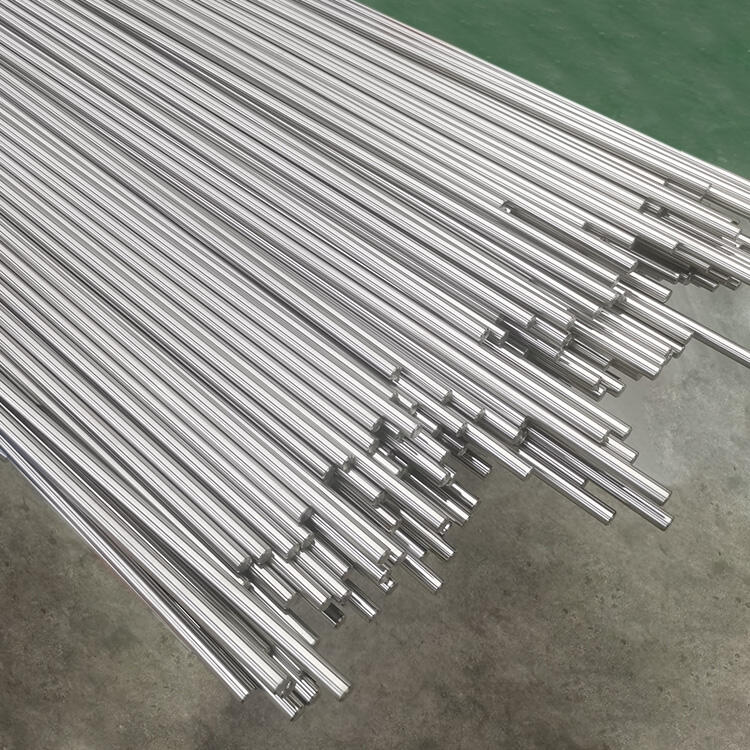
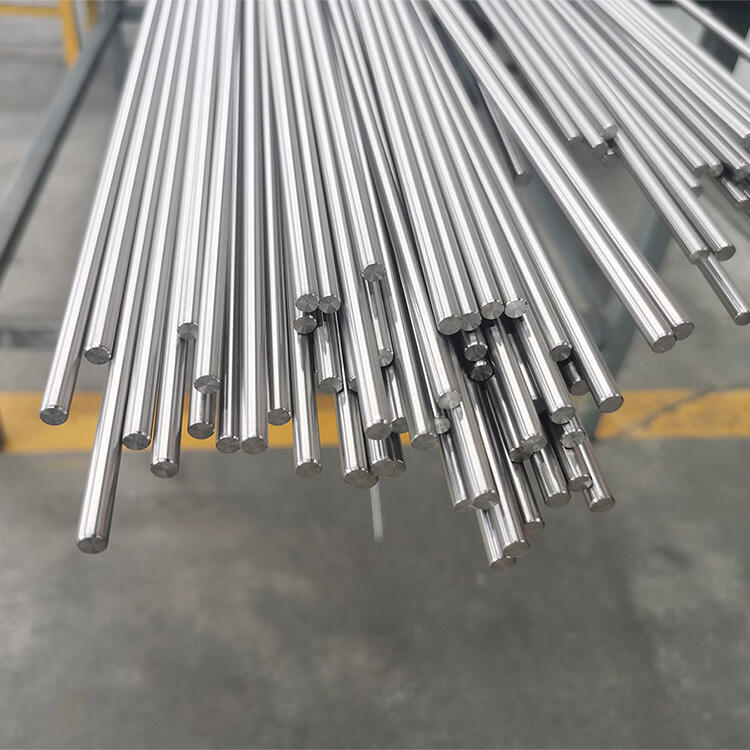
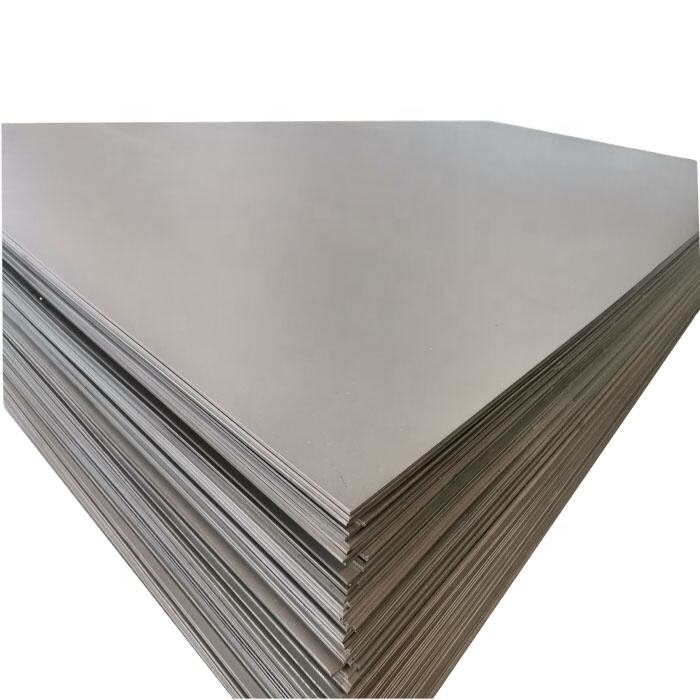
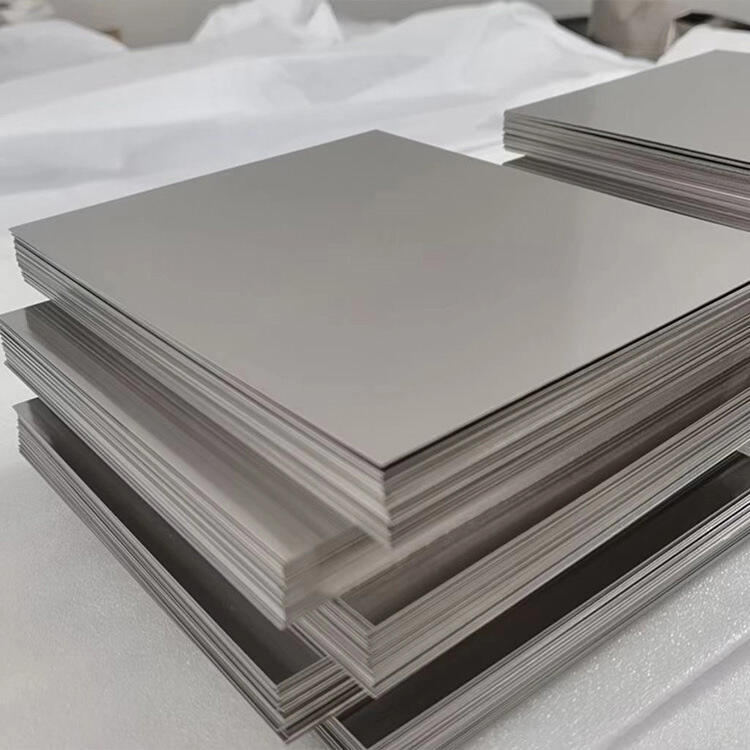
Premium Grade Titanium Foil: High-Performance Material for Advanced Applications

Get a Free Quote

Our representative will contact you soon.
Email
Name
Company Name
Message
0/1000

titanium foil for sale

Titanium foil represents a versatile and high-performance material that combines exceptional strength with remarkable lightweight properties. This advanced metallurgical product is manufactured through precise rolling processes, resulting in thin sheets typically ranging from 0.001 to 0.125 inches in thickness. The foil exhibits outstanding corrosion resistance across various environments, making it ideal for demanding applications in aerospace, medical, and industrial sectors. Its unique combination of high strength-to-weight ratio and biocompatibility has established it as a preferred choice in medical implants and surgical instruments. The foil's excellent formability allows for complex shapes and designs, while maintaining structural integrity under extreme conditions. Additionally, its superior heat resistance and thermal stability enable applications in high-temperature environments, with operational capabilities exceeding 600°C. The material's natural oxide layer provides inherent protection against environmental factors, eliminating the need for additional protective coatings. Modern manufacturing techniques ensure consistent quality and precise dimensional tolerance, meeting stringent industry standards and specifications.

New Product Recommendations

Titanium foil offers numerous compelling advantages that make it an exceptional choice for various applications. First and foremost, its remarkable strength-to-weight ratio surpasses most metallic materials, providing robust performance while minimizing overall weight in finished products. The material's exceptional corrosion resistance eliminates the need for protective treatments, resulting in reduced maintenance costs and extended service life. The foil's biocompatibility makes it particularly valuable in medical applications, where it shows no adverse reactions with human tissue and promotes successful integration in medical devices and implants. Its excellent formability allows for precise shaping and forming without compromising structural integrity, enabling complex designs and configurations. The material's wide operating temperature range, from cryogenic to elevated temperatures, ensures reliable performance across diverse environmental conditions. Titanium foil's natural oxide layer provides self-healing properties, maintaining surface protection even if mechanically damaged. The material's low thermal expansion coefficient ensures dimensional stability in temperature-fluctuating environments. Its non-magnetic properties make it suitable for applications requiring electromagnetic neutrality. The foil's superior fatigue resistance ensures long-term durability under cyclic loading conditions. Additionally, its excellent weldability facilitates seamless integration in various assembly processes, while its chemical inertness prevents contamination in sensitive applications.

Practical Tips

About titanium

19

Sep

About titanium

View More
How to ensure the purity of a titanium bar?

19

Sep

How to ensure the purity of a titanium bar?

View More
What is the Difference Between Gr2 and Gr5 Titanium?

19

Sep

What is the Difference Between Gr2 and Gr5 Titanium?

View More
Difference between ASTM F67 and ASTM F136

19

Sep

Difference between ASTM F67 and ASTM F136

View More

Get a Free Quote

Our representative will contact you soon.
Email
Name
Company Name
Message
0/1000

titanium foil for sale

Superior Mechanical Properties

Superior Mechanical Properties

Titanium foil exhibits exceptional mechanical characteristics that set it apart in the materials industry. The material's outstanding tensile strength, typically ranging from 240 to 890 MPa depending on the grade, provides robust performance in high-stress applications. This remarkable strength is achieved while maintaining a density approximately 45% lower than steel, resulting in an industry-leading strength-to-weight ratio. The foil's excellent ductility allows for significant deformation without failure, making it ideal for applications requiring complex forming operations. Its high fatigue strength ensures reliable performance under repeated loading cycles, crucial for dynamic applications. The material's exceptional hardness contributes to wear resistance, while its unique crystal structure provides superior toughness and crack resistance. These mechanical properties remain stable across a wide temperature range, ensuring consistent performance in varying environmental conditions.
Exceptional Chemical Resistance

Exceptional Chemical Resistance

The chemical resistance of titanium foil represents a cornerstone of its versatility in demanding environments. The material's naturally forming oxide layer (TiO2) provides outstanding protection against corrosive media, including chlorides, acids, and alkaline solutions. This passive layer spontaneously reforms if damaged, ensuring continuous protection throughout the material's service life. The foil's resistance to pitting and crevice corrosion makes it particularly valuable in marine and chemical processing applications. Its inertness to biological fluids and tissues establishes it as a premier choice for medical applications. The material shows exceptional resistance to oxidation at elevated temperatures, maintaining its protective properties up to 600°C. Its ability to resist stress corrosion cracking in aggressive environments sets it apart from many conventional materials. This comprehensive chemical resistance eliminates the need for protective coatings or treatments, reducing maintenance requirements and lifecycle costs.
Versatile Processing Capabilities

Versatile Processing Capabilities

Titanium foil's processing capabilities offer unprecedented flexibility in manufacturing and fabrication. The material demonstrates excellent formability, allowing for deep drawing, stamping, and bending operations without surface cracking or material degradation. Its superior weldability enables various joining techniques, including laser welding, resistance welding, and traditional fusion welding methods. The foil can be readily cut using conventional and advanced methods such as laser cutting and waterjet cutting, maintaining precise dimensional tolerances. Its ability to be heat-treated allows for property optimization according to specific application requirements. The material's surface can be modified through various finishing techniques, including mechanical polishing, chemical etching, and anodizing, enhancing its functional and aesthetic properties. Advanced coating technologies can be applied when specific surface properties are required, though the material's natural properties often eliminate this need.

Get a Free Quote

Our representative will contact you soon.
Email
Name
Company Name
Message
0/1000