 EN
EN


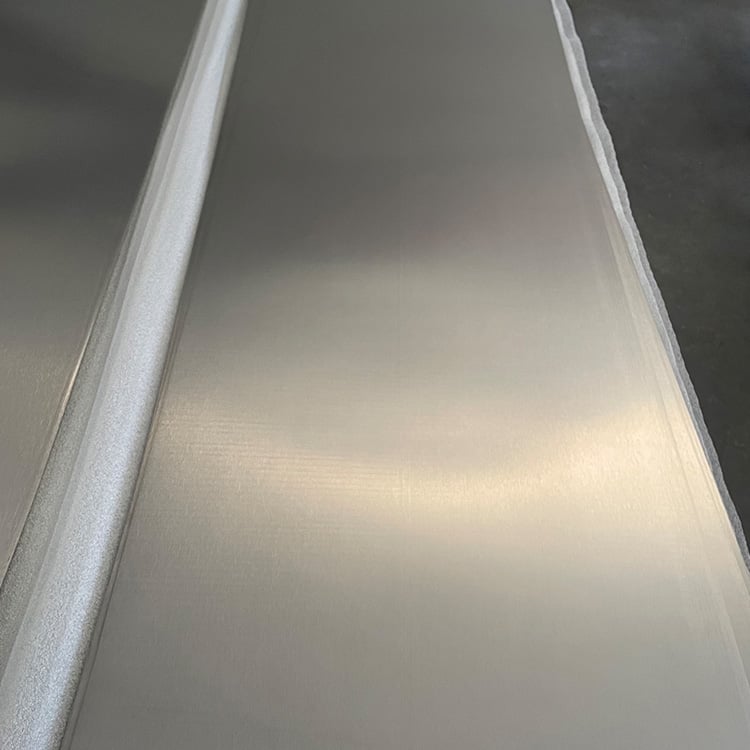
Pure titanium plates have emerged as critical components across numerous high-performance industries, offering unmatched corrosion resistance, biocompatibility, and strength-to-weight ratios. These exceptional materials provide engineers and manufacturers with solutions that excel in demanding environments where conventional metals fail. The unique properties of pure titanium plate make it indispensable for applications ranging from aerospace engineering to medical implants, where reliability and performance cannot be compromised.
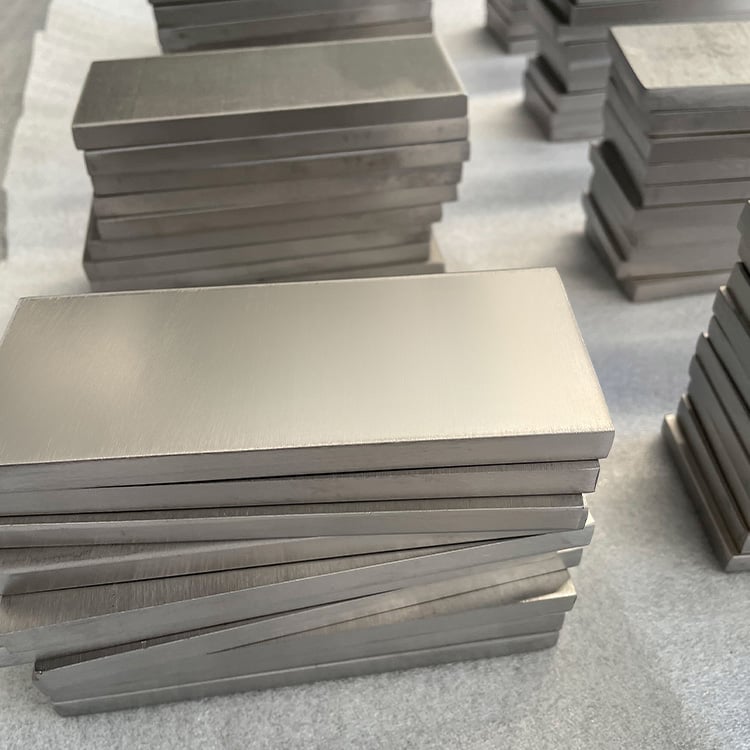
The versatility of pure titanium plate extends beyond traditional manufacturing applications, providing innovative solutions for next-generation technologies. Industries continuously seek materials that deliver exceptional performance while maintaining cost-effectiveness and sustainability. Understanding which applications benefit most from pure titanium plate implementation helps decision-makers optimize their material selection processes and achieve superior product outcomes.
Aerospace and Aviation Applications
Commercial Aircraft Structural Components
Commercial aviation relies heavily on pure titanium plate for structural components that require exceptional strength while minimizing weight penalties. Aircraft manufacturers utilize pure titanium plate in wing structures, landing gear components, and engine housings where traditional aluminum alloys cannot withstand extreme temperature variations and stress cycles. The superior fatigue resistance of pure titanium plate ensures extended service life, reducing maintenance costs and improving aircraft reliability.
Modern aircraft designs demand materials that perform consistently across diverse operating conditions, from sub-zero temperatures at high altitudes to elevated temperatures near engine components. Pure titanium plate maintains its mechanical properties across these temperature ranges, making it ideal for critical structural applications. The material's excellent corrosion resistance protects aircraft components from atmospheric moisture and salt exposure during oceanic flights.
Space Launch Vehicle Systems
Space exploration programs extensively use pure titanium plate in launch vehicle construction, where extreme temperatures and corrosive propellant environments challenge conventional materials. Rocket engine components fabricated from pure titanium plate withstand the intense heat and chemical exposure encountered during launch sequences. The material's low thermal expansion coefficient prevents dimensional changes that could compromise engine performance or structural integrity.
Satellite manufacturers incorporate pure titanium plate in structural frameworks and heat shields, leveraging its excellent thermal properties and radiation resistance. The material's ability to maintain strength in the vacuum of space while resisting micrometeorite impacts makes it invaluable for long-duration space missions. Pure titanium plate components contribute to mission success by providing reliable performance throughout extended operational periods.
Medical and Biomedical Industries
Surgical Implants and Prosthetics
The medical industry extensively utilizes pure titanium plate for manufacturing surgical implants due to its exceptional biocompatibility and corrosion resistance in biological environments. Orthopedic surgeons prefer pure titanium plate for bone fixation devices, joint replacements, and spinal fusion hardware because the material integrates seamlessly with human tissue without triggering adverse reactions. The elastic modulus of pure titanium plate closely matches that of human bone, reducing stress shielding effects that can lead to implant loosening.
Dental professionals rely on pure titanium plate for creating custom implant frameworks and prosthetic components that require precise dimensional stability and long-term reliability. The material's resistance to biological fluids ensures implants maintain their structural integrity throughout the patient's lifetime. Pure titanium plate surfaces promote osseointegration, allowing bone tissue to grow directly onto the implant surface for enhanced stability and functionality.
Medical Device Manufacturing
Medical device manufacturers choose pure titanium plate for producing diagnostic equipment housings and surgical instrument components that must withstand repeated sterilization cycles. The material's resistance to steam sterilization, gamma radiation, and chemical disinfectants ensures medical devices maintain their performance characteristics throughout their service life. Pure titanium plate components resist corrosion from biological fluids and cleaning agents commonly used in healthcare environments.
Advanced medical technologies, including MRI-compatible devices and implantable electronics, benefit from pure titanium plate's non-magnetic properties and electromagnetic compatibility. The material does not interfere with magnetic resonance imaging procedures, allowing patients with pure titanium plate implants to undergo diagnostic scans safely. This compatibility expands treatment options and improves patient care quality.
Chemical Processing and Industrial Applications
Corrosive Environment Equipment
Chemical processing facilities utilize pure titanium plate for constructing equipment that handles highly corrosive substances, including strong acids, alkalis, and chlorinated compounds. The material's exceptional corrosion resistance eliminates the need for protective coatings or frequent component replacement, reducing operational costs and maintenance downtime. Pure titanium plate heat exchangers, reaction vessels, and piping systems provide reliable service in environments where stainless steel and other alloys quickly deteriorate.
Pharmaceutical manufacturing operations benefit from pure titanium plate's inert surface properties, which prevent contamination of sensitive drug compounds during production processes. The material's smooth surface finish facilitates thorough cleaning and validation procedures required by regulatory agencies. Pure titanium plate equipment maintains product purity while withstanding aggressive cleaning agents and high-temperature sanitization protocols.
Desalination and Water Treatment Systems
Water treatment facilities employ pure titanium plate in desalination plants and wastewater processing equipment where seawater and chlorinated water create severe corrosive conditions. The material's immunity to chloride-induced stress corrosion cracking ensures long-term reliability in these challenging applications. Pure titanium plate heat exchanger tubes and membrane housings provide consistent performance while minimizing maintenance requirements and operational interruptions.
Municipal water treatment systems incorporate pure titanium plate components in ozone generation equipment and UV disinfection systems, where the material's stability in oxidizing environments ensures reliable operation. The non-toxic nature of pure titanium plate prevents leaching of harmful substances into treated water supplies, supporting public health and environmental protection goals.
Marine and Offshore Applications
Shipbuilding and Naval Architecture
Marine industries extensively use pure titanium plate for constructing submarine hulls, ship propellers, and offshore platform components that must withstand constant seawater exposure. The material's excellent corrosion resistance in marine environments eliminates the need for cathodic protection systems and anti-fouling coatings, reducing maintenance costs and environmental impact. Pure titanium plate components maintain their structural integrity even in deep-sea applications where high pressure and low temperatures challenge conventional materials.
Naval architects specify pure titanium plate for critical hull sections and ballast tank construction, where weight reduction and corrosion resistance provide operational advantages. The material's high strength-to-weight ratio allows for thinner sections without compromising structural integrity, increasing cargo capacity and fuel efficiency. Pure titanium plate's resistance to galvanic corrosion prevents degradation when in contact with other metals commonly used in marine construction.
Offshore Oil and Gas Equipment
Offshore drilling platforms utilize pure titanium plate for constructing components exposed to harsh marine environments and corrosive drilling fluids. The material's resistance to hydrogen sulfide and carbon dioxide corrosion makes it ideal for downhole equipment and processing systems. Pure titanium plate maintains its mechanical properties in high-pressure, high-temperature conditions encountered in deep-water drilling operations.
Subsea production systems incorporate pure titanium plate in flowline components and manifold assemblies that must operate reliably for extended periods without maintenance access. The material's fatigue resistance and dimensional stability ensure consistent performance under cyclic loading conditions caused by ocean currents and thermal expansion. Pure titanium plate components contribute to operational safety and environmental protection by preventing leaks and equipment failures.
Emerging Technology Applications
Renewable Energy Systems
Solar energy installations increasingly utilize pure titanium plate for manufacturing photovoltaic panel frames and mounting systems that must withstand decades of outdoor exposure. The material's resistance to UV radiation and thermal cycling ensures long-term structural integrity without degradation. Pure titanium plate components maintain their appearance and performance characteristics throughout the 25-year service life typical of solar installations.
Wind energy systems benefit from pure titanium plate applications in offshore turbine components, where seawater exposure and dynamic loading create demanding service conditions. The material's corrosion resistance and fatigue strength make it suitable for turbine hubs and blade attachment points that experience millions of stress cycles during operation. Pure titanium plate reduces maintenance requirements and extends equipment life in remote offshore locations.
Advanced Manufacturing Technologies
Additive manufacturing processes utilize pure titanium plate feedstock for creating complex geometries impossible with traditional machining methods. The material's consistent chemistry and microstructure ensure reliable 3D printing results for aerospace and medical applications. Pure titanium plate powder and wire forms enable manufacturers to produce custom components with optimized designs and reduced material waste.
Semiconductor manufacturing equipment incorporates pure titanium plate in chamber components and gas delivery systems where ultra-high purity requirements prevent contamination of electronic devices. The material's low outgassing characteristics and chemical inertness maintain clean processing environments essential for producing advanced microelectronics. Pure titanium plate components withstand aggressive plasma environments and frequent temperature cycling without degradation.
FAQ
What makes pure titanium plate superior to titanium alloys for certain applications
Pure titanium plate offers maximum corrosion resistance and biocompatibility compared to titanium alloys, making it essential for medical implants and chemical processing equipment. While titanium alloys provide higher strength, pure titanium plate's superior ductility and formability allow for complex shapes and configurations. The absence of alloying elements in pure titanium plate eliminates potential sources of contamination or adverse reactions in sensitive applications.
How does the cost of pure titanium plate compare to alternative materials
Pure titanium plate typically costs more initially than stainless steel or aluminum alternatives, but its exceptional durability and corrosion resistance often result in lower total cost of ownership. The extended service life and reduced maintenance requirements of pure titanium plate components offset higher material costs through decreased replacement frequency and operational downtime. Many applications achieve cost savings through improved performance and reliability over the equipment lifecycle.
What fabrication considerations are important when working with pure titanium plate
Pure titanium plate requires specialized welding procedures and inert gas shielding to prevent contamination during fabrication. The material work-hardens during forming operations, requiring careful process control and potentially intermediate annealing steps. Machining pure titanium plate demands sharp cutting tools and appropriate speeds and feeds to prevent work hardening and achieve desired surface finishes.
Can pure titanium plate be recycled and what are the environmental benefits
Pure titanium plate is fully recyclable, maintaining its properties through multiple recycling cycles without degradation. The recycling process requires significantly less energy than primary titanium production, reducing environmental impact and supporting sustainability goals. The long service life of pure titanium plate components means fewer replacements and reduced material consumption over time, contributing to resource conservation and environmental protection.
Table of Contents
- Aerospace and Aviation Applications
- Medical and Biomedical Industries
- Chemical Processing and Industrial Applications
- Marine and Offshore Applications
- Emerging Technology Applications
-
FAQ
- What makes pure titanium plate superior to titanium alloys for certain applications
- How does the cost of pure titanium plate compare to alternative materials
- What fabrication considerations are important when working with pure titanium plate
- Can pure titanium plate be recycled and what are the environmental benefits