 EN
EN


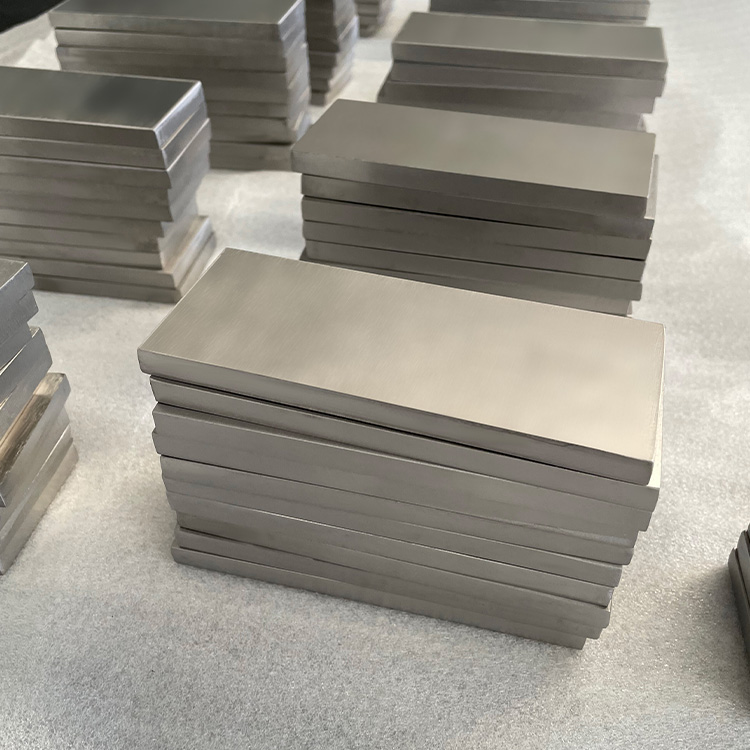
The aerospace and medical industries demand materials that can withstand extreme conditions while maintaining structural integrity and biocompatibility. Among the various metallic options available, pure titanium plate has emerged as a preferred choice for critical applications in both sectors. This exceptional material combines lightweight properties with remarkable strength, corrosion resistance, and biological compatibility, making it indispensable for applications ranging from aircraft components to surgical implants. Understanding the unique characteristics that make pure titanium plate so valuable helps explain why these industries continue to invest heavily in titanium-based solutions.
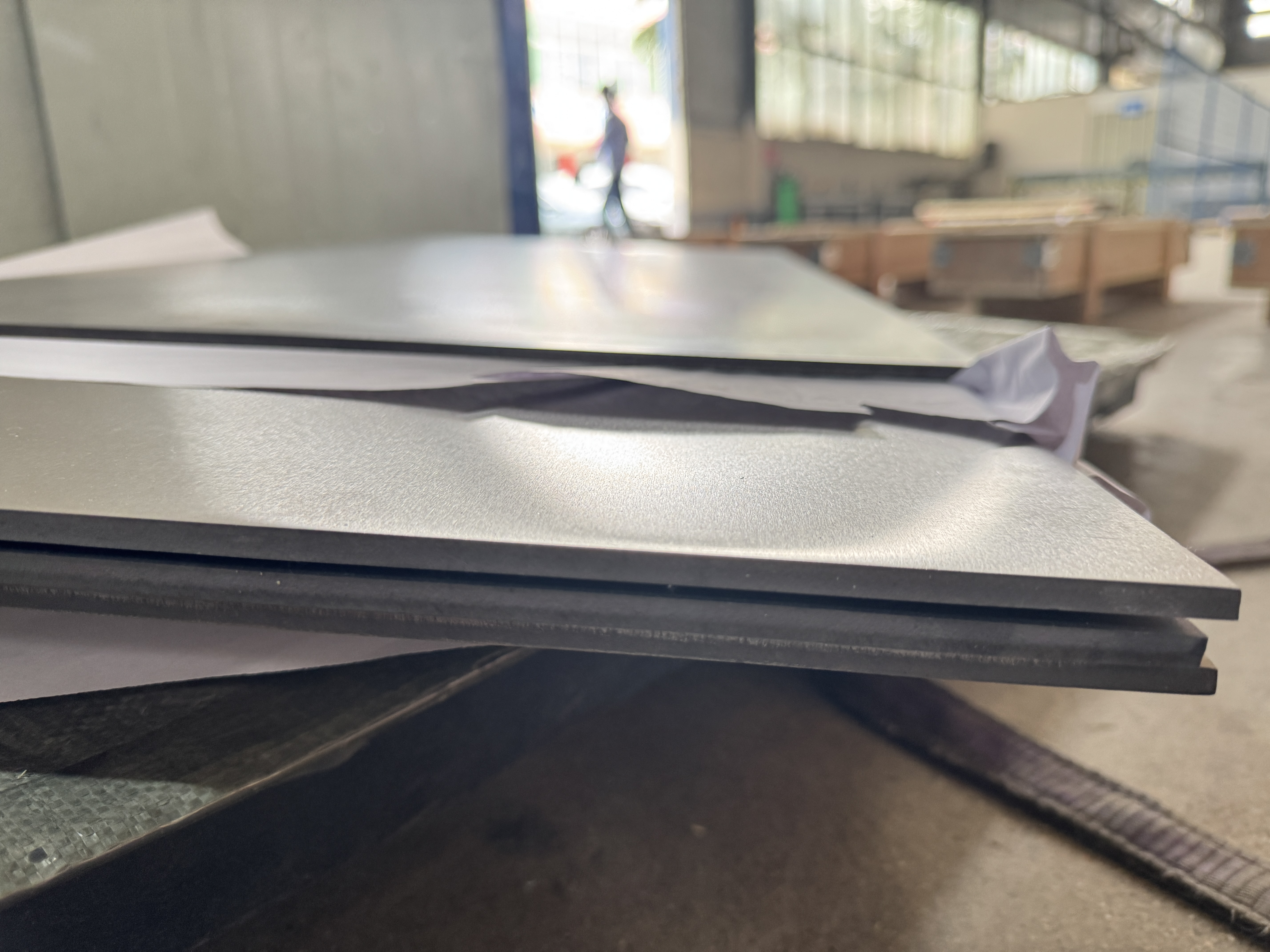
Exceptional Material Properties of Pure Titanium Plates
Superior Strength-to-Weight Ratio
Pure titanium plate exhibits one of the most impressive strength-to-weight ratios among metallic materials, making it particularly attractive for weight-sensitive applications. With a density approximately 45% lower than steel while maintaining comparable strength characteristics, pure titanium plate enables significant weight reduction without compromising structural performance. This property proves crucial in aerospace applications where every kilogram saved translates to improved fuel efficiency and enhanced payload capacity. The material's specific strength allows engineers to design thinner, lighter components while meeting stringent safety and performance requirements.
The crystalline structure of pure titanium contributes to its remarkable mechanical properties, with the material demonstrating excellent fatigue resistance under cyclic loading conditions. Engineers appreciate how pure titanium plate maintains its structural integrity even after millions of stress cycles, a critical factor for components subjected to repeated loading in both aerospace and medical applications. This durability ensures long-term reliability and reduces maintenance requirements, making it a cost-effective choice despite higher initial material costs.
Outstanding Corrosion Resistance
The natural formation of a protective oxide layer gives pure titanium plate exceptional resistance to corrosion in various environmental conditions. This passive oxide film, primarily composed of titanium dioxide, forms spontaneously when the material contacts oxygen and provides excellent protection against chemical attack. Unlike many other metals that require protective coatings or treatments, pure titanium plate maintains its corrosion resistance naturally, reducing long-term maintenance costs and ensuring consistent performance over extended service periods.
In marine environments and chemical processing applications, pure titanium plate demonstrates remarkable stability against chloride-induced corrosion, a common failure mechanism for many metallic materials. The material's resistance to pitting, crevice corrosion, and stress corrosion cracking makes it particularly valuable for applications where exposure to aggressive chemicals or salt water is inevitable. This inherent corrosion resistance eliminates the need for frequent replacement and reduces the risk of catastrophic failure due to material degradation.
Critical Aerospace Applications
Aircraft Structural Components
Modern aircraft rely heavily on pure titanium plate for various structural applications where weight reduction and strength are paramount. Landing gear components, wing structures, and fuselage sections increasingly incorporate pure titanium plate to achieve optimal performance characteristics. The material's ability to maintain strength at elevated temperatures makes it particularly suitable for areas exposed to engine heat or aerodynamic heating during high-speed flight. Aircraft manufacturers value how pure titanium plate enables the creation of complex geometries while maintaining structural integrity under extreme loading conditions.
The aerospace industry's stringent certification requirements have driven extensive testing and validation of pure titanium plate properties under various operating conditions. Flight-critical components manufactured from this material undergo rigorous quality control processes to ensure consistency and reliability. The predictable behavior of pure titanium plate under stress, combined with its excellent fatigue resistance, provides engineers with confidence when designing components for applications where failure is not an option.
Engine and Propulsion Systems
High-temperature applications in jet engines and rocket propulsion systems benefit significantly from the thermal stability of pure titanium plate. The material maintains its mechanical properties at temperatures where aluminum alloys would lose strength, making it essential for compressor blades, casings, and heat shields. Engine designers appreciate how pure titanium plate enables higher operating temperatures while maintaining component reliability, directly contributing to improved engine efficiency and performance.
The compatibility of pure titanium plate with various aerospace fuels and oxidizers makes it particularly valuable for propulsion system applications. Chemical compatibility ensures that fuel system components maintain their integrity over extended service periods without degradation or contamination. This reliability is crucial for both commercial aviation and space exploration missions where component failure could have catastrophic consequences.
Medical Industry Applications
Surgical Implants and Prosthetics
The biocompatibility of pure titanium plate makes it the gold standard for load-bearing medical implants and prosthetic devices. Orthopedic surgeons rely on this material for hip replacements, knee joints, and spinal fusion hardware because it integrates well with human bone tissue through a process called osseointegration. The body's acceptance of pure titanium plate reduces the risk of rejection and inflammatory responses that can occur with other metallic implants, leading to better patient outcomes and longer implant lifespan.
The mechanical properties of pure titanium plate closely match those of human bone, reducing stress shielding effects that can lead to bone resorption around implants. This compatibility helps maintain healthy bone density and structure around implanted devices, promoting long-term success of surgical interventions. Medical device manufacturers continue to develop new applications for pure titanium plate as understanding of its biological interactions improves through ongoing research.
Medical Device Manufacturing
Surgical instruments and medical devices increasingly utilize pure titanium plate for components requiring sterilization, corrosion resistance, and biocompatibility. The material's ability to withstand repeated autoclaving cycles without degradation makes it ideal for reusable medical instruments. Hospital staff appreciate how devices made from pure titanium plate maintain their appearance and functionality even after thousands of sterilization cycles, reducing replacement costs and ensuring consistent performance.
The non-magnetic properties of pure titanium plate make it particularly valuable for medical devices used in MRI environments. Unlike ferromagnetic materials that can create artifacts or pose safety risks near powerful magnetic fields, pure titanium plate enables the creation of MRI-compatible surgical tools and implants. This compatibility allows patients with titanium implants to undergo MRI examinations safely, providing physicians with crucial diagnostic capabilities.
Manufacturing and Processing Considerations
Fabrication Techniques
Working with pure titanium plate requires specialized manufacturing techniques and equipment due to the material's unique properties. The high melting point and reactivity of titanium at elevated temperatures necessitate controlled atmosphere processing to prevent contamination. Manufacturers must carefully control welding parameters, cutting speeds, and forming operations to maintain the integrity of pure titanium plate throughout the fabrication process. These considerations add complexity to manufacturing but are essential for achieving the desired material properties in finished components.
Advanced manufacturing techniques such as additive manufacturing and precision machining have expanded the possibilities for creating complex geometries from pure titanium plate. These processes enable the production of lightweight, hollow structures and intricate internal features that would be impossible to achieve with traditional manufacturing methods. The ability to create optimized designs directly from pure titanium plate reduces waste and enables new approaches to component design in both aerospace and medical applications.
Quality Control and Certification
Both aerospace and medical applications require rigorous quality control measures to ensure pure titanium plate meets exacting specifications. Traceability from raw material through final component is essential for maintaining certification compliance and ensuring consistent performance. Testing protocols include chemical composition analysis, mechanical property verification, and non-destructive inspection methods to identify any defects or inconsistencies that could compromise component reliability.
Certification bodies and regulatory agencies have established comprehensive standards for pure titanium plate used in critical applications. These standards specify material properties, processing requirements, and inspection procedures that manufacturers must follow to ensure product quality and safety. Compliance with these standards provides confidence to end users that pure titanium plate components will perform as expected under demanding service conditions.
Economic Factors and Market Trends
Cost-Benefit Analysis
While pure titanium plate commands a premium price compared to conventional materials, its superior performance characteristics often justify the additional cost over the component lifecycle. The combination of lightweight properties, corrosion resistance, and biocompatibility eliminates the need for protective coatings, frequent replacement, or additional processing steps. Life-cycle cost analysis frequently shows that pure titanium plate provides better value despite higher initial material costs, particularly in applications where performance and reliability are critical.
Market demand for pure titanium plate continues to grow as industries recognize the long-term benefits of this exceptional material. Aerospace manufacturers are increasing their use of titanium components to meet fuel efficiency targets and reduce emissions. Similarly, the aging global population and advances in medical technology are driving increased demand for titanium-based medical devices and implants.
Supply Chain and Availability
The specialized nature of pure titanium plate production requires significant investment in processing equipment and expertise. Limited global production capacity for high-quality pure titanium plate can create supply chain challenges during periods of high demand. Manufacturers in both aerospace and medical industries work closely with suppliers to ensure adequate material availability for critical applications while maintaining quality standards.
Efforts to develop more efficient processing methods and expand production capacity are ongoing throughout the titanium industry. These improvements aim to reduce costs and increase availability of pure titanium plate while maintaining the exceptional properties that make it so valuable. Investment in new production facilities and processing technologies continues to support growing demand from both traditional and emerging applications.
Future Developments and Innovations
Advanced Processing Technologies
Research into new processing methods for pure titanium plate focuses on reducing costs while maintaining or improving material properties. Powder metallurgy techniques, advanced forming methods, and novel heat treatment processes show promise for creating more cost-effective pure titanium plate products. These developments could expand the use of titanium into new applications where cost has previously been a limiting factor.
Digital manufacturing technologies and artificial intelligence are being applied to optimize processing parameters and predict material behavior. These tools help manufacturers achieve more consistent quality while reducing waste and processing time. The integration of advanced sensors and monitoring systems enables real-time quality control during pure titanium plate production, ensuring that material properties meet specifications throughout the manufacturing process.
Emerging Applications
New applications for pure titanium plate continue to emerge as researchers explore its potential in fields such as renewable energy, marine engineering, and consumer electronics. The material's corrosion resistance and lightweight properties make it attractive for offshore wind energy systems and ocean engineering applications. Consumer electronics manufacturers are investigating the use of pure titanium plate for premium device housings that offer superior durability and aesthetic appeal.
Space exploration missions increasingly rely on pure titanium plate for components that must operate in the harsh environment of space. The material's ability to withstand extreme temperature variations, radiation exposure, and micrometeorite impacts makes it essential for spacecraft structures and equipment. As space exploration activities expand, demand for pure titanium plate in aerospace applications is expected to continue growing.
FAQ
What makes pure titanium plate different from titanium alloys for aerospace applications
Pure titanium plate contains minimal alloying elements, typically over 99% titanium, which provides maximum corrosion resistance and biocompatibility. While titanium alloys offer higher strength through the addition of elements like aluminum and vanadium, pure titanium plate maintains better ductility and formability. For aerospace applications requiring complex forming operations or exposure to highly corrosive environments, pure titanium plate often provides superior performance despite lower strength compared to some alloy variants.
How does pure titanium plate perform in high-temperature aerospace environments
Pure titanium plate maintains excellent mechanical properties at elevated temperatures up to approximately 300-400°C, making it suitable for many aerospace applications. The material exhibits good creep resistance and thermal stability, though its strength does decrease at higher temperatures. For extremely high-temperature applications like jet engine hot sections, specialized titanium alloys or other materials may be preferred, but pure titanium plate excels in moderate temperature environments where corrosion resistance is equally important.
Why is pure titanium plate preferred over stainless steel for medical implants
Pure titanium plate offers superior biocompatibility compared to stainless steel, with lower risk of allergic reactions and better integration with bone tissue. The elastic modulus of pure titanium plate more closely matches that of human bone, reducing stress shielding effects that can cause bone resorption around implants. Additionally, pure titanium plate is completely non-magnetic, allowing patients to safely undergo MRI examinations without removing implants, while stainless steel implants may cause artifacts or safety concerns in magnetic fields.
What are the main challenges in manufacturing components from pure titanium plate
Manufacturing pure titanium plate requires specialized equipment and techniques due to the material's high reactivity at elevated temperatures and tendency to gall during machining operations. Welding must be performed in inert atmospheres to prevent contamination, and cutting tools wear rapidly due to titanium's work-hardening characteristics. These factors increase manufacturing costs and require specialized expertise, but proper techniques can achieve excellent results with superior component performance compared to conventional materials.
Table of Contents
- Exceptional Material Properties of Pure Titanium Plates
- Critical Aerospace Applications
- Medical Industry Applications
- Manufacturing and Processing Considerations
- Economic Factors and Market Trends
- Future Developments and Innovations
-
FAQ
- What makes pure titanium plate different from titanium alloys for aerospace applications
- How does pure titanium plate perform in high-temperature aerospace environments
- Why is pure titanium plate preferred over stainless steel for medical implants
- What are the main challenges in manufacturing components from pure titanium plate