 EN
EN

Corrosion resistance stands as one of the most critical factors in material selection across diverse industrial applications. When exposed to harsh environments, standard metals often succumb to chemical degradation, leading to costly failures and safety concerns. A pure titanium plate emerges as the superior solution, offering unmatched protection against corrosive elements while maintaining structural integrity over extended periods. This exceptional performance stems from titanium's unique metallurgical properties and its ability to form protective oxide layers that shield the underlying material from environmental attack.
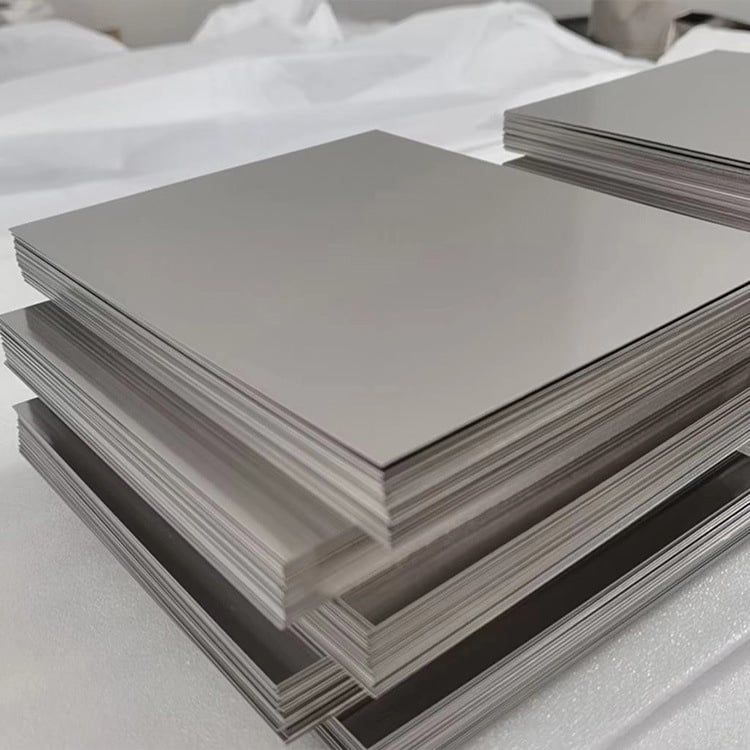
Industries worldwide have recognized the transformative impact of pure titanium plate technology in combating corrosion-related challenges. From chemical processing facilities to marine environments, these advanced materials deliver consistent performance where conventional metals fail. The growing demand for reliable, long-lasting solutions has positioned pure titanium plate applications at the forefront of modern engineering, driving innovation across multiple sectors and establishing new standards for material excellence.
Understanding Titanium's Corrosion Resistance Mechanisms
Passive Oxide Layer Formation
The exceptional corrosion resistance of a pure titanium plate originates from its natural ability to form a thin, stable oxide layer upon exposure to oxygen. This passive film, primarily composed of titanium dioxide, develops instantly when titanium contacts air or water, creating an impermeable barrier that prevents further oxidation. Unlike other metals that require external treatments, pure titanium plate surfaces naturally regenerate this protective coating when damaged, ensuring continuous protection throughout the material's service life.
This self-healing characteristic distinguishes pure titanium plate materials from conventional alternatives that rely on applied coatings or treatments. The oxide layer thickness typically ranges from 2 to 10 nanometers, yet provides remarkable protection against various corrosive agents. Research has demonstrated that even when mechanically removed, the passive layer reforms within milliseconds, maintaining the integrity of pure titanium plate applications in dynamic environments.
Chemical Stability Across pH Ranges
Pure titanium plate exhibits exceptional stability across a wide range of pH conditions, from highly acidic to strongly alkaline environments. This versatility makes it invaluable in chemical processing applications where exposure to various corrosive media is inevitable. The material maintains its protective properties in environments ranging from pH 2 to pH 12, significantly outperforming stainless steel and other commonly used alloys in similar conditions.
The chemical inertness of pure titanium plate extends beyond simple pH resistance to encompass protection against specific aggressive chemicals. Chloride ions, which readily attack most metals, show minimal impact on pure titanium plate surfaces due to the stability of the titanium dioxide layer. This resistance proves particularly valuable in marine environments and chlor-alkali production facilities where chloride exposure remains constant.
Comparative Analysis with Traditional Materials
Stainless Steel Performance Limitations
When comparing corrosion resistance, pure titanium plate consistently outperforms various grades of stainless steel in aggressive environments. While 316L stainless steel provides adequate protection in mild conditions, it experiences pitting and crevice corrosion when exposed to chloride-containing solutions above certain temperature thresholds. Pure titanium plate maintains its integrity in these same conditions, offering reliable performance at elevated temperatures and concentrated chloride levels that would compromise stainless steel components.
The economic implications of this superior performance become evident when considering lifecycle costs. Although pure titanium plate requires higher initial investment, the extended service life and reduced maintenance requirements often result in lower total ownership costs. Industries that have transitioned from stainless steel to pure titanium plate report significant reductions in unplanned downtime and replacement frequency.
Aluminum and Copper Alloy Comparisons
Aluminum alloys, while offering good corrosion resistance in atmospheric conditions, exhibit significant limitations when exposed to acidic or high-temperature environments. Pure titanium plate maintains its protective properties across temperature ranges where aluminum begins to degrade, making it the preferred choice for heat exchanger applications and high-temperature chemical processing equipment.
Copper-based alloys, traditionally used in marine applications, suffer from selective leaching and dezincification in certain environments. A pure titanium plate eliminates these concerns while providing superior mechanical properties and extended service life. The biocompatibility of pure titanium plate also offers advantages in applications where copper toxicity might pose environmental or health concerns.
Industrial Applications and Performance Benefits
Chemical Processing Industry
The chemical processing industry represents one of the largest markets for pure titanium plate applications, where exposure to corrosive chemicals demands exceptional material performance. Reactor vessels, heat exchangers, and piping systems constructed with pure titanium plate demonstrate remarkable longevity in environments containing sulfuric acid, hydrochloric acid, and various organic solvents. These installations often operate for decades without significant corrosion-related deterioration.
Production facilities utilizing pure titanium plate components report improved process reliability and reduced contamination risks. The chemical inertness ensures that pure titanium plate surfaces do not introduce metallic ions into process streams, maintaining product purity and meeting stringent quality requirements. This characteristic proves particularly valuable in pharmaceutical and food processing applications where material compatibility directly impacts product safety.
Marine and Offshore Applications
Marine environments present some of the most challenging corrosion conditions, combining saltwater exposure, temperature fluctuations, and mechanical stress. Pure titanium plate installations in offshore platforms, desalination plants, and marine vessels demonstrate exceptional performance in these demanding conditions. The material's resistance to seawater corrosion eliminates the need for cathodic protection systems typically required with steel structures.
Shipbuilding applications increasingly specify pure titanium plate for critical components such as propeller shafts, hull plating in ice-class vessels, and seawater piping systems. The weight savings achieved with pure titanium plate, combined with its corrosion resistance, contribute to improved fuel efficiency and reduced maintenance costs throughout the vessel's operational life.
Manufacturing and Quality Considerations
Production Standards and Specifications
Manufacturing high-quality pure titanium plate requires strict adherence to established industry standards and specifications. ASTM B265 and AMS specifications define the chemical composition, mechanical properties, and surface finish requirements for pure titanium plate products. These standards ensure consistent quality and performance across different manufacturers and applications, providing confidence in material selection decisions.
Quality control procedures for pure titanium plate production include comprehensive chemical analysis, mechanical testing, and surface inspection protocols. Advanced manufacturing facilities employ vacuum arc remelting and electron beam melting processes to achieve the purity levels required for demanding applications. These production methods eliminate impurities that could compromise the corrosion resistance of pure titanium plate materials.
Surface Treatment and Finishing Options
While pure titanium plate naturally develops protective oxide layers, specific surface treatments can enhance performance in particular applications. Anodization processes create thicker, more uniform oxide layers that provide additional protection and can incorporate decorative colors for identification purposes. These treatments maintain the fundamental corrosion resistance while offering customization options for specific project requirements.
Mechanical surface finishes ranging from mill finish to mirror polish accommodate different aesthetic and functional requirements. Pure titanium plate surfaces can be textured to promote adhesion in bonding applications or polished to minimize friction in sliding contact situations. The selection of appropriate surface treatments depends on the specific operating conditions and performance requirements of each application.
Economic and Environmental Advantages
Lifecycle Cost Analysis
Comprehensive lifecycle cost analysis reveals the economic advantages of pure titanium plate despite higher initial material costs. The extended service life, reduced maintenance requirements, and elimination of protective coatings contribute to favorable total cost of ownership calculations. Industries that have implemented pure titanium plate solutions report return on investment periods ranging from 3 to 7 years, depending on the severity of operating conditions.
Maintenance cost reductions represent a significant portion of the economic benefits associated with pure titanium plate installations. Traditional materials often require regular inspection, coating renewal, and component replacement due to corrosion-related degradation. Pure titanium plate components typically operate for decades with minimal maintenance, reducing both direct costs and production downtime associated with equipment servicing.
Environmental Sustainability Benefits
The environmental benefits of pure titanium plate extend beyond its exceptional durability and longevity. The material's recyclability ensures that end-of-life components can be reprocessed into new products without quality degradation. This circular economy approach reduces waste generation and minimizes the environmental impact associated with frequent component replacement.
Pure titanium plate applications contribute to improved environmental performance through reduced chemical consumption for corrosion inhibitors and protective coatings. The elimination of coating systems reduces volatile organic compound emissions and eliminates the need for hazardous waste disposal associated with coating maintenance. These factors contribute to improved environmental compliance and corporate sustainability objectives.
Future Developments and Innovations
Advanced Processing Technologies
Emerging manufacturing technologies continue to enhance the properties and reduce the costs associated with pure titanium plate production. Additive manufacturing techniques enable the creation of complex geometries that were previously impossible with traditional forming methods. These capabilities expand the potential applications for pure titanium plate while optimizing material utilization and reducing waste.
Powder metallurgy advances allow for the production of pure titanium plate components with tailored microstructures and enhanced properties. These techniques enable the integration of reinforcing elements and the creation of gradient structures that optimize performance for specific applications. The continued development of these technologies promises to expand the accessibility and cost-effectiveness of pure titanium plate solutions.
Emerging Application Areas
New application areas for pure titanium plate continue to emerge as industries recognize the benefits of superior corrosion resistance. Renewable energy systems, including geothermal power plants and offshore wind installations, increasingly specify pure titanium plate for critical components exposed to challenging environmental conditions. These applications demonstrate the versatility and reliability of pure titanium plate across diverse operating environments.
The growing hydrogen economy presents significant opportunities for pure titanium plate applications in storage, transport, and processing systems. The material's compatibility with hydrogen and resistance to hydrogen embrittlement make it an ideal choice for fuel cell components and high-pressure hydrogen storage vessels. As the hydrogen infrastructure expands, demand for pure titanium plate solutions is expected to grow substantially.
FAQ
How does pure titanium plate compare to other corrosion-resistant materials in terms of cost-effectiveness?
While pure titanium plate requires higher initial investment compared to stainless steel or aluminum alternatives, lifecycle cost analysis typically favors titanium due to extended service life and minimal maintenance requirements. The superior corrosion resistance eliminates the need for protective coatings and frequent replacements, often resulting in lower total ownership costs over the equipment's operational life. Industries operating in aggressive environments frequently achieve return on investment within 3-7 years when transitioning to pure titanium plate solutions.
What are the key factors that determine the corrosion resistance performance of pure titanium plate?
The corrosion resistance of pure titanium plate depends primarily on the formation and stability of its natural oxide layer, material purity, and environmental conditions. Higher purity grades exhibit superior performance, while surface condition and temperature affect oxide layer development. The passive titanium dioxide film provides protection across wide pH ranges and against various chemical species, with self-healing properties that maintain integrity even when mechanically damaged.
Can pure titanium plate be used in high-temperature applications while maintaining corrosion resistance?
Pure titanium plate maintains excellent corrosion resistance at elevated temperatures, typically up to 300-400°C depending on the specific environment. The material's oxide layer remains stable at these temperatures, continuing to provide protection against corrosive media. However, extended exposure above 500°C may lead to oxide thickening and potential embrittlement, so specific temperature limits should be evaluated based on the particular application requirements and environmental conditions.
What surface treatments are available to enhance the corrosion resistance of pure titanium plate?
Several surface treatment options can enhance pure titanium plate performance, including anodization, which creates thicker and more uniform oxide layers for additional protection. Shot peening and surface texturing can improve fatigue resistance while maintaining corrosion protection. Chemical etching and passivation treatments ensure optimal oxide layer formation and remove any surface contamination that might compromise performance. The selection of appropriate treatments depends on specific application requirements and operating conditions.
Table of Contents
- Understanding Titanium's Corrosion Resistance Mechanisms
- Comparative Analysis with Traditional Materials
- Industrial Applications and Performance Benefits
- Manufacturing and Quality Considerations
- Economic and Environmental Advantages
- Future Developments and Innovations
-
FAQ
- How does pure titanium plate compare to other corrosion-resistant materials in terms of cost-effectiveness?
- What are the key factors that determine the corrosion resistance performance of pure titanium plate?
- Can pure titanium plate be used in high-temperature applications while maintaining corrosion resistance?
- What surface treatments are available to enhance the corrosion resistance of pure titanium plate?