 EN
EN


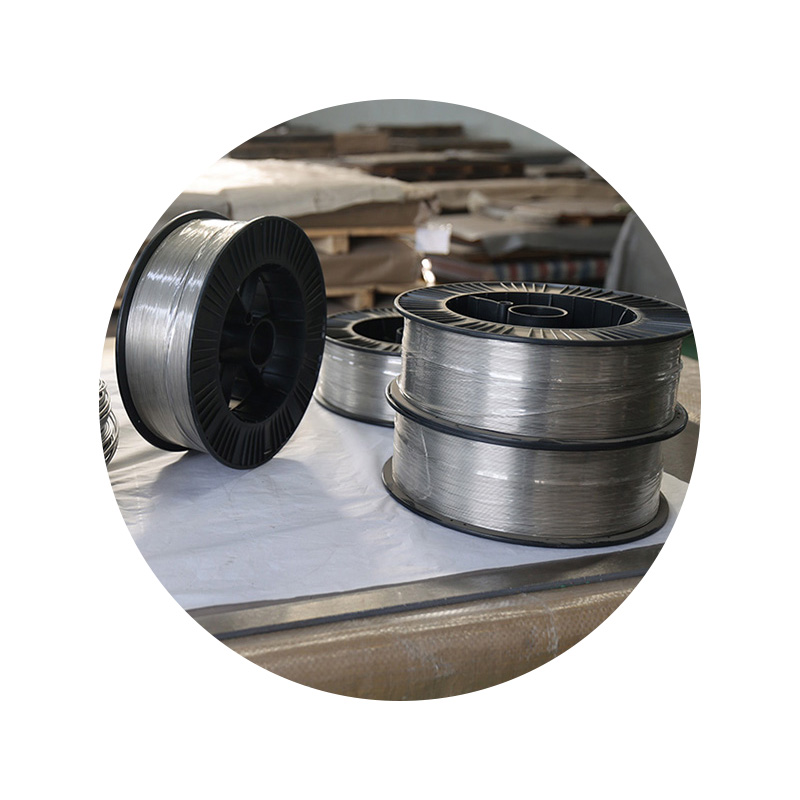
In modern engineering and manufacturing applications, the choice of wire material can significantly impact the performance, durability, and overall success of a project. Among the various metal wire options available, titanium wire has emerged as a superior choice for industries requiring exceptional reliability and performance. This remarkable material offers unique properties that set it apart from conventional metal wires, making it indispensable in aerospace, medical, automotive, and marine applications.
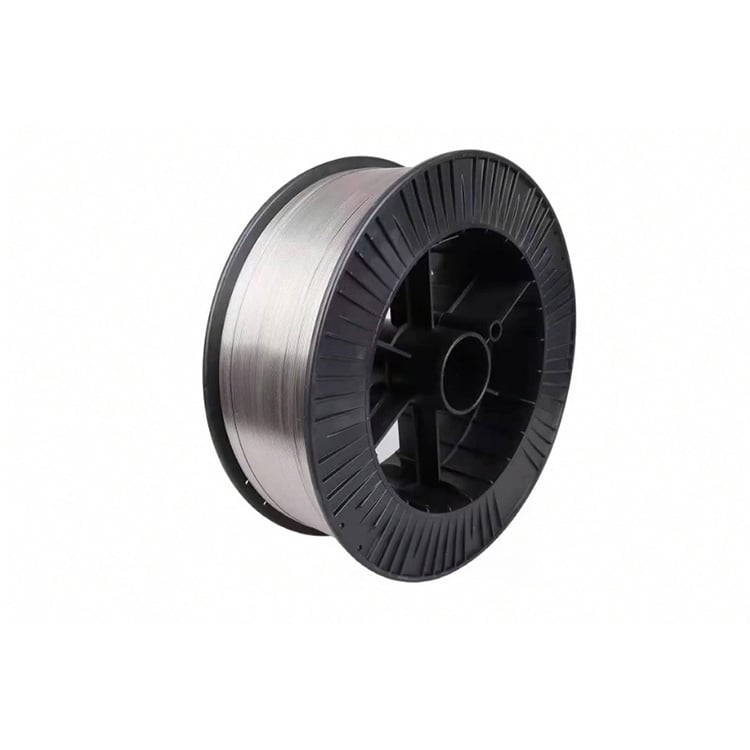
Superior Mechanical Properties of Titanium Wire
Exceptional Strength-to-Weight Ratio
The most compelling advantage of titanium wire lies in its outstanding strength-to-weight ratio, which surpasses that of steel, aluminum, and other conventional metals. This characteristic makes titanium wire an ideal choice for applications where weight reduction is critical without compromising structural integrity. In aerospace applications, every gram saved can translate to significant fuel savings and improved performance, making titanium wire the preferred material for aircraft components and spacecraft systems.
The density of titanium wire is approximately 4.5 grams per cubic centimeter, which is roughly 60% that of steel while maintaining comparable or superior tensile strength. This unique combination allows engineers to design lighter structures without sacrificing safety margins, particularly important in automotive racing applications and high-performance machinery where weight optimization directly correlates with performance enhancement.
Outstanding Fatigue Resistance
Fatigue resistance represents another critical advantage of titanium wire over alternative materials. When subjected to repeated stress cycles, titanium wire demonstrates remarkable endurance, maintaining its structural integrity far longer than steel or aluminum counterparts. This property is particularly valuable in applications involving constant vibration, cyclic loading, or dynamic stress conditions commonly encountered in industrial machinery and automotive systems.
The superior fatigue resistance of titanium wire stems from its crystalline structure and the absence of stress concentrators that typically develop in other metals over time. This characteristic translates to extended service life, reduced maintenance requirements, and enhanced operational reliability in critical applications where failure is not an option.
Unmatched Corrosion Resistance
Chemical Inertness and Environmental Stability
The exceptional corrosion resistance of titanium wire sets it apart from virtually all other metal wire options available in the market. Unlike steel, which requires protective coatings or treatments to prevent rust and corrosion, titanium wire naturally forms a protective oxide layer that shields the underlying material from environmental degradation. This passive protection remains effective even in highly aggressive environments, including saltwater, acidic conditions, and industrial chemical exposure.
This natural corrosion resistance makes titanium wire particularly valuable in marine applications, chemical processing equipment, and medical implants where long-term biocompatibility is essential. The material maintains its mechanical properties and appearance even after prolonged exposure to harsh environmental conditions that would quickly degrade other metal wires.
Performance in Extreme Environments
Titanium wire exhibits remarkable stability across a wide range of operating temperatures and environmental conditions. From cryogenic applications to high-temperature industrial processes, titanium wire maintains its structural integrity and mechanical properties where other materials would fail or require extensive protection systems. This temperature stability, combined with its corrosion resistance, makes titanium wire indispensable in power generation facilities, chemical plants, and offshore drilling operations.
The material's ability to withstand thermal cycling without degradation ensures consistent performance over extended periods, reducing the need for frequent replacements and minimizing system downtime. This reliability factor significantly contributes to the overall cost-effectiveness of titanium wire despite its higher initial investment compared to conventional alternatives.
Biocompatibility and Medical Applications
Safe Integration with Biological Systems
The biocompatibility of titanium wire represents a unique advantage that positions it as the material of choice for medical and healthcare applications. Unlike many other metals that can cause adverse reactions when implanted in the human body, titanium wire demonstrates excellent compatibility with biological tissues, minimizing the risk of rejection or inflammatory responses. This characteristic makes it essential for surgical sutures, orthodontic appliances, and various medical device components.
Medical grade titanium wire undergoes rigorous testing and certification processes to ensure its safety and effectiveness in biological environments. The material's non-toxic nature, combined with its mechanical properties, allows for the development of innovative medical solutions that improve patient outcomes and reduce complications associated with traditional metal implants.
Long-term Stability in Medical Devices
The long-term stability of titanium wire in medical applications cannot be overstated. When used in permanent implants or long-term medical devices, titanium wire maintains its properties without degradation, ensuring consistent performance throughout the device's intended lifespan. This reliability is crucial for pacemaker leads, spinal fusion hardware, and other critical medical applications where material failure could have serious consequences for patient health and safety.
Furthermore, the radiolucent properties of titanium wire allow for clear medical imaging without interference, enabling healthcare professionals to monitor patient progress and device performance using standard diagnostic equipment. This transparency in medical imaging represents an additional advantage over other metal alternatives that may obstruct or distort imaging results.
Industrial Applications and Manufacturing Advantages
Precision Manufacturing and Workability
Despite its exceptional properties, titanium wire demonstrates excellent workability and can be precisely manufactured to meet specific dimensional and performance requirements. Modern manufacturing techniques allow for the production of titanium wire in various diameters, from ultra-fine medical grade wire to heavy-duty industrial applications. This versatility in manufacturing enables engineers and designers to optimize their applications without compromising on material performance.
The cold working characteristics of titanium wire allow for forming and shaping operations without significant loss of mechanical properties, making it suitable for complex geometries and specialized applications. Advanced manufacturing processes ensure consistent quality and dimensional accuracy, critical factors in precision engineering and high-reliability applications.
Cost-Effectiveness Through Lifecycle Analysis
While the initial cost of titanium wire may be higher than conventional alternatives, a comprehensive lifecycle analysis reveals its superior cost-effectiveness over time. The extended service life, reduced maintenance requirements, and elimination of protective coatings or treatments result in significant long-term savings. Additionally, the weight savings achieved through titanium wire usage can translate to operational cost reductions in transportation and energy-intensive applications.
The reliability and durability of titanium wire minimize the risk of unexpected failures and associated costs, including downtime, emergency repairs, and potential liability issues. This risk mitigation factor adds substantial value to the investment in titanium wire, particularly in critical applications where failure consequences extend beyond simple replacement costs.
Future Developments and Innovation
Advanced Alloy Formulations
Ongoing research and development in titanium wire technology continue to push the boundaries of performance and application possibilities. Advanced alloy formulations are being developed to enhance specific properties such as electrical conductivity, magnetic permeability, or specialized environmental resistance. These innovations expand the potential applications for titanium wire while maintaining its fundamental advantages in strength, corrosion resistance, and biocompatibility.
The development of new manufacturing processes and treatment methods also contributes to improved performance characteristics and cost optimization. Surface treatments, heat treatment protocols, and precision forming techniques continue to evolve, enabling even more demanding applications and performance requirements to be met with titanium wire solutions.
Emerging Application Areas
As technology advances, new application areas for titanium wire continue to emerge across various industries. From renewable energy systems to advanced electronics and nanotechnology applications, the unique properties of titanium wire position it as a key enabling material for next-generation technologies. The material's combination of electrical properties, mechanical strength, and environmental resistance makes it particularly suitable for emerging applications in sustainable technology and advanced manufacturing.
The aerospace industry continues to drive innovation in titanium wire applications, with new spacecraft designs and propulsion systems requiring materials that can withstand extreme conditions while maintaining minimal weight. Similarly, the automotive industry's shift toward electric vehicles creates new opportunities for titanium wire in battery systems, electric motor components, and lightweight structural applications.
FAQ
What makes titanium wire more expensive than other metal wires
The higher cost of titanium wire compared to conventional metals stems from several factors including the complex extraction and refinement processes required to produce pure titanium, specialized manufacturing equipment needed for wire drawing operations, and the relatively smaller production volumes compared to steel or aluminum. However, the total cost of ownership often favors titanium wire due to its extended service life, reduced maintenance requirements, and elimination of protective coatings or treatments that other metals require.
Can titanium wire be welded or joined using conventional methods
Titanium wire can be successfully welded and joined using specialized techniques and equipment designed for reactive metals. The process requires inert gas shielding, typically argon, to prevent contamination during welding operations. While conventional welding methods used for steel may not be directly applicable, trained technicians using appropriate equipment can achieve high-quality joints with titanium wire that maintain the material's superior properties and performance characteristics.
How does the electrical conductivity of titanium wire compare to copper or aluminum
Titanium wire has lower electrical conductivity compared to copper or aluminum, making it less suitable for primary electrical conductor applications. However, its unique combination of mechanical properties, corrosion resistance, and biocompatibility makes it valuable for specialized electrical applications where these characteristics are more important than maximum conductivity. In applications requiring both electrical function and superior mechanical or environmental performance, titanium wire often represents the optimal choice despite its lower conductivity.
What quality standards and certifications apply to titanium wire products
Titanium wire products are subject to various industry standards and certifications depending on their intended application. Medical grade titanium wire must comply with FDA regulations and ISO standards for biocompatible materials, while aerospace applications require adherence to strict military and aviation specifications. Industrial applications typically follow ASTM standards for titanium products, ensuring consistent quality, dimensional accuracy, and performance characteristics across different manufacturers and suppliers.