 EN
EN

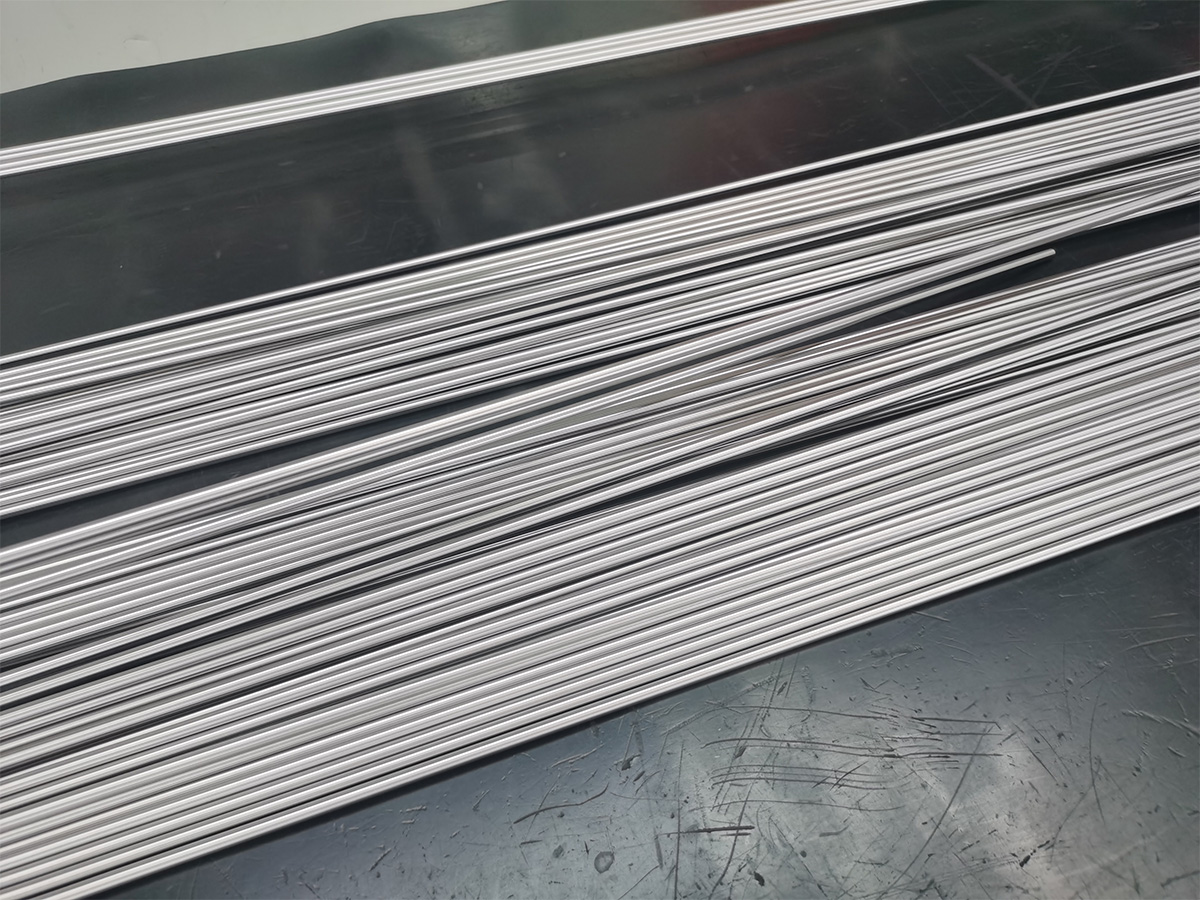
Corrosion resistance stands as one of the most critical factors when selecting materials for industrial applications, particularly in harsh environments where traditional metals fail to deliver long-term performance. The introduction of titanium wire into various manufacturing processes has revolutionized how engineers approach corrosion-prone applications, offering unprecedented durability and reliability. This advanced material combines exceptional strength-to-weight ratios with outstanding chemical resistance, making it an ideal solution for industries ranging from aerospace to marine engineering. Understanding the mechanisms behind titanium wire's superior corrosion resistance enables manufacturers to make informed decisions about material selection and optimize their product designs for maximum longevity.
Understanding Titanium Wire's Corrosion Resistance Properties
The Science Behind Titanium's Protective Oxide Layer
The exceptional corrosion resistance of titanium wire stems from its ability to form a stable, self-healing oxide layer when exposed to oxygen. This thin, transparent film of titanium dioxide (TiO2) acts as a protective barrier that prevents further oxidation and corrosion of the underlying metal. Unlike iron-based materials that develop rust and continue to deteriorate, the oxide layer on titanium wire remains intact and actually strengthens over time. This passive layer forms instantly upon exposure to air or moisture and can regenerate itself if damaged, providing continuous protection throughout the material's service life.
The molecular structure of this oxide layer contributes significantly to its protective qualities. The TiO2 film adheres strongly to the titanium substrate, creating an impermeable barrier against corrosive agents. Research has shown that this layer typically measures between 2-10 nanometers in thickness, yet it provides remarkable resistance to chemical attack. The stability of this oxide layer remains consistent across a wide range of pH levels and temperatures, making titanium wire suitable for diverse environmental conditions where other metals would quickly degrade.
Chemical Stability in Aggressive Environments
Titanium wire demonstrates remarkable chemical stability when exposed to acids, alkalis, and salt solutions that would rapidly corrode conventional metals. The material shows excellent resistance to sulfuric acid, nitric acid, and hydrochloric acid at concentrations and temperatures that would destroy stainless steel components. This chemical inertness makes titanium wire particularly valuable in chemical processing equipment, where exposure to corrosive substances is inevitable. The wire maintains its structural integrity and electrical properties even after prolonged exposure to these harsh chemicals.
In marine environments, where saltwater corrosion presents significant challenges, titanium wire outperforms virtually all other metallic materials. The chloride ions present in seawater, which are particularly aggressive toward most metals, have minimal effect on properly manufactured titanium wire. This superior performance in chloride-rich environments has led to widespread adoption in offshore drilling equipment, marine hardware, and desalination plants where corrosion resistance is paramount for operational success and safety.
Industrial Applications Leveraging Superior Corrosion Resistance
Aerospace and Defense Applications
The aerospace industry has embraced titanium wire for critical applications where weight reduction and corrosion resistance must coexist. Aircraft operating in coastal areas face constant exposure to salt spray, while military vessels encounter even more aggressive marine environments. Titanium wire components in these applications maintain their performance characteristics without the need for protective coatings or frequent replacement schedules. The material's ability to withstand thermal cycling and mechanical stress while maintaining corrosion resistance makes it indispensable for aircraft fasteners, control cables, and structural elements.
Defense applications particularly benefit from titanium wire in situations where failure is not an option. Submarine components, radar systems, and communication equipment rely on the material's ability to function reliably in harsh environments for extended periods. The long-term cost benefits of reduced maintenance and replacement cycles often justify the higher initial investment in titanium wire components, especially in mission-critical applications where downtime is unacceptable.
Chemical Processing and Industrial Equipment
Chemical processing facilities utilize titanium wire in heat exchangers, reaction vessels, and piping systems where traditional materials would require frequent replacement due to corrosion. The material's resistance to a broad spectrum of chemicals eliminates the need for expensive protective coatings and reduces maintenance schedules significantly. Process engineers value titanium wire for its ability to maintain dimensional stability and surface finish even after years of exposure to corrosive process fluids.
Power generation facilities, particularly those using seawater cooling systems, have adopted titanium wire for condenser tubing and associated hardware. The material's performance in these applications has demonstrated substantial reductions in maintenance costs and improved system reliability. Nuclear power plants utilize titanium wire in cooling systems and waste processing equipment, where both corrosion resistance and nuclear compatibility are essential requirements.
Manufacturing Considerations for Optimal Corrosion Resistance
Alloy Composition and Purity Requirements
The corrosion resistance of titanium wire depends heavily on the purity of the base material and the specific alloy composition used in manufacturing. Commercial pure titanium grades offer excellent corrosion resistance for most applications, while specialized alloys provide enhanced performance in specific environments. Grade 2 titanium wire, for example, offers an optimal balance of corrosion resistance, formability, and cost-effectiveness for general industrial applications. Higher-grade alloys incorporate elements like palladium or ruthenium to improve performance in reducing acid environments.
Manufacturing processes must maintain strict quality control to prevent contamination that could compromise the material's corrosion resistance. Iron contamination, even in trace amounts, can create galvanic couples that promote localized corrosion. Advanced melting techniques and careful handling procedures ensure that titanium wire maintains its inherent corrosion resistance properties throughout the production process. Quality assurance protocols typically include chemical analysis, microstructural examination, and corrosion testing to verify performance standards.
Surface Finish and Treatment Considerations
The surface condition of titanium wire significantly influences its corrosion resistance performance in service. Smooth, clean surfaces promote the formation of uniform oxide layers that provide optimal protection against corrosive attack. Surface treatments such as passivation can enhance the protective oxide layer and improve long-term performance in specific environments. However, excessive surface roughness or contamination can create sites for localized corrosion initiation, potentially compromising the material's otherwise excellent resistance properties.
Proper cleaning and handling procedures during installation and service are crucial for maintaining the corrosion resistance of titanium wire components. Contamination from carbon steel tools or exposure to chlorinated cleaning compounds can create conditions that promote crevice corrosion or stress corrosion cracking. Industry best practices recommend using dedicated tools and appropriate cleaning methods to preserve the material's protective properties throughout its service life.
Performance Comparison with Alternative Materials
Stainless Steel vs Titanium Wire Performance
While stainless steel offers good corrosion resistance in many applications, titanium wire consistently outperforms even the highest-grade stainless alloys in chloride-rich environments. Stainless steel's passive layer can break down in the presence of chloride ions, leading to pitting and crevice corrosion that can cause catastrophic failure. Titanium wire maintains its protective oxide layer even in concentrated chloride solutions, providing reliable performance where stainless steel would fail. This superior performance becomes particularly evident in seawater applications, where titanium wire can operate indefinitely without protective coatings.
The galvanic compatibility of titanium wire also surpasses that of stainless steel in mixed-material systems. While stainless steel can experience accelerated corrosion when coupled with more noble metals, titanium wire's position in the galvanic series provides favorable compatibility with most engineering materials. This characteristic allows designers to incorporate titanium wire into existing systems without creating galvanic corrosion issues that could compromise overall system integrity.
Cost-Benefit Analysis of Titanium Wire Implementation
Although titanium wire carries a higher initial cost compared to conventional materials, the total cost of ownership often favors titanium in corrosion-prone applications. Reduced maintenance requirements, extended service life, and improved system reliability contribute to significant long-term savings. Industries that have adopted titanium wire report substantial reductions in unplanned downtime and emergency repair costs, factors that often dwarf the initial material premium over the equipment's operational lifetime.
The environmental benefits of using titanium wire also contribute to its overall value proposition. The material's longevity reduces the need for frequent replacements, minimizing waste generation and resource consumption. Additionally, titanium's biocompatibility and chemical inertness eliminate concerns about toxic leaching or environmental contamination that may arise with other corrosion-resistant materials or protective coatings.
Future Developments in Titanium Wire Technology
Advanced Alloy Development
Ongoing research in titanium alloy development continues to push the boundaries of corrosion resistance performance. New alloy compositions incorporating trace amounts of precious metals show promise for enhanced resistance in reducing acid environments where conventional titanium wire may experience limitations. These developments aim to expand the application range while maintaining the material's excellent mechanical properties and manufacturing characteristics.
Additive manufacturing techniques are opening new possibilities for titanium wire applications, allowing for complex geometries and optimized designs that were previously impossible with conventional manufacturing methods. These advanced production techniques enable the creation of components with enhanced surface area for heat transfer applications while maintaining superior corrosion resistance throughout the structure.
Smart Monitoring and Predictive Maintenance
The integration of sensors and monitoring systems with titanium wire installations enables real-time assessment of corrosion conditions and performance degradation. Advanced diagnostic techniques can detect early signs of environmental changes that might affect long-term performance, allowing for proactive maintenance interventions. This technology represents the next evolution in corrosion management, combining titanium wire's inherent resistance with intelligent monitoring systems.
Predictive modeling based on environmental data and material performance history is becoming increasingly sophisticated, enabling engineers to optimize titanium wire selection and application strategies. These tools help identify the most appropriate grades and configurations for specific service conditions, maximizing performance while minimizing costs across diverse industrial applications.
FAQ
What makes titanium wire more corrosion-resistant than other metals?
Titanium wire forms a stable, self-healing oxide layer (TiO2) that acts as a protective barrier against corrosive agents. This thin film regenerates itself if damaged and provides continuous protection throughout the material's service life, unlike other metals that continue to corrode once their protective layers are compromised.
Can titanium wire be used in all corrosive environments?
While titanium wire offers excellent corrosion resistance in most environments, it may experience limitations in certain reducing acids like hydrofluoric acid or hot concentrated sulfuric acid. Specific alloy grades and environmental conditions should be carefully evaluated to ensure optimal performance in each application.
How does the cost of titanium wire compare to maintenance savings?
Although titanium wire has a higher initial cost than conventional materials, the total cost of ownership often favors titanium due to reduced maintenance requirements, extended service life, and improved system reliability. Many industries report significant long-term savings that justify the initial investment premium.
What surface treatments are recommended for titanium wire?
Titanium wire typically requires minimal surface treatment due to its natural oxide layer formation. Passivation treatments can enhance performance in specific environments, but proper cleaning and contamination prevention during installation and service are more critical for maintaining optimal corrosion resistance properties.