Titanium Metal Price: Comprehensive Guide to Market Dynamics and Industry Applications

Get a Free Quote

Our representative will contact you soon.
Email
Name
Company Name
Message
0/1000

titanium metal price

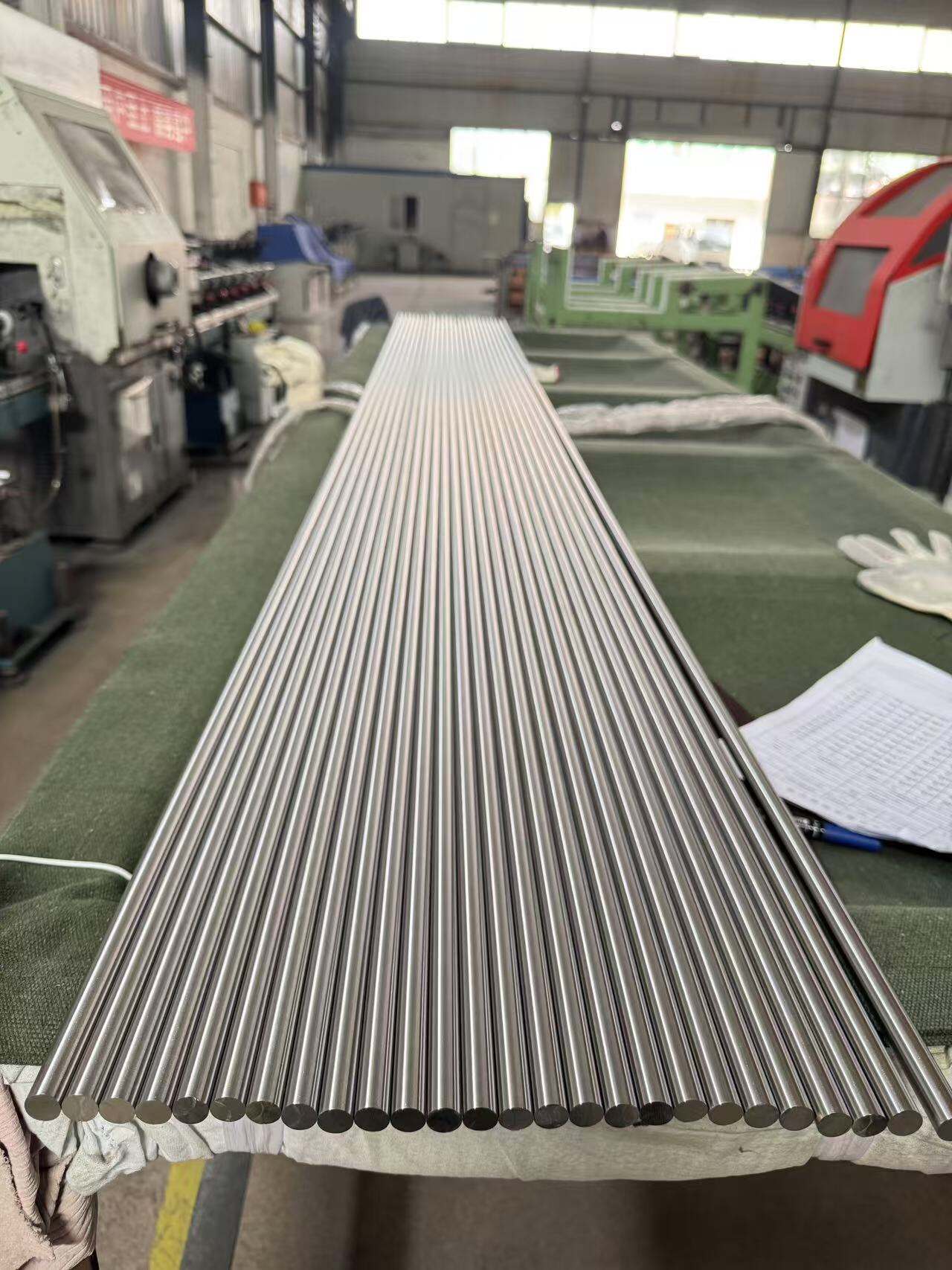
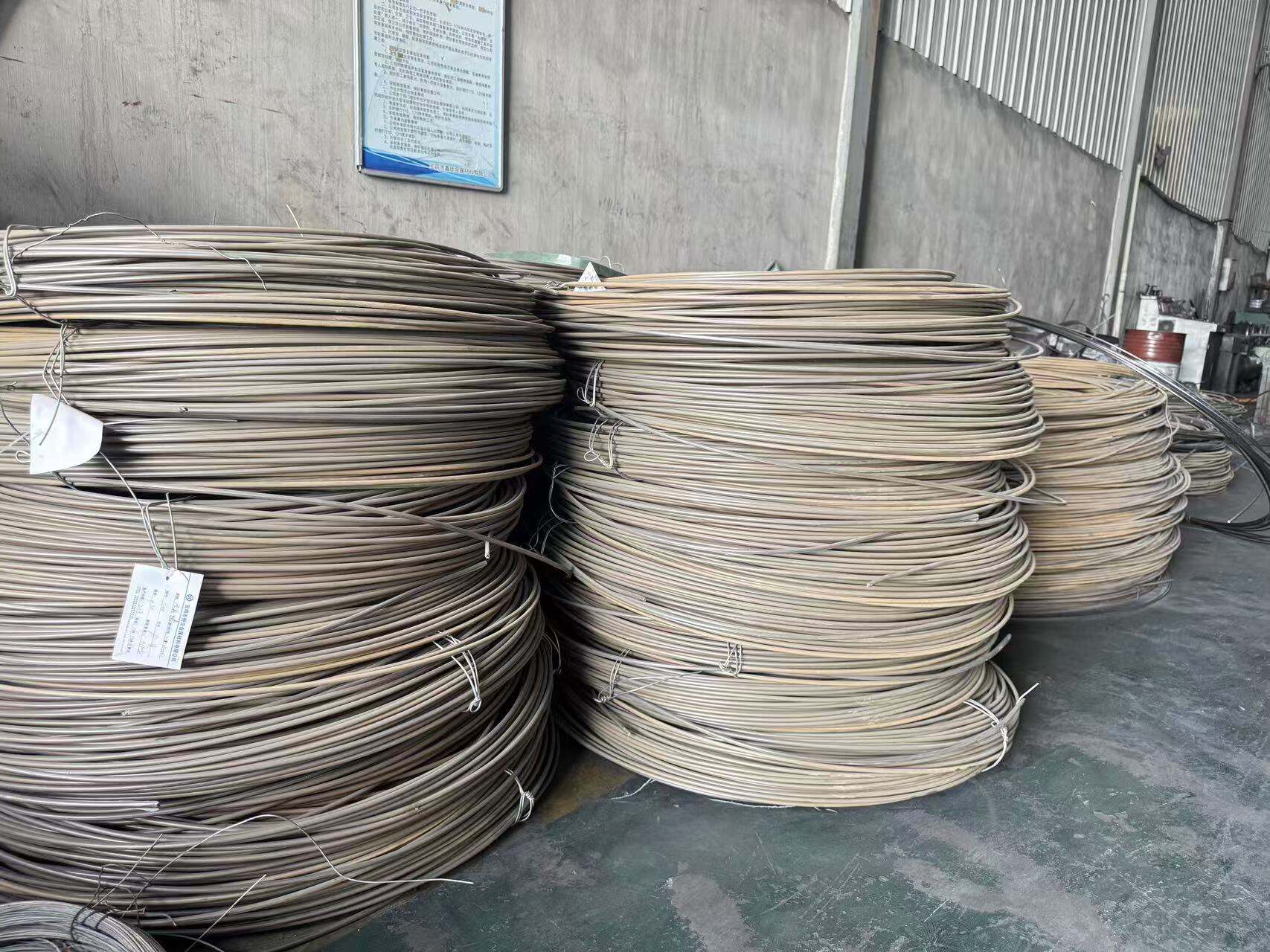
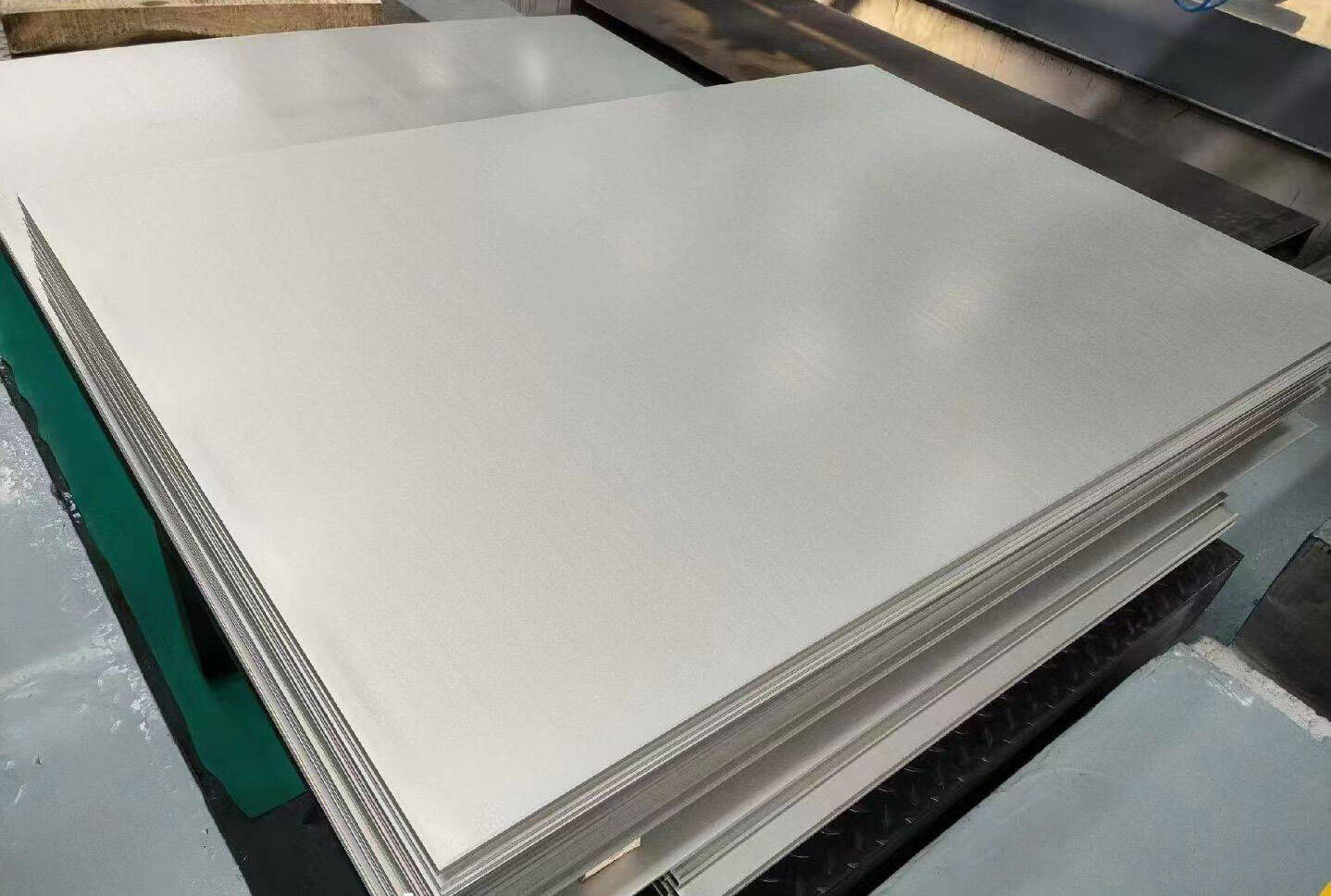
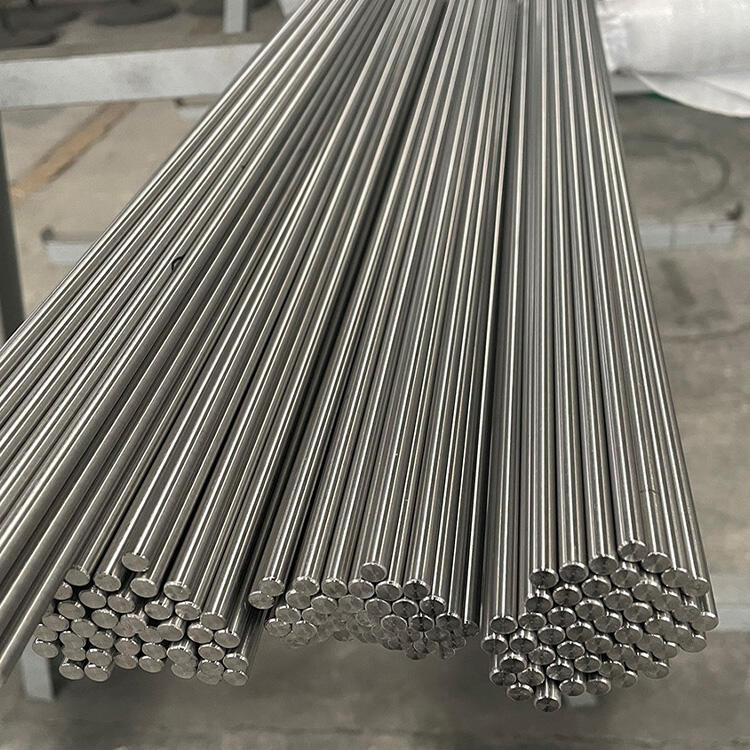
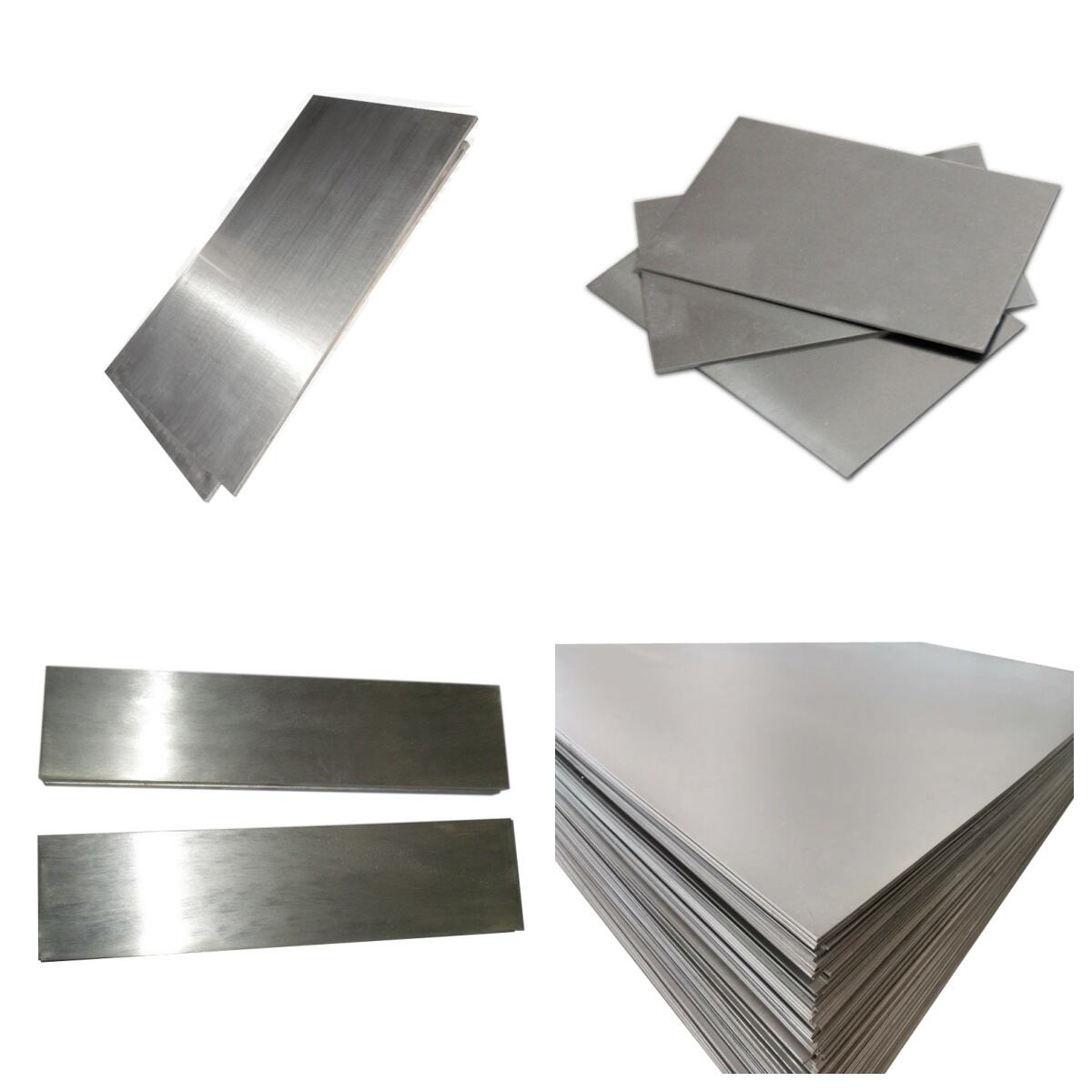
The titanium metal price represents a crucial economic indicator in the global metals market, reflecting the intricate balance between supply, demand, and technological advancement. Titanium, known for its exceptional strength-to-weight ratio and corrosion resistance, commands premium pricing due to its sophisticated extraction and processing requirements. The price fluctuates based on various factors, including raw material availability, production costs, and market demand across aerospace, medical, and industrial sectors. Currently, titanium metal prices are influenced by technological innovations in extraction methods, global supply chain dynamics, and increasing demand from emerging industries. The metal's unique properties make it indispensable in manufacturing aircraft components, medical implants, and high-performance industrial equipment. Market analysts closely monitor titanium metal prices as they serve as a barometer for industrial growth and technological development. The pricing structure typically varies based on grade purity, form (ingot, plate, or powder), and quantity ordered. Recent trends show a steady increase in prices due to growing demand in aerospace and medical applications, coupled with limited processing facilities worldwide.

Popular Products

The titanium metal price structure offers several distinct advantages for businesses and industries. First, it provides a transparent market mechanism that reflects real-time supply and demand dynamics, enabling buyers to make informed procurement decisions. The pricing system accommodates different grades and forms of titanium, allowing customers to optimize their purchases based on specific application requirements and budget constraints. The current pricing model also incentivizes technological innovation in production methods, leading to more efficient extraction and processing techniques that may eventually reduce costs. For bulk buyers, the pricing structure often includes volume discounts and long-term contract options, providing cost predictability and supply security. The market-driven nature of titanium pricing ensures quality standards remain high while encouraging competition among suppliers. Additionally, the price variations between different titanium grades help industries choose the most cost-effective option for their specific needs without compromising on essential properties. The pricing system also reflects the metal's sustainability value, as titanium's durability and recyclability contribute to lower lifecycle costs despite higher initial investment. For medical and aerospace industries, the premium pricing is justified by titanium's unmatched performance characteristics and reliability. The pricing structure also supports ongoing research and development in titanium processing, leading to new applications and improved production efficiency.

Practical Tips

About titanium

19

Sep

About titanium

View More
How to ensure the purity of a titanium bar?

19

Sep

How to ensure the purity of a titanium bar?

View More
What is the Difference Between Gr2 and Gr5 Titanium?

19

Sep

What is the Difference Between Gr2 and Gr5 Titanium?

View More
Difference between ASTM F67 and ASTM F136

19

Sep

Difference between ASTM F67 and ASTM F136

View More

Get a Free Quote

Our representative will contact you soon.
Email
Name
Company Name
Message
0/1000

titanium metal price

Market Dynamics and Price Stability

Market Dynamics and Price Stability

The titanium metal price demonstrates remarkable stability compared to other industrial metals, primarily due to its controlled supply chain and consistent demand from key industries. This stability is reinforced by long-term contracts between major producers and consumers, particularly in the aerospace sector. The pricing mechanism incorporates various factors including production costs, market demand, and geopolitical influences, creating a balanced and predictable market environment. This stability benefits both suppliers and consumers, allowing for better planning and risk management. The market's maturity has led to established pricing benchmarks that serve as reliable indicators for industry participants, while still maintaining enough flexibility to respond to changing market conditions.
Grade-Based Pricing Structure

Grade-Based Pricing Structure

Titanium's grade-based pricing structure represents a sophisticated system that accurately reflects the metal's quality and intended application. Different grades command varying prices based on purity levels, processing requirements, and certified specifications. This tiered pricing approach ensures that customers pay for exactly the quality level they need, optimizing cost efficiency across various applications. The structure accommodates everything from commercial-grade titanium used in industrial applications to high-purity grades required for medical implants and aerospace components. This differentiation in pricing helps maintain quality standards while providing options for diverse budget requirements.
Global Supply Chain Impact

Global Supply Chain Impact

The titanium metal price is significantly influenced by global supply chain dynamics, reflecting the international nature of titanium production and consumption. The pricing structure accounts for transportation costs, import/export regulations, and regional demand variations. This global perspective ensures competitive pricing while maintaining supply security through diversified sourcing options. The international market also promotes healthy competition among producers, driving innovation and efficiency improvements in production processes. Understanding these global factors is crucial for buyers in negotiating favorable terms and maintaining reliable supply relationships.

Get a Free Quote

Our representative will contact you soon.
Email
Name
Company Name
Message
0/1000