Premium Titanium Alloy Plates: Superior Performance and Cost-Effective Solutions for Industrial Applications

Get a Free Quote

Our representative will contact you soon.
Email
Name
Company Name
Message
0/1000

titanium alloy plate price

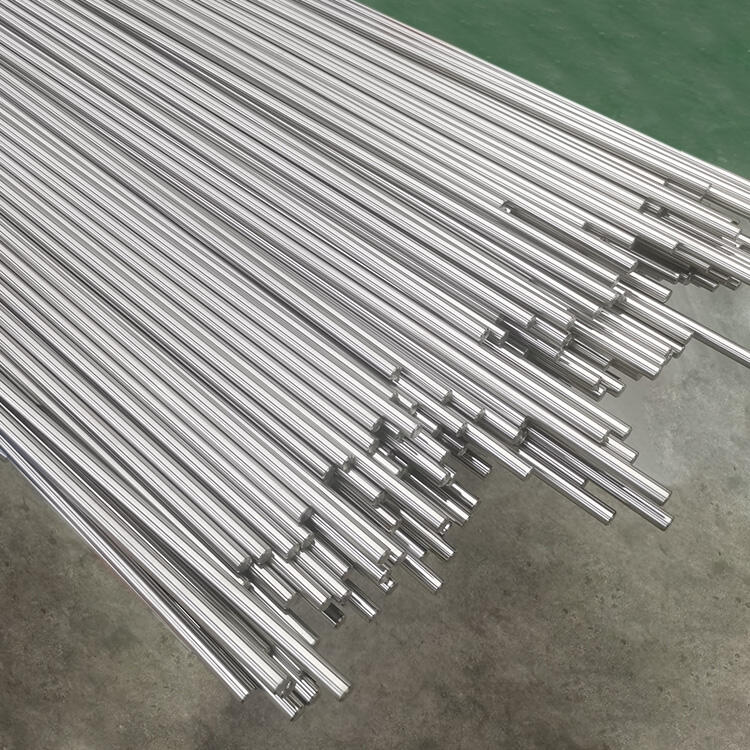
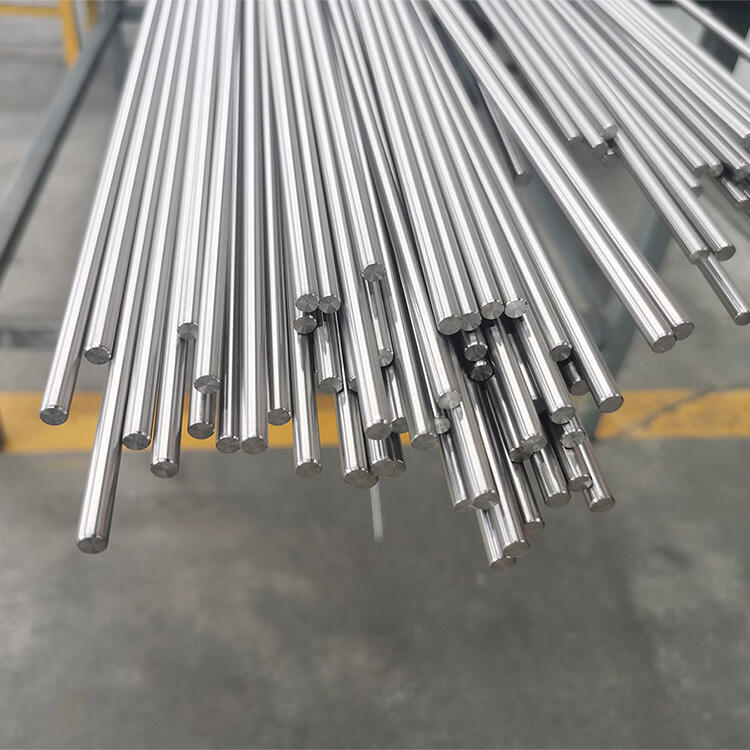
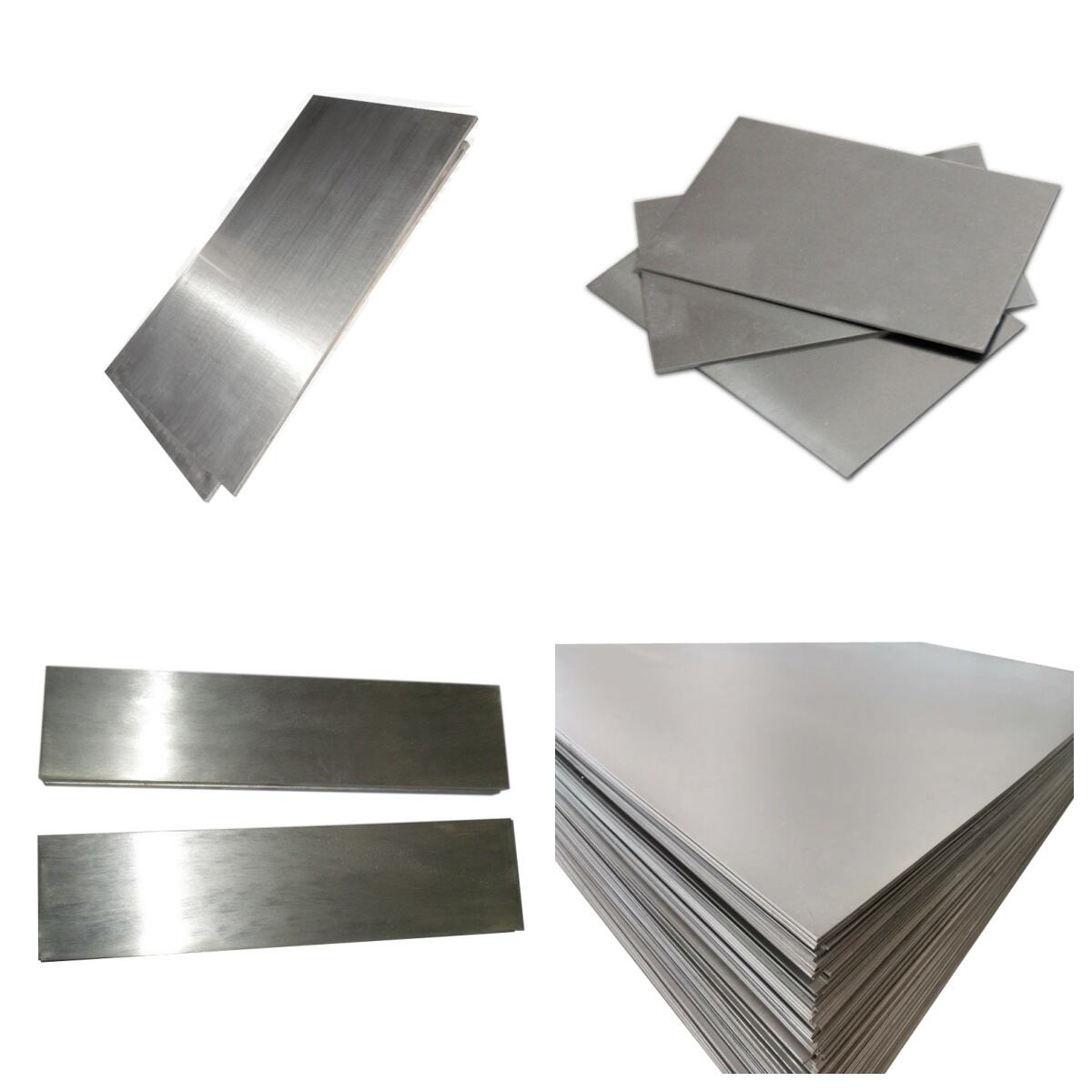
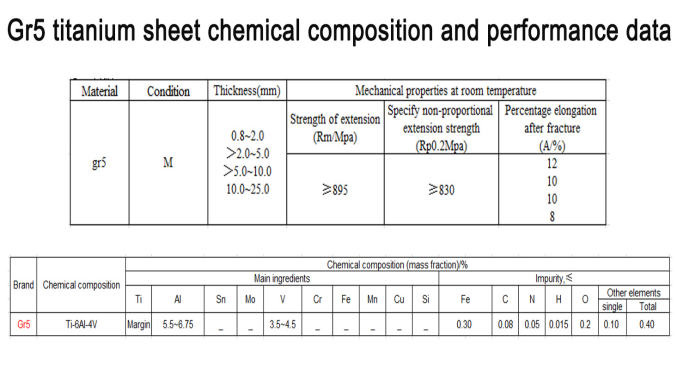
The titanium alloy plate price reflects a complex interplay of material quality, manufacturing processes, and market demands. These high-performance plates, crafted from premium-grade titanium alloys, offer an exceptional combination of strength, durability, and corrosion resistance. The pricing structure typically varies based on factors such as plate thickness, grade specification, surface treatment, and quantity ordered. Premium grades like Ti-6Al-4V command higher prices due to their superior mechanical properties and extensive application potential. Market prices generally range from $20 to $200 per kilogram, depending on these variables. The manufacturing process, involving sophisticated techniques like vacuum arc remelting and precise temperature control, contributes significantly to the final cost. These plates find extensive use in aerospace, medical implants, chemical processing, and marine applications, where their unique properties justify the investment. The global supply chain dynamics, raw material availability, and energy costs also influence the pricing structure. Despite the higher initial cost compared to conventional materials, the long-term value proposition remains strong due to extended service life and reduced maintenance requirements.

New Product Recommendations

The titanium alloy plate price structure offers several compelling advantages that justify the investment. Firstly, the exceptional strength-to-weight ratio translates into significant operational cost savings, particularly in transportation and handling. The material's inherent corrosion resistance eliminates the need for expensive protective coatings and reduces maintenance frequency, resulting in lower lifetime costs. The biocompatibility of certain grades makes them ideal for medical applications, where the initial cost is offset by improved patient outcomes and reduced risk of complications. In industrial applications, the high temperature resistance and chemical stability ensure extended service life, minimizing replacement frequency and associated downtime costs. The material's ability to maintain structural integrity under extreme conditions reduces the risk of failure and associated liability costs. From an environmental perspective, the longer service life and recyclability contribute to sustainability goals. The price point also reflects the material's versatility, allowing for customization through various surface treatments and finishing options. The stable price trajectory, compared to more volatile alternatives, enables better long-term planning and budgeting. Additionally, the growing market competition and technological advancements in manufacturing processes are gradually making these plates more cost-effective, particularly for bulk orders and long-term contracts.

Practical Tips

About titanium

19

Sep

About titanium

View More
How to ensure the purity of a titanium bar?

19

Sep

How to ensure the purity of a titanium bar?

View More
What is the Difference Between Gr2 and Gr5 Titanium?

19

Sep

What is the Difference Between Gr2 and Gr5 Titanium?

View More
Difference between ASTM F67 and ASTM F136

19

Sep

Difference between ASTM F67 and ASTM F136

View More

Get a Free Quote

Our representative will contact you soon.
Email
Name
Company Name
Message
0/1000

titanium alloy plate price

Cost-Effective Performance in Demanding Applications

Cost-Effective Performance in Demanding Applications

Titanium alloy plates demonstrate exceptional value when considering their performance in demanding applications. The initial price point, while higher than conventional materials, delivers substantial returns through extended service life and reduced maintenance requirements. In aerospace applications, the material's high strength-to-weight ratio results in fuel savings that can offset the initial investment within a few years of operation. The plates' ability to withstand extreme temperatures and corrosive environments eliminates the need for frequent replacements, reducing both direct material costs and associated labor expenses. This durability is particularly valuable in chemical processing facilities, where equipment downtime can result in significant production losses.
Quality and Certification Standards Impact on Pricing

Quality and Certification Standards Impact on Pricing

The price of titanium alloy plates reflects strict adherence to international quality standards and certification requirements. Each plate undergoes rigorous testing and documentation processes, ensuring compliance with industry-specific regulations. This quality assurance system includes comprehensive material traceability, which is crucial for aerospace and medical applications. The certification process involves sophisticated testing equipment and skilled personnel, contributing to the overall cost structure. However, this investment in quality control minimizes the risk of material failure and associated liability costs. The standardization also ensures consistency across batches, facilitating reliable performance predictions and maintenance scheduling.
Market Dynamics and Supply Chain Considerations

Market Dynamics and Supply Chain Considerations

The titanium alloy plate price is influenced by complex market dynamics and supply chain factors. Raw material availability, energy costs, and production capacity all play crucial roles in price determination. The global nature of the supply chain means that geopolitical events and trade policies can impact pricing. However, established suppliers maintain strategic reserves and long-term contracts to stabilize prices for their customers. The growing demand from emerging industries, particularly in renewable energy and electric vehicles, is driving economies of scale in production. This market expansion is gradually leading to more competitive pricing structures, especially for standard grades and common specifications. The development of more efficient manufacturing processes and recycling programs is also helping to optimize the cost structure.

Get a Free Quote

Our representative will contact you soon.
Email
Name
Company Name
Message
0/1000