Premium Quality Titanium Bars: High-Performance Engineering Material for Advanced Applications

Get a Free Quote

Our representative will contact you soon.
Email
Name
Company Name
Message
0/1000

quality titanium bar

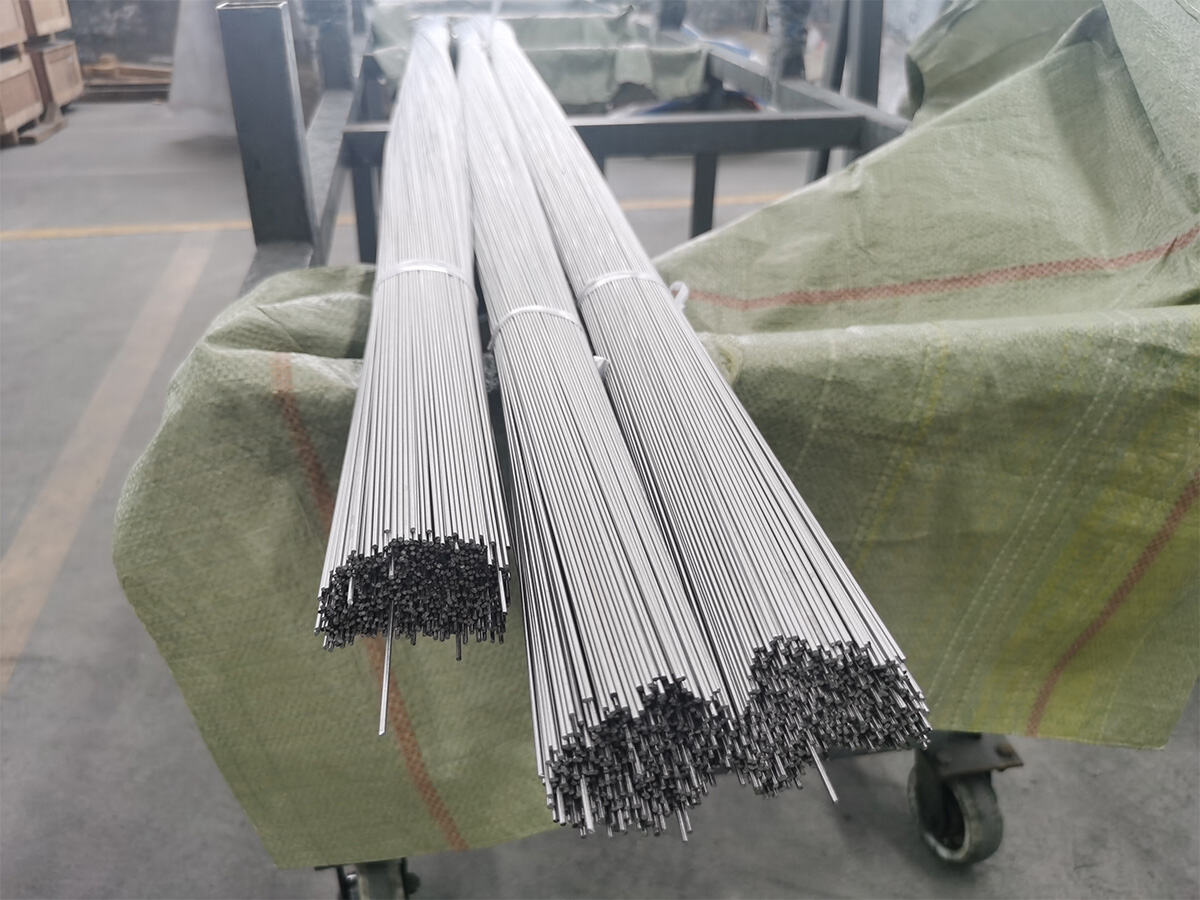
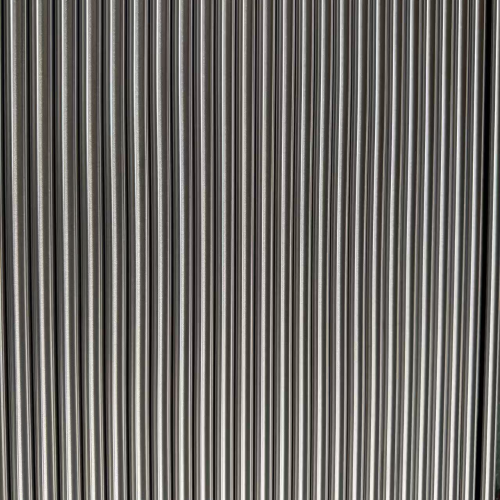
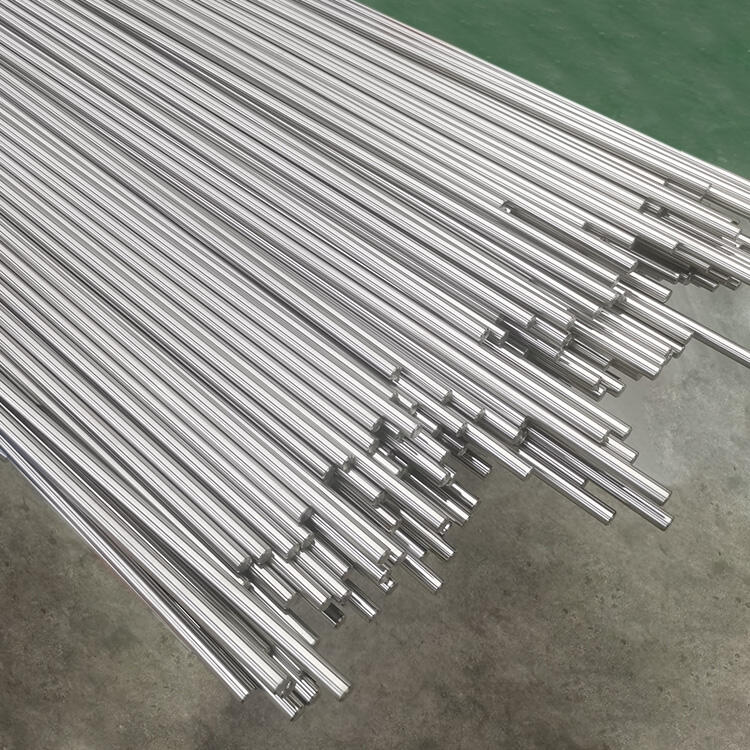
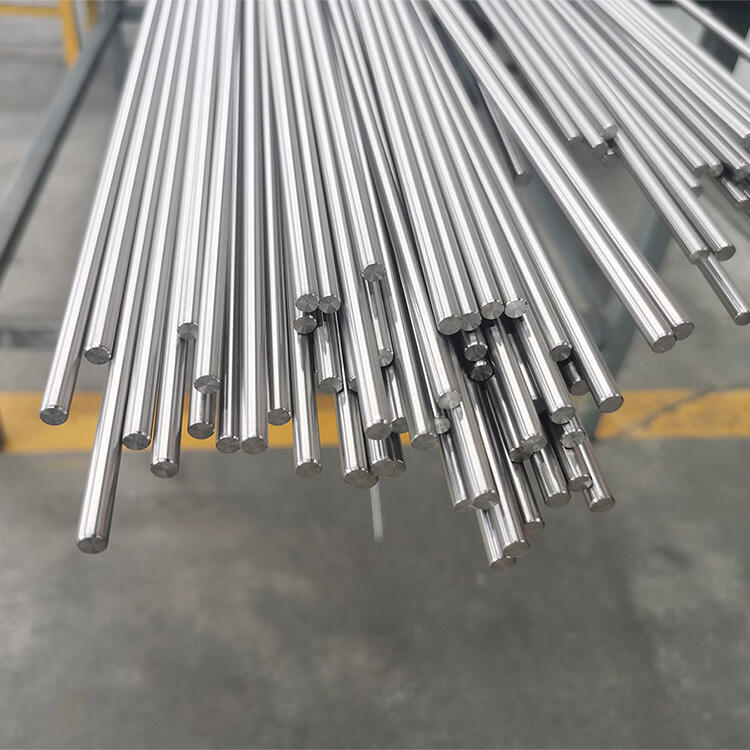
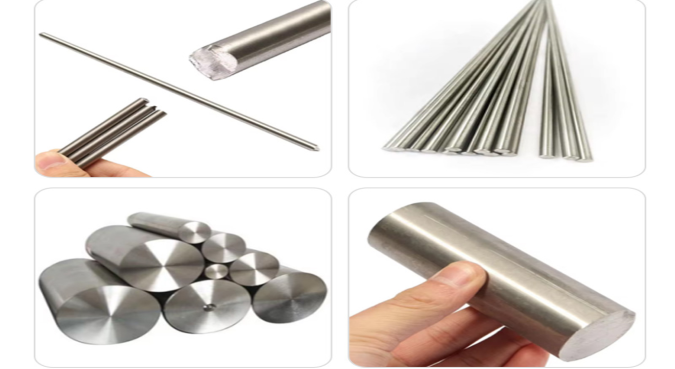
Quality titanium bars represent a pinnacle of modern metallurgical engineering, offering an exceptional combination of strength, lightweight properties, and corrosion resistance. These precision-manufactured components are produced through advanced processing techniques that ensure consistent material properties throughout the entire length of the bar. With a tensile strength comparable to steel but weighing approximately 45% less, titanium bars have become indispensable in various high-performance applications. The manufacturing process involves careful control of temperature and atmospheric conditions to prevent contamination and maintain the material's superior characteristics. These bars are available in various grades, including commercially pure titanium and specialized alloys, each engineered to meet specific industry requirements. The surface finish can be customized from mill finish to precision ground, accommodating diverse application needs. Quality titanium bars demonstrate remarkable fatigue resistance and maintain their structural integrity across a wide temperature range, from cryogenic conditions to elevated temperatures reaching 600°C. Their biocompatibility makes them particularly valuable in medical applications, while their excellent strength-to-weight ratio has established them as a crucial material in aerospace and marine engineering.

New Product Recommendations

Quality titanium bars offer numerous compelling advantages that make them the material of choice for demanding applications. First and foremost, their exceptional strength-to-weight ratio provides engineers and designers with the ability to create lighter yet robust structures without compromising on structural integrity. The natural formation of a protective oxide layer ensures outstanding corrosion resistance, eliminating the need for additional protective coatings and reducing long-term maintenance costs. These bars exhibit remarkable dimensional stability across varying temperature conditions, maintaining their mechanical properties even in extreme environments. Their non-magnetic properties make them ideal for applications where electromagnetic interference must be avoided. The material's high fatigue strength ensures extended service life, particularly in cyclic loading conditions. From a manufacturing perspective, titanium bars can be machined, welded, and formed using conventional techniques, though special considerations for tool wear must be taken into account. The material's biocompatibility opens up extensive possibilities in medical implants and surgical instruments, where the combination of strength and human tissue compatibility is crucial. Environmental resistance extends beyond corrosion to include excellent resistance to erosion and cavitation, making these bars particularly suitable for marine and chemical processing applications. The long-term cost-effectiveness of titanium bars becomes apparent when considering their extended service life and minimal maintenance requirements, despite their higher initial investment compared to conventional materials.

Latest News

About titanium

19

Sep

About titanium

View More
How to ensure the purity of a titanium bar?

19

Sep

How to ensure the purity of a titanium bar?

View More
What is the Difference Between Gr2 and Gr5 Titanium?

19

Sep

What is the Difference Between Gr2 and Gr5 Titanium?

View More
Difference between ASTM F67 and ASTM F136

19

Sep

Difference between ASTM F67 and ASTM F136

View More

Get a Free Quote

Our representative will contact you soon.
Email
Name
Company Name
Message
0/1000

quality titanium bar

Superior Mechanical Properties

Superior Mechanical Properties

Quality titanium bars excel in mechanical performance, delivering an outstanding balance of strength and weight that sets them apart from conventional engineering materials. The specific strength of these bars surpasses that of steel while maintaining excellent ductility and toughness. This unique combination allows for the design of components that can withstand high stress levels while contributing to overall weight reduction in assemblies. The material's high yield strength, typically ranging from 170 to 480 MPa for commercially pure grades and reaching up to 1250 MPa for certain alloys, provides engineers with considerable design flexibility. The elastic modulus of titanium bars, approximately 110 GPa, offers sufficient stiffness for structural applications while allowing for some flexibility to absorb shock and vibration. These mechanical properties remain stable across a wide temperature range, making titanium bars suitable for both cryogenic and elevated temperature applications.
Exceptional Corrosion Resistance

Exceptional Corrosion Resistance

The outstanding corrosion resistance of quality titanium bars stems from their ability to form a stable, self-healing oxide layer spontaneously when exposed to air or moisture. This passive film, primarily composed of titanium dioxide, provides excellent protection against various corrosive environments, including saltwater, oxidizing acids, and chlorine compounds. The corrosion resistance extends to pitting and crevice corrosion, common failure modes in other materials. This inherent protection eliminates the need for additional surface treatments or coatings, reducing both initial processing costs and ongoing maintenance requirements. The material's resistance to corrosion fatigue is particularly noteworthy, maintaining structural integrity even under simultaneous exposure to cyclic loading and corrosive media. This combination of properties makes titanium bars especially valuable in marine environments, chemical processing equipment, and offshore applications.

Versatile Manufacturing Compatibility

Versatile Manufacturing Compatibility

Quality titanium bars demonstrate remarkable versatility in manufacturing processes, accommodating various fabrication methods while maintaining their superior properties. The material can be machined using conventional equipment, though specific cutting parameters and tool selections are necessary to optimize performance and tool life. Advanced manufacturing techniques such as precision grinding, turning, and milling can achieve tight tolerances and excellent surface finishes. The bars exhibit good weldability using various methods, including TIG, MIG, and electron beam welding, with proper atmospheric protection. Cold and hot forming operations are possible, though the material's high strength and work hardening characteristics require careful control of process parameters. The ability to maintain dimensional stability during thermal processing makes these bars suitable for applications requiring precise tolerances. Surface treatments such as anodizing can enhance specific properties while maintaining the material's core characteristics.

Get a Free Quote

Our representative will contact you soon.
Email
Name
Company Name
Message
0/1000