Medical Titanium Bars: Advanced Biocompatible Implant Material for Superior Surgical Solutions

Get a Free Quote

Our representative will contact you soon.
Email
Name
Company Name
Message
0/1000

medical titanium bar

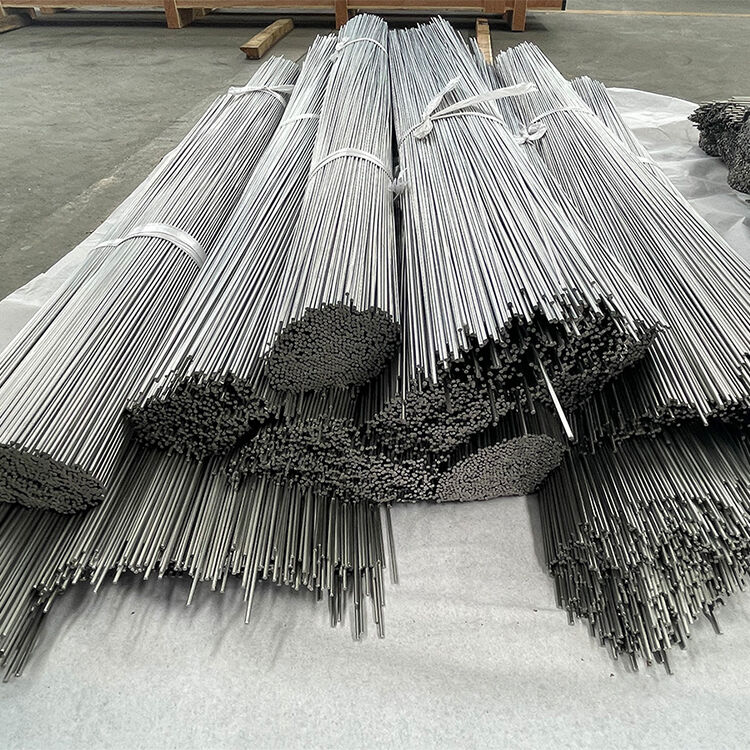
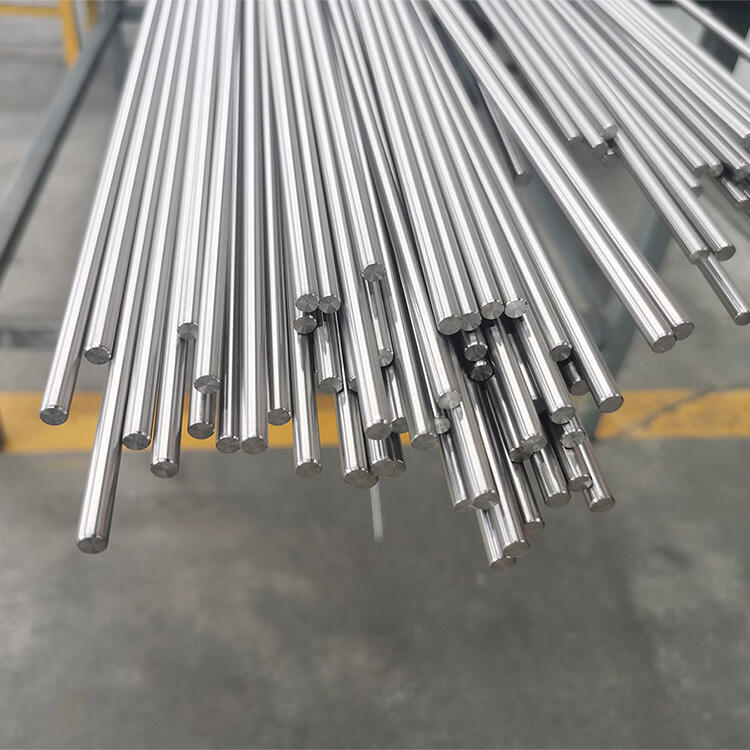
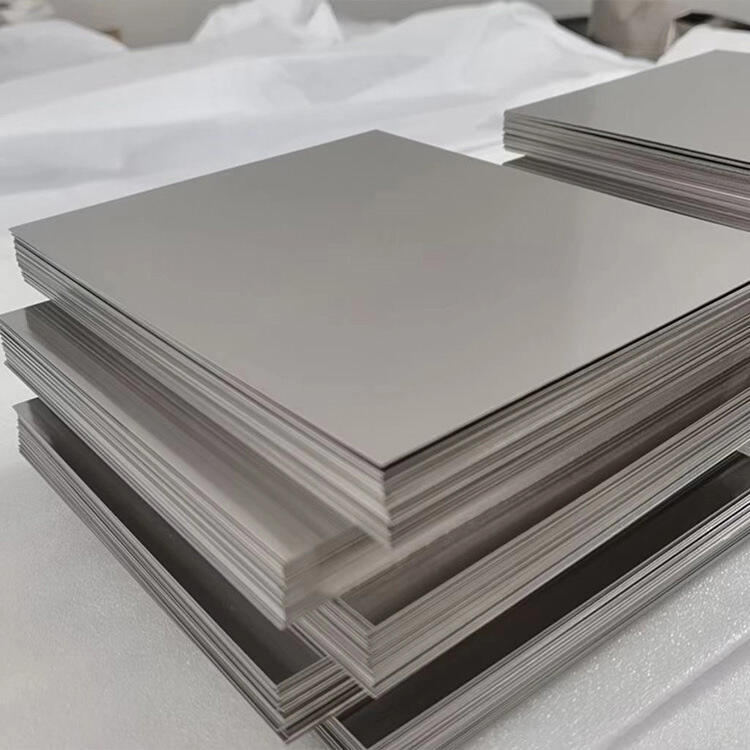
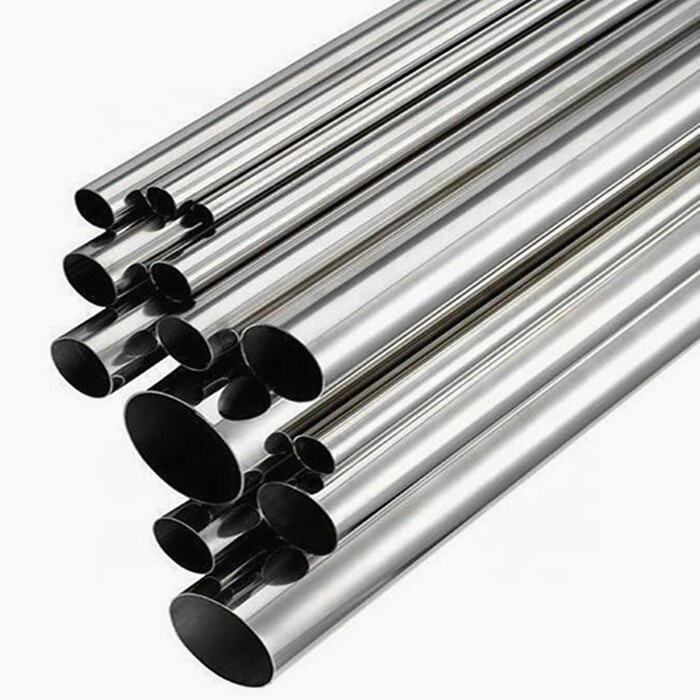
Medical titanium bars represent a cornerstone innovation in modern medical implant technology, serving as essential components in various orthopedic and dental applications. These precision-engineered materials combine exceptional strength with remarkable biocompatibility, making them ideal for long-term medical implants. The bars are manufactured through a sophisticated process that ensures consistent quality and meets stringent medical standards. They exhibit superior resistance to corrosion when exposed to bodily fluids and tissues, while their low elastic modulus closely matches that of human bone, reducing stress shielding effects. Medical titanium bars are available in various grades and dimensions, catering to different surgical requirements, from small dental implants to larger orthopedic reconstructions. Their surface can be treated to enhance osseointegration, promoting better bone attachment and healing. The material's excellent fatigue strength ensures long-term durability under repeated loading conditions, while its non-magnetic properties make it compatible with MRI procedures. These characteristics have made medical titanium bars an indispensable material in modern surgical procedures, supporting everything from spinal fusion surgeries to cranial plate fabrication.

New Product Releases

Medical titanium bars offer numerous compelling advantages that have established them as the gold standard in medical implant materials. Their exceptional biocompatibility ensures minimal risk of adverse reactions or rejections by the human body, making them suitable for long-term implantation. The material's high strength-to-weight ratio provides robust support while maintaining a lightweight profile, enhancing patient comfort and mobility. The natural formation of a protective oxide layer on the surface provides superior corrosion resistance, ensuring the implant's longevity and stability in the biological environment. These bars demonstrate remarkable osseointegration properties, forming strong bonds with surrounding bone tissue that promote faster healing and recovery. Their mechanical properties closely mirror human bone, reducing the risk of stress shielding and subsequent bone resorption. The material's versatility allows for various surface treatments and modifications, enabling customization for specific medical applications. Medical titanium bars maintain their structural integrity under repeated stress, making them ideal for load-bearing applications. Their non-ferromagnetic nature ensures compatibility with modern diagnostic tools like MRI and CT scans. The material's excellent machinability allows for precise customization to meet specific patient needs, while its high fatigue strength ensures long-term reliability in dynamic loading conditions. These advantages, combined with the material's proven track record in medical applications, make medical titanium bars an indispensable component in modern medical procedures.

Tips And Tricks

About titanium

19

Sep

About titanium

View More
How to ensure the purity of a titanium bar?

19

Sep

How to ensure the purity of a titanium bar?

View More
What is the Difference Between Gr2 and Gr5 Titanium?

19

Sep

What is the Difference Between Gr2 and Gr5 Titanium?

View More
Difference between ASTM F67 and ASTM F136

19

Sep

Difference between ASTM F67 and ASTM F136

View More

Get a Free Quote

Our representative will contact you soon.
Email
Name
Company Name
Message
0/1000

medical titanium bar

Superior Biocompatibility and Integration

Superior Biocompatibility and Integration

The exceptional biocompatibility of medical titanium bars stands as their most distinguished feature, setting them apart in the field of medical implant materials. This characteristic is attributed to the spontaneous formation of a stable titanium dioxide layer on the surface, which provides a biocompatible interface between the implant and surrounding tissue. The material's ability to osseointegrate effectively means it can form direct structural and functional connections with living bone tissue, promoting natural healing processes. This integration is further enhanced by the material's surface properties, which can be modified through various treatments to optimize cell adhesion and bone growth. The low ion release rate minimizes the risk of allergic reactions or inflammatory responses, making it suitable for long-term implantation in diverse patient populations. This remarkable biocompatibility translates to higher success rates in surgical procedures and improved patient outcomes.
Mechanical Strength and Durability

Mechanical Strength and Durability

Medical titanium bars exhibit exceptional mechanical properties that make them ideal for load-bearing medical applications. Their high strength-to-weight ratio provides robust structural support while maintaining a relatively light weight, crucial for patient comfort and mobility. The material's fatigue resistance ensures reliable performance under cyclic loading conditions, particularly important in applications such as spinal implants and joint replacements. The elastic modulus of titanium, while higher than human bone, is significantly lower than other metallic implant materials, reducing stress shielding effects that can lead to bone resorption. This mechanical compatibility helps maintain the integrity of surrounding bone tissue over time. The material's excellent resistance to wear and deformation ensures long-term stability and reliability of the implant, contributing to improved patient outcomes and reduced need for revision surgeries.
Versatility and Customization Potential

Versatility and Customization Potential

The versatility of medical titanium bars makes them adaptable to a wide range of medical applications, from small dental implants to large orthopedic reconstructions. The material can be machined to precise specifications, allowing for custom solutions that match individual patient anatomy and specific surgical requirements. Various surface treatments and modifications can be applied to enhance specific properties, such as improving osseointegration or reducing bacterial adhesion. The material's compatibility with different sterilization methods ensures maintaining sterility without compromising its properties. Its ability to be combined with other materials and coatings expands its application potential, enabling innovative solutions in medical device development. This adaptability, combined with consistent quality and reliable performance, makes medical titanium bars an invaluable material in modern medical technology.

Get a Free Quote

Our representative will contact you soon.
Email
Name
Company Name
Message
0/1000