 EN
EN

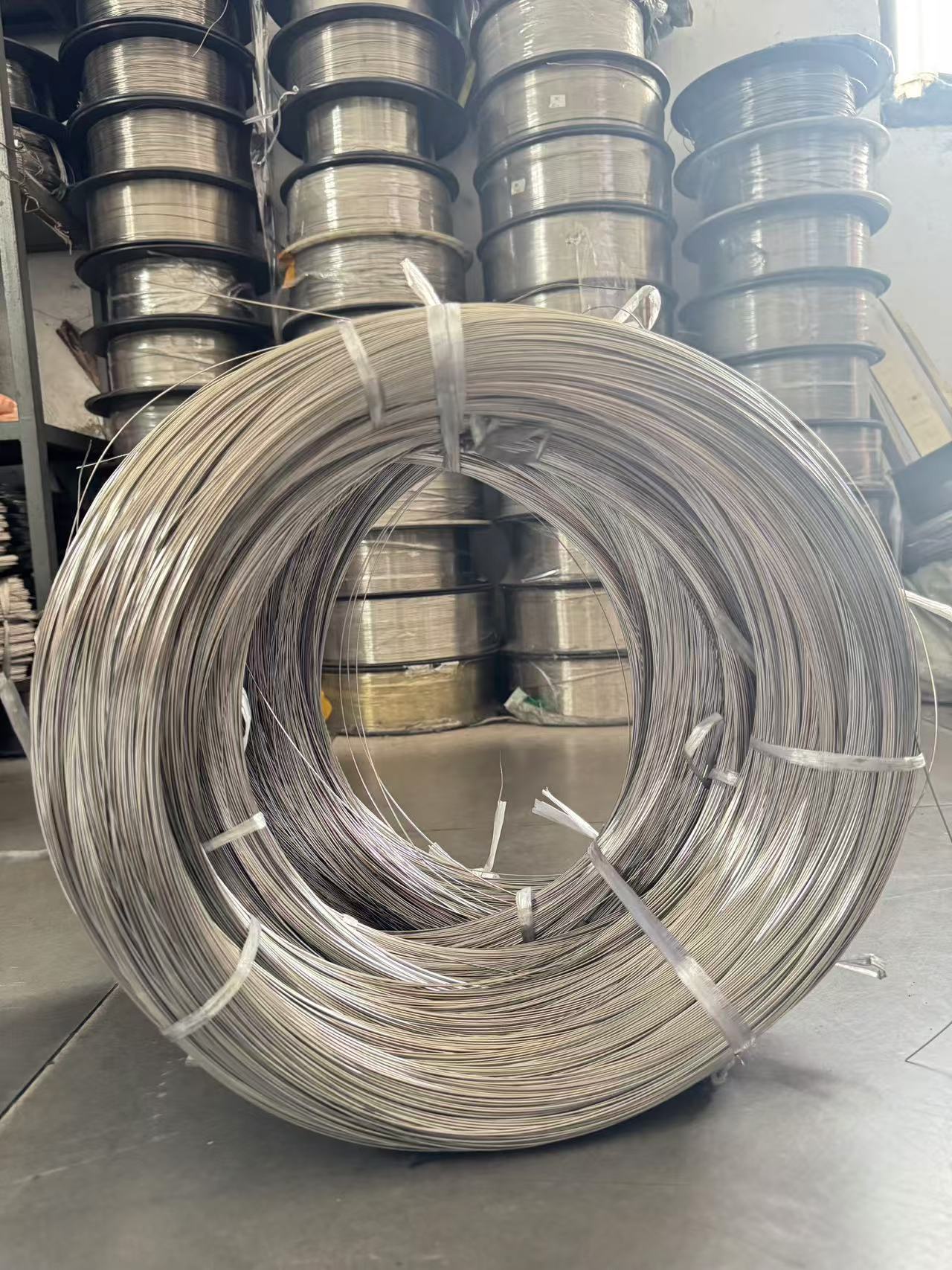
The aerospace industry demands materials that can withstand extreme conditions while maintaining structural integrity and minimal weight. Among the specialized materials used in aircraft and spacecraft manufacturing, titanium welding wire stands out as an essential component for creating durable, high-performance joints. This specialized welding consumable enables manufacturers to harness titanium's unique properties, including its exceptional strength-to-weight ratio, corrosion resistance, and ability to perform reliably in temperatures ranging from cryogenic to extremely hot environments.
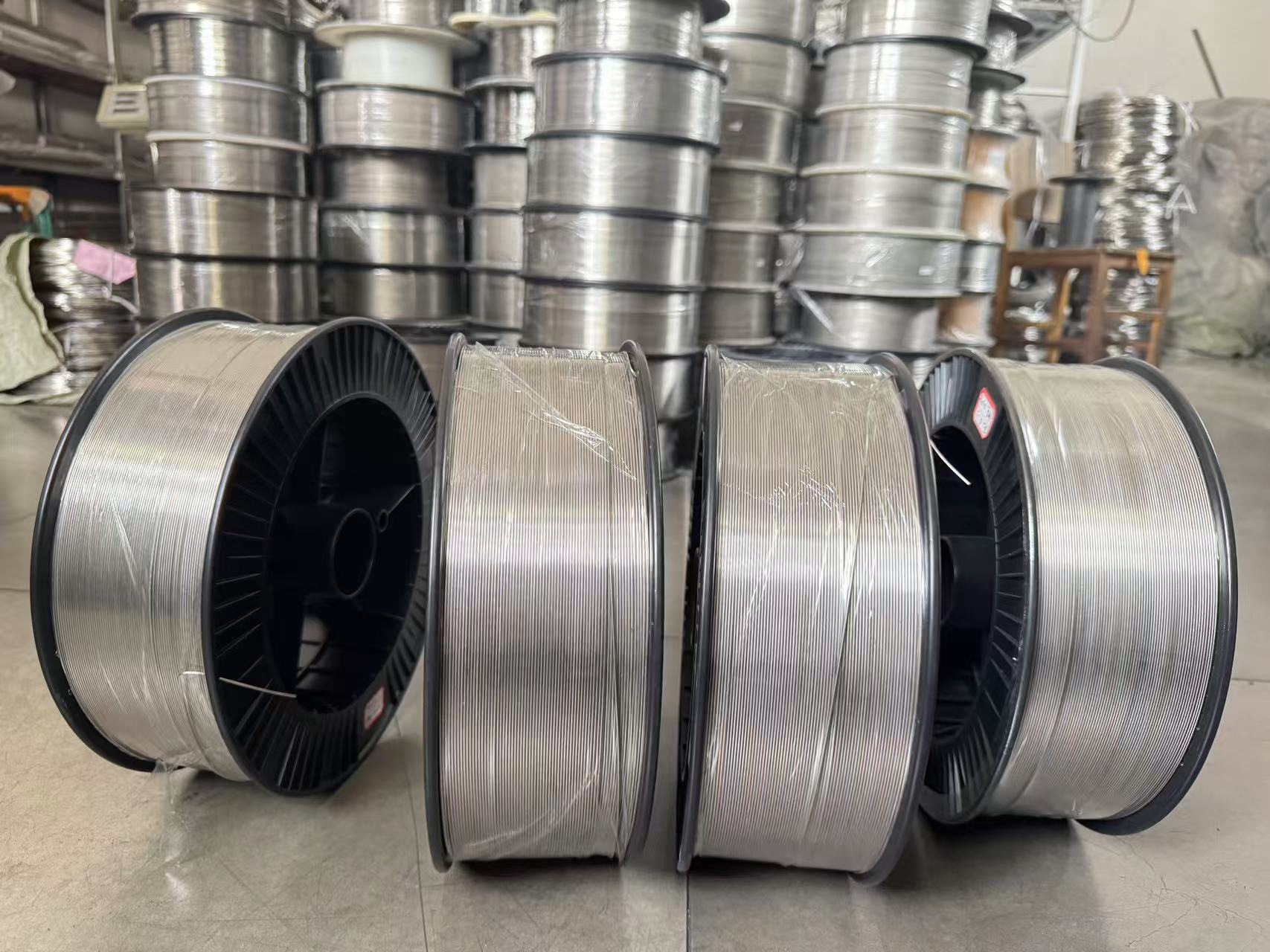
Modern aerospace applications require welding materials that meet stringent quality standards and certification requirements. The use of titanium welding wire in aerospace manufacturing has revolutionized how engineers approach joint design and fabrication processes. From commercial aircraft fuselages to rocket engine components, this specialized welding consumable enables the creation of lightweight yet incredibly strong structures that can endure the harsh conditions of flight and space travel.
Understanding Titanium Welding Wire Properties
Chemical Composition and Purity Standards
The effectiveness of titanium welding wire in aerospace applications largely depends on its chemical composition and purity levels. High-grade titanium welding wire typically contains 99.5% or higher pure titanium, with carefully controlled amounts of oxygen, nitrogen, carbon, and hydrogen. These trace elements significantly impact the mechanical properties and weldability of the final joint. Aerospace specifications often require titanium welding wire to meet ASTM B863 or AWS A5.16 standards, ensuring consistent quality and performance across different manufacturing facilities.
The purity of titanium welding wire directly influences its corrosion resistance and mechanical strength. Impurities such as oxygen and nitrogen can make the weld metal brittle and reduce its ductility, which is particularly problematic in aerospace applications where components must withstand dynamic loading conditions. Manufacturers of aerospace-grade titanium welding wire employ advanced melting and refining processes to achieve the required purity levels, including vacuum arc remelting and electron beam melting techniques.
Mechanical Properties and Performance Characteristics
The mechanical properties of titanium welding wire make it indispensable for aerospace welding applications. This material exhibits an impressive tensile strength ranging from 240 to 550 MPa, depending on the specific grade and heat treatment condition. The yield strength of titanium welding wire typically falls between 170 and 480 MPa, providing excellent structural performance while maintaining relatively low density compared to steel alternatives.
Beyond basic strength characteristics, titanium welding wire demonstrates exceptional fatigue resistance, which is crucial for aerospace components subjected to cyclic loading during flight operations. The material's ability to maintain its mechanical properties across a wide temperature range makes it suitable for applications from cryogenic fuel tanks to high-temperature engine components. Additionally, titanium welding wire exhibits excellent fracture toughness, helping prevent catastrophic failure in critical aerospace structures.
Aerospace Applications and Use Cases
Commercial Aircraft Manufacturing
In commercial aircraft production, titanium welding wire plays a vital role in fabricating engine components, landing gear assemblies, and structural elements. The material's lightweight properties contribute significantly to fuel efficiency improvements, as every pound of weight savings translates to reduced operating costs over the aircraft's service life. Major aircraft manufacturers rely on titanium welding wire to join titanium sheets and forgings in critical load-bearing structures where weight reduction cannot compromise safety or performance.
Engine manufacturers particularly value titanium welding wire for its ability to create reliable joints in compressor blades, casings, and other high-temperature components. The exceptional corrosion resistance of welds made with titanium welding wire ensures long service life even in the harsh environment of jet engines, where components are exposed to high temperatures, corrosive exhaust gases, and extreme pressure fluctuations. This reliability translates to reduced maintenance requirements and improved aircraft availability for airlines.
Space Launch Vehicle Construction
Space launch vehicles present some of the most demanding applications for titanium welding wire, where failure is not an option. Rocket manufacturers use this specialized welding consumable to fabricate pressure vessels, propellant tanks, and structural components that must withstand the extreme conditions of launch and space flight. The ability of titanium welding wire to maintain its properties in cryogenic environments makes it essential for liquid oxygen and liquid hydrogen tank construction.
The precision required in space vehicle manufacturing demands that titanium welding wire produce consistent, defect-free welds with minimal distortion. Advanced welding processes such as electron beam welding and gas tungsten arc welding are commonly employed with titanium welding wire to achieve the required weld quality and penetration characteristics. The resulting joints must pass rigorous non-destructive testing and quality assurance protocols before being approved for flight-critical applications.
Welding Processes and Techniques
Gas Tungsten Arc Welding Applications
Gas tungsten arc welding remains the most widely used process for titanium welding wire in aerospace applications due to its ability to produce high-quality, precise welds with excellent control over heat input. This process allows welders to carefully manage the weld pool and minimize contamination, which is critical when working with reactive materials like titanium. The inert atmosphere provided by argon or helium shielding gas protects both the titanium welding wire and the base material from atmospheric contamination during the welding process.
Successful gas tungsten arc welding with titanium welding wire requires careful attention to cleanliness and preparation procedures. All surfaces must be thoroughly cleaned to remove any traces of oils, fingerprints, or oxide films that could compromise weld quality. The welding environment must be controlled to prevent contamination, often requiring the use of trailing shields or welding chambers filled with inert gas. These stringent requirements ensure that the exceptional properties of titanium welding wire are fully realized in the finished weld.
Electron Beam Welding Technology
Electron beam welding has emerged as a preferred technique for joining titanium components with titanium welding wire in aerospace manufacturing, particularly for thick-section applications. This process offers several advantages, including deep penetration capabilities, narrow heat-affected zones, and the ability to weld in a vacuum environment that completely eliminates contamination concerns. The precision and repeatability of electron beam welding make it ideal for high-volume production of aerospace components.
When using electron beam welding with titanium welding wire, manufacturers can achieve weld penetration depths exceeding several inches in a single pass, significantly reducing production time compared to multi-pass arc welding techniques. The vacuum environment inherent to electron beam welding processes provides the ultimate protection against atmospheric contamination, ensuring that the purity of titanium welding wire is maintained throughout the joining process. This results in welds with superior mechanical properties and exceptional reliability.
Quality Control and Certification Requirements
Non-Destructive Testing Methods
Aerospace applications demand rigorous quality control measures for welds made with titanium welding wire, with non-destructive testing playing a crucial role in ensuring component reliability. Radiographic testing is commonly employed to detect internal defects such as porosity, inclusions, or incomplete fusion that could compromise the structural integrity of welded joints. Advanced digital radiography systems provide enhanced sensitivity and faster inspection times compared to traditional film-based methods.
Ultrasonic testing offers another valuable tool for evaluating welds produced with titanium welding wire, particularly for detecting crack-like defects and measuring weld penetration. Phased array ultrasonic systems provide detailed imaging capabilities that allow inspectors to precisely locate and characterize defects within the weld zone. Liquid penetrant testing is also frequently used to detect surface-breaking defects in titanium welding wire joints, providing a cost-effective method for identifying potential problem areas.
Certification and Traceability Standards
The aerospace industry maintains stringent certification requirements for titanium welding wire to ensure consistent quality and performance across different suppliers and manufacturing facilities. Materials must be accompanied by detailed certificates of compliance that document chemical composition, mechanical properties, and manufacturing history. Traceability requirements mandate that every batch of titanium welding wire be traceable back to its original raw materials and production processes.
Welding procedures using titanium welding wire must be qualified according to industry standards such as AWS D17.1 for aerospace applications. These qualifications involve extensive testing of weld specimens to verify mechanical properties, metallurgical characteristics, and resistance to environmental factors. Welder certification programs ensure that personnel working with titanium welding wire possess the specialized skills and knowledge required for aerospace welding applications.
Environmental and Economic Benefits
Sustainability and Resource Efficiency
The use of titanium welding wire in aerospace manufacturing contributes significantly to environmental sustainability through improved fuel efficiency and extended component service life. Aircraft constructed with titanium welded joints consume less fuel due to weight savings, resulting in reduced carbon emissions over the aircraft's operational lifetime. The excellent corrosion resistance of titanium welding wire joints minimizes the need for protective coatings and frequent maintenance, further reducing the environmental impact of aerospace operations.
Recycling capabilities of titanium welding wire and titanium components add another dimension to their environmental benefits. Titanium can be recycled indefinitely without degradation of its properties, making it a truly sustainable material choice for aerospace applications. The long service life of components fabricated with titanium welding wire reduces the frequency of part replacement, minimizing waste generation and resource consumption over the aircraft's operational life.
Cost-Effectiveness in Long-Term Operations
While the initial cost of titanium welding wire may be higher than alternative materials, its long-term economic benefits make it an attractive choice for aerospace applications. The reduced maintenance requirements and extended service life of titanium welded joints result in significant cost savings over the component's lifetime. Airlines and aerospace operators benefit from reduced downtime, lower maintenance costs, and improved operational reliability.
The fuel savings achieved through weight reduction with titanium welding wire applications provide substantial economic benefits for commercial aviation. Industry studies indicate that every pound of weight saved can result in fuel cost savings of thousands of dollars annually for a typical commercial aircraft. These savings compound over the aircraft's service life, often exceeding the initial material cost differential within the first few years of operation.
Future Developments and Innovations
Advanced Alloy Development
Research and development efforts continue to advance titanium welding wire technology, with new alloy compositions being developed to meet evolving aerospace requirements. Beta-titanium alloys offer enhanced strength and improved weldability compared to traditional alpha-beta compositions, opening new possibilities for aerospace applications. These advanced titanium welding wire formulations promise to deliver even better performance characteristics while maintaining the excellent corrosion resistance and lightweight properties that make titanium so valuable in aerospace manufacturing.
Nano-structured titanium welding wire represents an emerging technology that could revolutionize aerospace welding applications. These materials exhibit enhanced mechanical properties and improved weldability through careful control of grain structure and composition at the nanoscale level. Early research indicates that nano-structured titanium welding wire could provide significant improvements in fatigue life and fracture toughness, critical properties for aerospace components subjected to dynamic loading conditions.
Additive Manufacturing Integration
The integration of titanium welding wire with additive manufacturing processes represents a promising frontier for aerospace component production. Wire-based additive manufacturing systems can utilize titanium welding wire as feedstock material to create complex geometries that would be difficult or impossible to achieve through traditional manufacturing methods. This approach combines the design freedom of additive manufacturing with the proven properties of titanium welding wire.
Hybrid manufacturing approaches that combine traditional welding with titanium welding wire and additive manufacturing techniques offer new possibilities for aerospace component repair and modification. These processes can extend the service life of expensive aerospace components by adding material or modifying geometry as needed. The ability to perform localized repairs using titanium welding wire in additive manufacturing processes could significantly reduce maintenance costs and component replacement requirements.
FAQ
What makes titanium welding wire superior to other materials for aerospace applications
Titanium welding wire offers an exceptional combination of high strength-to-weight ratio, excellent corrosion resistance, and temperature stability that makes it superior to alternatives like steel or aluminum for aerospace applications. Its ability to maintain mechanical properties from cryogenic temperatures to over 400°C, combined with outstanding fatigue resistance, makes it ideal for the demanding conditions encountered in aerospace environments. The material's biocompatibility and non-magnetic properties provide additional advantages in specialized aerospace applications.
How does the welding process affect the properties of titanium welding wire joints
The welding process significantly influences the final properties of joints made with titanium welding wire, with factors such as heat input, shielding gas composition, and cooling rate all affecting the metallurgical structure and performance characteristics. Proper welding techniques that minimize contamination and control heat input are essential to preserve the inherent properties of titanium welding wire. Advanced processes like electron beam welding can produce joints with properties that match or exceed those of the base material when executed correctly.
What are the main challenges in working with titanium welding wire
The primary challenges in working with titanium welding wire include its high reactivity with atmospheric gases, requiring stringent cleanliness and shielding gas protection during welding operations. The material's relatively low thermal conductivity can lead to heat buildup and distortion if welding parameters are not carefully controlled. Additionally, the high cost of titanium welding wire necessitates efficient manufacturing processes and minimal waste generation to maintain economic viability in aerospace production.
How is quality assured when using titanium welding wire in aerospace manufacturing
Quality assurance for titanium welding wire in aerospace manufacturing involves comprehensive material certification, qualified welding procedures, and extensive non-destructive testing protocols. Every batch of titanium welding wire must be accompanied by detailed chemical and mechanical property certifications, and welds undergo rigorous inspection using radiographic, ultrasonic, and penetrant testing methods. Welder qualification programs ensure that personnel possess the specialized skills required for aerospace titanium welding applications, while process controls maintain consistent weld quality throughout production.
Table of Contents
- Understanding Titanium Welding Wire Properties
- Aerospace Applications and Use Cases
- Welding Processes and Techniques
- Quality Control and Certification Requirements
- Environmental and Economic Benefits
- Future Developments and Innovations
-
FAQ
- What makes titanium welding wire superior to other materials for aerospace applications
- How does the welding process affect the properties of titanium welding wire joints
- What are the main challenges in working with titanium welding wire
- How is quality assured when using titanium welding wire in aerospace manufacturing