 EN
EN

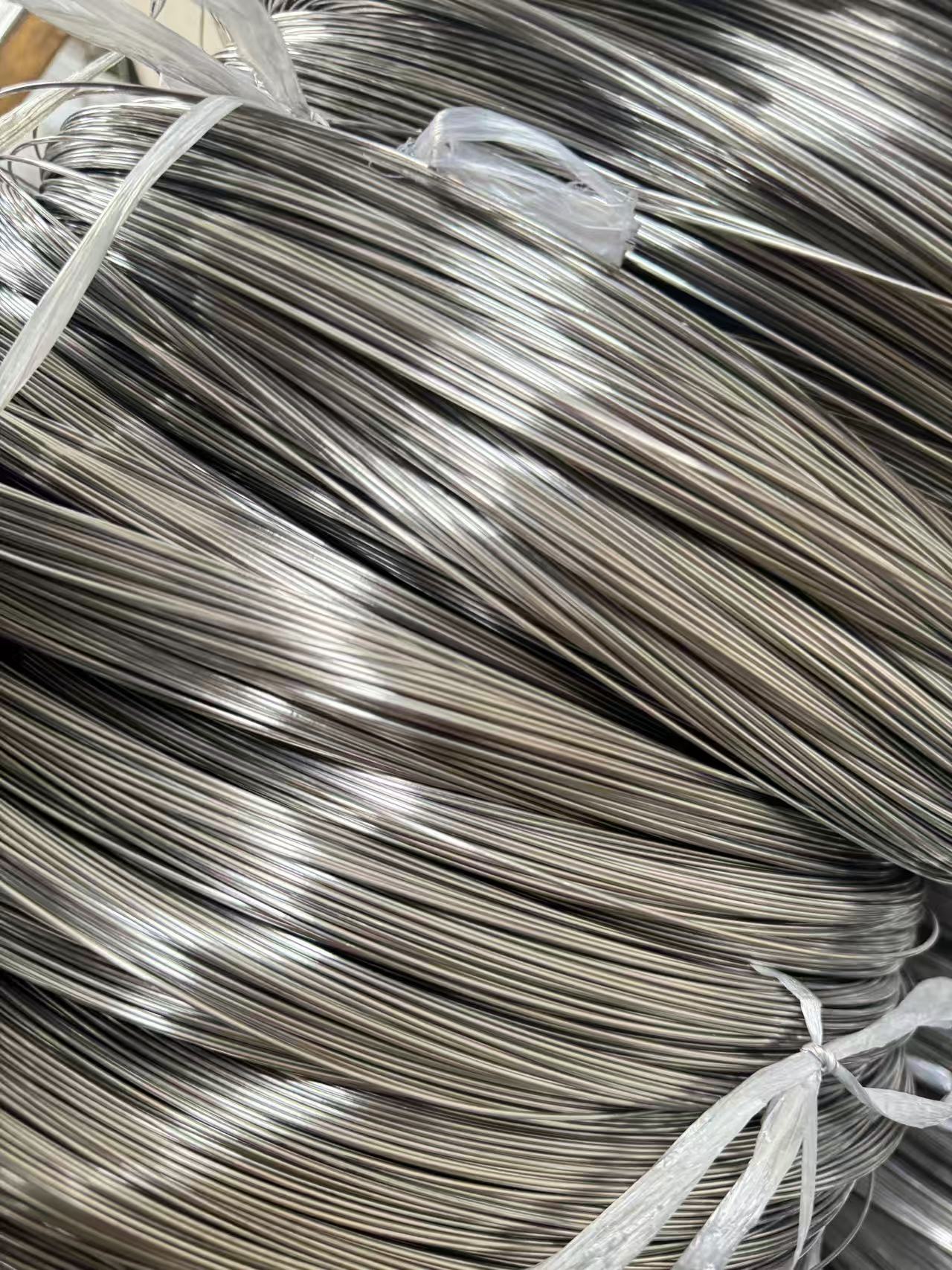
Selecting the appropriate titanium welding wire is crucial for achieving superior weld quality and structural integrity in demanding industrial applications. The unique properties of titanium, including its exceptional corrosion resistance and high strength-to-weight ratio, make it an ideal material for aerospace, medical, and marine industries. Understanding the specific requirements of your project, material compatibility, and welding parameters will determine the success of your titanium welding operations. Professional welders and fabricators must consider multiple factors when choosing the right titanium welding wire to ensure optimal performance and long-lasting results.
Understanding Titanium Grades and Wire Specifications
Commercial Pure Titanium Grades
Commercial pure titanium grades offer varying levels of strength and corrosion resistance for different welding applications. Grade 1 titanium provides maximum formability and corrosion resistance, making it suitable for chemical processing equipment and heat exchangers. Grade 2 titanium welding wire represents the most commonly used commercial grade, offering excellent weldability and moderate strength properties for general industrial applications. Grade 3 and Grade 4 titanium provide progressively higher strength levels while maintaining good corrosion resistance characteristics.
The selection between commercial pure grades depends on the specific mechanical requirements of your project and the operating environment conditions. Engineers must evaluate factors such as operating temperature, chemical exposure, and required tensile strength when determining the appropriate grade. Each grade of titanium welding wire exhibits distinct characteristics that affect weld penetration, heat affected zone properties, and overall joint performance. Understanding these differences enables welders to select the most suitable wire for achieving desired weld quality and mechanical properties.
Titanium Alloy Wire Options
Titanium alloy welding wires provide enhanced mechanical properties through the addition of alloying elements such as aluminum, vanadium, and molybdenum. The most widely used alloy, Ti-6Al-4V, offers exceptional strength-to-weight ratio and excellent fatigue resistance for aerospace and high-performance applications. This alloy grade requires careful consideration of welding parameters and post-weld heat treatment to maintain optimal mechanical properties. Other specialty alloys like Ti-6Al-2Sn-4Zr-2Mo provide specific performance characteristics for unique industrial requirements.
Alloy selection significantly impacts welding procedures, as different compositions exhibit varying thermal conductivity and solidification characteristics. The presence of alloying elements affects weld pool behavior, cooling rates, and susceptibility to cracking during the welding process. Professional welders must adjust their techniques and parameters when working with different titanium alloy wires to ensure proper fusion and avoid defects. Proper understanding of alloy metallurgy enables optimization of welding procedures for specific project requirements.
Wire Diameter and Form Factor Considerations
Standard Diameter Options
Titanium welding wire diameter selection directly influences heat input, penetration depth, and overall weld characteristics in various applications. Standard diameters range from 0.023 inches to 0.125 inches, with each size offering specific advantages for different joint configurations and material thicknesses. Smaller diameter wires provide precise control for thin sheet welding and intricate fabrication work, while larger diameters deliver higher deposition rates for thick section welding. The relationship between wire diameter and welding current affects arc stability and weld pool control during the welding process.
Proper diameter selection also impacts wire feeding characteristics and arc starting behavior in automated welding systems. Thinner titanium welding wire requires more precise feeding mechanisms to prevent bird nesting and feeding irregularities during continuous operation. Larger diameter wires offer improved feeding stability but may require higher welding currents and specialized torch configurations. Consider the balance between precision requirements and productivity needs when selecting appropriate wire diameter for your specific application.
Wire Form and Packaging
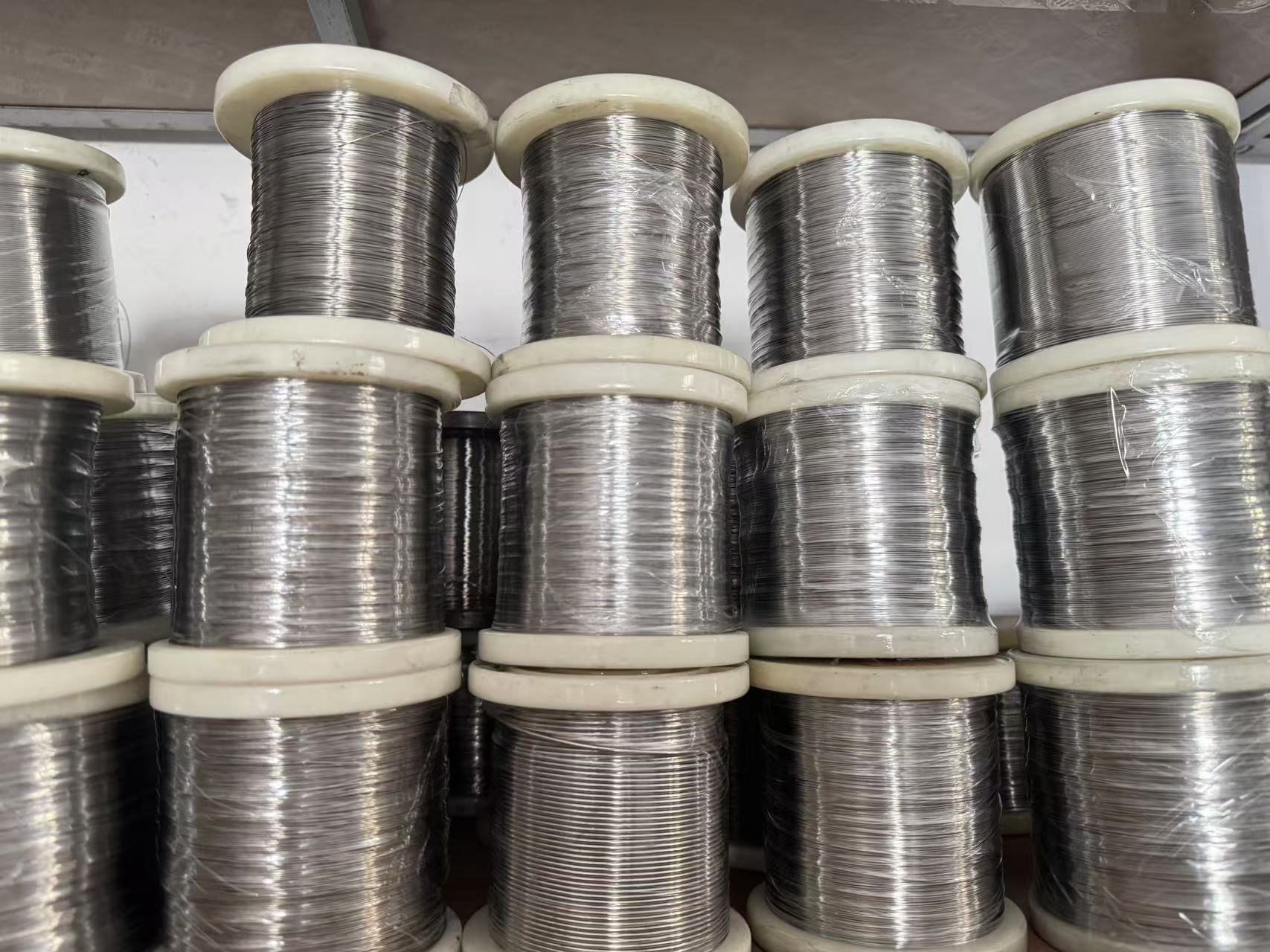
The physical form and packaging of titanium welding wire significantly affects handling, storage, and feeding performance in production environments. Spooled wire configurations provide convenient handling for robotic and semi-automatic welding systems, ensuring consistent feeding and reduced contamination exposure. Straight length titanium welding wire offers advantages for manual TIG welding applications where precise control and minimal wire handling are required. The packaging method must protect the wire surface from oxidation and contamination that could compromise weld quality.
Proper wire storage and handling procedures prevent surface contamination that can lead to porosity and inclusion defects in finished welds. Vacuum-sealed packaging maintains wire cleanliness during storage and transportation, while proper handling techniques minimize fingerprint contamination and surface oxidation. Consider the production volume and welding method when selecting appropriate wire form and packaging options for your fabrication requirements.
Chemical Composition and Purity Requirements
Interstitial Element Control
The control of interstitial elements such as oxygen, nitrogen, carbon, and hydrogen critically affects the performance and weldability of titanium welding wire. Lower interstitial content generally provides improved ductility and better low-temperature toughness in welded joints. Oxygen content particularly influences the strength and ductility balance, with higher levels increasing strength but reducing formability. Nitrogen content affects weld metal hardness and can contribute to brittle behavior in certain applications requiring impact resistance.
Manufacturing processes and quality control measures ensure consistent interstitial element levels throughout the wire production. Advanced melting techniques such as vacuum arc remelting and electron beam melting produce high-purity titanium welding wire with tightly controlled chemistry. Certification documentation provides traceability and verification of chemical composition to meet specific project requirements and industry standards. Understanding the relationship between chemistry and mechanical properties enables optimal wire selection for critical applications.
Trace Element Effects
Trace elements in titanium welding wire can significantly influence weld metal properties and performance characteristics in service conditions. Iron content affects alpha case formation and can influence corrosion resistance in certain environments, requiring careful consideration for marine and chemical processing applications. Silicon levels impact weld metal fluidity and can affect penetration characteristics during the welding process. Other trace elements such as chromium and nickel may be present as residuals from raw material processing or intentionally added for specific property modifications.
Quality specifications typically limit trace element content to ensure consistent performance and prevent adverse effects on weld quality. Analytical testing methods verify compliance with specification requirements and provide documentation for critical applications. The cumulative effect of multiple trace elements must be considered when evaluating overall wire quality and suitability for specific welding applications. Proper understanding of trace element effects enables informed decision-making in wire selection and quality assurance processes.
Welding Process Compatibility and Parameters
TIG Welding Applications
Tungsten Inert Gas welding represents the most common application method for titanium welding wire, providing precise control and high-quality results in critical applications. The selection of appropriate wire diameter and composition must align with base material properties and joint design requirements. Proper shielding gas selection and flow rates prevent atmospheric contamination that can compromise weld integrity and mechanical properties. Arc length control and travel speed optimization ensure adequate penetration while minimizing heat affected zone extent.
Advanced TIG welding techniques such as pulsed current and hot wire addition expand the capabilities and applications of titanium welding wire in production environments. Pulsed welding parameters provide improved control over heat input and weld pool characteristics, particularly beneficial for thin section welding. Hot wire addition increases deposition rates while maintaining excellent weld quality for thick section applications. Understanding these advanced techniques enables optimization of welding procedures for specific production requirements.
Automated Welding Considerations
Automated welding systems require specific titanium welding wire characteristics to ensure consistent feeding and arc performance throughout production runs. Wire surface condition and dimensional consistency become critical factors in preventing feeding irregularities and maintaining stable arc conditions. Proper wire conditioning and handling procedures minimize surface contamination and ensure reliable automated operation. Welding parameter development must account for the specific wire characteristics and feeding system capabilities.
Robotic welding applications demand precise wire feeding control and consistent arc starting behavior to maintain production quality and efficiency. Wire straightness and surface finish specifications ensure smooth feeding through automated systems without binding or irregular feeding patterns. Proper system setup and maintenance procedures optimize wire feeding performance and minimize downtime during production operations. Integration of appropriate titanium welding wire selection with automated welding systems maximizes productivity while maintaining high quality standards.
Quality Standards and Certification Requirements
Industry Standard Compliance
Compliance with recognized industry standards ensures that titanium welding wire meets specific quality and performance requirements for critical applications. ASTM specifications define chemical composition, mechanical properties, and dimensional tolerances for various grades of titanium welding wire. AWS classifications provide standardized designations and testing requirements that facilitate proper material selection and quality assurance procedures. Military and aerospace specifications often impose additional requirements for traceability, testing, and documentation.
Standard compliance verification through independent testing and certification provides confidence in material performance and regulatory acceptance. Mill test certificates document chemical analysis, mechanical testing results, and compliance with applicable specifications. Third-party certification services offer additional verification of quality and performance characteristics for critical applications. Understanding the applicable standards and certification requirements ensures proper material selection and documentation for specific project needs.
Testing and Documentation
Comprehensive testing programs verify the mechanical properties, chemical composition, and weldability characteristics of titanium welding wire products. Tensile testing, impact testing, and bend testing provide verification of mechanical properties and compliance with specification requirements. Chemical analysis using advanced analytical techniques ensures accurate composition determination and trace element control. Weldability testing evaluates arc characteristics, feeding behavior, and weld metal properties under standardized conditions.
Proper documentation and traceability systems enable quality assurance and regulatory compliance throughout the supply chain and fabrication process. Lot identification systems provide traceability from raw material source through final product delivery and application. Quality records maintain documentation of testing results, certifications, and compliance verification for audit and inspection purposes. Effective quality management systems ensure consistent product performance and customer satisfaction in titanium welding wire applications.
Storage and Handling Best Practices
Environmental Protection
Proper storage conditions protect titanium welding wire from atmospheric contamination and surface oxidation that can compromise weld quality and performance. Controlled humidity environments prevent moisture absorption and surface corrosion during extended storage periods. Temperature control minimizes thermal cycling effects that could affect wire straightness and surface condition. Protective packaging maintains wire cleanliness and prevents contamination from handling and environmental exposure.
Contamination prevention measures include proper handling techniques, clean storage areas, and protective packaging systems that maintain wire surface integrity. Glove requirements and clean handling procedures prevent fingerprint contamination and surface deposits that can cause weld defects. Segregated storage areas prevent cross-contamination between different materials and maintain proper identification and inventory control. Regular inspection and maintenance of storage areas ensure continued protection of titanium welding wire quality.
Inventory Management
Effective inventory management systems ensure proper rotation and utilization of titanium welding wire to maintain optimal quality and minimize waste. First-in-first-out rotation prevents extended storage that could affect wire surface condition and performance characteristics. Proper identification and labeling systems maintain traceability and prevent mix-ups between different grades and specifications. Inventory tracking systems monitor usage patterns and optimize ordering schedules to minimize carrying costs while ensuring material availability.
Quality verification procedures during receiving and storage ensure continued compliance with specification requirements throughout the supply chain. Incoming inspection protocols verify material identification, packaging integrity, and compliance documentation. Storage condition monitoring maintains environmental parameters within acceptable ranges to prevent quality degradation. Regular audits and inspections verify compliance with established procedures and identify opportunities for improvement in titanium welding wire management practices.
Cost Considerations and Value Analysis
Initial Investment Evaluation
The initial cost of high-quality titanium welding wire represents a significant investment that must be evaluated against project requirements and performance expectations. Premium grades and specialized alloys command higher prices but may provide superior performance characteristics that justify the additional expense. Volume purchasing considerations can provide cost advantages while ensuring adequate inventory for production requirements. Long-term supply agreements may offer price stability and assured availability for ongoing projects.
Cost comparison analysis should include factors beyond initial wire price, including productivity, quality, and rework costs associated with different wire options. Higher-quality titanium welding wire may reduce consumable costs through improved feeding characteristics and reduced defect rates. Productivity improvements from consistent performance and reduced setup time can offset higher initial material costs. Total cost of ownership analysis provides a comprehensive evaluation framework for wire selection decisions.
Long-term Performance Benefits
The long-term performance benefits of properly selected titanium welding wire extend beyond initial fabrication costs to include service life, maintenance requirements, and reliability considerations. Superior weld quality achieved through appropriate wire selection can extend component service life and reduce maintenance costs over the operational lifetime. Improved corrosion resistance and mechanical properties contribute to enhanced reliability and reduced failure risks in critical applications.
Value analysis should consider the total lifecycle costs including fabrication, inspection, service, and replacement costs associated with different wire options. Quality-related cost avoidance through reduced rework, scrap, and warranty claims can provide significant savings that justify premium wire selection. Risk mitigation benefits from improved reliability and performance may provide additional value in critical applications where failure consequences are severe.
FAQ
What factors determine the appropriate grade of titanium welding wire for my application
The selection of appropriate titanium welding wire grade depends on several key factors including the base material grade, required mechanical properties, operating environment, and specific application requirements. Base material compatibility ensures proper metallurgical matching and optimal weld properties. Environmental factors such as temperature, corrosion exposure, and stress conditions influence grade selection for long-term performance. Mechanical property requirements including strength, ductility, and fatigue resistance guide the choice between commercial pure grades and alloy options.
How does wire diameter affect welding performance and quality
Wire diameter significantly impacts heat input control, penetration characteristics, and overall weld quality in titanium applications. Smaller diameters provide precise heat control for thin sections and intricate welding but may require lower welding currents and careful parameter control. Larger diameters offer higher deposition rates and improved productivity for thick sections but require higher welding currents and may affect heat affected zone characteristics. The relationship between diameter and welding parameters must be optimized for specific joint configurations and material thicknesses.
What storage conditions are required to maintain titanium welding wire quality
Proper storage conditions for titanium welding wire include controlled humidity below 50%, stable temperatures between 60-80°F, and protection from atmospheric contamination. Clean, dry storage areas prevent surface oxidation and contamination that can cause weld defects. Protective packaging should remain sealed until use to maintain wire surface cleanliness. Proper handling procedures using clean gloves and tools prevent fingerprint contamination and surface deposits that can compromise weld quality.
How do I verify the quality and certification of titanium welding wire
Quality verification of titanium welding wire involves reviewing mill test certificates, chemical analysis reports, and compliance documentation with applicable specifications such as ASTM or AWS standards. Traceability documentation should provide lot identification and heat number information linking the wire to raw material sources and production records. Third-party certification and independent testing results provide additional verification of quality and performance characteristics. Incoming inspection procedures should verify material identification, packaging integrity, and documentation completeness upon receipt.
Table of Contents
- Understanding Titanium Grades and Wire Specifications
- Wire Diameter and Form Factor Considerations
- Chemical Composition and Purity Requirements
- Welding Process Compatibility and Parameters
- Quality Standards and Certification Requirements
- Storage and Handling Best Practices
- Cost Considerations and Value Analysis
-
FAQ
- What factors determine the appropriate grade of titanium welding wire for my application
- How does wire diameter affect welding performance and quality
- What storage conditions are required to maintain titanium welding wire quality
- How do I verify the quality and certification of titanium welding wire