 EN
EN



The orthopedic industry has witnessed remarkable advancements in surgical materials over the past decades, with titanium emerging as the gold standard for medical implants. Among the various titanium products used in orthopedic procedures, the medical titanium bar stands out as a crucial component that has revolutionized bone reconstruction and repair surgeries. These specialized rods combine exceptional biocompatibility with superior mechanical properties, making them indispensable in modern orthopedic practice. The trust that surgeons place in medical titanium bar technology stems from decades of clinical success and continuous material improvements that have enhanced patient outcomes worldwide.
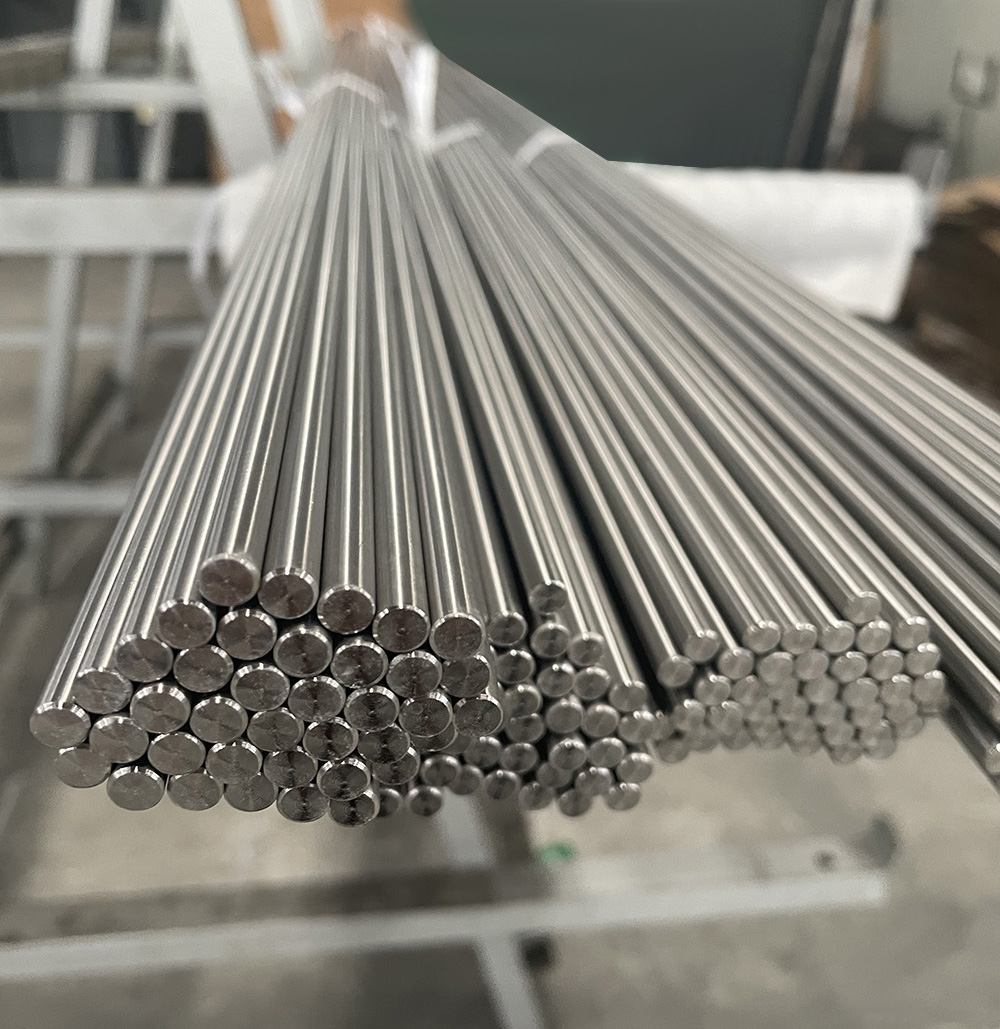
Understanding Medical Titanium Bar Composition and Properties
Core Material Characteristics
The medical titanium bar represents a sophisticated engineering achievement that combines pure titanium with carefully selected alloy elements to create an optimal balance of strength, flexibility, and biocompatibility. The most commonly used grades for orthopedic applications include commercially pure titanium and Ti-6Al-4V alloy, each offering distinct advantages for specific surgical applications. The unique crystalline structure of titanium provides exceptional corrosion resistance in the human body's challenging environment, where pH levels and ionic concentrations can vary significantly. This corrosion resistance ensures that the medical titanium bar maintains its structural integrity throughout the patient's lifetime, preventing degradation that could compromise surgical outcomes.
The mechanical properties of a medical titanium bar are carefully engineered to match the natural characteristics of human bone tissue. With an elastic modulus closer to bone than other metallic implants, titanium bars reduce stress shielding effects that can lead to bone resorption around the implant site. The material's excellent fatigue resistance ensures that repeated loading cycles, such as those experienced during normal daily activities, do not compromise the implant's structural integrity. Additionally, the lightweight nature of titanium compared to stainless steel alternatives reduces the overall burden on the patient's skeletal system while maintaining superior strength characteristics.
Biocompatibility and Osseointegration
The exceptional biocompatibility of the medical titanium bar stems from the formation of a stable titanium dioxide layer on its surface when exposed to oxygen. This passive oxide layer acts as a protective barrier that prevents the release of metallic ions into surrounding tissues while promoting favorable cellular responses. The surface characteristics of titanium encourage osteoblast adhesion and proliferation, facilitating the natural bone healing process around the implant. Research has consistently demonstrated that titanium's biocompatibility profile results in minimal inflammatory responses and excellent long-term tissue integration.
Osseointegration, the direct structural and functional connection between living bone and the implant surface, occurs more readily with medical titanium bar implants than with alternative materials. The unique surface properties of titanium promote the formation of hydroxyapatite, the primary mineral component of bone, creating a strong biological bond. This integration process typically begins within days of implantation and continues to strengthen over several months, resulting in a durable connection that can last for decades. The ability of titanium to integrate seamlessly with bone tissue has made it the preferred material for load-bearing orthopedic applications where long-term stability is paramount.
Clinical Applications in Orthopedic Surgery
Spinal Fusion Procedures
In spinal fusion surgeries, the medical titanium bar serves as a critical stabilizing element that maintains proper vertebral alignment while allowing natural bone healing to occur. These procedures often involve the placement of multiple titanium rods connected by screws and other hardware to create a rigid construct that supports the spine during the fusion process. The flexibility characteristics of titanium allow the medical titanium bar to accommodate normal spinal movements while providing sufficient rigidity to prevent unwanted motion at the fusion site. Surgeons rely on the predictable performance of titanium rods to achieve successful fusion rates and long-term patient satisfaction.
The versatility of medical titanium bar technology enables surgeons to address complex spinal deformities, including scoliosis, kyphosis, and spondylolisthesis. Modern titanium rod systems offer various diameter options and bend configurations that can be customized to match individual patient anatomy. The material's excellent imaging compatibility allows for clear post-operative monitoring using standard radiographic techniques, enabling surgeons to track fusion progress and detect potential complications early. The proven track record of titanium in spinal applications has established it as the standard of care for most fusion procedures.
Fracture Repair and Long Bone Reconstruction
When treating complex fractures of long bones such as the femur, tibia, or humerus, orthopedic surgeons frequently utilize medical titanium bar systems to provide internal fixation and support healing. Intramedullary nailing, which involves inserting a titanium rod into the medullary canal of the bone, has become the gold standard for treating many types of long bone fractures. This technique offers numerous advantages, including minimal soft tissue disruption, preservation of fracture hematoma, and early mobilization of patients. The mechanical properties of titanium rods closely match those of cortical bone, providing optimal load sharing and reducing the risk of implant-related complications.
The design evolution of medical titanium bar systems has incorporated advanced features such as interlocking screws, expandable designs, and specialized coatings to enhance fixation and promote healing. These innovations have improved surgical outcomes while reducing operative times and patient recovery periods. The ability to remove titanium rods after complete healing, if necessary, provides surgeons with flexibility in treatment planning and addresses patient concerns about permanent implants. The success rates of fracture healing with titanium rod fixation consistently exceed those achieved with alternative treatment methods, reinforcing the material's reputation for reliability in orthopedic applications.
Manufacturing Standards and Quality Assurance
Regulatory Compliance and Testing
The production of medical titanium bar implants is governed by stringent regulatory standards that ensure consistent quality and safety for patient use. Manufacturing facilities must comply with ISO 13485 quality management systems and FDA Good Manufacturing Practices to maintain certification for medical device production. Each medical titanium bar undergoes rigorous testing procedures that evaluate mechanical properties, surface characteristics, and biocompatibility before receiving approval for clinical use. These testing protocols include fatigue testing, corrosion resistance evaluation, and cytotoxicity assessments that verify the implant's suitability for long-term implantation.
Quality control measures throughout the manufacturing process ensure that every medical titanium bar meets or exceeds established specifications for dimensional accuracy, surface finish, and material composition. Advanced inspection techniques, including ultrasonic testing and X-ray examination, detect potential defects that could compromise implant performance. Traceability systems track each implant from raw material sourcing through final packaging, enabling rapid identification and recall of products if quality issues are discovered. The comprehensive quality assurance programs implemented by reputable manufacturers provide surgeons and patients with confidence in the reliability of titanium rod implants.
Surface Treatment and Sterilization
The surface preparation of medical titanium bar implants plays a crucial role in determining their clinical performance and longevity. Various surface treatments, including sandblasting, acid etching, and anodization, are employed to optimize surface roughness and promote osseointegration. These treatments create micro and macro surface features that enhance bone cell attachment while maintaining the corrosion resistance properties of titanium. The selection of appropriate surface treatments depends on the specific application and the desired rate of bone integration for each medical titanium bar design.
Sterilization processes for medical titanium bar implants must effectively eliminate all microbial contamination while preserving the material's mechanical and surface properties. Gamma irradiation, electron beam sterilization, and ethylene oxide gas are commonly used methods that have been validated for titanium implants. Each sterilization technique has specific advantages and limitations that manufacturers must consider when developing their processing protocols. The packaging and storage conditions for sterilized medical titanium bar implants are carefully controlled to maintain sterility until the moment of surgical use, ensuring patient safety and optimal surgical outcomes.
Advances in Design and Technology
Customization and Patient-Specific Solutions
The evolution of medical titanium bar technology has embraced customization capabilities that allow surgeons to tailor implants to individual patient anatomy and pathology. Computer-aided design and manufacturing technologies enable the production of patient-specific titanium rods based on preoperative imaging data. This customization approach optimizes fit and function while reducing surgical time and improving patient outcomes. The ability to create custom medical titanium bar solutions has been particularly valuable in complex cases involving congenital abnormalities, tumor reconstruction, and revision surgeries where standard implants may not provide optimal solutions.
Three-dimensional printing and additive manufacturing techniques have opened new possibilities for creating complex medical titanium bar geometries that were previously impossible to achieve through traditional manufacturing methods. These advanced production techniques allow for the incorporation of porous structures that promote bone ingrowth and the creation of patient-specific curvatures that match individual anatomical requirements. The flexibility offered by modern manufacturing approaches has expanded the range of clinical applications for medical titanium bar technology while maintaining the high quality and reliability standards expected in orthopedic implants.
Coating Technologies and Surface Modifications
Recent developments in surface modification technologies have enhanced the performance characteristics of medical titanium bar implants through the application of specialized coatings and treatments. Hydroxyapatite coatings promote rapid osseointegration by providing a biomimetic surface that closely resembles natural bone mineral. Antimicrobial coatings incorporating silver or other antibacterial agents help prevent infection around implant sites, addressing one of the most serious complications in orthopedic surgery. These advanced coating systems maintain the fundamental properties of titanium while adding specific functional benefits that improve clinical outcomes.
Nanotechnology applications have introduced sophisticated surface modifications that operate at the molecular level to enhance the interaction between medical titanium bar implants and surrounding tissues. Nanostructured surfaces can be engineered to promote specific cellular responses while maintaining the mechanical integrity of the titanium substrate. These innovations represent the cutting edge of implant technology and continue to expand the possibilities for improving patient outcomes through advanced material science applications in medical titanium bar design.
Long-term Performance and Patient Outcomes
Clinical Success Rates and Durability
Long-term clinical studies have consistently demonstrated the exceptional performance of medical titanium bar implants across various orthopedic applications. Success rates for spinal fusion procedures using titanium rods exceed 95% in most patient populations, with implants maintaining their integrity and function for decades after implantation. The durability of medical titanium bar systems has been validated through extensive follow-up studies that track patient outcomes over 20-year periods and beyond. These studies provide compelling evidence for the reliability and longevity of titanium-based orthopedic implants in real-world clinical settings.
The low complication rates associated with medical titanium bar implants reflect the material's excellent biocompatibility and mechanical properties. Revision surgery rates for titanium rod systems remain significantly lower than those reported for alternative materials, reducing the burden on patients and healthcare systems. When complications do occur, they are typically related to surgical technique or patient factors rather than implant failure, highlighting the inherent reliability of well-designed medical titanium bar systems. The predictable performance of these implants has made them the preferred choice for orthopedic surgeons worldwide.
Patient Quality of Life Improvements
The impact of medical titanium bar technology on patient quality of life extends far beyond the immediate surgical benefits to encompass long-term functional improvements and lifestyle restoration. Patients who receive titanium rod implants typically experience significant pain reduction, improved mobility, and enhanced ability to participate in daily activities. The lightweight nature of titanium compared to alternative materials reduces the sensation of carrying foreign objects within the body, contributing to improved patient comfort and acceptance of the implants. Follow-up studies consistently demonstrate high levels of patient satisfaction with medical titanium bar procedures.
The biocompatibility of medical titanium bar implants translates into minimal long-term health risks for patients, allowing them to maintain active lifestyles without significant restrictions. Unlike some other implant materials, titanium does not interfere with medical imaging procedures, enabling ongoing health monitoring and early detection of unrelated conditions. The psychological benefits of successful orthopedic surgery using reliable medical titanium bar technology cannot be understated, as patients gain confidence in their physical capabilities and overall health prospects. These quality of life improvements justify the continued investment in titanium-based orthopedic solutions.
FAQ
What makes medical titanium bars superior to other metal implants
Medical titanium bars offer several key advantages over alternative metal implants, including superior biocompatibility, corrosion resistance, and mechanical properties that closely match human bone. The elastic modulus of titanium is much closer to bone than stainless steel, reducing stress shielding effects that can lead to bone loss around implants. Additionally, titanium's excellent osseointegration properties promote strong bone-implant interfaces that contribute to long-term implant stability and success.
How long do medical titanium bar implants typically last
Medical titanium bar implants are designed to last for the patient's lifetime in most cases. Clinical studies tracking patients for over 20 years demonstrate excellent implant survival rates with minimal degradation or failure. The corrosion resistance and fatigue strength of titanium ensure that properly placed implants maintain their structural integrity under normal physiological loading conditions throughout the patient's life.
Are there any risks or complications associated with medical titanium bars
While medical titanium bar implants have excellent safety profiles, potential complications can include infection, implant loosening, or mechanical failure in rare cases. The biocompatibility of titanium minimizes the risk of allergic reactions or tissue rejection. Most complications are related to surgical technique or patient factors rather than the titanium material itself, and overall complication rates remain very low compared to alternative implant materials.
Can medical titanium bars be removed if necessary
Medical titanium bars can be surgically removed if necessary, though this is typically not required unless complications arise or patient circumstances change. The decision to remove titanium implants depends on various factors including the specific application, patient age, and clinical indications. The osseointegration properties of titanium may make removal more challenging over time, but experienced surgeons can safely perform removal procedures when medically indicated.