 EN
EN


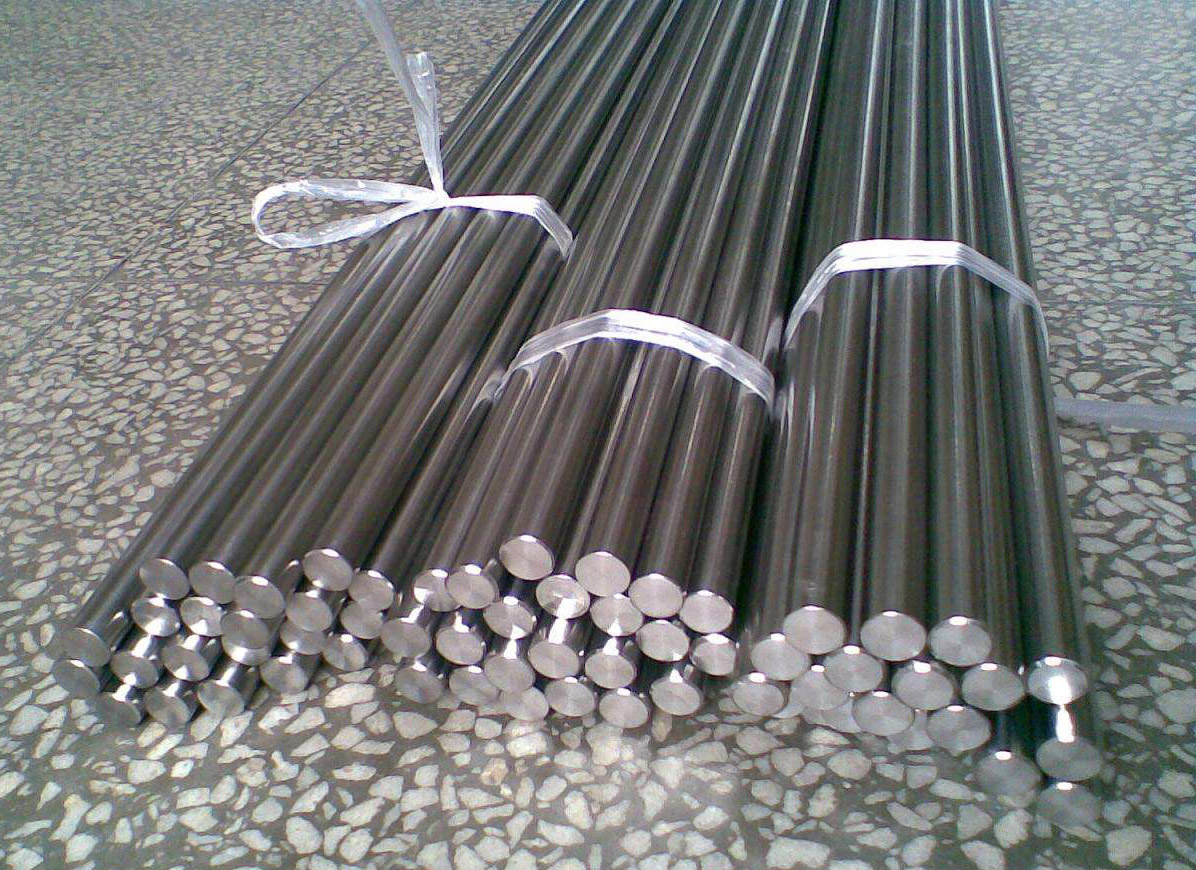
The healthcare industry demands materials that meet the highest standards of biocompatibility, durability, and safety. Among the various materials used in medical applications, the medical titanium bar has emerged as a gold standard for surgical implants, orthopedic devices, and medical instruments. This remarkable material combines exceptional strength-to-weight ratios with outstanding corrosion resistance, making it indispensable in modern medical manufacturing.
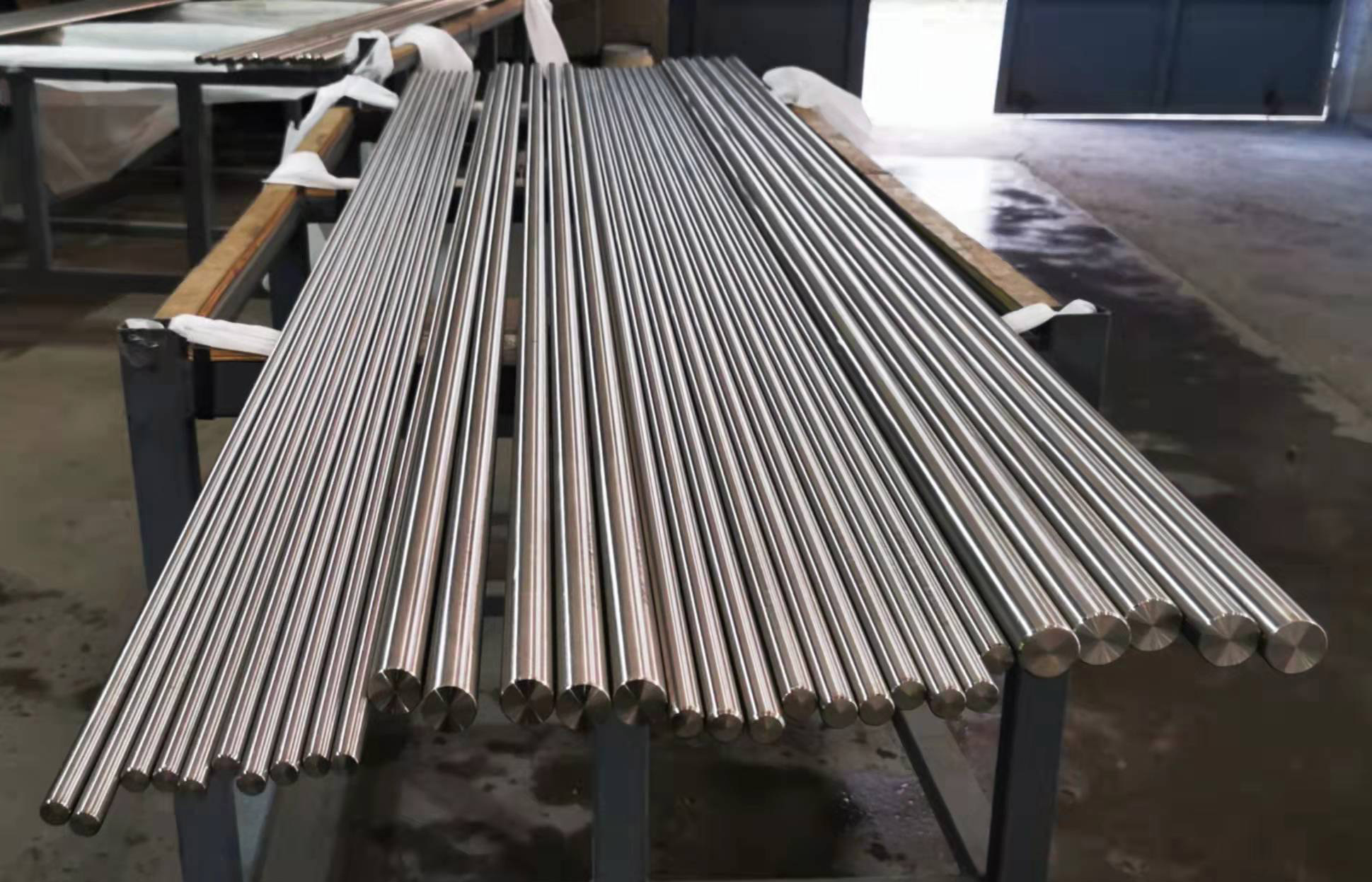
Medical professionals worldwide rely on titanium-based components for their proven track record in human body compatibility. The unique properties of medical titanium bar materials enable surgeons to perform complex procedures with confidence, knowing that the implanted devices will integrate seamlessly with human tissue. Understanding the key features of high-quality medical titanium bars is crucial for healthcare providers, medical device manufacturers, and procurement specialists who must make informed decisions about material selection.
Fundamental Properties of Medical Grade Titanium
Biocompatibility Excellence
The most critical feature of any medical titanium bar is its exceptional biocompatibility. This property ensures that the material does not trigger adverse reactions when in contact with human tissue or bodily fluids. Medical grade titanium demonstrates remarkable inertness, meaning it does not release harmful ions or compounds that could compromise patient health. The material's surface naturally forms a stable oxide layer that prevents corrosion and maintains its integrity over extended periods within the human body.
Clinical studies have consistently shown that medical titanium bar materials exhibit superior osseointegration capabilities, allowing bone tissue to grow directly onto the titanium surface. This biological bonding creates a strong, permanent connection between the implant and the surrounding tissue, reducing the risk of implant failure or rejection. The biocompatibility of medical grade titanium extends beyond mere tolerance, actively promoting healing and tissue integration.
Mechanical Strength Characteristics
High-quality medical titanium bar products possess exceptional mechanical properties that make them suitable for load-bearing applications in the human body. The material exhibits an impressive strength-to-weight ratio, providing the necessary structural support while minimizing the overall weight of implanted devices. This characteristic is particularly important in orthopedic applications where patients must carry the implant throughout their daily activities.
The elastic modulus of medical titanium bar materials closely matches that of human bone, reducing stress shielding effects that can lead to bone resorption around implants. This mechanical compatibility ensures that the natural loading patterns within the skeletal system remain as close to normal as possible, promoting long-term implant success and patient comfort.
Manufacturing Standards and Quality Control
ASTM and ISO Compliance
Premium medical titanium bar manufacturers adhere to stringent international standards, including ASTM F136 and ISO 5832-3 specifications. These standards define the exact chemical composition, mechanical properties, and manufacturing processes required for medical grade titanium. Compliance with these standards ensures that every medical titanium bar meets the rigorous requirements necessary for human implantation.
The certification process involves comprehensive testing of chemical composition, mechanical properties, surface finish, and dimensional accuracy. Each batch of medical titanium bar materials undergoes multiple quality control checkpoints, from raw material inspection through final product verification. This systematic approach guarantees consistency and reliability across all production runs, providing medical professionals with confidence in their material selection.
Surface Treatment and Finishing
The surface characteristics of a medical titanium bar play a crucial role in its performance and acceptance by human tissue. High-quality medical grade titanium bars undergo specialized surface treatments that optimize their biocompatibility and integration properties. These treatments may include passivation processes that enhance the natural oxide layer, creating an even more stable and inert surface.
Advanced surface finishing techniques ensure that medical titanium bar products meet the strict roughness specifications required for medical applications. The controlled surface texture promotes optimal cell adhesion and tissue growth while preventing the accumulation of bacteria or other potentially harmful microorganisms. Proper surface treatment significantly extends the service life of medical devices manufactured from these materials.
Applications in Medical Device Manufacturing
Orthopedic Implant Systems
The orthopedic industry represents one of the largest consumers of medical titanium bar materials. Hip and knee replacement systems manufactured from medical grade titanium provide patients with durable, long-lasting solutions for joint dysfunction. The material's excellent fatigue resistance ensures that these implants can withstand millions of loading cycles throughout a patient's lifetime without failure.
Spinal fusion hardware, including rods, screws, and plates, relies heavily on the superior mechanical properties of medical titanium bar materials. These devices must provide immediate structural support while allowing for long-term bone growth and fusion. The biocompatibility of medical grade titanium promotes the healing process, while its strength maintains spinal alignment during the critical fusion period.
Surgical Instrument Manufacturing
Medical titanium bar materials serve as excellent raw materials for manufacturing precision surgical instruments. The material's resistance to corrosion and staining makes it ideal for instruments that require repeated sterilization cycles. Unlike stainless steel alternatives, medical grade titanium maintains its appearance and performance characteristics even after thousands of sterilization procedures.
The lightweight nature of medical titanium bar materials reduces surgeon fatigue during lengthy procedures, while the material's strength ensures that instruments maintain their precision and reliability. Specialized cutting tools, forceps, and implant insertion instruments manufactured from medical grade titanium offer surgeons the performance they need for successful outcomes.
Material Grades and Specifications
Grade 2 Commercial Pure Titanium
Grade 2 commercial pure titanium represents the most widely used medical titanium bar material for many medical applications. This grade offers excellent corrosion resistance and biocompatibility while maintaining good formability for manufacturing complex shapes. The material's relatively low strength compared to titanium alloys makes it suitable for applications where extreme mechanical properties are not required.
Medical device manufacturers often choose Grade 2 medical titanium bar for applications such as dental implants, surgical mesh, and cardiovascular devices. The material's proven track record in these applications demonstrates its reliability and safety for human implantation. The cost-effectiveness of Grade 2 titanium also makes it an attractive option for high-volume medical device production.
Grade 5 Ti-6Al-4V ELI Alloy
Grade 5 Ti-6Al-4V ELI (Extra Low Interstitial) represents the premium choice for demanding medical applications requiring superior mechanical properties. This medical titanium bar alloy offers significantly higher strength than pure titanium grades while maintaining excellent biocompatibility. The ELI specification ensures reduced levels of oxygen, nitrogen, and carbon, further enhancing the material's ductility and fatigue resistance.
Load-bearing orthopedic implants, such as femoral stems and tibial components, typically utilize Grade 5 ELI medical titanium bar materials. The alloy's exceptional fatigue strength makes it ideal for applications involving cyclic loading, such as joint replacement systems that must function reliably for decades. The material's proven performance in clinical applications has established it as the gold standard for high-stress medical implants.
Quality Assurance and Testing Protocols
Chemical Composition Verification
Every high-quality medical titanium bar undergoes rigorous chemical analysis to verify compliance with medical grade specifications. Advanced spectroscopic techniques, including inductively coupled plasma mass spectrometry, ensure that all alloying elements fall within the strict tolerances required for medical applications. These tests verify that harmful elements, such as iron and chlorine, remain below specified maximum levels.
Trace element analysis plays a critical role in ensuring the biocompatibility of medical titanium bar materials. Even minute concentrations of certain elements can affect the material's performance in biological environments. Comprehensive chemical testing provides the documentation necessary for regulatory approval and gives medical device manufacturers confidence in their material selection.
Mechanical Property Testing
Mechanical testing of medical titanium bar materials includes comprehensive evaluation of tensile strength, yield strength, elongation, and reduction of area. These tests ensure that the material meets the minimum mechanical property requirements specified in international standards. Fatigue testing provides additional assurance that the material will perform reliably under cyclic loading conditions typical of medical implant applications.
Impact testing evaluates the material's ability to absorb energy during sudden loading events, which can occur during implant insertion or patient activities. The results of these mechanical tests form part of the technical documentation required for medical device approval and provide crucial information for design engineers developing new medical products using medical titanium bar materials.
Supply Chain Considerations
Traceability and Documentation
Premium medical titanium bar suppliers maintain complete traceability from raw material sourcing through final product delivery. This documentation includes certificates of analysis, heat treatment records, and quality control test results for every batch of material. The ability to trace materials back to their original source provides essential support for medical device regulatory submissions and post-market surveillance activities.
Comprehensive documentation packages accompanying each medical titanium bar shipment include material certificates, test reports, and handling instructions. This information ensures that medical device manufacturers have all the necessary documentation to support their quality management systems and regulatory compliance requirements. Proper documentation also facilitates efficient inventory management and material planning.
Storage and Handling Requirements
Medical titanium bar materials require careful storage and handling to maintain their quality and performance characteristics. Proper storage conditions include controlled temperature and humidity environments that prevent contamination or degradation of the material surface. Specialized handling procedures ensure that the material's surface finish and dimensional accuracy remain within specification throughout the supply chain.
Contamination prevention during storage and handling is critical for maintaining the biocompatibility of medical titanium bar materials. Contact with carbon steel or other ferrous materials can introduce iron contamination that compromises the material's corrosion resistance. Proper storage protocols include the use of dedicated storage areas, appropriate packaging materials, and trained personnel who understand the unique requirements of medical grade materials.
FAQ
What makes medical titanium bar different from industrial grade titanium
Medical titanium bar differs from industrial grade titanium primarily in its chemical purity, manufacturing controls, and regulatory compliance. Medical grade materials undergo additional purification processes to remove harmful elements and maintain stricter tolerances on chemical composition. The manufacturing environment for medical titanium bar materials includes enhanced cleanliness standards and comprehensive quality control testing that exceeds industrial requirements. Additionally, medical grade titanium must comply with FDA regulations and international medical device standards, requiring extensive documentation and traceability that is not necessary for industrial applications.
How long do medical devices made from medical titanium bar typically last
Medical devices manufactured from high-quality medical titanium bar materials can last several decades when properly designed and implanted. Orthopedic implants made from medical grade titanium routinely function successfully for 20-30 years or longer, depending on patient activity levels and implant design. The exceptional corrosion resistance and biocompatibility of medical titanium bar ensure that the material maintains its integrity throughout extended service periods. However, the actual lifespan of any medical device depends on multiple factors including patient physiology, surgical technique, and post-operative care.
What testing is required to verify the quality of medical titanium bar
Quality verification of medical titanium bar requires comprehensive testing including chemical composition analysis, mechanical property evaluation, surface finish measurement, and dimensional inspection. Chemical testing verifies compliance with ASTM F136 or ISO 5832 standards, while mechanical testing confirms tensile strength, yield strength, and elongation properties. Additional tests may include fatigue testing, corrosion resistance evaluation, and biocompatibility assessment depending on the intended application. All testing must be performed by qualified laboratories using calibrated equipment, with results documented in certificates of compliance.
Can medical titanium bar be customized for specific applications
Yes, medical titanium bar can be customized to meet specific application requirements while maintaining medical grade quality standards. Customization options include various diameters, lengths, surface finishes, and even specialized alloy compositions for unique applications. However, any customization must maintain compliance with relevant medical device standards and may require additional testing and documentation. Reputable suppliers work closely with medical device manufacturers to develop custom medical titanium bar specifications that meet both performance requirements and regulatory standards, ensuring that the final product maintains the biocompatibility and quality characteristics essential for medical applications.