 EN
EN


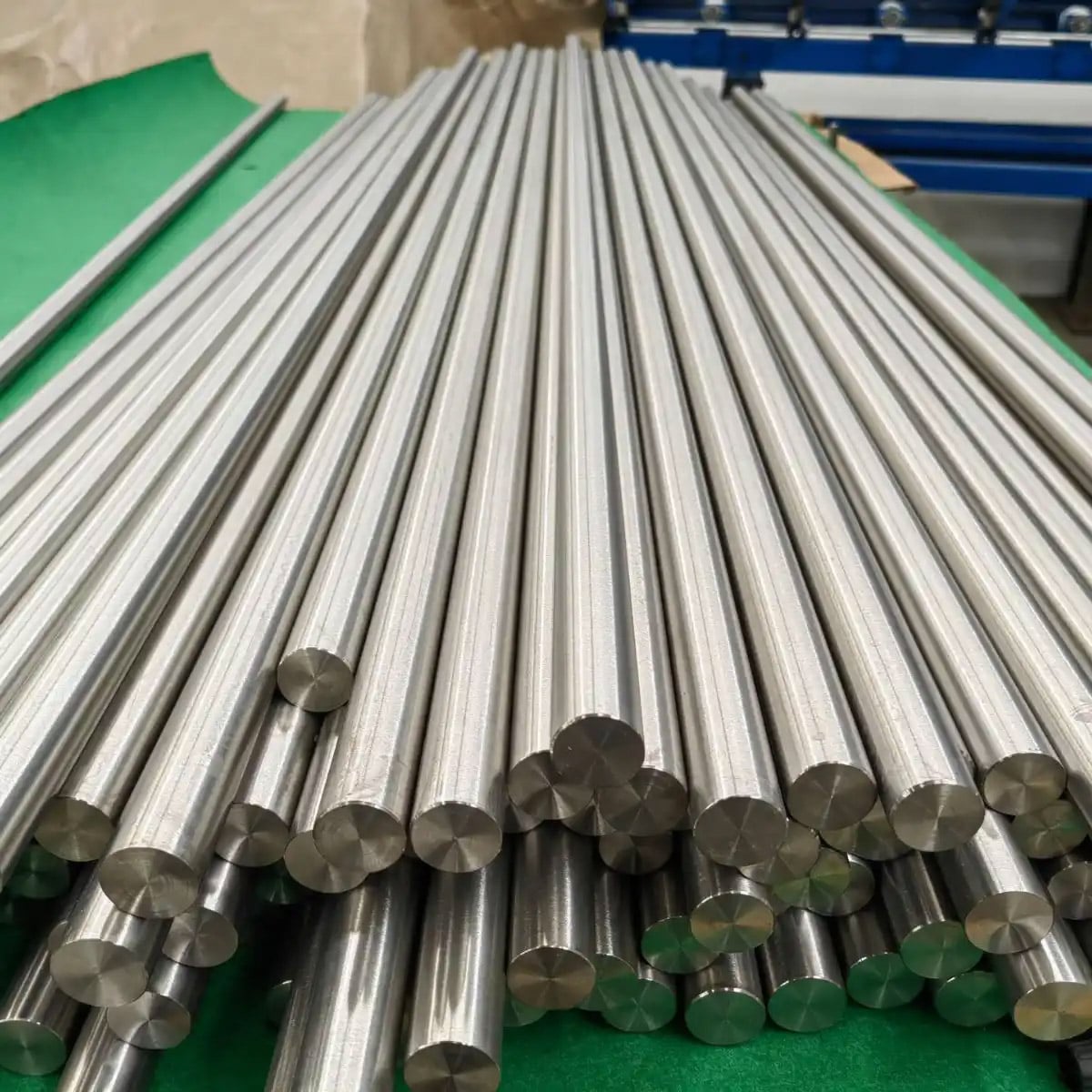
The advancement of surgical procedures has been significantly enhanced by the introduction of specialized materials, particularly the medical titanium bar. This remarkable biomaterial has revolutionized orthopedic and spinal surgeries by providing exceptional biocompatibility, strength, and durability that traditional materials cannot match. Modern surgical teams increasingly rely on these titanium implants to achieve superior patient outcomes while minimizing complications and recovery times.
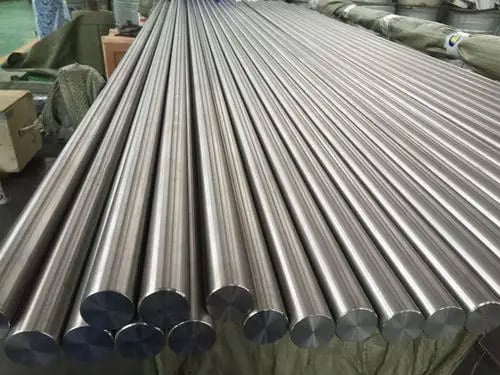
The unique properties of titanium make it an ideal choice for medical applications. Unlike other metals used in surgical procedures, a medical titanium bar demonstrates exceptional resistance to corrosion and maintains structural integrity even under the demanding conditions found within the human body. This biocompatible material seamlessly integrates with bone tissue through a process called osseointegration, creating a permanent bond that supports long-term healing and stability.
Understanding the Superior Properties of Medical Titanium Bars
Biocompatibility and Tissue Integration
The primary advantage of a medical titanium bar lies in its remarkable biocompatibility. When implanted into the human body, titanium exhibits minimal immune response, reducing the risk of rejection or adverse reactions. This compatibility stems from the formation of a thin oxide layer on the surface, which acts as a protective barrier while promoting healthy tissue growth around the implant.
Research has demonstrated that patients receiving medical titanium bar implants experience faster healing times and improved integration with surrounding bone structures. The material's ability to form chemical bonds with bone tissue creates a stable foundation that supports natural healing processes while maintaining the structural integrity required for proper function.
Mechanical Strength and Durability
The exceptional mechanical properties of a medical titanium bar make it superior to alternative materials in demanding surgical applications. Titanium possesses a strength-to-weight ratio that exceeds most other biomedical materials, providing the necessary support for load-bearing applications while minimizing the overall weight of the implant.
This combination of strength and lightweight properties is particularly beneficial in spinal fusion procedures, where the medical titanium bar must withstand significant mechanical stress while allowing for natural movement and flexibility. The material's fatigue resistance ensures long-term performance, reducing the likelihood of implant failure and the need for revision surgeries.
Clinical Applications and Surgical Benefits
Spinal Fusion Procedures
In spinal fusion surgeries, the medical titanium bar serves as a critical component for stabilizing vertebrae and promoting proper fusion. These procedures often involve the treatment of degenerative disc disease, spinal deformities, and traumatic injuries where traditional healing methods prove insufficient.
The use of medical titanium bar systems in spinal fusion has demonstrated significant improvements in patient outcomes, including reduced pain levels, improved mobility, and faster return to normal activities. The material's ability to maintain proper spinal alignment while supporting natural bone growth makes it an essential tool in modern spine surgery.
Orthopedic Reconstruction
Beyond spinal applications, a medical titanium bar plays a crucial role in various orthopedic reconstruction procedures. These applications include the repair of long bone fractures, treatment of bone defects, and reconstruction following tumor removal. The versatility of titanium allows surgeons to customize implants according to specific patient needs and anatomical requirements.
The success of orthopedic procedures utilizing medical titanium bar technology has led to improved functional outcomes and enhanced quality of life for patients. The material's compatibility with imaging techniques also allows for better post-operative monitoring and assessment of healing progress without interference from the implant.
Advanced Manufacturing and Quality Standards
Precision Engineering and Surface Treatments
The production of a medical titanium bar requires adherence to strict manufacturing standards and quality control measures. Advanced machining techniques ensure precise dimensions and surface finishes that promote optimal tissue integration and reduce the risk of complications. Surface treatments, including plasma spraying and anodization, further enhance the biocompatibility and performance characteristics of the implant.
These manufacturing processes create medical titanium bar products with consistent quality and reliability, essential factors in achieving predictable surgical outcomes. The attention to detail in production ensures that each implant meets the rigorous standards required for safe and effective medical use.
Regulatory Compliance and Testing
Every medical titanium bar must undergo extensive testing and certification to ensure compliance with international medical device standards. These requirements include biocompatibility testing, mechanical property validation, and sterilization verification. The comprehensive testing protocols provide confidence in the safety and efficacy of titanium implants for surgical applications.
The regulatory framework surrounding medical titanium bar production ensures that patients receive implants that meet the highest standards of quality and safety. This rigorous oversight contributes to the excellent track record of titanium implants in clinical practice and supports continued innovation in the field.
Patient Outcomes and Recovery Benefits
Reduced Surgical Complications
The use of a medical titanium bar in surgical procedures has been associated with significantly reduced complication rates compared to traditional materials. The biocompatible nature of titanium minimizes the risk of infection and inflammatory responses, leading to smoother recovery processes and improved patient satisfaction.
Studies have shown that patients receiving medical titanium bar implants experience fewer post-operative complications, including reduced incidence of implant loosening, fracture, and the need for revision surgeries. These outcomes translate to lower healthcare costs and improved long-term prognosis for patients.
Enhanced Quality of Life
The long-term benefits of medical titanium bar implants extend beyond immediate surgical success to include substantial improvements in patient quality of life. The durability and reliability of titanium implants provide patients with confidence in their treatment outcomes and allow for a more active lifestyle following recovery.
The ability of a medical titanium bar to maintain its properties over time ensures that patients can enjoy the benefits of their surgical treatment for decades without concern about implant failure or degradation. This longevity makes titanium an excellent investment in patient health and well-being.
Future Developments and Innovation
Advanced Alloy Compositions
Ongoing research in medical titanium bar technology focuses on developing advanced alloy compositions that further enhance biocompatibility and mechanical properties. These innovations aim to create materials with improved osseointegration capabilities and reduced elastic modulus to better match the properties of natural bone.
The development of new titanium alloys specifically designed for medical applications promises to expand the capabilities of medical titanium bar implants and improve outcomes for an even broader range of surgical procedures. These advances represent the continued evolution of biomaterial science in support of better patient care.
3D Printing and Custom Fabrication
The integration of 3D printing technology with medical titanium bar production opens new possibilities for customized implants tailored to individual patient anatomy. This manufacturing approach allows for the creation of complex geometries and patient-specific designs that optimize fit and function while maintaining the superior properties of titanium.
Custom fabricated medical titanium bar implants using additive manufacturing techniques represent the future of personalized medicine, where treatments are specifically designed for each patient's unique needs and anatomical characteristics. This level of customization has the potential to further improve surgical outcomes and patient satisfaction.
FAQ
What makes a medical titanium bar superior to other implant materials?
A medical titanium bar offers superior biocompatibility, excellent strength-to-weight ratio, and corrosion resistance that surpasses other materials. Its ability to integrate with bone tissue through osseointegration creates a permanent, stable bond that supports long-term healing and reduces the risk of implant failure or rejection.
How long can a medical titanium bar implant last in the human body?
Medical titanium bar implants are designed to last for decades when properly installed and maintained. The exceptional durability and fatigue resistance of titanium, combined with its biocompatible properties, allow these implants to maintain their structural integrity and function throughout a patient's lifetime in most cases.
Are there any risks associated with medical titanium bar implants?
While medical titanium bar implants have an excellent safety record, potential risks include infection, mechanical loosening, or rare allergic reactions. However, the biocompatible nature of titanium significantly reduces these risks compared to other materials, and proper surgical technique and post-operative care minimize complications.
Can medical titanium bar implants be detected by airport security or medical imaging?
Medical titanium bar implants may be detected by airport security systems, but titanium is non-magnetic and safe for MRI procedures. Patients should carry documentation of their implant for security screening purposes. The material's compatibility with various imaging techniques allows for effective monitoring and assessment without interference.