 EN
EN

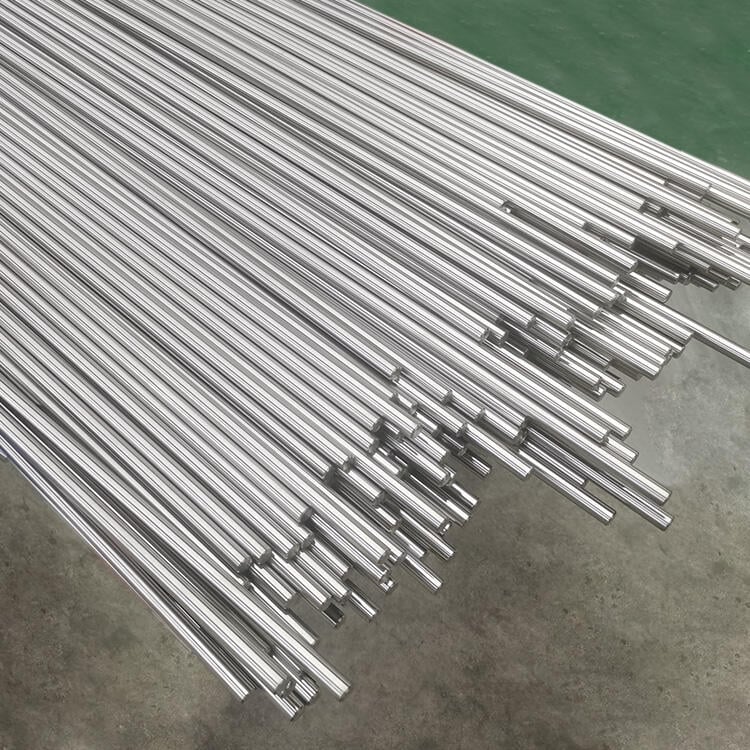
Titanium rods represent one of the most critical components in modern industrial applications, from aerospace manufacturing to medical device production. These exceptional materials combine outstanding strength-to-weight ratios with remarkable corrosion resistance, making them indispensable across numerous sectors. However, even the most durable titanium rods require proper maintenance protocols to preserve their surface integrity and extend operational lifespan. Understanding the fundamental principles of titanium rod maintenance ensures optimal performance while minimizing costly replacements and potential system failures.
Understanding Titanium Rod Surface Properties
Natural Oxide Layer Formation
The surface characteristics of titanium rods are fundamentally different from conventional metals due to their unique oxide layer formation. When exposed to oxygen, titanium spontaneously develops a thin, adherent titanium dioxide layer that provides exceptional corrosion protection. This natural barrier typically measures between 2-10 nanometers thick and regenerates automatically when damaged. The oxide layer's stability depends on environmental conditions, with factors such as temperature, humidity, and chemical exposure influencing its effectiveness. Understanding this protective mechanism is essential for developing appropriate maintenance strategies that preserve rather than compromise this natural defense system.
Surface contamination can significantly impact the oxide layer's integrity, leading to localized corrosion or discoloration. Common contaminants include chlorides, sulfur compounds, and organic residues that can penetrate or disrupt the protective barrier. Regular monitoring of surface conditions helps identify early signs of contamination before significant damage occurs. Professional inspection techniques, including visual examination and specialized testing methods, provide valuable insights into surface health and maintenance requirements.
Mechanical Properties and Surface Stress
Surface stress patterns in titanium rods directly influence their susceptibility to various forms of damage, including fatigue cracking and wear. Manufacturing processes, handling procedures, and operational loads create residual stresses that can concentrate at surface irregularities. These stress concentrations become initiation points for crack propagation, particularly under cyclic loading conditions. Proper maintenance protocols must address both existing stress patterns and prevention of additional stress-inducing factors.
Heat treatment and surface finishing techniques can significantly modify stress distributions within titanium rods, improving their resistance to surface damage. Controlled cooling rates, stress relief annealing, and surface peening treatments help establish favorable residual stress patterns. Understanding these relationships enables maintenance personnel to implement targeted interventions that enhance surface durability and extend component life.
Essential Cleaning and Preparation Techniques
Chemical Cleaning Protocols
Effective chemical cleaning of titanium rods requires careful selection of cleaning agents that remove contaminants without attacking the base material or oxide layer. Alkaline cleaners typically provide excellent results for removing organic residues, oils, and general industrial soiling. These solutions work by saponifying oils and suspending particulate matter, making them easily removable through rinsing. Typical alkaline cleaning formulations include sodium hydroxide or potassium hydroxide solutions at concentrations between 2-10%, depending on contamination levels and cleaning requirements.
Acid cleaning protocols address more stubborn contaminants, including heat tint, oxidation products, and mineral deposits. Hydrofluoric acid solutions, when properly controlled and applied, can effectively remove surface contamination while preserving the underlying material integrity. However, these aggressive chemicals require specialized handling procedures, appropriate personal protective equipment, and thorough neutralization protocols. Alternative acid cleaning systems, such as nitric-hydrofluoric acid mixtures, provide controlled etching action that removes contaminated surface layers while establishing fresh, protective oxide films.
Mechanical Surface Preparation
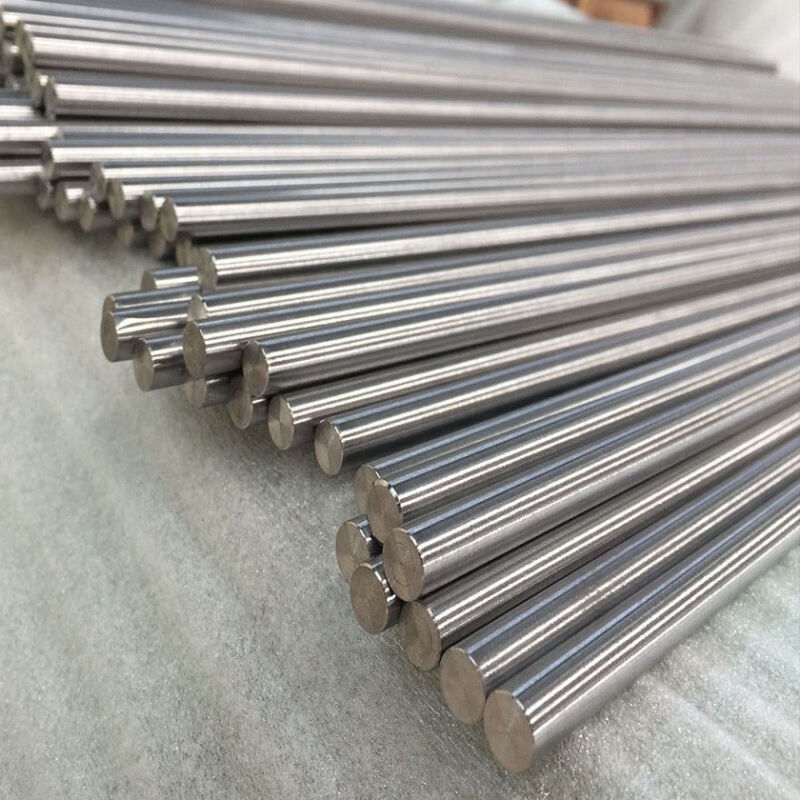
Mechanical cleaning methods for titanium rods focus on contaminant removal while minimizing surface damage and preserving dimensional accuracy. Abrasive cleaning techniques, including media blasting and mechanical polishing, require careful parameter control to avoid introducing surface defects or excessive material removal. Glass bead blasting provides gentle cleaning action suitable for removing light contamination and surface oxidation without creating deep surface scratches or embedding foreign particles.
Hand finishing techniques using appropriate abrasive materials offer precise control over surface preparation processes. Silicon carbide and aluminum oxide abrasives in progressively finer grits enable systematic surface improvement while maintaining geometric tolerances. Proper technique involves consistent pressure application, appropriate cutting fluid use, and regular abrasive replacement to prevent loading and scratching. Cross-contamination prevention requires dedicated tools and work areas specifically designated for titanium processing.
Environmental Protection Strategies
Storage Environment Control
Proper storage environments play a crucial role in maintaining titanium rod surface integrity during periods of non-use. Humidity control represents one of the most important factors, as excessive moisture can accelerate certain forms of surface deterioration and promote contamination accumulation. Ideal storage conditions maintain relative humidity levels between 30-50%, with consistent temperature control to prevent condensation formation. Climate-controlled storage facilities equipped with proper ventilation systems help maintain these optimal conditions year-round.
Chemical contamination prevention during storage requires careful attention to atmospheric composition and potential contaminant sources. Volatile organic compounds, acid vapors, and chloride-containing atmospheres can compromise titanium rod surfaces even during storage periods. Segregated storage areas, proper ventilation systems, and regular air quality monitoring help identify and eliminate contamination sources. Protective packaging materials, including vapor barrier films and desiccant systems, provide additional protection against environmental contaminants.
Handling and Transportation Protection
Safe handling procedures for titanium rods emphasize contamination prevention and mechanical damage avoidance throughout transportation and positioning operations. Clean handling tools, including aluminum or titanium lifting devices, prevent cross-contamination from ferrous materials that could initiate galvanic corrosion. Protective sleeves and padding systems distribute loading forces while providing barrier protection against environmental contaminants and mechanical damage.
Transportation protocols must address both short-term handling requirements and long-distance shipping considerations. Secure packaging systems prevent movement-induced damage while maintaining protective atmospheres during transit. Documentation systems tracking handling history, environmental exposures, and maintenance activities provide valuable information for subsequent processing and quality assurance activities. Proper communication between handling personnel ensures consistent application of protection procedures throughout the supply chain.
Inspection and Monitoring Methods
Visual Inspection Techniques
Systematic visual inspection of titanium rods provides the foundation for effective maintenance programs, enabling early detection of surface anomalies before they develop into significant problems. Proper lighting conditions, including high-intensity white light sources and appropriate magnification equipment, ensure thorough examination of all surface areas. Inspection procedures should follow standardized patterns that guarantee complete coverage while documenting any observed irregularities, discoloration, or contamination.
Surface condition documentation systems capture inspection findings in formats suitable for trend analysis and maintenance planning. Digital photography with standardized lighting and positioning enables consistent documentation and comparison over time. Detailed inspection records, including date, inspector identification, environmental conditions, and specific findings, support quality management systems and regulatory compliance requirements. Regular inspector training and calibration activities ensure consistent application of inspection criteria and accurate identification of potential problems.
Advanced Testing Methods
Non-destructive testing techniques provide detailed information about titanium rod surface and subsurface conditions without compromising material integrity. Penetrant testing effectively reveals surface-breaking defects, including cracks, porosity, and other discontinuities that may not be visible during routine visual inspection. Proper penetrant selection, application procedures, and interpretation protocols ensure reliable detection of surface flaws that could propagate under service conditions.
Ultrasonic testing methods enable evaluation of subsurface conditions and thickness measurements that support comprehensive condition assessment. High-frequency ultrasonic transducers provide excellent resolution for detecting near-surface anomalies and measuring remaining wall thickness in critical areas. Eddy current testing offers rapid screening capabilities for surface and near-surface defects while providing quantitative measurements of electrical conductivity changes that may indicate material degradation or contamination.
Preventive Maintenance Scheduling
Routine Maintenance Intervals
Establishing appropriate maintenance intervals for titanium rods requires careful consideration of operating conditions, environmental exposures, and performance requirements. High-stress applications or aggressive environments may necessitate more frequent inspection and maintenance activities, while stable operating conditions allow extended intervals between major maintenance events. Service history data, failure analysis results, and manufacturer recommendations provide valuable guidance for developing initial maintenance schedules that can be refined based on actual performance experience.
Condition-based maintenance approaches offer more efficient resource utilization by scheduling maintenance activities based on actual component condition rather than predetermined time intervals. Regular monitoring of key performance indicators, including surface condition, dimensional stability, and operational parameters, enables maintenance decisions based on actual need rather than conservative scheduling. This approach requires robust monitoring systems and trained personnel capable of interpreting condition data and making appropriate maintenance recommendations.
Documentation and Record Keeping
Comprehensive documentation systems support effective maintenance programs by capturing historical performance data, maintenance activities, and component genealogy information. Detailed maintenance records enable trend analysis, failure prediction, and optimization of maintenance procedures based on actual performance experience. Electronic record-keeping systems facilitate data analysis and reporting while ensuring information accessibility for maintenance planning and regulatory compliance activities.
Traceability systems linking individual titanium rods to their complete service history provide valuable information for maintenance planning and failure investigation activities. Material certifications, processing records, inspection results, and maintenance activities create comprehensive component histories that support informed decision-making throughout the component lifecycle. Regular data backup and archival procedures ensure long-term information preservation and availability for future reference and analysis.
FAQ
What cleaning agents should be avoided when maintaining titanium rods
Several cleaning agents can cause significant damage to titanium rods and should be strictly avoided during maintenance procedures. Chlorinated solvents, including trichloroethylene and methylene chloride, can cause stress corrosion cracking and should never be used on titanium components. Hydrochloric acid and other halogen-containing acids can lead to rapid corrosion and surface degradation. Strong alkalis at elevated temperatures may also attack the protective oxide layer, compromising corrosion resistance.
How often should titanium rods undergo professional inspection
Professional inspection frequency for titanium rods depends primarily on operating conditions and application criticality. Components operating in aggressive environments or high-stress applications typically require inspection every 6-12 months, while those in stable, low-stress conditions may be inspected annually or even less frequently. Critical applications, such as aerospace or medical devices, may require more frequent professional inspection regardless of operating conditions. Regular visual inspections by trained operators should occur much more frequently, typically monthly or even weekly in demanding applications.
Can surface scratches on titanium rods be repaired effectively
Minor surface scratches on titanium rods can often be repaired through controlled polishing and refinishing procedures, provided they do not exceed critical depth limits. Scratches deeper than 10% of the wall thickness generally require engineering evaluation to determine repair feasibility and methods. Light polishing with appropriate abrasives can remove shallow scratches while restoring surface finish and protective oxide layer integrity. However, excessive material removal during repair operations may compromise dimensional tolerances and structural integrity.
What environmental factors most significantly impact titanium rod surface degradation
Temperature fluctuations, humidity levels, and chemical contamination represent the most significant environmental factors affecting titanium rod surface degradation. Rapid temperature cycling can cause thermal stress and oxide layer disruption, while high humidity promotes contamination accumulation and may accelerate certain degradation mechanisms. Chloride exposure, even at low concentrations, can initiate localized corrosion in stressed areas. Atmospheric pollutants, including sulfur compounds and organic vapors, can also compromise surface integrity over time through chemical interaction with the protective oxide layer.