 EN
EN


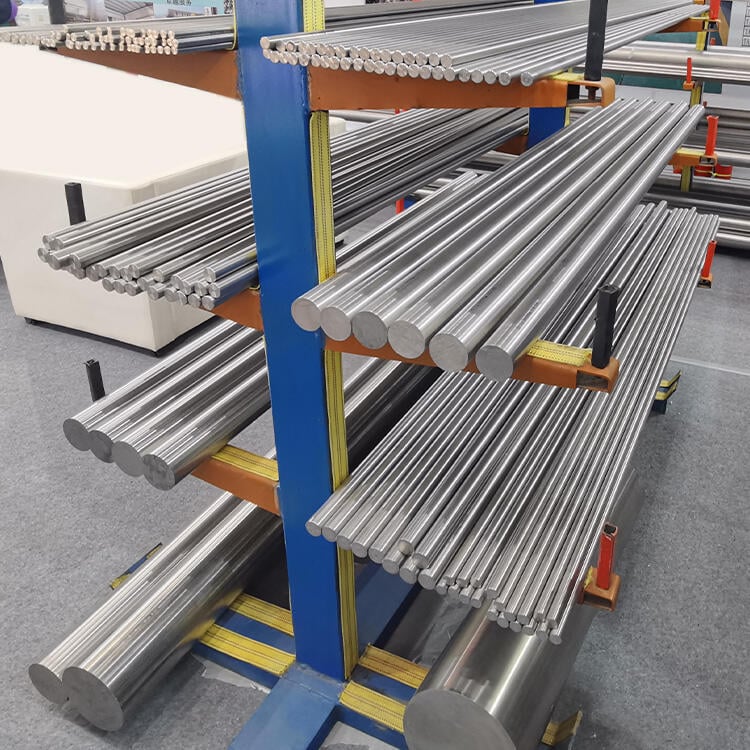
Titanium rods have emerged as one of the most sought-after materials in modern engineering and manufacturing applications, combining exceptional mechanical properties with outstanding environmental resistance. These cylindrical metal components offer unique advantages that make them indispensable across aerospace, medical, marine, and industrial sectors. The remarkable strength-to-weight ratio and superior corrosion resistance of titanium rods have revolutionized how engineers approach challenging design requirements where traditional materials fall short.
The growing demand for high-performance materials has positioned titanium rods as a premium solution for applications requiring both structural integrity and longevity. Industries worldwide continue to discover new applications for these versatile components, driven by their ability to maintain performance under extreme conditions. Understanding the specific properties and benefits of titanium rods enables engineers and procurement specialists to make informed decisions for their most critical applications.
Fundamental Properties of Titanium Rod Materials
Mechanical Strength Characteristics
Titanium rods exhibit exceptional tensile strength, typically ranging from 240 to 1400 MPa depending on the specific grade and processing methods employed. This impressive strength allows titanium rods to withstand significant mechanical loads while maintaining structural integrity over extended service periods. The material's yield strength often exceeds that of many steel alloys while weighing approximately 40% less, creating opportunities for weight reduction without compromising performance.
The fatigue resistance of titanium rods surpasses most conventional metals, making them ideal for cyclical loading applications. This property stems from titanium's crystalline structure and the absence of stress concentrators that typically plague other materials. Engineers particularly value this characteristic in rotating machinery, aerospace components, and medical implants where repeated stress cycles are common.
Density and Weight Advantages
With a density of approximately 4.5 g/cm³, titanium rods offer significant weight savings compared to steel alternatives while delivering comparable or superior strength. This favorable strength-to-weight ratio enables designers to reduce overall system weight, leading to improved fuel efficiency in transportation applications and reduced structural loading in building systems. The weight reduction potential of titanium rods often justifies their higher initial cost through operational savings over the component lifecycle.
The lightweight nature of titanium rods facilitates easier handling and installation procedures, reducing labor costs and safety risks during construction and maintenance activities. This advantage becomes particularly pronounced in aerospace applications where every gram of weight reduction translates to measurable performance improvements and fuel savings over operational lifetimes.
Corrosion Resistance Mechanisms
Passive Oxide Layer Formation
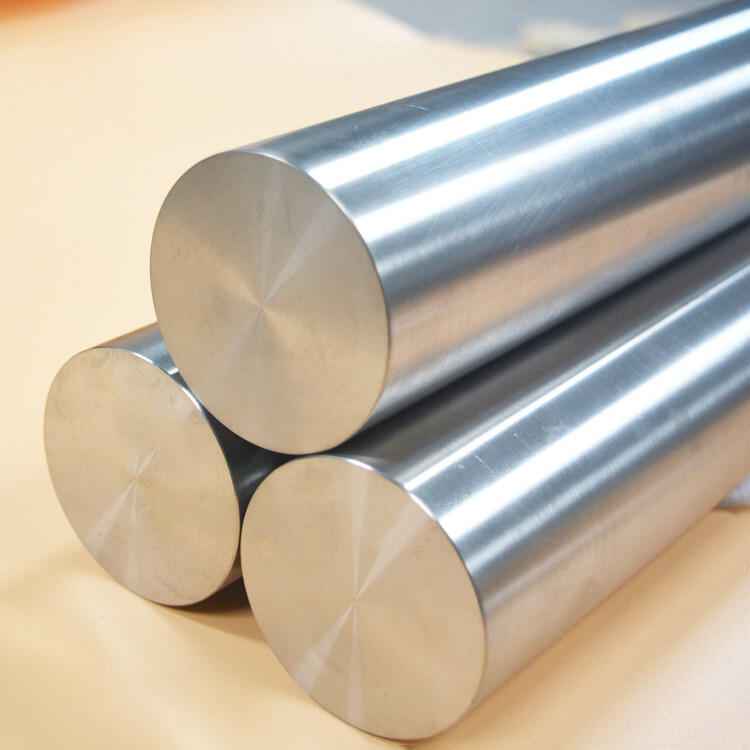
The exceptional corrosion resistance of titanium rods results from the spontaneous formation of a stable titanium dioxide oxide layer on the surface when exposed to oxygen. This passive layer, typically only a few nanometers thick, provides remarkable protection against various corrosive environments including saltwater, acids, and alkaline solutions. The self-healing nature of this oxide layer ensures continued protection even when the surface experiences minor damage or scratching.
Unlike many protective coatings that can degrade over time, the natural oxide layer on titanium rods continuously regenerates, maintaining long-term corrosion protection without external maintenance. This characteristic makes titanium rods particularly valuable in marine environments, chemical processing facilities, and other corrosive atmospheres where maintenance access may be limited or costly.
Chemical Compatibility Advantages
Titanium rods demonstrate remarkable compatibility with biological systems, making them biocompatible for medical applications including orthopedic implants and surgical instruments. The material's inert nature prevents adverse reactions with human tissue while maintaining mechanical properties over extended implantation periods. This biocompatibility, combined with corrosion resistance, has established titanium rods as the gold standard for many medical device applications.
The chemical stability of titanium rods extends to industrial applications involving exposure to aggressive chemicals, high temperatures, and oxidizing environments. Process industries rely on titanium rods for equipment operating in harsh chemical environments where stainless steel and other alloys would rapidly deteriorate, ensuring reliable operation and extended service intervals.
Manufacturing and Processing Methods
Production Techniques and Quality Control
Modern manufacturing of titanium rods employs sophisticated processes including vacuum arc remelting and electron beam melting to achieve consistent material properties and eliminate impurities that could compromise performance. These advanced production methods ensure uniform grain structure and optimal mechanical properties throughout the rod cross-section. Quality control measures include ultrasonic testing, chemical analysis, and mechanical property verification to guarantee compliance with stringent industry standards.
The manufacturing process for titanium rods requires precise temperature control and atmospheric conditions to prevent contamination that could affect corrosion resistance or mechanical properties. Specialized equipment and expertise necessary for titanium rod production contribute to material costs but ensure consistent quality and performance characteristics that justify the investment in critical applications.
Grades and Alloy Specifications
Commercial titanium rods are available in various grades, from commercially pure titanium (Grades 1-4) to high-strength titanium alloys like Ti-6Al-4V and Ti-6Al-2Sn-4Zr-6Mo. Each grade offers specific combinations of strength, corrosion resistance, and workability suited to different application requirements. Grade selection depends on factors including operating environment, mechanical loading, and processing requirements specific to the intended application.
Advanced titanium alloys used in titanium rods can be heat-treated and processed to achieve tailored properties for specialized applications. These treatments can optimize characteristics such as creep resistance, fracture toughness, or high-temperature performance, allowing engineers to specify materials precisely matched to application demands.
Industrial Applications and Use Cases
Aerospace and Aviation Industry
The aerospace industry represents one of the largest consumers of titanium rods, utilizing them in critical structural components, landing gear systems, and engine applications. The combination of high strength, low weight, and temperature resistance makes titanium rods essential for modern aircraft design where performance margins are critical. Military and commercial aviation applications rely on titanium rods for components operating under extreme conditions including high temperatures, vibration, and corrosive environments.
Spacecraft and satellite applications demand the unique properties of titanium rods for structural frameworks and mechanical systems exposed to the harsh environment of space. The material's resistance to atomic oxygen, thermal cycling, and radiation makes it indispensable for long-duration missions where component failure is not acceptable.
Medical and Biomedical Applications
Orthopedic surgery extensively employs titanium rods for bone fixation, spinal fusion systems, and joint replacement components due to their biocompatibility and mechanical properties closely matching human bone. The corrosion resistance of titanium rods ensures long-term stability within the human body without releasing harmful ions or degradation products. Surgical instruments manufactured from titanium rods provide durability and maintain sharp edges while resisting sterilization processes that would damage other materials.
Dental applications utilize titanium rods for implant posts and orthodontic devices, leveraging the material's ability to integrate with bone tissue through osseointegration. The non-magnetic properties of titanium rods also make them suitable for patients requiring MRI imaging, as they do not create artifacts or safety concerns during medical procedures.
Economic Considerations and Cost Analysis
Initial Investment versus Lifecycle Costs
While titanium rods command higher initial purchase prices compared to steel or aluminum alternatives, their extended service life and reduced maintenance requirements often result in lower total cost of ownership. The corrosion resistance of titanium rods eliminates the need for protective coatings, periodic replacement, or extensive maintenance programs required by other materials in harsh environments. This economic advantage becomes more pronounced in applications with high replacement costs or difficult access for maintenance.
Industries calculating lifecycle costs increasingly recognize the value proposition of titanium rods, particularly in applications where downtime costs exceed material costs. The reliability and longevity of titanium rods contribute to improved operational efficiency and reduced unplanned maintenance expenses over equipment lifecycles.
Market Trends and Availability
Global demand for titanium rods continues growing across multiple industries, driven by increasing awareness of their performance advantages and expanding application possibilities. Supply chain developments and improved manufacturing efficiency have gradually reduced costs while maintaining quality standards. Market forecasts indicate continued growth in titanium rod consumption as industries prioritize performance and sustainability over initial material costs.
Recycling programs for titanium rods contribute to sustainability initiatives while helping control material costs through recovered titanium content. The high value of titanium scrap creates economic incentives for recycling programs that support circular economy principles while reducing environmental impact of titanium rod production.
Frequently Asked Questions
What makes titanium rods superior to stainless steel for corrosive environments
Titanium rods form a naturally occurring oxide layer that provides superior corrosion protection compared to stainless steel, particularly in chloride environments and acidic conditions. While stainless steel relies on chromium content for corrosion resistance, titanium rods develop a self-healing titanium dioxide layer that continuously protects the underlying material. This makes titanium rods virtually immune to pitting, crevice corrosion, and stress corrosion cracking that commonly affect stainless steel in marine and chemical processing applications.
How do titanium rods perform under high-temperature conditions
Titanium rods maintain excellent mechanical properties at elevated temperatures up to approximately 400°C for commercial grades and higher for specialized alloys. The material exhibits good creep resistance and thermal stability, making it suitable for applications involving sustained high-temperature exposure. However, titanium rods require protection from oxygen absorption at very high temperatures, which can cause embrittlement, necessitating controlled atmosphere processing or protective coatings for extreme temperature applications.
Are titanium rods suitable for machining and fabrication processes
Titanium rods can be successfully machined and fabricated using appropriate techniques and tooling, though they require more careful attention than steel or aluminum. The material's low thermal conductivity and work-hardening characteristics demand sharp cutting tools, adequate cooling, and controlled feed rates to prevent tool wear and surface damage. With proper machining parameters, titanium rods can be turned, milled, drilled, and welded to produce complex components while maintaining their excellent properties.
What quality certifications should buyers expect for titanium rods
Quality titanium rods should come with material certifications including chemical composition analysis, mechanical property test results, and traceability documentation to raw material sources. Industry standards such as ASTM B348, AMS specifications, and ISO certifications ensure consistent quality and performance characteristics. Buyers should verify that suppliers maintain appropriate quality management systems and provide documentation supporting material grade claims and testing results for critical applications.