 EN
EN


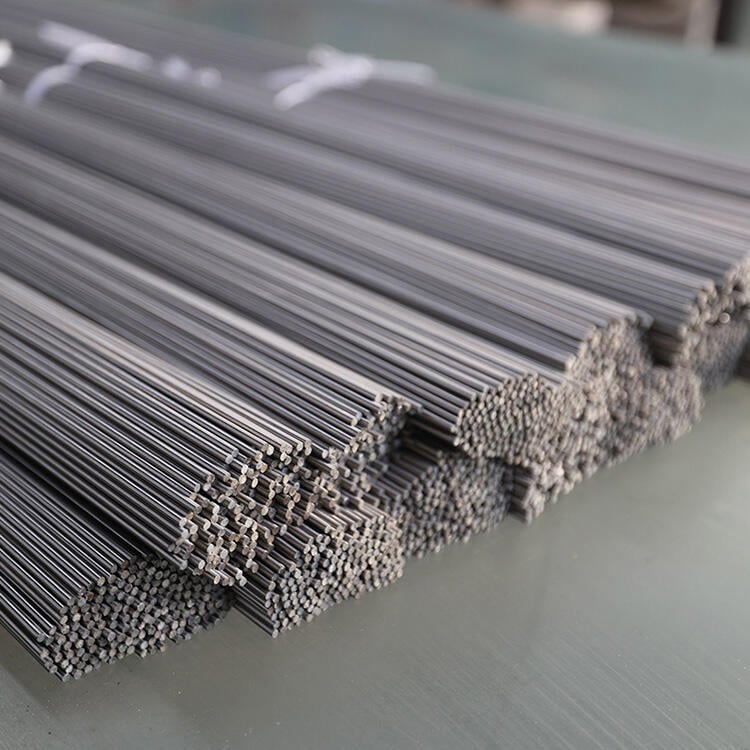
Medical titanium rods represent one of the most significant advances in modern orthopedic and reconstructive surgery. These biocompatible implants have revolutionized how surgeons approach complex bone repairs, spinal corrections, and limb reconstruction procedures. The unique properties of titanium, including its excellent strength-to-weight ratio, corrosion resistance, and biocompatibility, make these rods ideal for supporting healing bones and providing long-term structural stability. Understanding which surgical procedures benefit most from titanium rod implantation helps both medical professionals and patients make informed decisions about treatment options.
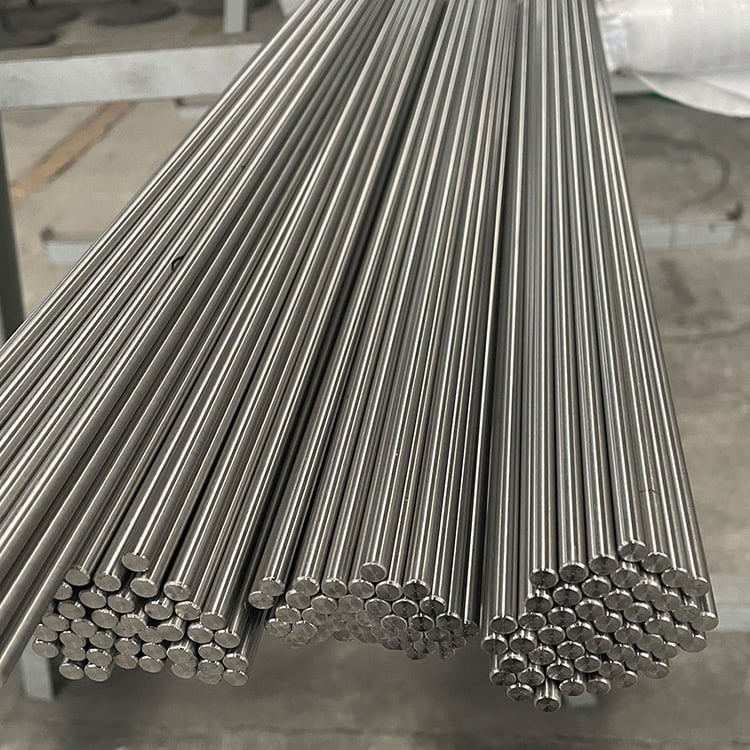
Spinal Surgery Applications
Scoliosis Correction Procedures
Spinal deformity correction, particularly for scoliosis, represents one of the primary applications where medical titanium rods demonstrate exceptional effectiveness. During posterior spinal fusion surgery, titanium rods are strategically placed along the spine to correct curvature and maintain proper alignment. The rods work in conjunction with screws, hooks, and bone grafts to create a stable construct that allows the vertebrae to fuse together permanently. This approach has become the gold standard for treating severe scoliosis curves exceeding 40-50 degrees in adolescents and adults.
The flexibility and strength characteristics of titanium make it particularly suitable for growing patients. Unlike stainless steel alternatives, titanium rods can accommodate some degree of continued growth while maintaining correction. Surgeons often employ dual-rod constructs for enhanced stability, with the rods spanning multiple vertebral levels to achieve optimal correction and prevent curve progression. The biocompatibility of titanium also reduces the risk of adverse reactions, making it safer for long-term implantation in young patients who may live with these implants for decades.
Degenerative Disc Disease Treatment
Adult patients suffering from severe degenerative disc disease often require spinal fusion procedures utilizing medical titanium rods for stabilization. These conditions typically involve multiple levels of the spine where disc deterioration has caused instability, pain, and neurological symptoms. Titanium rods provide the necessary support to maintain proper disc height and spinal alignment during the fusion process. The procedure involves removing damaged disc material, inserting bone graft or cage devices, and securing the construct with titanium rods and pedicle screws.
The superior fatigue resistance of titanium becomes particularly important in lumbar spine applications where mechanical stresses are highest. Patients experience significant pain relief and improved function when properly stabilized constructs allow successful bone fusion. Long-term studies have shown excellent outcomes with titanium rod systems in treating degenerative conditions, with fusion rates exceeding 90% when appropriate surgical techniques are employed. The material's resistance to corrosion ensures implant integrity even in the challenging biochemical environment of the human body.
Orthopedic Trauma Applications
Femur Fracture Repair
Complex femur fractures, particularly those involving the shaft or subtrochanteric region, frequently require internal fixation using intramedullary titanium rods. These procedures involve inserting a rod through the medullary canal of the femur to provide internal splinting and maintain bone alignment during healing. The technique has become preferred over external fixation methods because it allows earlier mobilization, reduces infection risk, and provides superior biomechanical stability. Titanium's excellent strength properties enable the use of smaller diameter rods while maintaining adequate support for weight-bearing activities.
The insertion process typically involves reaming the medullary canal to accommodate the rod diameter, followed by precise placement and securing with interlocking screws at both ends. This configuration creates a stable construct that can withstand the significant forces generated during normal walking and activities of daily living. Recovery times are substantially reduced compared to conservative treatment methods, and patients often achieve better functional outcomes. The biocompatible nature of titanium minimizes the risk of implant-related complications, making it suitable for patients across all age groups.
Tibia and Fibula Reconstruction
Lower leg fractures involving the tibia and fibula present unique challenges that are effectively addressed using medical titanium rods. These bones bear significant weight and are prone to delayed healing or nonunion when not properly stabilized. Intramedullary nailing with titanium rods provides optimal mechanical support while preserving blood supply to the fracture site. The procedure involves careful reduction of fracture fragments followed by rod insertion through either an antegrade or retrograde approach, depending on fracture location and configuration.
Titanium's modulus of elasticity more closely matches that of human bone compared to stainless steel alternatives, reducing stress shielding effects that can impair bone healing. This property becomes particularly important in weight-bearing bones where proper load transmission is essential for optimal healing. Clinical studies have demonstrated superior healing rates and reduced complications when titanium rods are used for tibia fracture fixation. The ability to maintain reduction while allowing controlled micromotion promotes bone healing through both primary and secondary healing mechanisms.
Reconstructive Surgery Benefits
Limb Lengthening Procedures
Limb length discrepancies resulting from congenital conditions, growth disturbances, or trauma can be effectively treated using specialized titanium rod systems designed for gradual lengthening. These procedures involve controlled distraction of bone segments using internal or external fixation devices that incorporate titanium rods for structural support. The process requires precise surgical technique and careful post-operative management to achieve desired lengthening while maintaining bone quality and soft tissue adaptation.
Modern lengthening systems utilize titanium's excellent fatigue resistance to withstand the repetitive stresses associated with gradual distraction over several months. The biocompatibility of titanium reduces the risk of infection and tissue reactions during the extended treatment period. Patients benefit from improved cosmetic appearance and functional outcomes when length restoration is achieved through these advanced techniques. The precision and reliability of titanium-based lengthening systems have made complex reconstructive procedures more predictable and successful.
Bone Tumor Reconstruction
Following surgical resection of bone tumors, reconstruction with titanium rod systems enables preservation of limb function while providing adequate structural support. These challenging cases often involve removal of significant portions of weight-bearing bones, requiring sophisticated reconstruction techniques to restore mechanical stability. Custom-designed titanium implants can be fabricated to match specific anatomical requirements, ensuring optimal fit and function for individual patients.
The corrosion resistance and biocompatibility of titanium make it particularly suitable for oncology patients who may require additional treatments such as chemotherapy or radiation therapy. These treatments can compromise healing and increase infection risk, making the selection of appropriate implant materials critical for successful outcomes. Long-term studies have shown excellent implant survival rates and patient satisfaction when titanium rod systems are used for tumor reconstruction. The ability to maintain quality of life and functional independence represents a significant advancement in cancer treatment approaches.
Pediatric Surgical Applications
Growing Rod Techniques
Pediatric patients with progressive spinal deformities often require treatment before skeletal maturity, necessitating specialized growing rod techniques that utilize medical titanium rods. These procedures involve initial rod placement followed by periodic lengthening procedures to accommodate continued growth while maintaining deformity correction. The approach prevents progression of severe curves while avoiding the growth-limiting effects of definitive spinal fusion during childhood years.
Titanium's excellent biocompatibility becomes particularly important in growing patients who will have implants in place for extended periods. The material's resistance to fatigue and corrosion ensures implant integrity through multiple lengthening procedures and years of normal activities. Modern growing rod systems incorporate advanced design features that facilitate lengthening procedures while minimizing surgical trauma. Outcomes studies have demonstrated significant improvements in spinal deformity control and overall quality of life for pediatric patients treated with these techniques.
Congenital Deformity Correction
Complex congenital deformities affecting the spine and extremities often require multi-stage surgical corrections utilizing titanium rod systems for stabilization and support. These conditions may involve absent or malformed vertebrae, limb deficiencies, or joint abnormalities that significantly impact function and development. Surgical correction typically involves careful planning and staged procedures to achieve optimal alignment while preserving growth potential and function.
The versatility of titanium allows for custom fabrication of specialized implants designed to address unique anatomical challenges presented by congenital conditions. Surgeons can work with manufacturers to develop patient-specific solutions that provide optimal support while accommodating individual anatomical variations. The long-term biocompatibility of titanium ensures that these complex reconstructions remain stable and functional throughout the patient's lifetime. Early intervention using advanced titanium rod systems can prevent progression of deformities and enable better functional outcomes as children grow and develop.
Advantages Over Alternative Materials
Biocompatibility and Safety Profile
Medical titanium rods offer superior biocompatibility compared to other metallic implant materials, resulting in reduced inflammatory responses and improved tissue integration. The formation of a stable oxide layer on the titanium surface creates an inert interface that minimizes adverse reactions with surrounding tissues. This characteristic becomes particularly important for patients who may be sensitive to other metals or who require long-term implantation. Clinical studies have consistently demonstrated lower complication rates and improved patient tolerance when titanium implants are utilized.
The hypoallergenic properties of titanium make it suitable for patients with known metal sensitivities or allergies that might preclude the use of stainless steel or cobalt-chromium implants. Additionally, titanium's compatibility with magnetic resonance imaging allows for better post-operative monitoring and evaluation without significant image artifacts. This advantage enables surgeons to assess healing progress and identify potential complications more effectively using advanced imaging techniques. The overall safety profile of titanium has been established through decades of clinical use across multiple surgical specialties.
Mechanical Properties and Durability
The mechanical properties of titanium provide an optimal balance between strength and flexibility that closely matches the characteristics of human bone. This compatibility reduces stress shielding effects that can occur with stiffer materials like stainless steel, promoting better bone healing and long-term implant success. The excellent fatigue resistance of titanium enables implants to withstand millions of loading cycles without failure, ensuring reliability for active patients engaged in sports and demanding occupations.
Titanium's corrosion resistance in the physiological environment ensures long-term implant integrity without degradation or ion release that might compromise healing or cause adverse reactions. The material's ability to maintain its properties over decades of implantation provides confidence in long-term outcomes for both surgeons and patients. Advanced manufacturing techniques continue to improve the mechanical properties of titanium rods through optimized alloy compositions and surface treatments that enhance osseointegration and reduce wear characteristics.
FAQ
How long do medical titanium rods typically last in the body
Medical titanium rods are designed for permanent implantation and can last a lifetime when properly placed and maintained. Clinical studies have shown implant survival rates exceeding 95% at 20-year follow-up periods. The exceptional corrosion resistance and fatigue properties of titanium enable these implants to withstand the demanding mechanical environment of the human body without degradation. However, implant longevity depends on factors such as patient activity level, surgical technique, and proper post-operative care and rehabilitation.
Are there any restrictions on physical activities after titanium rod implantation
Most patients can return to normal activities within several months following titanium rod implantation, though specific restrictions depend on the surgical procedure and individual healing progress. High-impact activities and contact sports may be limited initially to allow proper bone healing and implant integration. Surgeons typically provide personalized activity guidelines based on the specific procedure, bone quality, and patient factors. Many patients successfully participate in recreational sports and maintain active lifestyles after full recovery from titanium rod procedures.
Can titanium rods be removed if necessary
While titanium rods are intended for permanent placement, they can be removed if medically necessary due to complications, infection, or patient preference. Removal procedures are generally more complex than initial implantation and carry additional surgical risks. Most surgeons recommend leaving well-functioning titanium implants in place unless specific medical indications exist for removal. The decision for implant removal should always be made in consultation with the treating surgeon based on individual circumstances and potential risks versus benefits.
How does the cost of titanium rods compare to other implant materials
Titanium rods typically cost more initially than stainless steel alternatives, but the long-term value proposition often favors titanium due to superior biocompatibility, durability, and reduced complication rates. The higher upfront cost is often offset by decreased need for revision surgeries, reduced infection rates, and improved patient outcomes. Insurance coverage for titanium implants varies by provider and specific medical indications, but most plans cover medically necessary implant procedures. Patients should discuss cost considerations and insurance coverage with their healthcare providers and insurance representatives before surgery.