 EN
EN


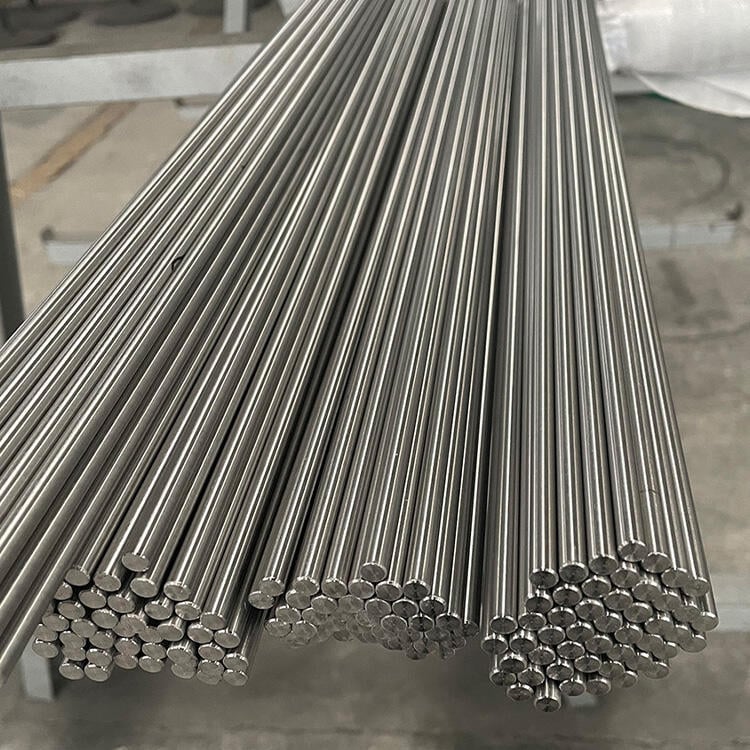
The medical device industry has witnessed a revolutionary shift toward titanium-based implants over traditional stainless steel alternatives. This transformation stems from titanium's exceptional biocompatibility, superior strength-to-weight ratio, and remarkable corrosion resistance properties. Healthcare professionals and orthopedic surgeons increasingly recognize that a medical titanium rod offers unparalleled advantages in surgical procedures, patient outcomes, and long-term implant success rates. Understanding these distinctions becomes crucial for medical practitioners seeking optimal patient care solutions.
Biocompatibility Advantages in Medical Applications
Superior Tissue Integration Properties
Titanium demonstrates exceptional biocompatibility due to its unique surface oxide layer that forms naturally when exposed to oxygen. This passive oxide film creates an inert barrier that prevents adverse reactions with surrounding tissues and biological fluids. Unlike stainless steel, which may trigger inflammatory responses in sensitive patients, titanium implants integrate seamlessly with bone tissue through a process called osseointegration. This biological bonding mechanism ensures stable, long-lasting implant fixation without compromising the patient's immune system or causing chronic inflammation.
The molecular structure of titanium allows for enhanced cellular attachment and proliferation around the implant site. Osteoblasts, the bone-forming cells, readily adhere to titanium surfaces and begin depositing new bone matrix, creating a direct structural connection between the implant and surrounding bone. This phenomenon significantly reduces the risk of implant loosening or migration over time, providing patients with improved mobility and reduced pain levels throughout their recovery process.
Reduced Allergic Reaction Potential
Stainless steel implants contain nickel, chromium, and other metallic elements that can trigger allergic reactions in approximately 10-15% of the population. These hypersensitivity responses can manifest as chronic inflammation, delayed wound healing, or implant rejection requiring surgical removal. In contrast, pure titanium and titanium alloys exhibit minimal allergenicity, making them suitable for patients with known metal sensitivities or compromised immune systems.
Clinical studies have consistently demonstrated that titanium implants produce significantly lower rates of adverse immunological responses compared to stainless steel alternatives. This reduced allergic potential translates to improved patient comfort, faster healing times, and decreased likelihood of revision surgeries. Medical professionals can confidently recommend titanium-based solutions for patients with a history of metal allergies or those requiring multiple implant procedures.
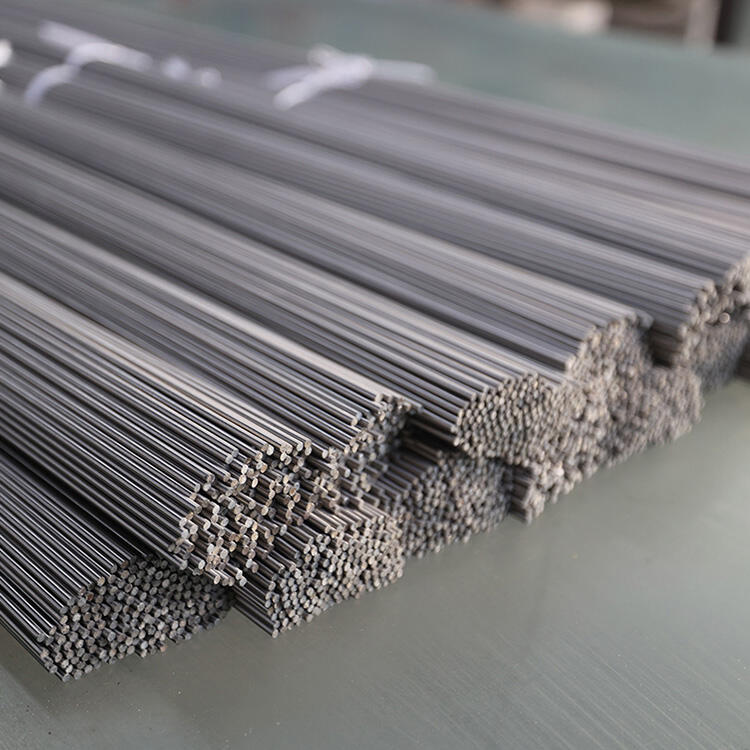
Mechanical Performance and Durability Characteristics
Enhanced Strength-to-Weight Ratio
Titanium possesses an remarkable strength-to-weight ratio that surpasses stainless steel by approximately 40%, providing superior mechanical performance while reducing overall implant mass. This characteristic proves particularly beneficial in load-bearing applications such as femoral rods, spinal fusion devices, and joint replacement components. The reduced weight minimizes stress on surrounding bone structures while maintaining the structural integrity required for normal physiological activities.
The modulus of elasticity for titanium more closely matches that of human bone compared to stainless steel, reducing stress shielding effects that can lead to bone resorption and implant loosening. This biomechanical compatibility ensures more natural load distribution throughout the skeletal system, promoting healthy bone remodeling and maintaining long-term implant stability. Patients experience improved functionality and reduced risk of complications associated with mechanical mismatch between implant and bone properties.
Superior Fatigue Resistance Properties
Medical implants must withstand millions of loading cycles throughout their service life, particularly in high-stress applications such as orthopedic reconstructions. Titanium demonstrates exceptional fatigue resistance, maintaining structural integrity under repetitive loading conditions that would cause stainless steel implants to develop microscopic cracks or eventual failure. This enhanced durability translates to extended implant lifespan and reduced need for revision surgeries.
The crystalline structure of titanium alloys, particularly Ti-6Al-4V commonly used in medical applications, provides superior crack propagation resistance compared to stainless steel alternatives. This metallurgical advantage ensures consistent performance over extended periods, even in challenging biomechanical environments. Surgeons can confidently select a medical titanium rod for applications requiring long-term reliability and consistent mechanical performance.
Corrosion Resistance and Chemical Stability
Passive Oxide Layer Protection
The natural formation of titanium dioxide on titanium surfaces creates an extremely stable, corrosion-resistant barrier that self-repairs when damaged. This passive layer demonstrates remarkable resistance to chloride attack, a common failure mechanism in stainless steel implants exposed to physiological fluids containing high salt concentrations. The oxide layer thickness remains consistent over time, providing long-term protection against corrosion-induced degradation and metal ion release.
Unlike stainless steel, which relies on chromium content for corrosion protection, titanium's oxide layer forms instantaneously upon exposure to oxygen-containing environments. This immediate protection mechanism ensures implant integrity from the moment of insertion, eliminating the vulnerability period that may occur with other metallic materials. The self-healing nature of this oxide layer means that minor surface damage automatically repairs itself, maintaining protective barrier effectiveness throughout the implant's service life.
Minimal Metal Ion Release
Stainless steel implants can release potentially harmful metal ions, including nickel, chromium, and iron, into surrounding tissues through corrosion processes. These released ions may accumulate in local tissues or distant organs, potentially causing adverse biological effects including carcinogenicity concerns and systemic toxicity. Titanium implants demonstrate significantly lower metal ion release rates, minimizing potential health risks associated with chronic metal exposure.
The stable oxide layer on titanium surfaces effectively prevents direct contact between the metallic substrate and biological fluids, dramatically reducing ion dissolution rates. Clinical studies have shown that titanium ion concentrations in tissues surrounding titanium implants remain well below levels associated with adverse effects. This enhanced chemical stability provides patients and healthcare providers with increased confidence in long-term implant safety and biocompatibility.
Clinical Outcomes and Patient Benefits
Improved Surgical Success Rates
Clinical evidence consistently demonstrates superior surgical outcomes when using titanium implants compared to stainless steel alternatives. Patient studies reveal reduced complication rates, faster healing times, and improved long-term functionality with titanium-based medical devices. The biocompatible nature of titanium promotes natural tissue integration, leading to more predictable surgical results and enhanced patient satisfaction scores across various orthopedic procedures.
Revision surgery rates for titanium implants remain significantly lower than those associated with stainless steel devices, particularly in challenging applications such as spinal fusion procedures and load-bearing joint replacements. This improved clinical performance translates to reduced healthcare costs, minimized patient morbidity, and enhanced quality of life outcomes. Surgeons report increased confidence in procedure success when utilizing titanium-based implant systems due to their consistent performance characteristics and biological compatibility.
Enhanced Patient Comfort and Mobility
The lightweight nature of titanium implants contributes to improved patient comfort and reduced sensation of foreign body presence following surgical procedures. Patients frequently report less post-operative discomfort and faster return to normal activities when treated with titanium devices compared to heavier stainless steel alternatives. The reduced implant mass minimizes stress on surrounding soft tissues and bone structures, promoting more natural movement patterns and reduced compensatory behaviors.
Long-term follow-up studies indicate that patients with titanium implants maintain higher activity levels and report better quality of life scores compared to those with stainless steel devices. The superior biomechanical compatibility of titanium allows for more natural physiological function, reducing the likelihood of secondary complications such as adjacent segment degeneration in spinal applications or stress fractures in orthopedic reconstructions.
Manufacturing and Processing Advantages
Advanced Fabrication Capabilities
Modern titanium processing techniques enable the production of complex geometries and customized implant designs that would be challenging to achieve with stainless steel materials. Additive manufacturing technologies, including selective laser melting and electron beam melting, allow for the creation of patient-specific implants with optimized porosity and surface textures that promote bone ingrowth and integration.
The malleability and workability of titanium alloys facilitate the development of innovative implant designs that maximize biological performance while minimizing invasive surgical procedures. Surface modification techniques such as plasma spraying, anodization, and chemical etching can be applied to titanium implants to enhance osseointegration properties and accelerate healing processes. These manufacturing advantages enable the production of next-generation medical devices that address specific patient needs and anatomical requirements.
Quality Control and Standardization
Titanium manufacturing processes have evolved to incorporate stringent quality control measures that ensure consistent material properties and implant performance. International standards such as ASTM F136 and ISO 5832-3 provide comprehensive specifications for medical-grade titanium alloys, ensuring reliable material characteristics across different manufacturers and production facilities. These standardization efforts contribute to predictable clinical outcomes and enhanced patient safety.
The traceability requirements for titanium medical devices enable comprehensive documentation of material sources, processing parameters, and quality testing results throughout the manufacturing chain. This documentation capability supports regulatory compliance efforts and facilitates post-market surveillance activities that monitor long-term implant performance. Healthcare providers benefit from increased confidence in implant quality and consistency when selecting titanium-based medical devices for their patients.
FAQ
How long do medical titanium rods typically last compared to stainless steel implants
Medical titanium rods typically demonstrate superior longevity compared to stainless steel implants, with clinical studies showing functional lifespans exceeding 20-25 years in most patients. The enhanced corrosion resistance and fatigue properties of titanium contribute to this extended durability, while stainless steel implants may require revision surgeries after 10-15 years due to wear, corrosion, or mechanical failure. The biocompatible nature of titanium also reduces the likelihood of biological complications that could necessitate early implant removal.
Are titanium implants more expensive than stainless steel alternatives
While titanium implants typically have higher initial costs compared to stainless steel alternatives, the total cost of ownership often favors titanium due to reduced complication rates, lower revision surgery requirements, and improved long-term outcomes. The enhanced durability and biocompatibility of titanium translate to decreased healthcare costs over the implant's lifetime, making it a cost-effective choice despite the higher upfront investment. Insurance coverage for titanium implants has improved significantly as clinical evidence supports their superior performance.
Can patients with metal allergies safely receive titanium implants
Patients with known metal allergies can typically receive titanium implants safely, as pure titanium and medical-grade titanium alloys demonstrate minimal allergenicity compared to stainless steel containing nickel and chromium. However, some titanium alloys may contain small amounts of aluminum or vanadium, which could potentially trigger reactions in extremely sensitive individuals. Pre-surgical allergy testing and consultation with an allergist may be recommended for patients with severe metal sensitivities to ensure optimal implant selection.
What imaging compatibility differences exist between titanium and stainless steel implants
Titanium implants offer superior magnetic resonance imaging compatibility compared to stainless steel devices, producing minimal artifacts and allowing for clearer visualization of surrounding tissues during follow-up examinations. While both materials are generally considered MRI-safe, titanium's non-ferromagnetic properties result in less image distortion and improved diagnostic capabilities. This imaging advantage proves particularly valuable for long-term monitoring of implant performance and detection of potential complications in surrounding anatomical structures.
Table of Contents
- Biocompatibility Advantages in Medical Applications
- Mechanical Performance and Durability Characteristics
- Corrosion Resistance and Chemical Stability
- Clinical Outcomes and Patient Benefits
- Manufacturing and Processing Advantages
-
FAQ
- How long do medical titanium rods typically last compared to stainless steel implants
- Are titanium implants more expensive than stainless steel alternatives
- Can patients with metal allergies safely receive titanium implants
- What imaging compatibility differences exist between titanium and stainless steel implants