 EN
EN


Տիտանի համաձուլվածքի սալիկների տեխնոլոգիայի կառուցվածքային ամրությունը բարելավելու սկզբունքները հասկանալու համար անհրաժեշտ է դիտարկել այն հիմնարար մետաղագիտական հատկություններն ու ճարտարագիտական մեխանիզմները, որոնք այս նյութերը դարձնում են ավելի գերազանց սովորական այլընտրանքների համեմատ։ Առանձնահատուկ ամրության և զանգվածի հարաբերությունը, կոռոզիայի դիմացկունությունը և մեխանիկական աշխատանքային ցուցանիշները՝ տիտանի համաձուլվածքի սալիկների դեպքում, հեղափոխել են կառուցվածքային կիրառումները օդատիեզերական, ծովային և արդյունաբերական ոլորտներում։
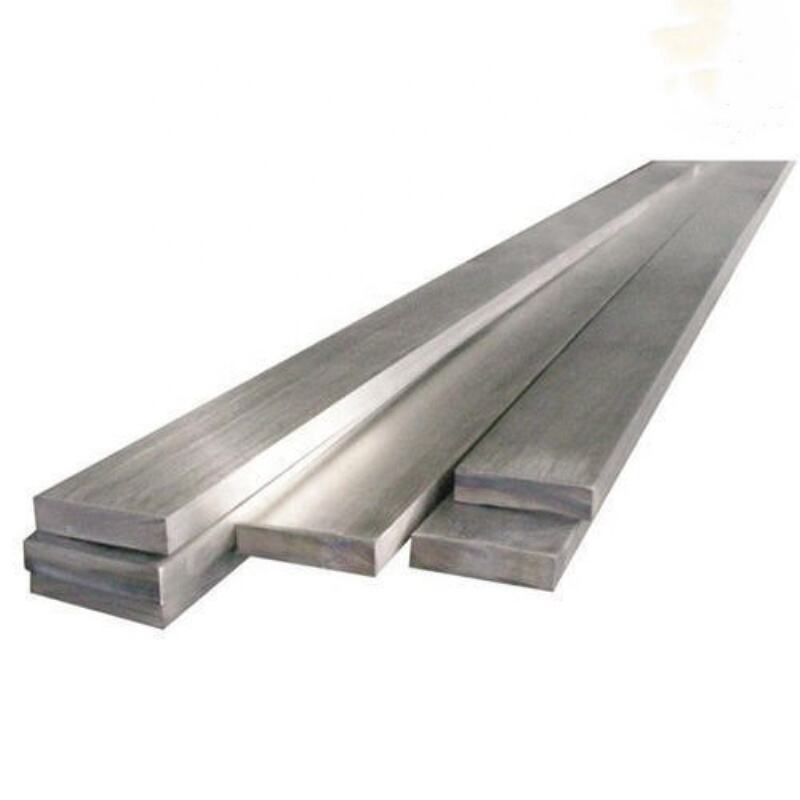
Տիտանի համաձուլվածքի սալիկների կառուցվածքային ամրապնդման մեխանիզմները բխում են հատուկ մշակված բյուրեղային ցանցի կառուցվածքներից, ճշգրիտ համաձուլվածքային տարրերի համադասավորությունից և մասնագիտացված արտադրական գործընթացներից, որոնք օպտիմալացնում են մեխանիկական հատկությունները՝ բարդ կիրառման պայմանների համար: Այս սալիկները կառուցվածքային առավելություններ են ապահովում մի շարք ուղիներով, այդ թվում՝ բարձր ձգվածության ամրությամբ, բարելավված վարժվածության դիմացկունությամբ և բացառիկ մշակման կայունությամբ ծայրահեղ շահագործման պայմաններում:
Ամրության բարձրացման մետաղագիտական հիմք
Բյուրեղային ցանցի կառուցվածքը և ամրության մեխանիզմները
Տիտանի համաձուլվածքի սալիկների վեցանկյուն խիտ փաթաթված բյուրեղային կառուցվածքը ստեղծում է ներդրված ամրության առավելություններ՝ հիմնված ատոմային մակարդակի կապման բնութագրերի վրա: Այս բյուրեղային դասավորությունը ապահովում է բացառիկ դիմացկունություն բեռնվածության տակ դեֆորմացիայի նախապայմաններին, ինչը թույլ է տալիս նյութին պահպանել իր կառուցվածքային ամբողջականությունը այն լարվածության մակարդակներում, որոնք կվնասեին պողպատի կամ ալյումինի այլընտրանքային տարբերակները: Խիտ փաթաթված ատոմային կառուցվածքը արդյունավետ է բաշխում կիրառված ուժերը նյութի մատրիցում:
Տիտանի համաձուլվածքի սալիկների ալֆա փուլի տիտանի համաձուլվածքները հատկապես ուժեղ մեխանիկական հատկություններ են ցուցաբերում՝ իրենց կայուն վեցանկյուն կառուցվածքի շնորհիվ: Այս ցանցում ատոմների միջև եղած հեռավորությունը և կապման էներգիան ապահովում են բարձր դիմացկունություն ճաքերի տարածման և պլաստիկ դեֆորմացիայի նախապայմաններին: Այս մետաղագիտական բնութագրերը ուղղակիորեն թարգմանվում են կառուցվածքային կիրառումների համար բեռնվածություն կրելու ունակության բարձրացման մեջ:
Բետա փուլի տիտանի համաձուլվածքները լրացուցիչ ամրության բարձրացում են ապահովում՝ օգտագործելով մարմնի կենտրոնավորված խորանարդային բյուրեղային կառուցվածքներ, որոնք կարելի է կարգավորել ջերմային մշակման գործընթացների միջոցով: Տիտանի համաձուլվածքների սալիկներում փուլերի բաշխման վրա վերահսկողություն ստանալու հնարավորությունը թույլ է տալիս ինժեներներին օպտիմալացնել ամրության բնութագրերը՝ հաշվի առնելով կոնկրետ բեռնվածության պայմանները և շահագործման միջավայրը:
Համաձուլվածքի տարրերի ներդրումը
Տիտանի համաձուլվածքների սալիկների բաղադրության մեջ ռազմավարական համաձուլվածքի տարրերի ավելացումը ստեղծում է պինդ լուծույթի ամրացման էֆեկտներ, որոնք կարևորապես բարելավում են կառուցվածքային կատարումը: Ալյումինի ավելացումը մեծացնում է ամրությունը՝ օգտագործելով ցանցի դեֆորմացիայի մեխանիզմներ, միաժամանակ պահպանելով տիտանի համաձուլվածքների համար բնորոշ նախընտրելի քաշի բնութագրերը, որոնք դրանք գրավիչ են դարձնում կառուցվածքային կիրառումների համար: Վանադիումի ավելացումը առաջացնում է լրացուցիչ ամրացում՝ միջդասավորված պինդ լուծույթի էֆեկտների միջոցով:
Մոլիբդենը և տիտանի համաձուլվածքի թիթեղների կազմի մեջ պարունակվող այլ բետա-կայունացնող տարրերը նպաստում են ամրության բարձրացմանը՝ տեղումների կարծրացման մեխանիզմների միջոցով: Այս համաձուլվածքային հավելումները ստեղծում են մանր նստվածքային փուլեր, որոնք խոչընդոտում են տեղաշարժերի շարժմանը, ինչը հանգեցնում է հոսունության սահմանի բարձրացմանը և պլաստիկ դեֆորմացիայի նկատմամբ դիմադրության բարելավմանը կիրառվող բեռների տակ:
Տիտանի համաձուլվածքների սալիկների բաղադրության մեջ ալֆա և բետա-կայունացնող տարրերի հավասարակշռված համադրությունը թույլ է տալիս մետաղագետներին ստանալ ամրության, պլաստիկության և կայունության օպտիմալ համադրություն: Այս բաղադրության վերահսկումը հնարավորություն է տալիս մշակել նյութեր, որոնք հատուկ են հարմարեցված կառուցվածքային կիրառումների համար՝ պահանջելով բացառիկ մեխանիկական ցուցանիշներ:
Մեխանիկական հատկությունների առավելություններ
Բարձր կրճատված կշիռ-ուժի ցուցանիշ
Առանձնահատուկ բարձր ամրության և զանգվածի հարաբերությունը տիտանի համաձուլվածքի սալ նյութերը ներկայացնում են հիմնարար առավելություն կառուցվածքային կիրառումներում, որտեղ կշռի նվազեցումը կրիտիկական է: Դրանց խտությունները մոտավորապես 40 %-ով ցածր են ստալի խտությունից՝ միաժամանակ պահպանելով համեմատելի կամ գերազանցող ամրության մակարդակներ, ինչը թույլ է տալիս կատարել կառուցվածքային օպտիմալացման նշանակալի հնարավորություններ ավիատիեզերական և ավտոմոբիլային կիրառումներում:
Տիտանի համաձուլվածքի թիթեղավոր նյութերի հատուկ ամրության արժեքները հաճախ գերազանցում են 250 ՄՊա-ն մեկ միավոր խտության հաշվարկով, ինչը զգալիորեն գերազանցում է սովորական կառուցվածքային նյութերի ցուցանիշները: Այս առավելությունը ավելի է մեծանում այն կիրառումներում, որտեղ կառուցվածքային կշիռը ուղղակիորեն ազդում է համակարգի աշխատանքի վրա, վառելիքի խնայողության վրա կամ բեռնավորման հզորության վրա: Կառուցվածքային կշռի նվազեցման հնարավորությունը՝ ամրության բնութագրերը պահպանելով կամ բարելավելով, հնարավորություն է ստեղծում նորարարական նախագծային մոտեցումների համար:
Տիտանային համաձուլվածքի սալիկների տեխնոլոգիայի ուժի հարաբերության և քաշի առավելությունները չեն սահմանափակվում պարզ ստատիկ բեռնվածության պայմաններով: Այս նյութերը պահպանում են իրենց գերազանց սպեցիֆիկ ուժի բնութագրերը լայն ջերմաստիճանային միջակայքում և դինամիկ բեռնվածության պայմաններում, ինչը դրանք հատկապես արժեքավոր է դարձնում ջերմային ցիկլավորման կամ վիբրացիոն լարումների ներառող կառուցվածքային կիրառումների համար:
Բարելավված վատթարացման դիմացկունության հատկություններ
Վատթարացման դիմացկունությունը ներկայացնում է տիտանային համաձուլվածքի սալիկների կողմից ցիկլային բեռնվածության պայմաններում կառուցվածքային կիրառումների համար տրվող կրիտիկական բարելավում: Այս համաձուլվածքների միկրոկառուցվածքային բնութագրերը ստեղծում են բացառիկ դիմացկունություն ճաքերի առաջացման և տարածման նկատմամբ կրկնվող լարումների ցիկլերի տակ, ինչը նշանակալիորեն երկարացնում է շահագործման ժամկետը՝ համեմատած սովորական կառուցվածքային նյութերի հետ:
Տիտանի համաձուլվածքի սալիկների ճգնառության դիմացկունությունը սովորաբար կազմում է վերջնական ձգման ամրության 50–70 %-ը, որը գերազանցում է պողպատի կամ ալյումինի այլընտրանքային նյութերի ցուցանիշները: Այս գերազանց ճգնառության ցուցանիշները պայմանավորված են նյութի ընդունակությամբ կլանել լարվածության կենտրոնացումները՝ առանց ճաքերի առաջացման, ինչպես նաև ճգնառության վնասման դեպքում դանդաղ ճաքերի տարածման արագությամբ:
Տիտանի համաձուլվածքի սալիկների մակերևույթի մշակման և մշակման տեխնիկան կարող է հետագայում բարելավել ճգնառության դիմացկունությունը՝ կառավարվող մնացորդային լարվածության վիճակների և օպտիմալացված մակերևույթի միկրոկառուցվածքի միջոցով: Շատ փոշեցման, մակերևույթի գլանման և այլ մեխանիկական մշակման եղանակները ստեղծում են սեղմման մնացորդային լարվածություններ, որոնք կարևորապես բարելավում են ճգնառության կյանքը կառուցվածքային կիրառումներում:
Կառուցվածքային նախագծման և կիրառման առավելություններ
Բեռի բաշխում և լարվածության կառավարում
Տիտանի համաձուլվածքի սայրային նյութերի ճկունության մոդուլի բնութագրերը նպաստում են կառուցվածքային կատարողականի բարելավմանը՝ բարելավելով բեռնվածության բաշխման հնարավորությունները: Քանի որ տիտանի համաձուլվածքների ճկունության մոդուլը մոտավորապես կեսն է պողպատի ճկունության մոդուլի, դրանք կառուցվածքային նախագծման մեջ ավելի մեծ ճկունություն են ապահովում՝ միաժամանակ պահպանելով ամրության պահանջները, ինչը թույլ է տալիս ավելի արդյունավետ բաշխել լարումները կառուցվածքային բաղադրիչների վրա:
Տիտանի համաձուլվածքի սայրային նյութերի այս նվազած կոշտության բնութագիրը հնարավորություն է տալիս ստեղծել կառուցվածքային լուծումներ, որոնք ավելի լավ են հարմարվում ջերմային ընդլայնմանը, տատանողական ուժերին և այլ դինամիկ բեռնվածության պայմաններին: Լարումները ավելի արդյունավետ կլանելու և բաշխելու հնարավորությունը նվազեցնում է լարման կենտրոնացման գործակիցները և բարելավում է ընդհանուր կառուցվածքային հավաստիությունը:
Տիտանի համաձուլվածքի սալիկների կանխատեսելի էլաստիկ վարքը տարբեր բեռնվածության պայմաններում հեշտացնում է ճշգրիտ լարվածության վերլուծությունը և կառուցվածքային օպտիմիզացիան: Ինժեներները կարող են վստահությամբ մշակել կառուցվածքներ, որոնք աշխատում են նյութի սահմաններին ավելի մոտ, միաժամանակ պահպանելով համապատասխան անվտանգության մարգիններ, ինչը հանգեցնում է ավելի արդյունավետ կառուցվածքային լուծումների:
Համոզված դիրք և կարողություն
Կոռոզիայի դիմացկունությունը տիտանի համաձուլվածքի սալիկների կառուցվածքային բարելավման կարևոր առավելությունն է, հատկապես ծովային, քիմիական մշակման և ավիատիեզերական միջավայրերում: Տիտանի մակերեսներին բնական օքսիդային թաղանթի առաջացումը ստեղծում է բացառիկ դիմացկունություն շրջակա միջավայրի վնասազերծման նկատմամբ՝ երկարատև շահագործման ընթացքում պահպանելով կառուցվածքային ամբողջականությունը՝ առանց պաշտպանիչ ծածկույթների:
Տիտանի համաձուլվածքի սայրերի կոռոզիայի դիմացկունությունը տարածվում է ինչպես համասեռ, այնպես էլ տեղային կոռոզիայի մեխանիզմների վրա, ապահովելով հավաստի կառուցվածքային կատարում քլորիդային միջավայրերում, թթվային պայմաններում և այլ ագրեսիվ շահագործման միջավայրերում: Այս միջավայրային դիմացկունությունը վերացնում է ծանր պաշտպանիչ ծածկույթների անհրաժեշտությունը՝ երաշխավորելով երկարատև կառուցվածքային հավաստիություն:
Տիտանի համաձուլվածքի սայրերի բարձր ջերմաստիճանում օքսիդացման դիմացկունությունը պահպանում է կառուցվածքային հատկությունները բարձրացված շահագործման ջերմաստիճաններում, որտեղ սովորական նյութերը կարող են ենթարկվել կարևոր վատացման: Այս ջերմաստիճանային կայունությունը հնարավորություն է տալիս կառուցվածքային կիրառումներ իրականացնել գազատուրբինային շարժիչներում, քիմիական մշակման սարքավորումներում և այլ բարձր ջերմաստիճանում աշխատող միջավայրերում:
Արտադրության և մշակման ազդեցությունը ամրության վրա
Կառավարվող գլանավորում և ձևավորման գործընթացներ
Տիտանի համաձուլվածքի սալիկների արտադրության համար օգտագործվող արտադրական գործընթացները կարևոր ազդեցություն են ունենում դրանց կառուցվածքային ամրության բնութագրերի վրա՝ կառավարվող միկրոկառուցվածքի ձևավորման միջոցով: Ջերմային գլանավորման գործընթացները ստեղծում են նախընտրելի բյուրեղագրական ուղղվածություններ, որոնք ուժեղացնում են ամրությունը հատուկ ուղղություններով, ինչը թույլ է տալիս ինժեներներին օպտիմալացնել սալիկների դասավորությունը՝ ապահովելու առավելագույն կառուցվածքային արդյունավետություն:
Տիտանի համաձուլվածքի սալիկների ջերմամեխանիկական մշակումը հնարավորություն է տալիս ճշգրիտ կառավարել հատիկների չափը, փուլերի բաշխումը և տեքստուրայի ձևավորումը: Կառավարվող մշակման միջոցով ստացված մանրահատիկ միկրոկառուցվածքները բարձրացնում են ամրությունը՝ հատիկային սահմանների ամրացման մեխանիզմների շնորհիվ, միաժամանակ պահպանելով կառուցվածքային կիրառումների համար բավարար պլաստիկություն:
Տիտանի համաձուլվածքի սալիկների արտադրության ընթացքում սառը մշակման գործողությունները ներմուծում են վերահսկվող չափի ձգման պատճառով ամրացում, որը բարձրացնում է առաջին անգամ առաջացող ձևափոխման լարման և վերջնական ձգման ամրությունը: Սառը մշակման աստիճանը կարող է օպտիմալացվել՝ ստանալու ցանկալի ամրության մակարդակները՝ միաժամանակ պահպանելով բավարար ձևավորելիություն հետագա մշակման գործողությունների համար:
Ջերմային մշակման օպտիմալացում
Տիտանի համաձուլվածքի սալիկների լուծույթի մշակման և տարիքային մշակման գործընթացները թույլ են տալիս ճշգրիտ վերահսկել մեխանիկական հատկությունները՝ միկրոկառուցվածքի վերահսկվող մշակման միջոցով: Ալֆա-բետա տիտանի համաձուլվածքները կարող են ենթարկվել լուծույթի մշակման՝ ամրացնող փուլերը լուծելու համար, իսկ դրանից հետո՝ վերահսկվող տարիքային մշակման, որի ընթացքում նյութի մատրիցում առաջանում են մանրադիր ամրացնող մասնիկներ:
Տիտանի համաձուլվածքի սալիկների ջերմային մշակման գործընթացները կարելի է ճշգրտել՝ ստանալու որոշակի կառուցվածքային կիրառումների համար ամենաօպտիմալ ամրության և պլաստիկության համադրությունը: Լարվածության թուլացման ջերմային մշակումը նվազեցնում է մնացորդային լարվածությունները՝ պահպանելով սառը մշակման ամրությունը, իսկ վերաբյուրեղավորման ջերմային մշակումը կարող է վերականգնել պլաստիկությունը, երբ անհրաժեշտ է առավելագույն ձևավորելիություն:
Տիտանի համաձուլվածքի սալիկների ջերմային մշակման գործընթացներին ցուցաբերած պատասխանը թույլ է տալիս կատարել մեխանիկական հատկությունների օպտիմալացում հետագա մշակման փուլում, ինչը հնարավորություն է տալիս ինժեներներին ձևավորման գործողություններից հետո ճշգրտել մեխանիկական հատկությունները՝ համապատասխանելու որոշակի կառուցվածքային պահանջներին: Այս մշակման ճկունությունը տալիս է լրացուցիչ հնարավորություններ կառուցվածքային օպտիմալացման համար:
Հաճախադեպ տրվող հարցեր
Ինչքան ավելի ամուր են տիտանի համաձուլվածքի սալիկները նույն հաստությամբ երկաթբետոնե սալիկների համեմատ:
Տիտանի համաձուլվածքի սայրերը սովորաբար ցուցադրում են ճեղքման ամրություն՝ 900–1200 ՄՊա միջակայքում, իսկ սովորական կառուցվածքային պողպատների դեպքում այն կազմում է 250–400 ՄՊա, որը նշանակում է 2–3 անգամ ավելի մեծ ամրություն: Երբ դիտարկվում է ամրության հարաբերությունը զանգվածին, տիտանի համաձուլվածքի սայրերը մեկ միավոր զանգվածի հաշվով կարող են լինել 50–60 % ավելի ամուր, քան պողպատը, ինչը հնարավորություն է տալիս կառուցվածքային կիրառումներում կատարել զգալի զանգվածի նվազեցում՝ պահպանելով կամ բարելավելով բեռնվածության կրման հնարավորությունը:
Ի՞նչ ջերմաստիճանային միջակայքում են տիտանի համաձուլվածքի սայրերը պահպանում իրենց կառուցվածքային ամրությունը:
Շատ տիտանի համաձուլվածքի սայրեր ամբողջությամբ պահպանում են իրենց կառուցվածքային ամրությունը կրիոգենային ջերմաստիճաններից մինչև մոտավորապես 300–400 °C, իսկ բարձր ջերմաստիճանային համաձուլվածքները կարող են պահպանել նշանակալի ամրություն մինչև 600 °C: Այս ջերմաստիճանային կայունությունը զգալիորեն գերազանցում է ալյումինի համաձուլվածքների ցուցանիշները և համապատասխանում է կամ գերազանցում է շատ պողպատի տեսակների ցուցանիշները, ինչը տիտանի համաձուլվածքի սայրերը հարմարեցնում է ծայրահեղ ջերմաստիճանային տատանումներ կամ բարձրացված շահագործման ջերմաստիճաններ ներառող կառուցվածքային կիրառումների համար:
Արդյոք տիտանի համաձուլվածքի սալիկները պահանջում են հատուկ միացման տեխնիկա, որը կարող է վտանգել կառուցվածքային ամրությունը:
Տիտանի համաձուլվածքի սալիկները կարող են հաջողությամբ միացվել սովորական եռակցման, պատրաստման և մեխանիկական ամրացման մեթոդներով՝ առանց կառուցվածքային ամրության վտանգման, եթե կատարվեն ճիշտ գործողություններ: Վոլֆրամի անզուգական գազով եռակցումը և էլեկտրոնային ճառագայթով եռակցումը ստեղծում են միացումներ, որոնց ամրությունը հավասար է կամ գերազանցում է հիմնային նյութի ամրությունը: Կոռոզիայի դիմացկունության և մեխանիկական հատկությունների պահպանման համար, որոնք ապահովում են կառուցվածքային ամրապնդման առավելությունները, անհրաժեշտ է ճիշտ ընտրել պաշտպանիչ գազը և վերահսկել ջերմային մուտքը:
Ինչպե՞ս են տիտանի համաձուլվածքի սալիկները վարվում կառուցվածքային կիրառումներում, որոնք ներառում են դինամիկ կամ հարվածային բեռնվածք:
Տիտանի համաձուլվածքի սայրերը ցուցաբերում են չափազանց լավ ցուցանիշներ դինամիկ և հարվածային բեռնվածության պայմաններում՝ շնորհիվ իրենց բարձր ամրության, լավ պլաստիկության և գերազանց ճգնառության դիմացկունության: Այս նյութերը կարող են կլանել զգալի հարվածային էներգիա՝ պահպանելով կառուցվածքային ամբողջականությունը, ինչը դրանք հատկապես հարմար է դարձնում օդագնացության կառուցվածքների, ռազմական տրանսպորտային միջոցների և ծովային կիրառումների համար, որտեղ հարվածային դիմացկունությունը կրիտիկական նշանակություն ունի: Ամրության և կայունության համադրությունը ապահովում է ավելի լավ վնասատար դիմացկունություն, քան շատ այլընտրանքային կառուցվածքային նյութերը:
Բովանդակության ցուցակ
- Ամրության բարձրացման մետաղագիտական հիմք
- Մեխանիկական հատկությունների առավելություններ
- Կառուցվածքային նախագծման և կիրառման առավելություններ
- Արտադրության և մշակման ազդեցությունը ամրության վրա
-
Հաճախադեպ տրվող հարցեր
- Ինչքան ավելի ամուր են տիտանի համաձուլվածքի սալիկները նույն հաստությամբ երկաթբետոնե սալիկների համեմատ:
- Ի՞նչ ջերմաստիճանային միջակայքում են տիտանի համաձուլվածքի սայրերը պահպանում իրենց կառուցվածքային ամրությունը:
- Արդյոք տիտանի համաձուլվածքի սալիկները պահանջում են հատուկ միացման տեխնիկա, որը կարող է վտանգել կառուցվածքային ամրությունը:
- Ինչպե՞ս են տիտանի համաձուլվածքի սալիկները վարվում կառուցվածքային կիրառումներում, որոնք ներառում են դինամիկ կամ հարվածային բեռնվածք: