 EN
EN


Yes, titanium alloy plates can significantly improve corrosion resistance across a wide range of industrial applications. The exceptional corrosion resistance of titanium alloy plate stems from its natural ability to form a stable, protective oxide layer that regenerates when damaged, providing superior protection against chemical attack compared to conventional metals like steel or aluminum.
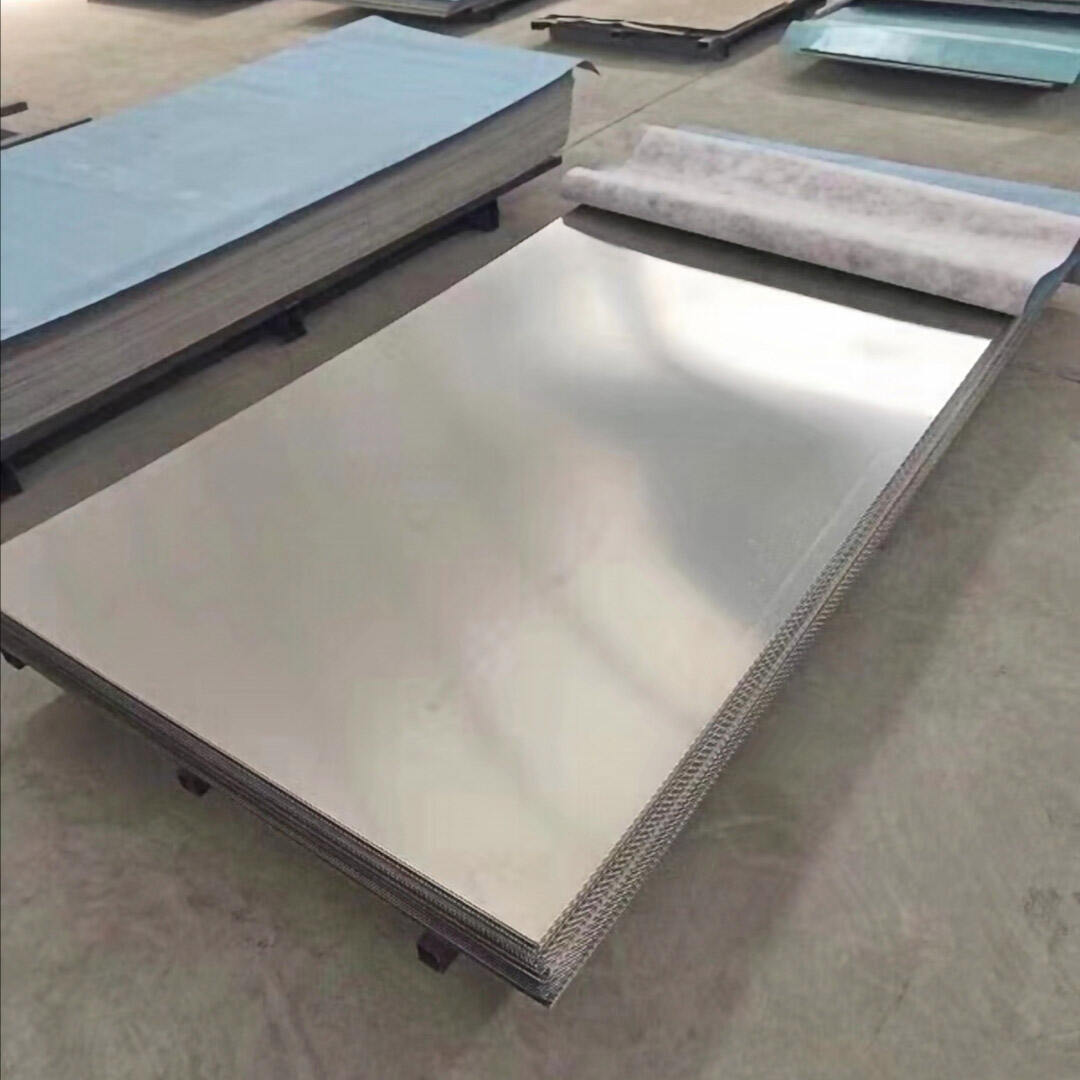
The corrosion resistance improvement offered by titanium alloy plate makes it particularly valuable in harsh environments where traditional materials fail prematurely. Industries ranging from chemical processing to marine applications rely on these plates to extend equipment life, reduce maintenance costs, and ensure operational reliability in corrosive conditions that would rapidly degrade other metallic materials.
Understanding Titanium Alloy Plate Corrosion Resistance Mechanisms
Passive Oxide Layer Formation
The primary mechanism behind titanium alloy plate corrosion resistance lies in its ability to spontaneously form a thin, dense oxide layer on its surface. This titanium dioxide layer, typically only a few nanometers thick, acts as an impermeable barrier that prevents corrosive substances from reaching the underlying metal substrate.
When a titanium alloy plate is exposed to oxygen or moisture, the surface immediately begins forming this protective oxide layer through a natural passivation process. Unlike rust formation on steel, this oxide layer is highly adherent and stable, creating a self-healing barrier that reforms rapidly if mechanically damaged.
The stability of this oxide layer across different pH ranges makes titanium alloy plate particularly effective against both acidic and alkaline corrosion. This broad-spectrum protection capability distinguishes titanium from other corrosion-resistant materials that may only perform well in specific chemical environments.
Alloying Element Contributions
Different titanium alloy compositions can enhance specific aspects of corrosion resistance in titanium alloy plate applications. Common alloying elements like aluminum, vanadium, and molybdenum each contribute unique protective characteristics that can be tailored for specific corrosive environments.
Aluminum additions to titanium alloy plate formulations help stabilize the alpha phase structure while improving oxidation resistance at elevated temperatures. This makes aluminum-containing titanium alloys particularly suitable for high-temperature corrosive environments where both thermal and chemical stability are required.
Molybdenum and other refractory elements enhance the crevice corrosion resistance of titanium alloy plate, making these compositions ideal for applications involving tight spaces, gaskets, or threaded connections where localized corrosion typically initiates. The strategic selection of alloying elements allows engineers to optimize corrosion resistance for specific application requirements.
Comparative Corrosion Performance Against Common Materials
Superiority Over Stainless Steel
While stainless steel offers good corrosion resistance in many applications, titanium alloy plate demonstrates superior performance in chloride-rich environments where stainless steel typically fails. The chloride ion penetration that causes pitting and crevice corrosion in stainless steel has minimal effect on properly selected titanium alloy plate compositions.
In seawater applications, for example, titanium alloy plate maintains its protective oxide layer indefinitely, while even high-grade stainless steels may experience localized corrosion within months or years. This performance difference becomes even more pronounced in heated seawater or brine solutions commonly encountered in desalination and chemical processing facilities.
The galvanic compatibility of titanium alloy plate also provides advantages over stainless steel in mixed-material systems. Titanium's noble electrochemical position means it won't corrode galvanically when coupled with most other metals, whereas stainless steel can experience accelerated corrosion when paired with more noble materials.
Advantages Over Aluminum and Copper Alloys
Compared to aluminum alloys, titanium alloy plate offers dramatically improved performance in acidic environments. While aluminum forms a protective oxide layer similar to titanium, this aluminum oxide is unstable in low-pH conditions, leading to rapid dissolution and substrate attack.
Copper alloys, though traditionally used for marine applications due to their biofouling resistance, suffer from selective leaching and erosion-corrosion in high-velocity fluid systems. Titanium alloy plate maintains its structural integrity and surface finish even under high-flow conditions that would rapidly degrade copper-based materials.
The temperature stability of titanium alloy plate corrosion resistance also exceeds that of aluminum and copper alloys. While these materials may lose their protective characteristics at elevated temperatures, titanium maintains its corrosion resistance well beyond typical industrial operating ranges, making it suitable for high-temperature chemical processing applications.
Industrial Applications Benefiting from Enhanced Corrosion Resistance
Chemical Processing Equipment
Chemical processing facilities rely heavily on titanium alloy plate for reactor vessels, heat exchangers, and piping systems handling corrosive chemicals. The material's resistance to strong acids, bases, and organic solvents makes it indispensable for producing pharmaceuticals, petrochemicals, and specialty chemicals where material purity is critical.
In chlor-alkali production, titanium alloy plate serves as the standard material for electrochemical cells due to its immunity to chlorine gas and hypochlorite solutions that rapidly attack conventional materials. This application demonstrates the material's ability to withstand both chemical attack and electrochemical corrosion simultaneously.
Pulp and paper processing facilities utilize titanium alloy plate in bleaching systems where chlorine dioxide and other strong oxidizing agents would quickly destroy stainless steel components. The long service life of titanium in these applications often justifies the higher initial material cost through reduced downtime and maintenance expenses.
Marine and Offshore Applications
The marine industry has embraced titanium alloy plate for critical components in seawater cooling systems, ballast tanks, and offshore platform structures. The material's complete immunity to seawater corrosion eliminates the need for sacrificial anodes, coatings, or cathodic protection systems typically required with steel structures.
Desalination plants represent one of the largest growing markets for titanium alloy plate applications. The combination of hot seawater, high pressures, and concentrated brine solutions creates an extremely aggressive environment where titanium's corrosion resistance provides decades of reliable service without degradation.
Naval and commercial shipbuilding increasingly specifies titanium alloy plate for propeller shafts, rudder stocks, and hull plating in areas prone to corrosion. The weight savings compared to corrosion-resistant steel alloys provides additional benefits in marine applications where every pound affects fuel efficiency and payload capacity.
Design Considerations for Optimal Corrosion Protection
Alloy Selection Criteria
Selecting the appropriate titanium alloy plate grade requires careful consideration of the specific corrosive environment, operating temperature, and mechanical requirements. Grade 1 commercially pure titanium offers maximum corrosion resistance but limited strength, while Grade 5 titanium alloy plate provides higher strength with slightly reduced corrosion performance in certain environments.
For applications involving reducing acids or hydrogen-containing environments, specialized titanium alloy plate compositions containing palladium or ruthenium may be necessary to maintain optimal corrosion resistance. These noble metal additions enhance the stability of the protective oxide layer under conditions where standard titanium grades might experience localized attack.
Temperature considerations also influence titanium alloy plate selection, as some compositions perform better at elevated temperatures while others excel in cryogenic applications. The thermal expansion characteristics must also be considered to prevent stress-induced corrosion in systems experiencing temperature cycling.
Surface Preparation and Fabrication Impact
Proper surface preparation of titanium alloy plate significantly influences its long-term corrosion resistance. Contamination with iron particles during fabrication can create galvanic cells that compromise the protective oxide layer, making thorough cleaning and passivation essential for optimal performance.
Welding procedures for titanium alloy plate require special attention to prevent contamination and ensure proper oxide layer reformation in the heat-affected zone. Proper shielding gas coverage and post-weld treatment are critical for maintaining corrosion resistance across welded joints and connections.
The surface finish of titanium alloy plate can also affect its corrosion behavior, particularly in crevice-prone areas. Smoother finishes generally provide better corrosion resistance by reducing surface area and minimizing sites for corrosion initiation, though the specific requirements depend on the application environment.
Economic Benefits of Improved Corrosion Resistance
Life Cycle Cost Analysis
While titanium alloy plate commands a higher initial cost than conventional materials, the total life cycle cost often favors titanium due to dramatically reduced maintenance, replacement, and downtime expenses. In corrosive environments, the extended service life of titanium can result in cost savings that justify the premium material investment.
Maintenance cost reductions with titanium alloy plate stem from the elimination of protective coatings, corrosion inhibitors, and regular inspection requirements needed with conventional materials. The predictable performance of titanium allows for condition-based rather than time-based maintenance strategies, further reducing operational costs.
Downtime costs associated with corrosion-related failures often represent the largest component of total ownership cost in critical applications. The reliability provided by titanium alloy plate corrosion resistance can eliminate unscheduled shutdowns and their associated production losses, particularly valuable in continuous process industries.
Performance Reliability Benefits
The consistent performance of titanium alloy plate in corrosive environments provides operational benefits beyond simple cost savings. Process reliability improvements result from the material's predictable behavior and resistance to sudden failure modes common with other materials experiencing corrosion.
Quality control benefits arise from the chemical inertness of titanium alloy plate, which prevents contamination of process streams with corrosion products. This characteristic is particularly valuable in pharmaceutical, food processing, and semiconductor applications where material purity directly affects product quality.
Environmental compliance advantages result from the long service life and recyclability of titanium alloy plate. The reduced frequency of material replacement minimizes waste generation, while the complete recyclability of titanium supports sustainability objectives in environmentally conscious industries.
FAQ
How much better is titanium alloy plate corrosion resistance compared to stainless steel?
Titanium alloy plate typically provides 10-100 times better corrosion resistance than stainless steel in chloride environments, with virtually no measurable corrosion rate in seawater applications where even high-grade stainless steels may corrode at rates of several mils per year. The exact improvement depends on the specific environment and stainless steel grade being compared.
Can titanium alloy plate corrosion resistance be damaged or compromised?
While titanium alloy plate has exceptional corrosion resistance, it can be compromised by contamination with iron particles, exposure to hydrofluoric acid, or operation in hydrogen-rich reducing environments. However, the protective oxide layer typically reforms quickly when normal conditions are restored, making damage usually reversible rather than permanent.
What thickness of titanium alloy plate is needed for corrosion protection?
The corrosion protection provided by titanium alloy plate is not thickness-dependent since it relies on surface oxide layer formation rather than sacrificial corrosion allowance. Even thin titanium plates provide excellent corrosion resistance, with thickness selection based on mechanical requirements rather than corrosion considerations.
Does temperature affect titanium alloy plate corrosion resistance?
Titanium alloy plate maintains excellent corrosion resistance across a wide temperature range, from cryogenic conditions to over 600°C in most environments. At very high temperatures above 800°C, some titanium grades may experience accelerated oxidation, but this typically forms a protective scale rather than destructive corrosion in most industrial atmospheres.
Table of Contents
- Understanding Titanium Alloy Plate Corrosion Resistance Mechanisms
- Comparative Corrosion Performance Against Common Materials
- Industrial Applications Benefiting from Enhanced Corrosion Resistance
- Design Considerations for Optimal Corrosion Protection
- Economic Benefits of Improved Corrosion Resistance
-
FAQ
- How much better is titanium alloy plate corrosion resistance compared to stainless steel?
- Can titanium alloy plate corrosion resistance be damaged or compromised?
- What thickness of titanium alloy plate is needed for corrosion protection?
- Does temperature affect titanium alloy plate corrosion resistance?