 EN
EN


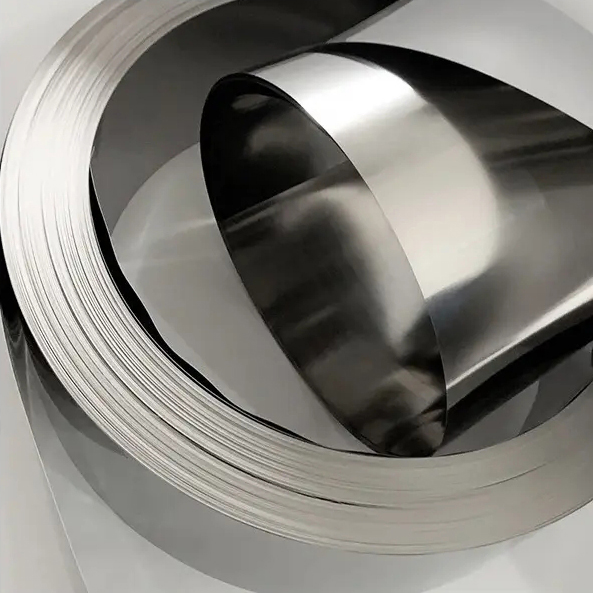
The rapid evolution of high-tech industries has created an unprecedented demand for materials that combine exceptional mechanical properties, thermal stability, and corrosion resistance. Among these advanced materials, titanium foil has emerged as a critical component driving innovation across aerospace, electronics, medical devices, and energy storage sectors. This ultra-thin titanium product, typically ranging from 0.01mm to 0.1mm in thickness, offers a unique combination of strength-to-weight ratio, biocompatibility, and processing versatility that conventional materials simply cannot match. As industries push the boundaries of miniaturization, efficiency, and performance, titanium foil has transitioned from a niche specialty material to a mainstream solution addressing complex engineering challenges in cutting-edge applications.
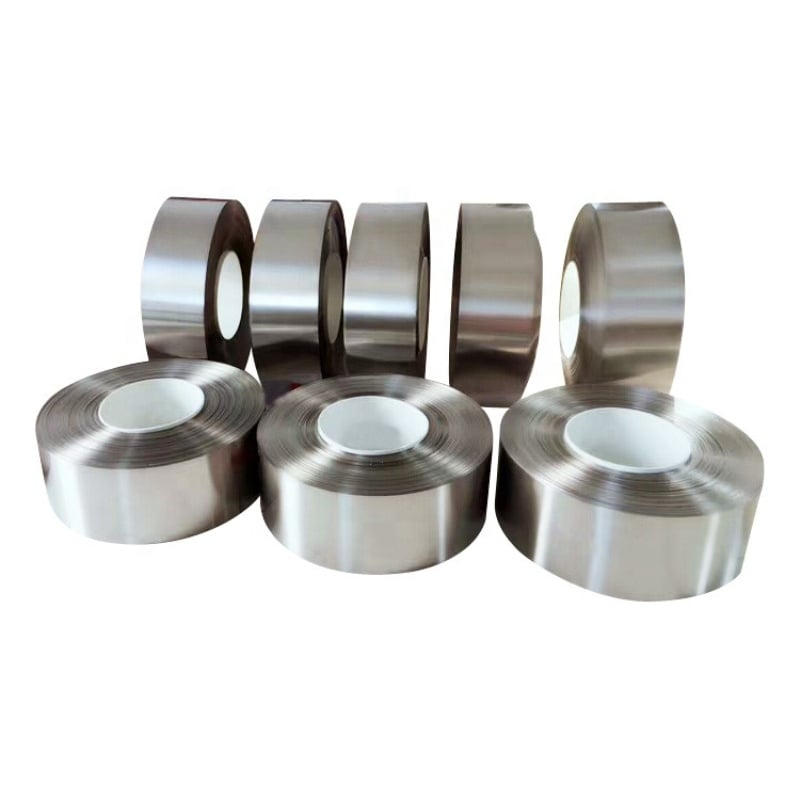
The growing popularity of titanium foil reflects broader technological trends that prioritize material performance under extreme conditions while simultaneously reducing system weight and extending operational lifespan. High-tech manufacturers increasingly recognize that the initial cost premium of titanium foil is justified by its superior lifecycle value, reduced maintenance requirements, and ability to enable product designs that would be impossible with alternative materials. This comprehensive analysis explores the specific reasons behind the accelerating adoption of titanium foil in high-tech sectors, examining the technical advantages, application drivers, and economic factors that are reshaping material selection strategies across multiple industries.
Superior Material Properties Driving High-Tech Adoption
Exceptional Strength-to-Weight Ratio in Miniaturized Applications
One of the primary reasons titanium foil has gained prominence in high-tech industries is its outstanding strength-to-weight ratio, which becomes increasingly critical as devices and components continue to shrink. Unlike aluminum or stainless steel foils, titanium foil maintains structural integrity at thicknesses where other materials would fail or require additional reinforcement layers. This property proves invaluable in aerospace applications where every gram matters, allowing engineers to design lighter heat shields, flexible connectors, and protective barriers without compromising safety margins. The material's tensile strength, which can exceed 400 MPa even in foil form, enables the creation of robust components that traditional foil materials cannot support.
The miniaturization trend in electronics has further amplified the importance of titanium foil's mechanical properties. Modern smartphones, wearable devices, and compact medical implants require shielding materials that protect sensitive components while occupying minimal space. Titanium foil delivers this dual benefit by providing effective electromagnetic interference shielding and physical protection in layers that are significantly thinner than copper or aluminum alternatives. Engineers can now design battery compartments, circuit board shields, and flexible interconnects that were previously impossible due to space constraints, directly attributing these innovations to the unique mechanical characteristics of titanium foil.
Outstanding Corrosion Resistance in Harsh Environments
The chemical stability of titanium foil represents another compelling reason for its increasing adoption across high-tech sectors. Unlike many metallic foils that degrade when exposed to aggressive chemicals, salt spray, or high-humidity environments, titanium foil forms a stable passive oxide layer that provides inherent corrosion protection. This characteristic becomes essential in applications ranging from desalination equipment and chemical processing systems to implantable medical devices that must function reliably within the human body for decades. The material's resistance to chloride-induced corrosion makes it particularly valuable in marine electronics, offshore monitoring systems, and coastal infrastructure where traditional materials experience rapid degradation.
High-tech manufacturing processes themselves often involve corrosive environments where equipment components must withstand exposure to acids, bases, or reactive gases. Titanium foil serves as an ideal protective liner, gasket material, or process barrier in semiconductor fabrication equipment, electrochemical cells, and advanced battery manufacturing systems. The material's inertness prevents contamination of sensitive processes while eliminating the maintenance cycles and replacement costs associated with corrodible alternatives. This dual benefit of process protection and cost reduction has made titanium foil an increasingly standard specification in cleanroom environments and precision manufacturing facilities where material purity and reliability directly impact product quality and operational efficiency.
Thermal Stability Across Extreme Temperature Ranges
The thermal performance characteristics of titanium foil have proven essential as high-tech applications increasingly operate at temperature extremes. With a melting point exceeding 1,600 degrees Celsius and stable mechanical properties from cryogenic temperatures to several hundred degrees, titanium foil outperforms aluminum, copper, and most specialty alloy foils across the operational spectrum. Aerospace heat shields utilize titanium foil because it maintains structural integrity during atmospheric re-entry when surface temperatures spike dramatically, while cryogenic systems employ the material because it remains ductile and resistant to thermal shock at liquid nitrogen and liquid helium temperatures where many materials become brittle.
Advanced electronics thermal management represents another domain where titanium foil's temperature stability creates new design possibilities. Power electronics, LED lighting systems, and high-performance computing processors generate significant heat loads that must be effectively dissipated to prevent failure. While titanium foil does not conduct heat as efficiently as copper, its combination of thermal conductivity, mechanical strength, and corrosion resistance enables the creation of thin, durable heat spreaders and thermal interface materials that function reliably in compact assemblies. The material's low coefficient of thermal expansion also minimizes thermal stress in bonded assemblies, reducing the risk of delamination or cracking in devices that experience repeated thermal cycling throughout their operational life.
Revolutionary Applications in Emerging Technology Sectors
Advanced Energy Storage and Battery Technologies
The explosive growth of energy storage technologies has created one of the most significant drivers for titanium foil demand in recent years. Lithium-ion batteries, solid-state batteries, and supercapacitors increasingly incorporate titanium foil as current collectors, protective barriers, and structural components due to the material's electrochemical stability and compatibility with electrolyte chemistries. Unlike copper or aluminum foils that can degrade in certain battery chemistries or form undesirable intermetallic compounds, titanium foil maintains stable electrochemical behavior across a wide voltage range, enabling the development of next-generation battery architectures with improved safety profiles and extended cycle life.
Electric vehicle manufacturers have identified titanium foil as a critical enabler for high-energy-density battery packs that can deliver extended range without prohibitive weight penalties. The material's use in battery tabs, connection strips, and safety disconnect mechanisms represents a growing application segment where performance requirements justify the material's cost premium. Research institutions developing solid-state batteries particularly favor titanium foil because its chemical inertness prevents reactions with novel solid electrolyte materials that would corrode conventional foil current collectors. As energy storage technology continues advancing toward higher power densities and faster charging capabilities, titanium foil specifications are increasingly appearing in battery manufacturing standards and supplier qualification requirements.
Medical Implants and Biomedical Devices
The biomedical sector has embraced titanium foil for applications requiring direct contact with human tissue, driven by the material's exceptional biocompatibility and osseointegration properties. Surgical implants, including cranial plates, maxillofacial reconstruction components, and cardiovascular devices, utilize titanium foil because the human body readily accepts the material without triggering adverse immune responses or tissue rejection. The material's radiolucency allows medical imaging systems to visualize underlying tissues without the interference artifacts created by denser metals, providing physicians with clearer diagnostic information during follow-up examinations.
Minimally invasive surgical techniques have further accelerated titanium foil adoption in medical applications. Flexible endoscopic instruments, catheter-based devices, and implantable sensors require materials that can be formed into complex geometries, sterilized repeatedly without degradation, and function reliably within the body's chemically active environment. Titanium foil meets these demanding requirements while enabling device miniaturization that reduces patient trauma and accelerates recovery times. Pharmaceutical companies developing transdermal drug delivery systems also specify titanium foil components because the material remains inert when in contact with therapeutic compounds, ensuring accurate dosing without chemical interactions that might compromise drug stability or efficacy.
Aerospace and Defense Innovation
Aerospace applications have long recognized the value of titanium foil, but recent innovations in hypersonic flight, satellite miniaturization, and unmanned aerial systems have expanded usage dramatically. Modern spacecraft require thermal protection systems that can withstand the extreme temperature gradients of orbital operations, and titanium foil serves as a primary material in multi-layer insulation blankets that maintain equipment temperatures while minimizing system weight. The material's resistance to atomic oxygen in low Earth orbit prevents the degradation that damages polymer films and other lightweight materials, making titanium foil essential for long-duration space missions where component replacement is impossible.
Defense electronics increasingly incorporate titanium foil for electromagnetic shielding applications where performance cannot be compromised. Secure communication systems, radar arrays, and electronic warfare equipment require shielding materials that block electromagnetic interference while surviving harsh environmental conditions including salt fog, temperature extremes, and mechanical vibration. Titanium foil provides this combination of electrical performance and environmental durability in form factors compatible with compact military hardware. Unmanned systems, from reconnaissance drones to autonomous underwater vehicles, leverage titanium foil components to achieve mission-critical reliability in weight-sensitive platforms where failure is not acceptable and maintenance access is limited.
Economic and Manufacturing Factors Accelerating Market Growth
Declining Production Costs Through Process Innovation
The historical perception of titanium foil as prohibitively expensive has shifted significantly as manufacturing processes have evolved and production volumes have increased. Advanced rolling technologies, including vacuum hot rolling and precision cold rolling techniques, now produce titanium foil with tighter tolerances and superior surface finishes at costs substantially below those of previous generations. Manufacturers have invested in specialized equipment and process optimization that reduces material waste, improves yield rates, and shortens production cycles, translating directly into more competitive pricing for end users. These efficiency gains have made titanium foil economically viable for applications that previously required alternative materials despite inferior performance characteristics.
Economies of scale resulting from expanded demand across multiple high-tech sectors have further driven cost reductions. As aerospace, medical, electronics, and energy storage industries simultaneously increase their titanium foil consumption, producers can justify capital investments in larger, more efficient manufacturing facilities that spread fixed costs across higher production volumes. Raw material sourcing has also become more sophisticated, with titanium foil manufacturers establishing direct relationships with sponge producers and implementing recycling programs that recover value from production scrap. These supply chain optimizations reduce input costs while improving material availability, making titanium foil a more accessible option for engineering teams evaluating material alternatives for demanding applications.
Enhanced Processing Capabilities and Product Variety
The expansion of titanium foil product offerings has enabled application engineers to select precisely optimized materials for specific requirements rather than compromising with general-purpose alternatives. Manufacturers now produce titanium foil in a comprehensive range of alloys including commercially pure grades, alpha-beta alloys like Ti-6Al-4V, and specialty compositions engineered for particular applications. Surface treatment options including passivation, coating, and etching allow customization of chemical resistance, adhesion characteristics, and electrical properties without changing the underlying foil substrate. Thickness precision has improved dramatically, with tolerances now measured in microns rather than the broader ranges that limited earlier applications.
Advanced forming and joining technologies have expanded the design possibilities for titanium foil components, encouraging broader adoption across industries. Laser welding, ultrasonic bonding, and diffusion bonding techniques enable the creation of complex assemblies that were previously impossible or economically impractical. Manufacturers can now produce titanium foil with annealed or hard-temper conditions optimized for either deep drawing operations or applications requiring maximum strength, providing engineers with material options tailored to manufacturing processes and performance requirements. The availability of titanium foil in coil form, cut pieces, and precision-slit widths further simplifies integration into automated production lines, reducing handling costs and improving manufacturing efficiency for high-volume applications.
Growing Supply Chain Infrastructure and Technical Support
The maturation of the titanium foil supply chain has eliminated many of the procurement challenges that previously discouraged widespread adoption. Specialized distributors now maintain inventory positions that enable rapid fulfillment of engineering prototypes and production orders, removing the extended lead times that once forced designers toward more readily available alternatives. Global logistics networks ensure reliable delivery to manufacturing facilities worldwide, while technical support services help application engineers optimize material selection, processing parameters, and quality control procedures. This infrastructure development has transformed titanium foil from an exotic specialty material into a standard engineering option with predictable availability and consistent quality.
Industry associations, technical conferences, and collaborative research programs have accelerated knowledge transfer regarding titanium foil applications and best practices. Engineering teams can now access extensive databases of material properties, case studies documenting successful implementations, and testing protocols validated across multiple industries. This shared knowledge base reduces the technical risk associated with titanium foil adoption by providing evidence-based guidance for design, manufacturing, and quality assurance. As more companies successfully implement titanium foil solutions and publish their experiences, the material's reputation as a reliable, high-performance option continues strengthening, creating a positive feedback loop that drives further market expansion across high-tech sectors.
Future Trends Reinforcing Titanium Foil's Strategic Position
Additive Manufacturing Integration and Hybrid Processes
Emerging additive manufacturing technologies are creating new opportunities for titanium foil application in hybrid manufacturing processes that combine traditional forming with 3D printing capabilities. Selective laser melting and electron beam melting systems can now deposit titanium powder onto titanium foil substrates, creating composite structures that leverage the foil's superior surface finish and dimensional accuracy while adding complex three-dimensional features through additive processes. This hybrid approach enables the production of components with internal channels, varying wall thicknesses, and integrated functional features that would require extensive machining or multiple assembly operations using conventional manufacturing methods alone.
Research institutions are developing ultrasonic consolidation processes that bond layers of titanium foil together while simultaneously embedding sensors, optical fibers, or reinforcement elements within the laminate structure. These advanced manufacturing techniques create smart materials and structural health monitoring systems with capabilities far exceeding those of monolithic components. As additive and hybrid manufacturing technologies mature and become more widely available, titanium foil is positioned to serve as a foundational material for next-generation manufacturing processes that blur traditional distinctions between forming, joining, and additive fabrication. The compatibility of titanium foil with these emerging production methods ensures continued relevance as manufacturing technology evolves toward increasingly sophisticated and integrated approaches.
Sustainability Drivers and Circular Economy Initiatives
Environmental sustainability considerations are becoming increasingly important in material selection decisions, and titanium foil offers compelling advantages aligned with circular economy principles. The material's exceptional durability and corrosion resistance translate directly into extended product lifespans that reduce the environmental impact associated with frequent component replacement. Applications ranging from industrial process equipment to consumer electronics benefit from reduced material consumption over operational lifetimes when titanium foil components outlast alternatives that require periodic replacement. This lifecycle perspective increasingly influences purchasing decisions as companies establish sustainability targets and seek materials that minimize environmental footprints.
Titanium recycling infrastructure continues expanding, enabling titanium foil scrap from manufacturing operations and end-of-life products to re-enter the supply chain with minimal quality degradation. Unlike many materials that experience property losses through recycling processes, titanium maintains its essential characteristics through multiple recycling cycles, making it an ideal candidate for closed-loop material flows. Green energy technologies including hydrogen fuel cells, solar concentrators, and advanced wind turbine components increasingly specify titanium foil because the material's longevity and recyclability align with the sustainability values these industries promote. As regulatory frameworks and corporate responsibility initiatives place greater emphasis on material lifecycle impacts, titanium foil's environmental credentials strengthen its competitive position relative to alternatives with shorter service lives or limited recycling potential.
Expanding Applications in Quantum Computing and Advanced Electronics
The frontier of quantum computing and next-generation electronics presents emerging opportunities where titanium foil's unique properties address challenges that cannot be solved with conventional materials. Quantum processors operating at millikelvin temperatures require shielding and structural materials that maintain superconducting properties, resist electromagnetic interference, and survive thermal cycling between room temperature and near absolute zero. Titanium foil serves as an effective barrier material in dilution refrigerators and cryogenic systems because it remains mechanically stable and maintains low magnetic permeability across this extreme temperature range, characteristics essential for protecting delicate quantum circuits from environmental interference.
Flexible electronics and wearable technology development programs are evaluating titanium foil as a substrate material for circuits that must bend, fold, and conform to curved surfaces while maintaining electrical performance. The material's fatigue resistance enables millions of flexure cycles without cracking or degradation, making it suitable for devices worn continuously or integrated into clothing and equipment that experiences repeated mechanical deformation. As computing architectures diversify beyond traditional silicon-based platforms and form factors evolve toward increasingly unconventional configurations, titanium foil's combination of electrical, mechanical, and environmental properties positions it as an enabling material for technologies that will define the next decade of electronic innovation.
FAQ
What makes titanium foil more expensive than other metallic foils?
Titanium foil carries a higher cost primarily due to the complex extraction and processing required to produce titanium metal from its ore. The Kroll process, which remains the dominant production method, involves multiple high-temperature chemical reduction steps that are energy-intensive and time-consuming. Additionally, rolling titanium to foil thickness requires specialized equipment and controlled atmospheres to prevent contamination and oxidation, further increasing manufacturing costs. However, lifecycle cost analysis often demonstrates that titanium foil delivers superior value when factoring in its extended service life, reduced maintenance requirements, and elimination of corrosion-related failures that necessitate premature replacement of alternative materials.
Can titanium foil be welded or joined to other materials?
Yes, titanium foil can be successfully joined using various techniques including laser welding, resistance welding, ultrasonic bonding, and diffusion bonding, though process parameters must be carefully controlled to prevent contamination and achieve optimal joint strength. Welding titanium foil to dissimilar metals requires special consideration due to the formation of intermetallic compounds that can create brittle joints, making transition pieces or intermediate layers advisable for many applications. Adhesive bonding and mechanical fastening also provide viable joining options depending on application requirements. Modern joining technologies have significantly expanded design flexibility for titanium foil assemblies, enabling complex multi-material structures that leverage the specific advantages of each component material.
How does titanium foil perform in high-frequency electromagnetic applications?
Titanium foil provides effective electromagnetic shielding across a broad frequency spectrum, though its electrical conductivity is lower than copper or aluminum alternatives. For applications where shielding effectiveness is the primary concern rather than signal transmission, titanium foil delivers adequate performance while offering superior corrosion resistance and mechanical durability. In high-frequency applications above several gigahertz, skin depth effects mean that even relatively thin titanium foil can provide substantial shielding, making the material particularly suitable for compact electronic devices where space constraints limit shielding thickness. Some manufacturers apply conductive coatings to titanium foil substrates to enhance electrical performance while maintaining the underlying mechanical and chemical advantages of the titanium base material.
What quality standards should be specified when purchasing titanium foil for critical applications?
Critical applications should reference established material specifications such as ASTM B265 for titanium sheet and foil, which defines composition, mechanical properties, and testing requirements. Additional specifications may include surface finish requirements, dimensional tolerances, and cleanliness standards appropriate to the intended use. For medical applications, materials must comply with ASTM F67 or F136 and demonstrate biocompatibility through ISO 10993 testing protocols. Aerospace applications typically require material certifications traceable to specific production lots with documented chemistry and mechanical property test results. Working with suppliers who maintain quality management systems certified to AS9100, ISO 13485, or similar industry-specific standards provides additional assurance of consistent material quality and manufacturing process control essential for demanding high-tech applications.
Table of Contents
- Superior Material Properties Driving High-Tech Adoption
- Revolutionary Applications in Emerging Technology Sectors
- Economic and Manufacturing Factors Accelerating Market Growth
- Future Trends Reinforcing Titanium Foil's Strategic Position
-
FAQ
- What makes titanium foil more expensive than other metallic foils?
- Can titanium foil be welded or joined to other materials?
- How does titanium foil perform in high-frequency electromagnetic applications?
- What quality standards should be specified when purchasing titanium foil for critical applications?