 EN
EN

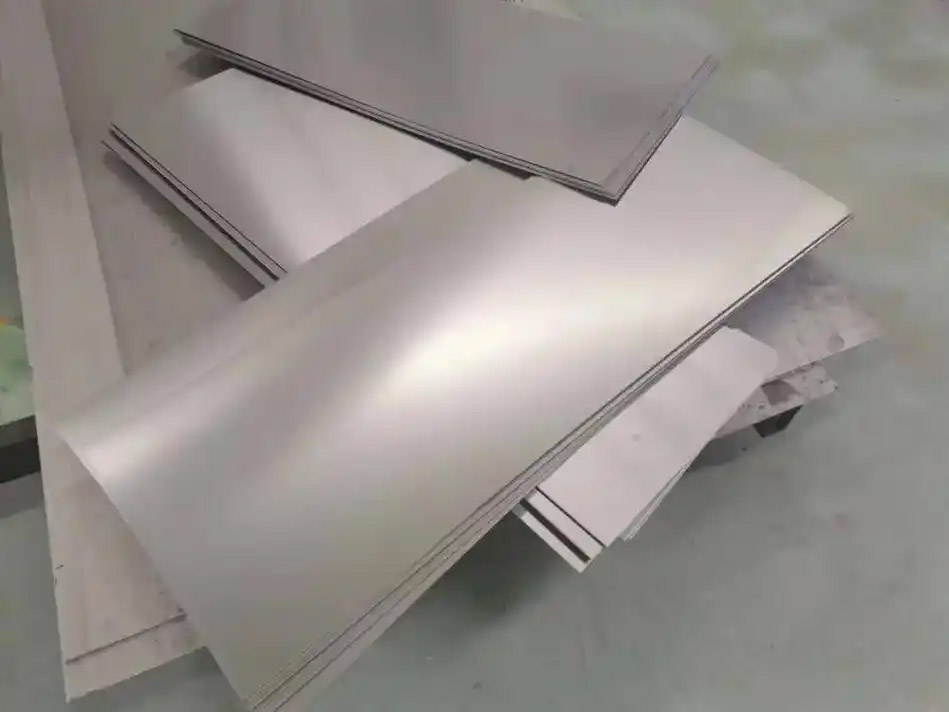
In modern manufacturing environments where dimensional accuracy, material consistency, and long-term performance are non-negotiable, the selection of raw material becomes a critical strategic decision. Engineers and procurement specialists tasked with sourcing metal sheets for precision components face a complex landscape of alloys, grades, and supplier claims. Among the available options, pure titanium sheet stands out as a material that delivers exceptional mechanical stability, corrosion resistance, and biocompatibility while maintaining the tight tolerances required for high-precision applications. This article explores the specific technical and operational reasons why pure titanium sheet has become the preferred choice for manufacturers producing components where performance margins are measured in microns and material reliability directly impacts product success.
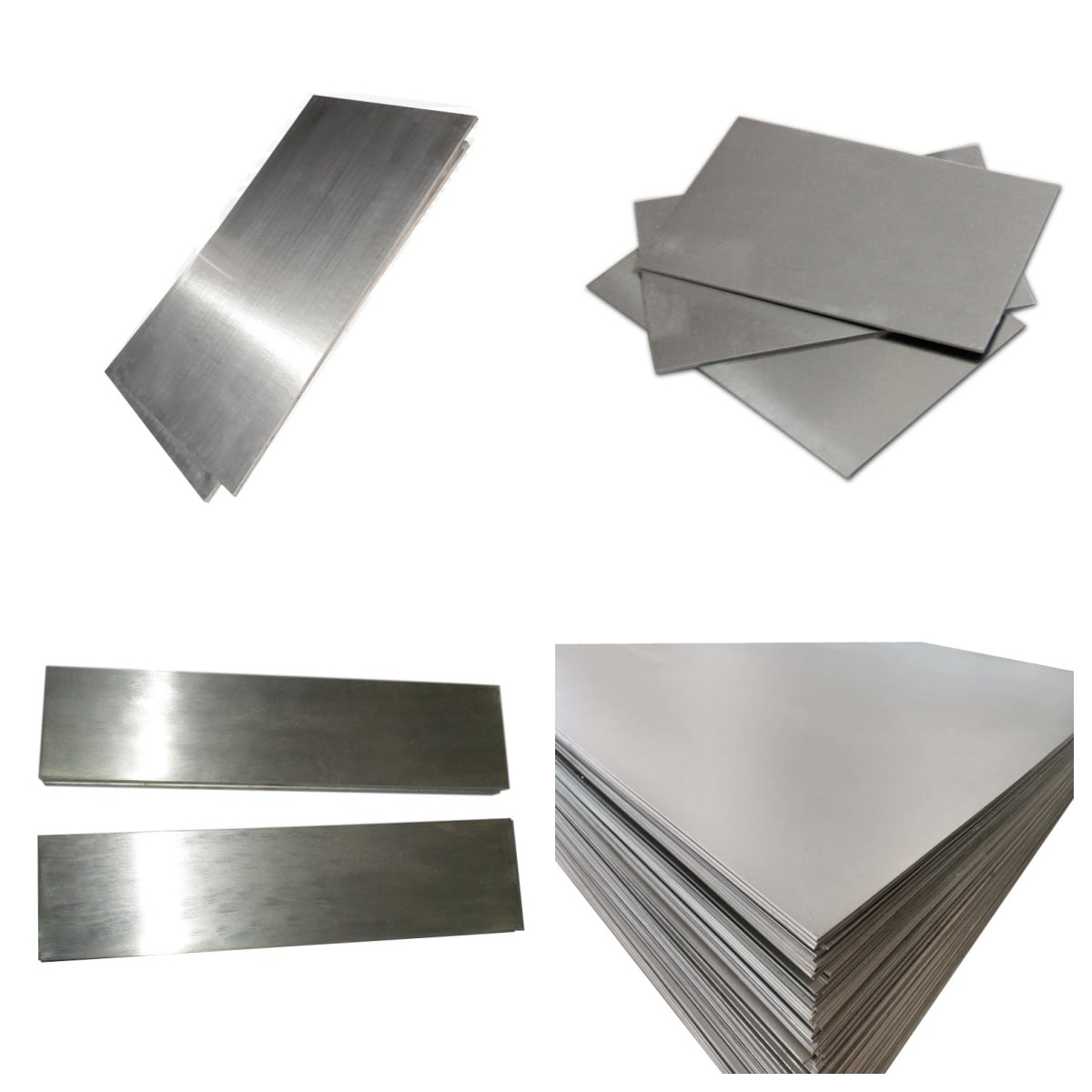
The decision to specify pure titanium sheet over alternative materials stems from a convergence of metallurgical properties, fabrication characteristics, and lifecycle cost considerations that become apparent only when analyzed through the lens of precision component manufacturing. Unlike alloyed titanium grades that introduce additional elements to enhance specific properties, commercially pure titanium maintains an elemental composition that optimizes machinability, formability, and dimensional predictability. For components operating in demanding environments such as aerospace instrumentation, medical device assemblies, chemical processing equipment, and semiconductor fabrication systems, these characteristics translate directly into reduced scrap rates, improved process control, and extended service intervals that justify the material investment.
Material Purity and Its Impact on Dimensional Stability
Metallurgical Consistency in Unalloyed Titanium
The fundamental advantage of pure titanium sheet in precision applications originates from its elemental composition, which typically maintains titanium content above 99 percent with carefully controlled trace elements. This metallurgical purity eliminates the microstructural variations and secondary phase formations common in alloyed materials, resulting in a homogeneous crystal structure that responds predictably to thermal cycling, mechanical stress, and fabrication processes. When precision components require tolerances in the range of plus or minus ten microns, the grain structure uniformity inherent in pure titanium sheet becomes a decisive factor in achieving and maintaining dimensional specifications throughout the manufacturing process and subsequent operational life.
The absence of alloying elements in pure titanium sheet also minimizes the risk of compositional gradients and segregation patterns that can develop during casting and rolling operations. These internal material inconsistencies, even when present at microscopic scales, can manifest as unpredictable dimensional changes during heat treatment, stress relief operations, or long-term service under load. For manufacturers producing components that undergo multiple machining operations, thermal processes, and surface treatments, the dimensional stability provided by pure titanium sheet reduces the need for intermediate inspection steps and allows tighter process control windows. This translates directly into higher first-pass yield rates and reduced manufacturing costs despite the premium material price point.
Thermal Expansion Characteristics in Precision Assembly
Pure titanium sheet exhibits a coefficient of thermal expansion that remains relatively low and highly predictable across the temperature ranges encountered in most precision component applications. This thermal behavior becomes particularly important in assemblies where pure titanium sheet components interface with ceramics, glasses, or specialized polymers that have their own distinct thermal expansion characteristics. The ability to accurately predict and compensate for dimensional changes during temperature excursions allows design engineers to specify tighter assembly tolerances and reduces the need for complex thermal management systems or adaptive mounting schemes that add cost and complexity to final products.
In applications involving thermal cycling such as aerospace electronic housings or semiconductor processing chambers, the dimensional repeatability of pure titanium sheet through repeated heating and cooling cycles prevents the gradual tolerance drift that can occur with materials exhibiting less stable thermal properties. This repeatability extends component service life and maintains precision alignment of optical, electronic, or mechanical interfaces that depend on micron-level positioning accuracy. The material's resistance to thermal fatigue further ensures that dimensional stability persists even after thousands of thermal cycles, making pure titanium sheet particularly valuable in applications where component replacement costs include not only material expenses but also significant downtime and recalibration procedures.
Corrosion Resistance in Critical Operating Environments
Passive Oxide Layer Formation and Regeneration
The exceptional corrosion resistance that makes pure titanium sheet suitable for precision components in harsh environments stems from its ability to spontaneously form a stable, adherent titanium dioxide layer when exposed to oxygen or moisture. This passive film, measuring only a few nanometers in thickness, provides a self-healing barrier that protects the underlying metal from chemical attack across a wide range of pH conditions and exposure media. For precision components, this corrosion protection mechanism is particularly valuable because it operates without dimensional impact, unlike protective coatings or platings that add measurable thickness and can degrade or spall under mechanical stress or thermal cycling.
The regenerative nature of the oxide layer on pure titanium sheet ensures that minor surface damage from handling, assembly, or operational wear does not compromise long-term corrosion protection. When the passive film is scratched or abraded, it reforms within milliseconds in the presence of trace oxygen, restoring the protective barrier without intervention or maintenance procedures. This self-healing characteristic is especially important for precision components with complex geometries, internal passages, or assembled interfaces where traditional protective coatings cannot be reliably applied or inspected. The use of pure titanium sheet in such applications eliminates corrosion-related dimensional changes that could compromise precision fits, sealing surfaces, or alignment features over the component's operational lifetime.
Chemical Compatibility Across Process Environments
Precision components fabricated from pure titanium sheet maintain their dimensional integrity when exposed to aggressive chemical environments that would rapidly degrade alternative materials. In semiconductor fabrication equipment, chemical processing systems, and analytical instrumentation, components must resist attack from strong acids, alkaline solutions, oxidizing agents, and reactive gases while maintaining tolerances that directly affect process outcomes. Pure titanium sheet provides this chemical resistance without requiring expensive noble metal alternatives or complex coating systems that add cost and introduce potential failure modes in precision assemblies.
The broad chemical compatibility of pure titanium sheet also simplifies the cleaning, sterilization, and maintenance procedures required for precision components in medical device manufacturing, pharmaceutical processing, and food production systems. Components can undergo repeated exposure to aggressive cleaning agents, high-temperature steam sterilization, and chemical disinfection without dimensional degradation or surface contamination that might compromise product quality or regulatory compliance. This durability in processing environments reduces the need for frequent component replacement and allows manufacturers to specify longer maintenance intervals, improving overall equipment effectiveness and reducing total cost of ownership for precision systems incorporating pure titanium sheet components.
Machinability and Fabrication Characteristics
Cutting Tool Life and Surface Finish Quality
While pure titanium sheet presents certain machining challenges compared to conventional metals, its unalloyed composition actually offers advantages in precision component fabrication when proper tooling and parameters are employed. The absence of hard intermetallic particles and carbide phases that characterize alloyed titanium grades results in more predictable tool wear patterns and allows achievement of superior surface finishes critical for precision components. When machining operations require mirror-like surfaces for optical applications, ultra-low roughness for sealing interfaces, or precisely controlled surface textures for friction management, pure titanium sheet responds favorably to fine finishing operations including diamond turning, precision grinding, and specialized polishing techniques.
The chip formation characteristics of pure titanium sheet during machining operations also contribute to dimensional accuracy in precision components. The material's tendency to form continuous chips rather than segmented or built-up edge formations allows better control of cutting forces and reduces the vibration and chatter that can compromise surface finish and dimensional tolerance. For components with thin walls, delicate features, or complex three-dimensional geometries, this machining behavior translates into reduced risk of distortion during fabrication and higher success rates in achieving design intent. Manufacturers working with pure titanium sheet can maintain tighter process control and achieve more consistent results across production runs, reducing the statistical variation that drives up scrap rates and inspection costs in precision component manufacturing.
Forming and Bending for Complex Geometries
Precision components frequently require formed features including bends, flanges, embossments, and three-dimensional contours that must be produced without compromising dimensional accuracy or introducing residual stresses that could cause delayed distortion. Pure titanium sheet offers excellent formability at elevated temperatures, allowing complex geometries to be produced through processes including brake forming, stretch forming, and superplastic forming that maintain tight dimensional control. The material's resistance to work hardening during forming operations reduces the need for intermediate annealing steps that add process complexity and introduce opportunities for dimensional variation between processing batches.
When precision components require formed features with specific spring-back characteristics or controlled residual stress patterns, the consistent mechanical properties of pure titanium sheet allow predictable process modeling and optimization. Manufacturers can develop validated forming parameters that reliably produce components meeting dimensional specifications across multiple production runs, reducing development time for new component designs and improving manufacturing efficiency. The dimensional stability of pure titanium sheet after forming operations also simplifies downstream machining and assembly processes by minimizing the geometric variation that must be accommodated in fixturing, tooling, and quality control procedures.
Weight Optimization in Performance-Critical Applications
Strength-to-Weight Ratio in Structural Precision Components
The exceptional strength-to-weight ratio offered by pure titanium sheet becomes a determining factor when precision components must perform structural functions while minimizing mass. In aerospace applications, robotic systems, and portable analytical equipment, every gram of component weight directly impacts system performance, energy consumption, and operational capability. Pure titanium sheet allows designers to meet structural requirements with thinner cross-sections and reduced material volume compared to steel or nickel alloys, while maintaining the dimensional stability and surface quality required for precision interfaces and mounting features.
The weight reduction achievable with pure titanium sheet in precision components extends beyond simple mass savings to enable system-level performance improvements. In rotating assemblies, reduced component mass lowers inertial loads and allows higher operating speeds or faster acceleration rates. In mobile platforms, weight savings from pure titanium sheet components increase payload capacity, extend operating range, or improve maneuverability. These system-level benefits often justify the material cost premium by enabling competitive advantages or performance capabilities unattainable with heavier alternative materials, making pure titanium sheet a value-adding choice rather than simply a cost item in precision component manufacturing.
Damping Properties and Vibration Control
Beyond static weight considerations, pure titanium sheet offers vibration damping characteristics that contribute to dimensional stability in precision components subjected to dynamic loading conditions. The material's internal damping capacity helps attenuate vibration transmission through component structures, reducing the amplitude of resonant oscillations that could compromise dimensional accuracy in precision assemblies. In applications such as precision measuring equipment, optical systems, and high-speed machinery, the vibration damping provided by pure titanium sheet components contributes to improved measurement repeatability, reduced positional drift, and extended service life of adjacent precision elements.
The combination of low density and favorable damping properties makes pure titanium sheet particularly valuable in precision components that must operate in vibration-rich environments while maintaining tight positional tolerances. Unlike materials that require additional damping layers or isolation systems that add weight and complexity, pure titanium sheet provides inherent vibration control as an intrinsic material property. This simplifies component design, reduces part count in precision assemblies, and eliminates potential failure modes associated with separate damping elements, contributing to improved overall system reliability and maintainability.
Biocompatibility and Surface Cleanliness Standards
Medical Device and Pharmaceutical Applications
For precision components used in medical devices, pharmaceutical processing equipment, and biotechnology instrumentation, the exceptional biocompatibility of pure titanium sheet eliminates concerns about toxic metal ion release, tissue sensitization, or biological response that could compromise patient safety or product efficacy. The material's established track record in implantable medical devices translates directly to advantages in external medical equipment where contact with biological materials, pharmaceutical compounds, or patients requires materials that meet stringent regulatory standards for biocompatibility and cleanliness. Pure titanium sheet components can be specified with confidence in applications ranging from surgical instrument assemblies to diagnostic equipment housings to pharmaceutical formulation systems.
The non-reactive surface chemistry of pure titanium sheet also prevents catalytic degradation of sensitive pharmaceutical compounds, biological samples, or chemical reagents that might occur with other metal surfaces. In analytical instrumentation and laboratory automation systems, this chemical inertness ensures that precision components do not introduce measurement artifacts, sample contamination, or analytical interference that could compromise data quality or experimental reproducibility. The ability to use pure titanium sheet in direct contact with sensitive materials simplifies system design by eliminating the need for protective coatings or barrier layers that might degrade over time or introduce their own contamination risks.
Ultra-High Purity Process Compatibility
Precision components fabricated from pure titanium sheet meet the demanding cleanliness requirements of semiconductor fabrication, aerospace propulsion systems, and advanced materials processing applications where contamination measured in parts per billion can compromise product quality or process outcomes. The material's resistance to particulate generation, minimal outgassing characteristics, and compatibility with aggressive cleaning protocols allow pure titanium sheet components to achieve and maintain the ultra-high purity standards required in controlled manufacturing environments. This cleanliness capability extends the application range of precision components into processes where alternative materials would require expensive surface treatments or frequent replacement to maintain purity specifications.
The stable surface chemistry of pure titanium sheet also simplifies validation and qualification procedures for precision components used in regulated industries. The material's consistent composition, predictable surface properties, and extensive documentation in industry standards reduce the testing burden and regulatory risk associated with introducing components into qualified manufacturing processes. For manufacturers serving highly regulated markets, the ability to specify pure titanium sheet with confidence in its regulatory acceptance and performance consistency represents a significant advantage in managing product lifecycle costs and maintaining manufacturing flexibility across multiple applications and customer requirements.
FAQ
What thickness range is available for pure titanium sheet used in precision components?
Pure titanium sheet for precision component applications is commercially available in thicknesses ranging from 0.1 millimeters to 6 millimeters, with specialized suppliers offering even thinner foil grades down to 0.025 millimeters for specific applications. The most commonly specified thicknesses for precision components fall in the 0.5 to 2.0 millimeter range, where the material provides an optimal balance of formability, machinability, and structural performance. Thickness tolerances for precision-grade pure titanium sheet typically range from plus or minus 0.025 millimeters for thinner gauges to plus or minus 0.05 millimeters for thicker sections, though tighter tolerances can be achieved through additional processing such as precision grinding or rolling operations.
How does pure titanium sheet compare to Grade 5 titanium alloy for precision applications?
While Grade 5 titanium alloy offers higher strength than pure titanium sheet, precision component applications often favor commercially pure grades due to superior formability, better corrosion resistance in specific environments, and more predictable machining characteristics that facilitate achieving tight dimensional tolerances. Pure titanium sheet exhibits lower residual stress after fabrication, reduced risk of stress corrosion cracking, and better surface finish capability in precision machining operations. The choice between pure titanium sheet and alloyed grades depends on specific application requirements, with pure grades preferred when dimensional stability, chemical resistance, and biocompatibility take priority over maximum strength-to-weight ratio.
What surface treatments are compatible with pure titanium sheet precision components?
Pure titanium sheet accepts a wide range of surface treatments including electropolishing for ultra-smooth finishes, anodizing for color coding and enhanced corrosion protection, passivation for optimal oxide layer development, and various coating processes including physical vapor deposition and chemical vapor deposition for specialized functional requirements. The material's stable surface chemistry and oxide formation characteristics allow these treatments to be applied with high repeatability and minimal risk of dimensional distortion. For precision components requiring specific surface properties such as controlled reflectivity, defined surface energy, or enhanced wear resistance, pure titanium sheet provides an excellent substrate that maintains dimensional accuracy throughout surface treatment processes.
What is the typical lead time for sourcing precision-grade pure titanium sheet?
Lead times for precision-grade pure titanium sheet vary depending on thickness, finish requirements, quantity, and supplier inventory levels, but typically range from four to twelve weeks for material meeting standard specifications. Custom thicknesses, special surface finishes, or tighter-than-standard tolerances may extend lead times to twelve to sixteen weeks as material undergoes additional processing steps. Manufacturers planning precision component production should account for these lead times in project schedules and consider establishing vendor-managed inventory arrangements or strategic material stockpiles for high-volume or time-sensitive applications. Working with established suppliers who maintain inventory of common precision grades can significantly reduce procurement time and provide schedule flexibility for manufacturing operations.
Table of Contents
- Material Purity and Its Impact on Dimensional Stability
- Corrosion Resistance in Critical Operating Environments
- Machinability and Fabrication Characteristics
- Weight Optimization in Performance-Critical Applications
- Biocompatibility and Surface Cleanliness Standards
-
FAQ
- What thickness range is available for pure titanium sheet used in precision components?
- How does pure titanium sheet compare to Grade 5 titanium alloy for precision applications?
- What surface treatments are compatible with pure titanium sheet precision components?
- What is the typical lead time for sourcing precision-grade pure titanium sheet?