 EN
EN


Pure titanium sheet demonstrates exceptional performance characteristics when subjected to extreme environmental conditions, making it an indispensable material across aerospace, marine, chemical processing, and high-temperature applications. The unique combination of low density, superior corrosion resistance, and remarkable strength-to-weight ratio enables pure titanium sheet to maintain structural integrity and operational reliability where conventional materials fail. Understanding how pure titanium sheet responds to extreme temperatures, corrosive chemicals, high-pressure environments, and mechanical stress is crucial for engineers and procurement specialists selecting materials for mission-critical applications.
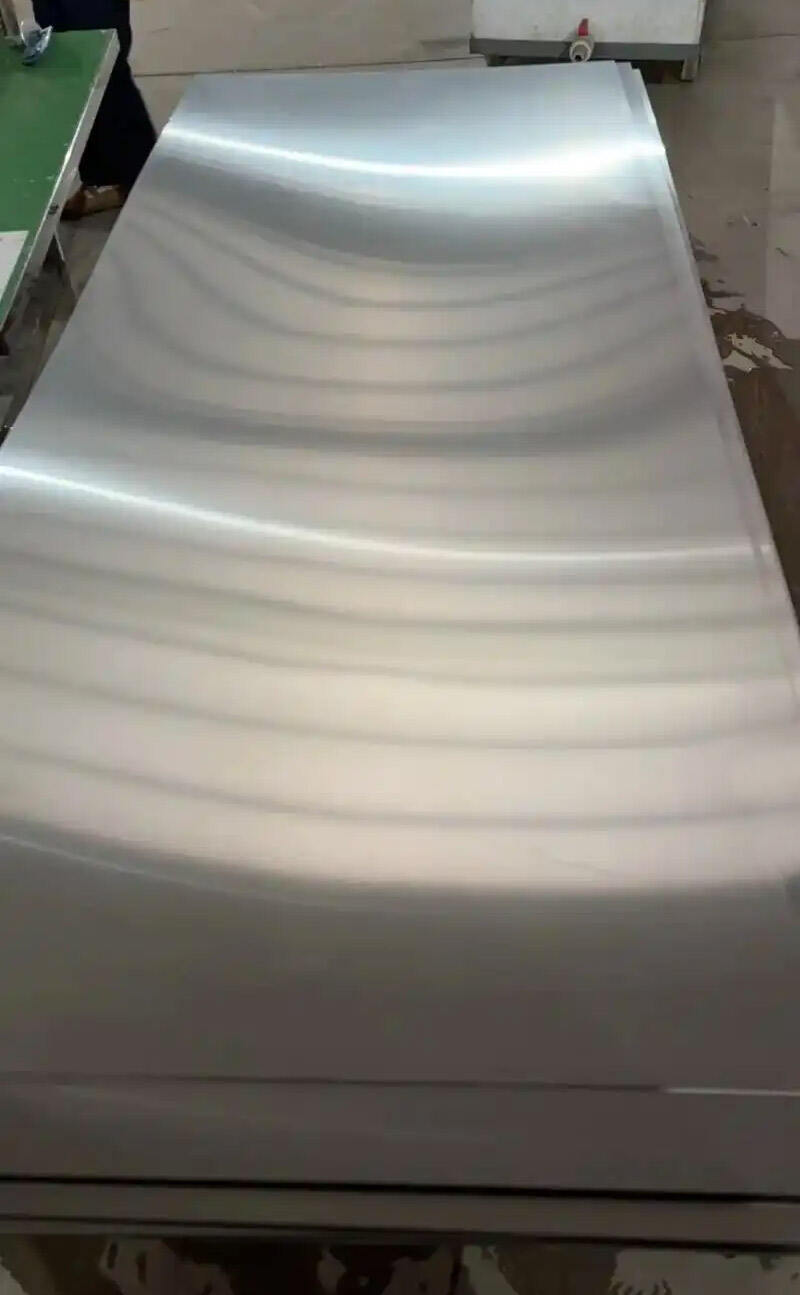
The performance mechanisms of pure titanium sheet in extreme environments stem from its crystalline structure and inherent material properties that resist degradation under challenging conditions. When exposed to temperature extremes ranging from cryogenic conditions below -200°C to elevated temperatures exceeding 500°C, pure titanium sheet maintains dimensional stability and mechanical properties that surpass many alternative materials. This exceptional environmental tolerance explains why pure titanium sheet serves as the material of choice for spacecraft heat shields, deep-sea exploration equipment, and chemical reactor components where failure consequences are catastrophic.
Temperature Resistance Performance of Pure Titanium Sheet
High-Temperature Behavior and Thermal Stability
Pure titanium sheet exhibits remarkable thermal stability at elevated temperatures, maintaining structural integrity up to approximately 550°C before significant oxidation occurs. The material's thermal expansion coefficient remains relatively low compared to stainless steel alternatives, reducing thermal stress accumulation during heating and cooling cycles. This characteristic makes pure titanium sheet particularly valuable in applications such as jet engine components, exhaust systems, and high-temperature chemical processing equipment where thermal cycling is routine.
The oxidation resistance of pure titanium sheet at elevated temperatures results from the formation of a protective titanium dioxide layer that prevents further material degradation. This passive oxide layer becomes increasingly stable as temperature rises, providing enhanced protection against atmospheric corrosion. However, pure titanium sheet performance begins to decline when temperatures exceed 600°C, where rapid oxidation can compromise mechanical properties and dimensional accuracy.
Heat treatment processes for pure titanium sheet must carefully control temperature exposure to optimize mechanical properties while preventing grain growth that could reduce ductility. The material's beta transformation temperature around 882°C represents a critical threshold where microstructural changes occur, affecting subsequent performance characteristics. Understanding these thermal limits ensures pure titanium sheet applications remain within safe operating parameters for long-term reliability.
Cryogenic Temperature Performance
At extremely low temperatures, pure titanium sheet demonstrates superior toughness retention compared to many engineering materials that become brittle under cryogenic conditions. The face-centered cubic crystal structure of pure titanium sheet prevents the ductile-to-brittle transition that affects ferrous materials at sub-zero temperatures. This property makes pure titanium sheet invaluable for liquid nitrogen handling systems, spacecraft applications, and cryogenic storage vessels.
The thermal conductivity of pure titanium sheet decreases significantly at cryogenic temperatures, providing natural insulation properties that help maintain temperature differentials in specialized applications. This low thermal conductivity, combined with excellent mechanical property retention, enables pure titanium sheet to function effectively in applications where temperature gradients create significant thermal stress.
Fatigue resistance of pure titanium sheet actually improves at cryogenic temperatures, with the material exhibiting enhanced crack propagation resistance under cyclic loading conditions. This improvement occurs because the reduced temperature suppresses dislocation mobility, increasing the material's resistance to fatigue crack initiation and growth.
Corrosion Resistance in Aggressive Chemical Environments
Acid Resistance and Chemical Compatibility
Pure titanium sheet demonstrates exceptional resistance to most acids, including hydrochloric acid, sulfuric acid, and nitric acid at concentrations and temperatures that would rapidly attack stainless steel alternatives. The passive oxide layer formed on pure titanium sheet surfaces provides a barrier against chemical attack, self-healing when damaged and maintaining protection over extended exposure periods. This corrosion resistance makes pure titanium sheet essential for chemical processing equipment, pharmaceutical manufacturing, and marine applications.
The mechanism of corrosion resistance in pure titanium sheet involves the formation of a stable titanium dioxide film that remains intact even under aggressive chemical conditions. This protective layer demonstrates remarkable stability across a wide pH range, from highly acidic to strongly alkaline environments. Unlike passive films on other materials, the oxide layer on pure titanium sheet shows minimal dissolution rates even in concentrated acid solutions.
Chloride ion resistance represents a particular strength of pure titanium sheet, with the material showing no susceptibility to chloride-induced stress corrosion cracking that affects many stainless steel alloys. This immunity to chloride attack enables pure titanium sheet applications in seawater environments, chlorine production facilities, and salt processing operations where conventional materials experience rapid degradation.
Oxidizing and Reducing Environment Performance
In oxidizing environments, pure titanium sheet maintains superior corrosion resistance due to the stable nature of its surface oxide layer. The material shows excellent performance in applications involving oxygen-rich atmospheres, peroxide solutions, and other oxidizing chemicals that would accelerate corrosion in conventional materials. This oxidation resistance extends the service life of pure titanium sheet components in demanding chemical processing applications.
Reducing environments present unique challenges for pure titanium sheet, as certain reducing acids like hydrofluoric acid can dissolve the protective oxide layer. However, pure titanium sheet demonstrates acceptable performance in most reducing conditions encountered in industrial applications, provided proper material selection and environmental controls are implemented.
The galvanic compatibility of pure titanium sheet with other materials requires careful consideration in mixed-material systems. Pure titanium sheet occupies a noble position in the galvanic series, meaning it can accelerate corrosion of less noble metals when coupled in electrolytic environments. Proper insulation and design practices prevent galvanic corrosion issues in multi-material assemblies.
Mechanical Performance Under Extreme Loading Conditions
Stress Resistance and Fatigue Performance
Pure titanium sheet exhibits exceptional fatigue resistance under cyclic loading conditions, with the material demonstrating superior crack propagation resistance compared to aluminum and steel alternatives. The fatigue limit of pure titanium sheet remains relatively high even under aggressive environmental conditions, making it suitable for applications involving repeated stress cycles such as aerospace components and marine structures.
The stress-strain behavior of pure titanium sheet shows excellent linearity within the elastic range, providing predictable performance under varying load conditions. The material's yield strength remains stable across a wide temperature range, ensuring consistent mechanical performance in applications where environmental conditions fluctuate significantly.
Impact resistance of pure titanium sheet surpasses many alternative materials, with the material's ductility preventing brittle failure under sudden loading conditions. This toughness characteristic becomes particularly important in applications where impact loads or shock conditions may occur, such as protective barriers and crash-resistant structures.
Creep Resistance and Long-Term Stability
At elevated temperatures, pure titanium sheet demonstrates excellent creep resistance, maintaining dimensional stability under sustained loading conditions that would cause significant deformation in other materials. This creep resistance enables pure titanium sheet applications in high-temperature structural components where long-term dimensional accuracy is critical.
The microstructural stability of pure titanium sheet contributes to its long-term mechanical performance, with minimal grain growth occurring during extended exposure to elevated temperatures. This stability ensures that pure titanium sheet components maintain their mechanical properties throughout their intended service life, reducing maintenance requirements and improving overall system reliability.
Stress relaxation in pure titanium sheet occurs at predictable rates, allowing engineers to account for gradual load redistribution in bolted joints and tensioned assemblies. This predictable behavior enables accurate service life calculations and maintenance scheduling for critical components.
Environmental Durability and Service Life Factors
Atmospheric Exposure Performance
Pure titanium sheet demonstrates exceptional resistance to atmospheric corrosion, maintaining its appearance and mechanical properties even after decades of outdoor exposure. The natural oxide layer that forms on pure titanium sheet surfaces provides permanent protection against atmospheric pollutants, salt spray, and industrial contaminants that degrade other materials.
UV radiation resistance of pure titanium sheet ensures that outdoor applications maintain their structural integrity without degradation from solar exposure. Unlike polymer materials that become brittle under UV exposure, pure titanium sheet shows no deterioration in mechanical properties from extended sunlight exposure.
The self-healing nature of the oxide layer on pure titanium sheet means that minor surface damage from handling or installation does not compromise long-term corrosion resistance. This characteristic reduces maintenance requirements and extends service life in applications where periodic surface contact occurs.
Biological Compatibility and Contamination Resistance
Pure titanium sheet exhibits excellent biocompatibility, making it suitable for applications in food processing, pharmaceutical manufacturing, and medical device components. The material's resistance to bacterial adhesion and biofilm formation helps maintain sanitary conditions in critical applications.
Chemical inertness of pure titanium sheet prevents contamination of sensitive processes, ensuring product purity in pharmaceutical and food applications. The non-toxic nature of pure titanium sheet and its corrosion products eliminates concerns about material leaching in sensitive applications.
Cleaning and sterilization procedures have minimal impact on pure titanium sheet properties, allowing repeated sanitization cycles without material degradation. This durability reduces replacement costs and maintains system performance in applications requiring frequent cleaning.
FAQ
What temperature range can pure titanium sheet withstand in extreme environments?
Pure titanium sheet can operate effectively in temperature ranges from approximately -200°C to 550°C, maintaining its mechanical properties and corrosion resistance throughout this range. At cryogenic temperatures, the material actually becomes stronger and more ductile, while at elevated temperatures up to 550°C, it retains adequate strength with excellent oxidation resistance. Beyond 600°C, rapid oxidation begins to compromise the material's performance and long-term reliability.
How does pure titanium sheet resist corrosion in acidic environments?
Pure titanium sheet resists corrosion in acidic environments through the formation of a stable titanium dioxide passive layer that prevents chemical attack. This protective oxide film is self-healing and remains intact even when exposed to concentrated acids like hydrochloric, sulfuric, and nitric acid. The passive layer shows remarkable stability across a wide pH range and demonstrates minimal dissolution rates, providing long-term protection in aggressive chemical environments.
Can pure titanium sheet maintain structural integrity under cyclic loading in extreme conditions?
Yes, pure titanium sheet exhibits exceptional fatigue resistance under cyclic loading conditions, even in extreme environments. The material's superior crack propagation resistance and high fatigue limit enable it to withstand repeated stress cycles while maintaining structural integrity. This fatigue performance actually improves at cryogenic temperatures and remains stable at elevated temperatures within its operating range, making it ideal for applications involving thermal cycling and mechanical stress.
What makes pure titanium sheet suitable for long-term exposure in harsh environments?
Pure titanium sheet is suitable for long-term exposure in harsh environments due to its exceptional corrosion resistance, thermal stability, and mechanical property retention. The material's self-healing oxide layer provides permanent protection against environmental degradation, while its microstructural stability prevents property changes over extended service periods. Additionally, pure titanium sheet's resistance to UV radiation, atmospheric pollutants, and biological contamination ensures consistent performance throughout its intended service life without requiring frequent replacement or maintenance.
Table of Contents
- Temperature Resistance Performance of Pure Titanium Sheet
- Corrosion Resistance in Aggressive Chemical Environments
- Mechanical Performance Under Extreme Loading Conditions
- Environmental Durability and Service Life Factors
-
FAQ
- What temperature range can pure titanium sheet withstand in extreme environments?
- How does pure titanium sheet resist corrosion in acidic environments?
- Can pure titanium sheet maintain structural integrity under cyclic loading in extreme conditions?
- What makes pure titanium sheet suitable for long-term exposure in harsh environments?