 EN
EN


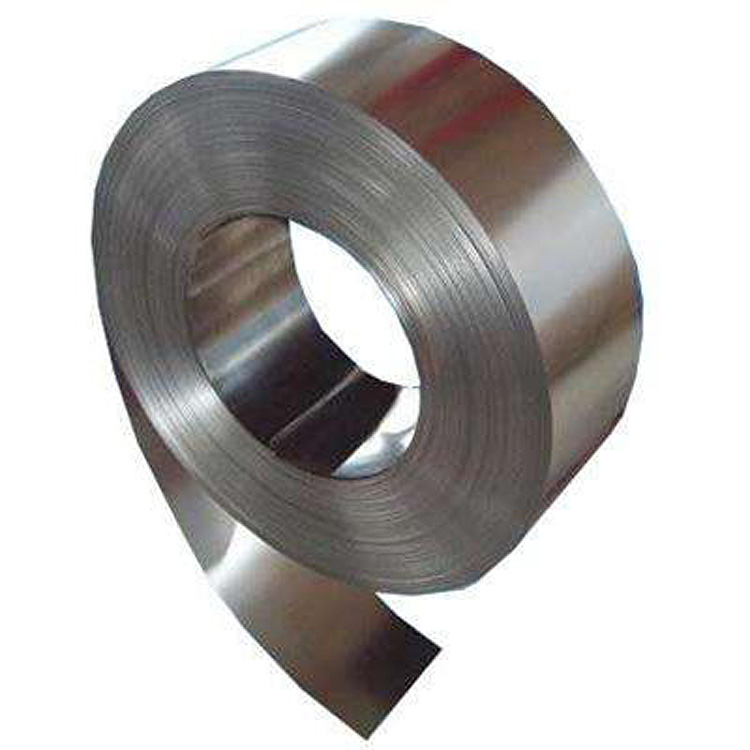
Titanium foil stands as one of the most remarkable engineered materials in modern industrial applications, offering a unique combination of mechanical properties that challenge conventional material science expectations. Engineers and product designers frequently encounter the challenge of selecting materials that can simultaneously provide exceptional flexibility for forming operations while maintaining structural strength under demanding operational conditions. This dual-capability requirement has positioned titanium foil as an indispensable solution across aerospace, medical device manufacturing, chemical processing, and advanced electronics sectors. Understanding how titanium foil achieves this balance between malleability and mechanical robustness requires examining its crystallographic structure, manufacturing processes, and the intrinsic metallurgical properties that differentiate titanium from other metallic foil materials.
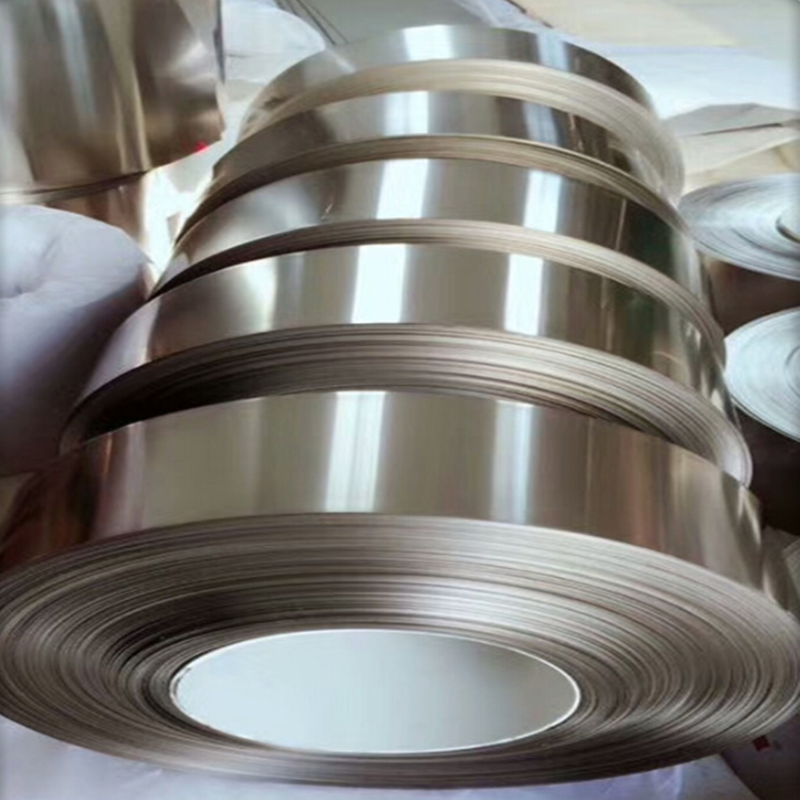
The superior flexibility and strength characteristics of titanium foil emerge from a complex interplay of atomic bonding arrangements, grain structure refinement during production, and the material's hexagonal close-packed crystal lattice configuration. Unlike many metals that sacrifice flexibility for strength or vice versa, titanium foil maintains an optimal balance through controlled processing techniques that preserve ductility while enhancing tensile properties. This article explores the specific mechanisms through which titanium foil delivers these exceptional performance attributes, examining the metallurgical foundations, processing methodologies, microstructural considerations, and practical application scenarios that demonstrate why this material continues to outperform alternatives in critical engineering environments.
The Metallurgical Foundation of Titanium Foil Performance
Crystal Structure and Atomic Bonding Characteristics
The foundation of titanium foil's exceptional mechanical properties lies in its hexagonal close-packed crystal structure, which fundamentally differs from the face-centered cubic or body-centered cubic arrangements found in many other metallic materials. This HCP lattice configuration provides titanium foil with specific slip systems that enable controlled plastic deformation without catastrophic failure. The atomic arrangement allows dislocations to move through the material in predictable patterns, facilitating bending and forming operations while maintaining structural integrity. The covalent-metallic bonding nature of titanium creates strong interatomic forces that resist separation under tensile loading, contributing directly to the material's high strength-to-weight ratio.
Within the crystallographic framework of titanium foil, the c/a ratio of the hexagonal lattice plays a critical role in determining mechanical behavior. Titanium's specific lattice parameters create a balance between basal slip and prismatic slip systems, enabling multiple deformation modes that accommodate complex forming operations. This multi-system deformation capability allows titanium foil to undergo significant bending without developing through-thickness cracks or localized stress concentrations that would compromise structural performance. The atomic packing density of approximately 74 percent provides optimal space efficiency while maintaining sufficient flexibility for dislocation movement during mechanical loading.
Grain Structure Refinement and Texture Control
The manufacturing processes used to produce titanium foil deliberately control grain size and crystallographic texture to optimize the balance between flexibility and strength. Fine-grained titanium foil typically exhibits superior strength characteristics through the Hall-Petch relationship, where reducing grain size increases the number of grain boundaries that act as barriers to dislocation movement. However, excessively fine grains can reduce ductility, so manufacturers carefully balance grain refinement with maintaining sufficient slip length to preserve forming capability. Advanced rolling schedules and intermediate annealing treatments create optimal microstructures that deliver both properties simultaneously.
Crystallographic texture development during titanium foil production significantly influences mechanical anisotropy and forming behavior. Controlled rolling operations align grain orientations to create preferred textures that enhance specific mechanical properties in particular directions. For applications requiring multidirectional flexibility, manufacturers employ cross-rolling techniques and recrystallization annealing to randomize texture and minimize directional property variations. The resulting microstructure in high-quality titanium foil exhibits equiaxed grains with balanced texture components that support uniform deformation behavior regardless of loading direction, making it ideal for complex forming applications.
Alloying Effects and Purity Considerations
While commercially pure titanium foil grades dominate many applications, controlled alloying additions can further enhance the flexibility-strength balance for specific use cases. Small additions of aluminum and vanadium create alpha-beta titanium alloys that offer increased strength while maintaining reasonable formability in foil gauges. The alloying elements modify the slip system activity and create solid solution strengthening effects without drastically compromising ductility. Oxygen content in titanium foil also significantly affects mechanical properties, with higher interstitial oxygen levels increasing strength but potentially reducing elongation capability if not carefully controlled during processing.
Purity levels in titanium foil production directly correlate with achieving optimal mechanical property combinations. High-purity grades minimize interstitial contamination from elements like nitrogen, carbon, and hydrogen that can create embrittlement and reduce forming capability. Manufacturers employ vacuum melting and careful handling protocols to maintain stringent purity standards throughout the production chain. The resulting material exhibits clean grain boundaries free from precipitates or inclusions that could serve as crack initiation sites during bending or forming operations, thereby preserving both flexibility and structural integrity under demanding application conditions.
Manufacturing Processes That Enable Dual Performance
Cold Rolling and Work Hardening Management
The production of titanium foil relies heavily on cold rolling operations that progressively reduce material thickness while simultaneously refining microstructure and developing mechanical properties. During cold rolling, titanium foil undergoes substantial plastic deformation that introduces high dislocation densities and creates work hardening effects. This work hardening increases strength but must be carefully managed to prevent excessive loss of ductility. Manufacturers implement multi-pass rolling schedules with controlled reduction ratios per pass to achieve target thicknesses while maintaining processability. The accumulated strain energy from cold work creates a metastable microstructure that can be subsequently modified through heat treatment to optimize property balance.
Advanced rolling mill configurations with precisely controlled roll gap geometry and surface finish enable production of titanium foil with uniform thickness and minimal surface defects. The rolling process induces texture development and grain elongation that must be considered in final product design. For applications requiring maximum flexibility, manufacturers limit total cold work reduction between annealing cycles to prevent excessive hardening. Conversely, applications prioritizing strength may utilize higher reduction ratios to maximize dislocation strengthening. The ability to tailor rolling parameters allows producers to customize titanium foil properties for specific application requirements while maintaining the fundamental balance between flexibility and strength.
Annealing Protocols and Microstructure Optimization
Strategic annealing treatments serve as critical control points in titanium foil manufacturing, enabling recovery and recrystallization processes that restore ductility while retaining beneficial strengthening mechanisms. Annealing temperatures, hold times, and cooling rates are precisely engineered to achieve specific microstructural outcomes. Lower temperature recovery anneals reduce dislocation density and relieve internal stresses without triggering complete recrystallization, providing moderate ductility improvement while preserving much of the work hardening strength. Higher temperature recrystallization anneals create entirely new grain structures with minimized dislocation content, maximizing formability for applications requiring extreme bending or deep drawing capability.
Titanium foil manufacturers often employ multiple annealing stages interspersed with rolling passes to progressively refine microstructure while advancing toward final gauge. This thermomechanical processing approach allows cumulative development of optimal grain size distributions and texture components that cannot be achieved through either rolling or annealing alone. The final annealing treatment before product delivery is carefully selected based on intended application requirements, with customers specifying either annealed or partially cold-worked conditions depending on whether flexibility or strength receives priority in their specific use case. This processing flexibility enables titanium foil to serve diverse application portfolios with customized property profiles.
Surface Treatment and Oxide Layer Engineering
The surface condition of titanium foil significantly influences both mechanical performance and application suitability. Titanium naturally forms a thin, tenacious oxide layer that provides exceptional corrosion resistance but also affects forming behavior and bonding characteristics. Manufacturers employ various surface treatments including acid pickling, mechanical polishing, and controlled oxidation to engineer surface properties. For applications requiring maximum flexibility during forming, smooth, clean surfaces minimize friction and prevent galling during bending operations. The oxide layer thickness and composition can be controlled through heat treatment atmosphere and temperature, enabling customization of surface hardness and chemical reactivity.
Surface integrity considerations extend beyond oxide management to include detection and elimination of surface defects that could compromise mechanical performance. Advanced inspection techniques identify microscopic cracks, inclusions, or surface irregularities that might serve as stress concentration points during forming or service loading. High-quality titanium foil production incorporates multiple quality control checkpoints to ensure surface condition meets stringent specifications. The resulting product exhibits uniform surface characteristics that support predictable mechanical behavior and enable reliable performance in critical applications where both flexibility for installation and strength for operational loading are essential requirements.
Mechanical Property Mechanisms in Thin Gauge Materials
Size Effects and Thickness-Dependent Behavior
Titanium foil exhibits distinctive mechanical behavior related to its thin gauge geometry, with thickness-dependent effects becoming increasingly significant as material dimensions decrease below one millimeter. The ratio of surface area to volume increases dramatically in foil gauges, making surface condition and grain structure relative to thickness critical determinants of overall mechanical response. When titanium foil thickness approaches the scale of individual grain diameters, the material transitions from polycrystalline behavior to near-single-crystal characteristics, fundamentally altering deformation mechanisms. This size effect requires careful consideration during design and application engineering to ensure predicted performance matches actual service behavior.
The constraint conditions during bending and forming of titanium foil differ substantially from bulk material behavior due to through-thickness gradients and free surface effects. During bending operations, the neutral axis position and strain distribution across the foil thickness create complex stress states that influence springback behavior and minimum achievable bend radius. Thinner titanium foil gauges generally exhibit greater formability for a given material composition and processing history because the absolute magnitude of through-thickness strain gradients decreases with reducing material thickness. However, handling and processing challenges increase with decreasing gauge, requiring specialized equipment and techniques to prevent wrinkling, tearing, or contamination during manufacturing and application.
Elastic-Plastic Transition and Yield Behavior
The transition from elastic to plastic deformation in titanium foil determines practical limits for recoverable bending and establishes the threshold between temporary deflection and permanent forming. Titanium foil typically exhibits well-defined yield behavior with minimal yield point elongation, enabling predictable forming operation design. The elastic modulus of titanium, approximately 110 GPa, provides sufficient stiffness for structural applications while remaining low enough to permit elastic deflection under moderate loads. This modulus value sits favorably between aluminum and steel, offering a practical compromise that supports both flexibility during installation and structural stability during service.
The work hardening rate of titanium foil following yield significantly influences forming behavior and final component performance. Moderate work hardening rates enable progressive forming operations without excessive force requirements while providing strain hardening that increases strength in formed regions. This characteristic proves particularly valuable in applications where titanium foil must be shaped into complex geometries that experience variable stress distributions during service. The material's ability to strengthen in highly strained regions while maintaining ductility in less deformed areas creates self-optimizing stress distributions that enhance overall component reliability and performance longevity.
Fracture Resistance and Damage Tolerance
Despite its thin geometry, titanium foil demonstrates remarkable fracture resistance due to its intrinsic toughness and crack-resistant microstructure. The material's capacity to undergo plastic deformation before fracture provides a safety margin that prevents sudden catastrophic failure in most application scenarios. Fracture in titanium foil typically proceeds through ductile mechanisms involving void nucleation, growth, and coalescence rather than brittle cleavage, resulting in stable crack propagation that offers warning before complete material separation. This fracture behavior enhances reliability in critical applications where unexpected failure could create safety hazards or significant operational disruptions.
The damage tolerance of titanium foil extends to fatigue loading conditions where cyclic stresses might gradually accumulate damage over extended service periods. Titanium's resistance to fatigue crack initiation and propagation stems from its microstructural characteristics and absence of stress corrosion cracking susceptibility in most environments. Small scratches, dents, or handling damage that might prove catastrophic in brittle materials often have minimal impact on titanium foil performance due to crack blunting mechanisms and localized plastic deformation that redistributes stress concentrations. This damage tolerance contributes significantly to the material's reputation for reliability in demanding aerospace, medical, and chemical processing applications where both flexibility during assembly and long-term structural integrity are non-negotiable requirements.
Application-Specific Performance Advantages
Aerospace and Aircraft Component Applications
The aerospace industry extensively utilizes titanium foil for applications requiring the simultaneous delivery of flexibility during manufacturing assembly and exceptional strength-to-weight performance during operational service. Aircraft heat shields, thermal barriers, and acoustic dampening systems incorporate titanium foil because it can be formed into complex contoured shapes that conform to irregular airframe geometries while maintaining structural integrity under thermal cycling and vibration loading. The material's low density compared to steel or nickel alloys reduces overall aircraft weight, directly translating to improved fuel efficiency and payload capacity. Aerospace-grade titanium foil undergoes rigorous quality control and traceability protocols to ensure consistent performance in safety-critical applications.
Jet engine components represent another demanding aerospace application where titanium foil's unique property combination proves indispensable. Combustion chamber liners, heat shields, and acoustic treatments utilize thin gauge titanium foil that must withstand extreme temperature gradients while accommodating thermal expansion and vibration without fatigue failure. The material's flexibility enables forming into cylindrical and conical geometries with tight radii, while its elevated temperature strength retention maintains structural performance in environments approaching 600 degrees Celsius. The oxidation resistance of titanium foil at these temperatures prevents degradation that would compromise mechanical properties, ensuring long-term reliability throughout extended engine service intervals.
Medical Device and Biomedical Implant Use
Medical device manufacturers leverage titanium foil's flexibility and strength for producing implantable devices and surgical instruments where biocompatibility, corrosion resistance, and mechanical reliability are paramount. Cardiovascular stents, orthopedic implant components, and neurostimulation device housings incorporate titanium foil that can be formed into precise geometries while maintaining the structural integrity necessary to support physiological loading. The material's biocompatibility stems from the stable oxide layer that prevents metal ion release, eliminating inflammatory responses that compromise patient outcomes. The flexibility of titanium foil enables minimally invasive delivery methods where devices must be compressed or folded during insertion then expand or deploy at the treatment site.
Surgical instrument applications exploit titanium foil's combination of formability and strength to create lightweight, ergonomic tools with exceptional durability. Instrument components requiring thin-walled sections benefit from the material's ability to maintain structural rigidity despite minimal thickness, reducing instrument weight and surgeon fatigue during extended procedures. The corrosion resistance of titanium foil ensures compatibility with repeated sterilization cycles involving autoclaving, chemical disinfection, and gamma irradiation without mechanical property degradation. These characteristics make titanium foil an optimal material selection for advanced surgical instruments where both precise handling characteristics and long-term reliability are essential performance requirements.
Chemical Processing and Industrial Equipment
Chemical processing industries employ titanium foil in heat exchangers, reactor linings, and corrosion barriers where aggressive chemical environments would rapidly degrade alternative materials. The flexibility of titanium foil enables fabrication of complex heat exchanger geometries with thin-walled passages that maximize thermal transfer efficiency while minimizing material cost and equipment weight. Despite wall thicknesses measured in tenths of millimeters, properly designed titanium foil heat exchanger elements withstand pressure differentials and thermal stresses encountered in demanding process conditions. The material's immunity to chloride stress corrosion cracking and pitting corrosion in chlorine, bromine, and acidic environments extends equipment service life far beyond stainless steel or nickel alloy alternatives.
Electrochemical applications including electrolysis cells and electroplating equipment utilize titanium foil as substrate material for catalytic coatings or as dimensionally stable anodes where flexibility during installation and corrosion resistance during operation are both critical. The electrical conductivity of titanium foil, while lower than copper or aluminum, proves adequate for many electrochemical applications while offering superior corrosion resistance in electrolyte solutions. The material can be formed into mesh, expanded metal, or perforated sheet configurations that increase active surface area while maintaining structural integrity under current loading and evolved gas pressure. These versatile fabrication capabilities enable titanium foil to serve diverse industrial applications where both mechanical flexibility and chemical durability determine long-term performance success.
FAQ
What makes titanium foil more flexible than steel foil of similar thickness?
Titanium foil exhibits superior flexibility compared to steel foil primarily due to its lower elastic modulus and beneficial crystallographic structure. The elastic modulus of titanium measures approximately 110 GPa compared to 200 GPa for steel, meaning titanium requires less stress to achieve a given elastic strain during bending operations. Additionally, the hexagonal close-packed crystal structure of titanium provides multiple slip systems that accommodate plastic deformation more readily than the body-centered cubic structure of many steels. This combination of lower stiffness and favorable deformation mechanisms enables titanium foil to bend to tighter radii and undergo more complex forming operations without cracking or developing localized damage that would compromise structural integrity.
Can titanium foil maintain its strength after repeated bending cycles?
Titanium foil demonstrates excellent fatigue resistance and maintains substantial strength even after repeated bending cycles, though some property changes occur depending on the severity and number of cycles. During bending, work hardening increases strength in the deformed regions through dislocation multiplication and interaction. However, reverse bending can accelerate fatigue damage accumulation through cyclic strain at the same locations. For moderate bending cycles with relatively large bend radii, titanium foil retains the majority of its original strength indefinitely. Applications involving severe bending or high cycle counts may eventually develop fatigue cracks, but titanium's ductile fracture behavior typically provides warning through detectable crack initiation before complete failure occurs, making it highly reliable for applications requiring both flexibility and long-term structural performance.
How does thickness affect the balance between flexibility and strength in titanium foil?
Thickness significantly influences the flexibility-strength relationship in titanium foil through multiple mechanisms related to geometry, microstructure, and mechanical behavior. Thinner gauges exhibit greater flexibility because the absolute through-thickness strain gradient decreases during bending, reducing the maximum tensile strain on the outer surface for a given bend radius. This geometric effect enables tighter bends without exceeding fracture strain limits. However, thinner titanium foil may exhibit reduced absolute strength simply due to less material cross-section resisting applied loads. Microstructurally, very thin gauges may contain only a few grains through the thickness, creating anisotropic behavior and potential grain-boundary-dominated deformation. Optimal thickness selection requires balancing these competing factors based on specific application requirements for forming capability versus load-bearing capacity during service.
Does the superior performance of titanium foil justify its higher cost compared to aluminum or steel foil?
The cost justification for titanium foil depends heavily on application-specific requirements and total lifecycle considerations rather than initial material price alone. For applications where corrosion resistance, elevated temperature performance, or biocompatibility are essential requirements, titanium foil often represents the only viable material choice regardless of cost considerations. In aerospace applications, the weight savings achieved through titanium foil usage directly translate to fuel cost reductions and payload capacity improvements that recover the material premium over aircraft service life. Medical device applications justify titanium foil costs through biocompatibility that eliminates revision surgeries and patient complications associated with alternative materials. Even in industrial applications, the extended service life and reduced maintenance requirements of titanium foil equipment often provide superior total cost of ownership compared to initially cheaper materials that require frequent replacement due to corrosion failure or mechanical degradation.
Table of Contents
- The Metallurgical Foundation of Titanium Foil Performance
- Manufacturing Processes That Enable Dual Performance
- Mechanical Property Mechanisms in Thin Gauge Materials
- Application-Specific Performance Advantages
-
FAQ
- What makes titanium foil more flexible than steel foil of similar thickness?
- Can titanium foil maintain its strength after repeated bending cycles?
- How does thickness affect the balance between flexibility and strength in titanium foil?
- Does the superior performance of titanium foil justify its higher cost compared to aluminum or steel foil?