 EN
EN


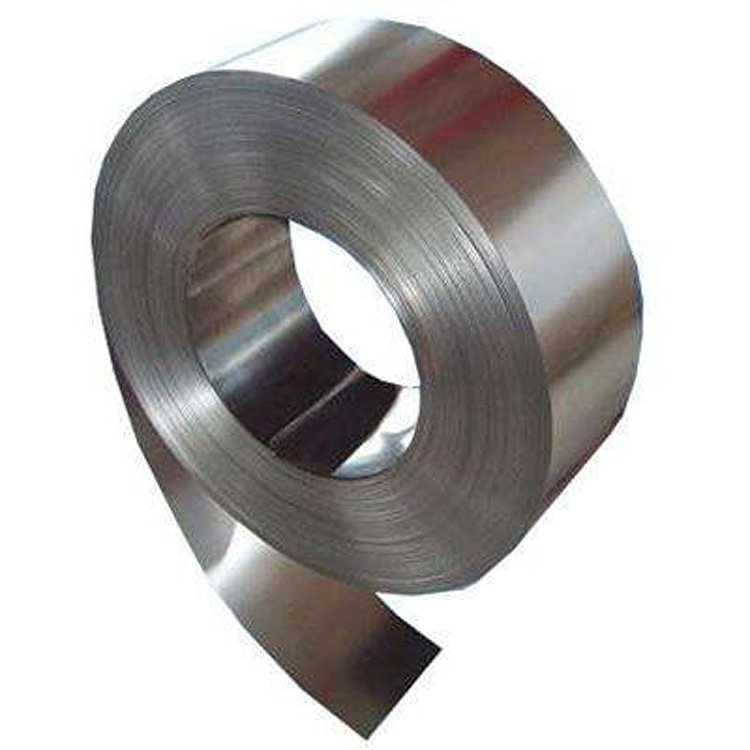
Engineers and material scientists frequently ask whether titanium foil can improve thermal and electrical performance in advanced industrial applications. The answer is yes, but with specific qualifications that depend on application context, design objectives, and performance benchmarks. Titanium foil exhibits unique properties that make it suitable for demanding environments where conventional materials fail, particularly in aerospace, electronics, chemical processing, and energy systems. While titanium foil does not compete with copper or aluminum in raw electrical conductivity, its combination of corrosion resistance, mechanical strength, and thermal stability enables performance improvements in specialized applications where other materials degrade or fail. Understanding how titanium foil contributes to thermal and electrical performance requires examining its material properties, application mechanisms, and the specific conditions under which it outperforms alternatives.
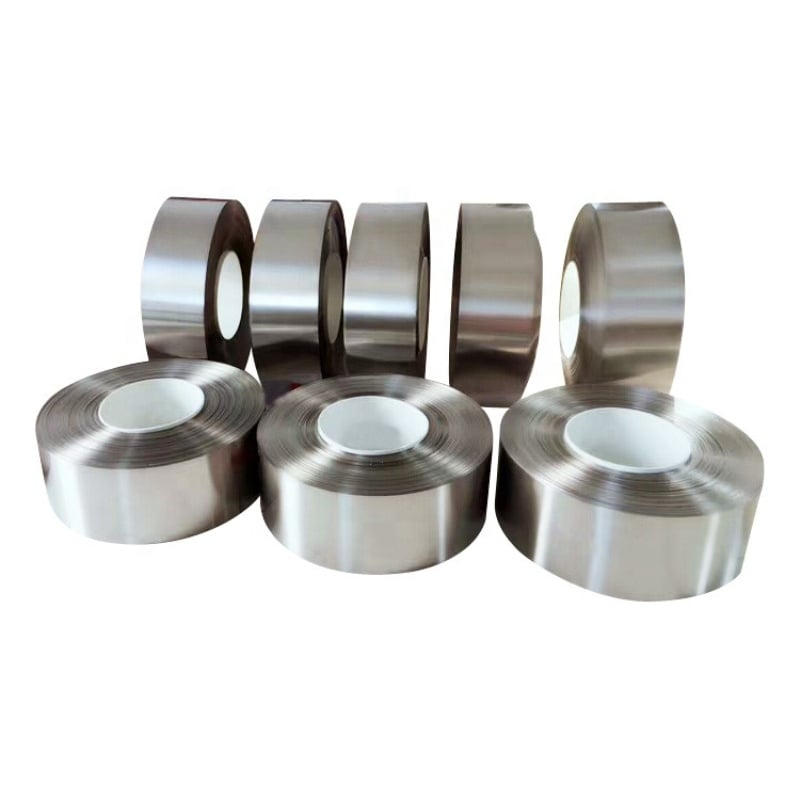
The performance question centers not on whether titanium foil has superior absolute conductivity compared to traditional conductors, but rather on whether it enables system-level improvements through its distinctive combination of properties. In thermal management systems, titanium foil provides reliable heat transfer in corrosive or high-temperature environments where copper or aluminum would corrode, oxidize, or lose mechanical integrity. In electrical applications, titanium foil serves as a substrate, barrier layer, or structural component that maintains electrical pathways under conditions that would compromise conventional materials. The value proposition of titanium foil lies in its ability to maintain consistent performance over extended service periods in harsh environments, reducing maintenance costs, extending system lifespans, and enabling designs that would be impossible with less durable materials. This article examines the specific mechanisms through which titanium foil improves thermal and electrical performance, the application contexts where these improvements matter most, and the engineering considerations that determine whether titanium foil represents the optimal material choice for a given application.
Material Properties That Enable Performance Enhancement
Thermal Conductivity Characteristics and Heat Transfer Mechanisms
Titanium foil possesses a thermal conductivity of approximately 17 to 22 watts per meter-kelvin, which is significantly lower than copper at 400 W/mK or aluminum at 205 W/mK. This lower thermal conductivity might suggest inferior thermal performance, but the reality is more nuanced. In applications where heat transfer occurs across thin sections with minimal conduction path length, titanium foil can provide adequate thermal transport while offering superior corrosion resistance and mechanical durability. The key consideration is not the absolute conductivity value but rather the effective thermal performance within the specific system architecture. Titanium foil maintains stable thermal properties across wide temperature ranges from cryogenic conditions to 600 degrees Celsius, whereas aluminum begins to soften above 150 degrees Celsius and copper oxidizes rapidly in high-temperature oxidizing environments. This thermal stability means that titanium foil continues to perform its heat transfer function reliably under conditions that would cause competing materials to fail structurally or develop insulating oxide layers that impede heat flow.
The surface oxide layer that forms naturally on titanium foil, primarily titanium dioxide, is extremely thin and adherent, typically only 2 to 10 nanometers thick in standard atmospheric conditions. Unlike the thick oxide scales that form on copper or aluminum when exposed to elevated temperatures or corrosive environments, this titanium oxide layer does not significantly impede heat transfer across the foil thickness. In fact, the oxide layer contributes to the exceptional corrosion resistance that allows titanium foil to maintain consistent thermal performance in chemical processing environments, marine applications, and other corrosive settings. When thermal management systems incorporate titanium foil as heat transfer surfaces in contact with corrosive fluids or gases, the material continues to function effectively without the degradation that would compromise copper or aluminum components. This sustained performance over time represents a practical improvement in system-level thermal management, even though the instantaneous thermal conductivity value is lower than conventional heat transfer materials.
Electrical Conductivity and Current-Carrying Capacity
The electrical resistivity of titanium foil ranges from 420 to 550 nano-ohm-meters depending on grade and processing history, approximately 25 to 30 times higher than copper's resistivity of 17 nano-ohm-meters. This higher resistivity means that titanium foil is not suitable as a primary current-carrying conductor in high-amperage electrical systems where minimizing resistive losses is paramount. However, electrical performance in real-world systems involves more than raw conductivity. Titanium foil serves effectively as a substrate material for deposited conductive layers, as a structural component that supports high-performance conductors, and as an electrical contact surface in environments where copper or aluminum would corrode and create high-resistance contact failures. In electrochemical systems, battery manufacturing, and fuel cell applications, titanium foil often functions as a current collector or electrode substrate where its corrosion resistance prevents degradation that would otherwise compromise electrical connectivity over the system lifetime.
The current-carrying capacity of titanium foil in practical applications depends on thickness, cooling conditions, and allowable temperature rise. While copper can carry higher current densities before reaching unacceptable temperatures, titanium foil can operate at higher temperatures without mechanical failure or accelerated oxidation. In applications where space constraints or mechanical requirements dictate the use of very thin conductors, titanium foil's superior strength-to-weight ratio and fatigue resistance enable designs that maintain electrical pathways under mechanical stress or thermal cycling conditions that would cause copper foils to crack or fail. This mechanical reliability translates to improved electrical performance consistency over operating lifetimes, particularly in aerospace electronics, portable power systems, and vibration-intensive industrial equipment where conductor fatigue represents a common failure mode.
Chemical Stability and Environmental Resistance
Chemical stability represents a critical performance dimension that distinguishes titanium foil from conventional thermal and electrical materials. In chloride-containing environments, acidic process streams, or marine atmospheres, copper and aluminum experience accelerated corrosion that degrades both thermal and electrical performance. Titanium foil maintains structural integrity and surface quality in these environments, preserving its functional properties without the need for protective coatings that add thermal or electrical resistance. This inherent corrosion resistance enables titanium foil to improve system performance by eliminating maintenance cycles, preventing sudden failures caused by corrosion-induced conductor breaks or thermal pathway blockages, and allowing continuous operation in environments where protective enclosures or hermetic sealing would be required for less resistant materials.
The passive oxide film that forms on titanium foil also provides electrical insulation properties that can be exploited in certain applications. While this oxide layer impedes electrical conduction across the foil surface, it can be selectively removed in contact areas or incorporated as a functional dielectric layer in capacitive or insulating applications. This dual functionality allows titanium foil to serve both structural and functional roles in complex electrical systems, improving overall performance by reducing part counts, simplifying assembly processes, and eliminating incompatibility issues between dissimilar metals that could otherwise cause galvanic corrosion or contact resistance problems. The electrochemical nobility of titanium foil minimizes galvanic coupling concerns when used in multi-material assemblies, further contributing to reliable long-term electrical performance in marine electronics, medical devices, and industrial control systems.
Application Scenarios Where Titanium Foil Enhances Thermal Performance
High-Temperature Heat Exchangers and Thermal Barriers
In high-temperature process industries including chemical synthesis, petroleum refining, and waste heat recovery systems, heat exchanger materials must withstand both elevated temperatures and aggressive chemical environments. Titanium foil serves as a construction material for plate heat exchangers and compact heat transfer surfaces where corrosive process streams would rapidly attack stainless steel, copper alloys, or aluminum. While the thermal conductivity of titanium foil is lower than aluminum or copper, the effective thermal performance in these applications depends on the overall heat transfer coefficient, which includes fluid-side convective resistance and fouling resistance. In corrosive environments, titanium foil surfaces resist fouling and maintain clean heat transfer surfaces far longer than materials that corrode and develop scale deposits, resulting in sustained thermal performance that exceeds alternatives despite lower material conductivity.
Heat exchanger designs using titanium foil can achieve compact configurations with thin walls that compensate for lower material conductivity through reduced conduction path length. Titanium foil heat exchangers operating with seawater, brine solutions, or acidic condensates maintain thermal effectiveness over multi-year service periods without the performance degradation that affects copper-nickel or admiralty brass heat exchangers. The economic value of this sustained performance often outweighs the initial material cost premium, particularly in applications where heat exchanger replacement requires extended plant shutdowns or where corrosion-induced failures create safety hazards or environmental releases. The thermal performance improvement attributable to titanium foil in these scenarios manifests as consistent heat recovery rates, reduced fouling-related efficiency losses, and elimination of unplanned maintenance that disrupts process operations.
Aerospace Thermal Management Systems
Aircraft and spacecraft thermal management systems face unique challenges including weight restrictions, vibration environments, thermal cycling between extreme temperatures, and exposure to aviation fuels, hydraulic fluids, and atmospheric moisture. Titanium foil addresses these challenges through its combination of low density, high strength, corrosion resistance, and thermal stability. In aircraft heat exchangers, oil coolers, and environmental control systems, titanium foil enables lightweight thermal management solutions that maintain performance across flight envelopes spanning from cold-soak ground conditions to high-altitude cruise and hot desert operations. The fatigue resistance of titanium foil prevents crack initiation and propagation under vibration and thermal cycling conditions that cause aluminum heat exchangers to develop leaks or mechanical failures.
Spacecraft applications exploit titanium foil's thermal properties in radiator panels, thermal interface layers, and heat pipe structures where the combination of strength, thermal transport, and extreme temperature tolerance enables reliable performance in the vacuum of space. The low outgassing characteristics of titanium foil prevent contamination of sensitive optical surfaces and instruments, while its resistance to atomic oxygen erosion in low Earth orbit extends component lifespans beyond what aluminum or polymer-based thermal materials can achieve. These aerospace thermal management applications demonstrate that titanium foil improves performance not through superior thermal conductivity but through enabling system designs that would be impractical or impossible with materials that lack its unique combination of properties. The performance improvement manifests as reduced system weight, increased reliability, extended service intervals, and successful operation in environments where conventional thermal materials fail.
Cryogenic Systems and Low-Temperature Applications
Cryogenic applications including liquefied natural gas systems, industrial gas production, superconducting magnets, and aerospace propulsion systems require materials that maintain mechanical properties and dimensional stability at extremely low temperatures. Titanium foil exhibits excellent low-temperature toughness without the brittle transition that affects many structural materials below minus 50 degrees Celsius. In cryogenic heat exchangers and thermal isolation systems, titanium foil provides reliable thermal conduction pathways while maintaining structural integrity under thermal cycling between ambient and cryogenic temperatures. The low thermal expansion coefficient of titanium foil minimizes thermal stress generation during cool-down and warm-up cycles, reducing the risk of mechanical failure in bonded joints or brazed assemblies.
Thermal performance in cryogenic systems often involves managing heat leak pathways to minimize boil-off losses or refrigeration loads. Titanium foil serves effectively in thermal standoff structures and low-conductance support systems where its combination of adequate strength and relatively low thermal conductivity enables mechanically robust designs with minimal parasitic heat transfer. In liquid hydrogen or liquid helium systems, titanium foil components resist embrittlement and maintain leak-tight integrity over thousands of thermal cycles, providing thermal management performance that aluminum alloys cannot match due to crack propagation and fatigue failure. The sustained performance of titanium foil in cryogenic applications represents a clear improvement over materials that become brittle or lose mechanical reliability at low temperatures, directly contributing to system effectiveness and operational safety.
Electrical Performance Applications and Enhancement Mechanisms
Electrochemical Systems and Battery Technology
Modern battery technologies including lithium-ion cells, flow batteries, and fuel cells require current collectors that resist corrosion in aggressive electrochemical environments while maintaining electrical connectivity and mechanical stability. Titanium foil serves as a current collector material in aqueous battery chemistries where copper or aluminum would dissolve or form insulating corrosion products that increase internal resistance and reduce cell performance. In vanadium redox flow batteries, titanium foil electrodes and current collectors maintain stable electrical conductivity in highly acidic vanadium electrolytes over thousands of charge-discharge cycles, whereas stainless steel or carbon-based materials experience corrosion or mechanical degradation that compromises battery performance and lifetime.
The electrical performance improvement provided by titanium foil in these applications stems from sustained low contact resistance and prevention of corrosion-induced failure modes. While the bulk resistivity of titanium foil is higher than copper or aluminum, the extremely thin oxide layer can be easily disrupted at mechanical contact points through crimping, welding, or pressure contact, establishing low-resistance electrical pathways. Surface treatments including plasma cleaning, electrochemical reduction, or conductive coating deposition can further optimize contact resistance where necessary. In lithium-ion pouch cells and prismatic batteries, titanium foil current collection tabs provide reliable electrical connectivity with superior resistance to the corrosive fluoride species generated during cell operation, particularly in high-voltage chemistries that challenge the stability of aluminum current collectors. This electrochemical stability translates directly to improved battery performance through consistent internal resistance, reduced self-discharge rates, and extended cycle life.
Semiconductor and Electronic Device Manufacturing
Semiconductor manufacturing processes and advanced electronic device fabrication employ titanium foil as a substrate material for thin-film deposition, a barrier layer in metallization stacks, and a structural component in assembly processes. While titanium foil does not serve as the primary conductor in these applications, it enables improved electrical performance through several mechanisms. Titanium foil substrates provide thermally and dimensionally stable platforms for depositing functional thin films including transparent conductive oxides, metal conductors, and dielectric layers. The chemical inertness of titanium foil prevents contamination of deposited layers and eliminates unwanted reactions that could degrade film properties or introduce electrical defects.
In power electronics and high-frequency applications, titanium foil serves in packaging structures and thermal management assemblies where its electrical properties are secondary to its mechanical and thermal characteristics. However, the controlled electrical conductivity of titanium foil can actually improve system performance by providing electromagnetic shielding, grounding pathways, or controlled impedance structures without introducing the eddy current losses that occur in high-conductivity materials under alternating magnetic fields. The dimensional stability of titanium foil under thermal cycling ensures consistent electrical pathway geometries in multi-layer circuit assemblies and flexible electronics where conductor displacement or delamination would cause opens, shorts, or impedance mismatches. These applications demonstrate that electrical performance improvement with titanium foil often involves enabling technologies and preventing failure modes rather than maximizing raw conductivity metrics.
Medical Devices and Implantable Electronics
Implantable medical devices including pacemakers, neural stimulators, and biosensors require materials that provide electrical functionality while exhibiting biocompatibility and corrosion resistance in physiological environments. Titanium foil meets these requirements and enables improved electrical performance in medical applications through reliable conductor encapsulation, hermetic packaging, and long-term stability in body fluids. The biocompatibility of titanium foil eliminates inflammatory responses that could compromise device function or patient health, while its corrosion resistance ensures that electrical pathways maintain conductivity without degradation from chloride-containing interstitial fluids or proteins that foul less stable materials.
Medical device electrodes fabricated from or coated onto titanium foil substrates provide consistent electrical impedance characteristics over implant lifetimes measured in years or decades. The surface oxide on titanium foil can be engineered through anodization or surface modification to optimize charge injection characteristics for stimulation electrodes or sensing response for biosensor applications. These surface treatments enable electrical performance tuning that matches specific clinical requirements while maintaining the corrosion resistance and biocompatibility that qualify titanium foil for long-term implantation. The electrical performance improvement in medical devices using titanium foil manifests as reliable signal transmission, consistent stimulation thresholds, and elimination of corrosion-related failures that necessitate device replacement or cause adverse clinical outcomes.
Engineering Considerations and Design Optimization
Thickness Selection and Performance Trade-offs
Optimizing thermal and electrical performance with titanium foil requires careful selection of material thickness based on competing requirements. Thinner titanium foil reduces thermal resistance in heat transfer applications and minimizes weight in aerospace or portable electronics, but thinner gauges also present fabrication challenges and reduced mechanical strength. Titanium foil is commercially available in thicknesses ranging from 0.01 millimeters to 0.5 millimeters, with different thickness ranges suited to different application categories. For thermal management applications where heat transfer across the foil thickness is critical, selecting the thinnest gauge consistent with mechanical requirements minimizes the temperature drop through the material and compensates partially for titanium's lower thermal conductivity relative to copper or aluminum.
In electrical applications, thickness selection balances resistive losses against mechanical robustness and fabrication requirements. Thicker titanium foil provides lower electrical resistance for current conduction pathways but increases weight and material costs. Multi-layer designs can optimize performance by using titanium foil for structural functions and corrosion resistance while incorporating thin copper or gold layers for primary current conduction. These composite approaches leverage the unique properties of titanium foil while mitigating its conductivity limitations, achieving overall system performance that exceeds single-material solutions. Design optimization also considers the joining methods available for different titanium foil thicknesses, as resistance welding, laser welding, and diffusion bonding processes have different capability ranges that influence practical design options.
Surface Treatment and Enhancement Techniques
Surface treatments can significantly enhance the thermal and electrical performance of titanium foil in specific applications. For thermal applications, surface roughening through etching, blasting, or mechanical texturing increases effective surface area and enhances convective heat transfer coefficients, improving overall heat exchanger effectiveness. Surface coatings including electroplated copper, nickel, or gold can provide enhanced electrical conductivity at contact interfaces while maintaining the bulk corrosion resistance of the titanium foil substrate. These coating strategies are particularly effective in electrical connectors, battery current collectors, and electronic packaging where contact resistance dominates system electrical performance.
Anodization treatments create controlled oxide layers on titanium foil surfaces with specific dielectric properties, enabling capacitor applications or electrical insulation functions. Plasma treatments modify surface chemistry to improve bonding with polymers, adhesives, or thin-film coatings, expanding the range of hybrid material systems that can exploit titanium foil properties. Chemical passivation treatments optimize the natural oxide layer to minimize contact resistance while maintaining corrosion protection, balancing electrical performance with environmental durability. These surface modification techniques demonstrate that the performance of titanium foil in thermal and electrical applications is not limited by bulk material properties alone but can be substantially enhanced through appropriate surface engineering tailored to specific application requirements.
Joining and Integration Methods
The methods used to join titanium foil components and integrate them into larger assemblies significantly influence thermal and electrical performance. Resistance welding, laser welding, electron beam welding, and friction stir welding can create high-integrity joints in titanium foil with minimal heat-affected zones and good electrical continuity. Properly executed welds in titanium foil maintain both mechanical strength and electrical conductivity across joint interfaces, enabling reliable current pathways in battery tabs, electrode connections, and electronic assemblies. Thermal performance across welded joints depends on achieving full metallurgical bonding without excessive porosity or contamination that would increase thermal resistance.
Mechanical joining methods including crimping, bolting, and riveting provide alternative approaches where welding is impractical or undesirable. These mechanical joints can achieve acceptable electrical contact resistance when proper surface preparation and contact pressure are maintained, though careful design is required to prevent fretting corrosion or stress concentration that could compromise long-term reliability. Adhesive bonding and brazing techniques enable joining titanium foil to dissimilar materials, expanding design possibilities for hybrid thermal management systems and electrical assemblies. The choice of joining method influences not only initial thermal and electrical performance but also long-term reliability under thermal cycling, vibration, and environmental exposure, making joint design a critical factor in realizing the performance benefits of titanium foil.
FAQ
What specific thermal conductivity value does titanium foil provide compared to copper and aluminum?
Titanium foil has a thermal conductivity of approximately 17 to 22 watts per meter-kelvin, which is significantly lower than copper at 400 watts per meter-kelvin or aluminum at 205 watts per meter-kelvin. However, titanium foil maintains stable thermal properties across wider temperature ranges and in corrosive environments where copper and aluminum would degrade, making it superior for applications where sustained performance matters more than absolute conductivity. The effective thermal performance in real systems depends on overall heat transfer mechanisms including convection and radiation, not just material conductivity, allowing titanium foil to achieve competitive or superior system-level thermal management in harsh environments.
Can titanium foil replace copper in electrical applications requiring high current capacity?
Titanium foil cannot directly replace copper in high-amperage electrical applications where minimizing resistive losses is the primary objective, as its electrical resistivity is approximately 25 to 30 times higher than copper. However, titanium foil serves effectively in electrical systems where corrosion resistance, mechanical durability, or high-temperature capability are critical requirements that outweigh raw conductivity. Applications such as electrochemical current collectors, corrosive environment electrical contacts, and aerospace electrical systems benefit from titanium foil's unique combination of properties even though absolute current-carrying capacity is lower than copper alternatives. Hybrid designs using titanium foil for structural support with thin copper coatings or plating can optimize both electrical performance and environmental resistance.
How does the surface oxide layer on titanium foil affect its thermal and electrical performance?
The natural titanium dioxide oxide layer that forms on titanium foil is extremely thin, typically 2 to 10 nanometers, and does not significantly impede heat transfer across the foil thickness in thermal applications. This oxide provides exceptional corrosion resistance that maintains consistent thermal performance over time, unlike thick oxide scales that form on copper or aluminum and degrade heat transfer. For electrical applications, the surface oxide can increase contact resistance at interfaces but can be easily disrupted through mechanical pressure, welding, or surface preparation techniques to establish low-resistance electrical pathways. The oxide layer can also be engineered through anodization or surface treatments to provide specific dielectric properties for specialized electrical applications while maintaining the bulk corrosion resistance of titanium foil.
In what industrial sectors does titanium foil provide the greatest performance improvements?
Titanium foil provides the most significant thermal and electrical performance improvements in aerospace systems requiring lightweight, high-reliability thermal management; chemical processing industries with corrosive environments that degrade conventional heat exchanger materials; electrochemical systems including advanced batteries and fuel cells where corrosion resistance maintains electrical connectivity; and medical device applications requiring biocompatibility with long-term electrical functionality. These sectors value the sustained performance, extended service life, and reliable operation under harsh conditions that titanium foil enables, often justifying the material cost premium through reduced maintenance, eliminated failures, and expanded design capabilities. The performance improvement is most pronounced in applications where conventional materials experience accelerated degradation or cannot meet combined thermal, electrical, mechanical, and environmental requirements simultaneously.
Table of Contents
- Material Properties That Enable Performance Enhancement
- Application Scenarios Where Titanium Foil Enhances Thermal Performance
- Electrical Performance Applications and Enhancement Mechanisms
- Engineering Considerations and Design Optimization
-
FAQ
- What specific thermal conductivity value does titanium foil provide compared to copper and aluminum?
- Can titanium foil replace copper in electrical applications requiring high current capacity?
- How does the surface oxide layer on titanium foil affect its thermal and electrical performance?
- In what industrial sectors does titanium foil provide the greatest performance improvements?