 EN
EN


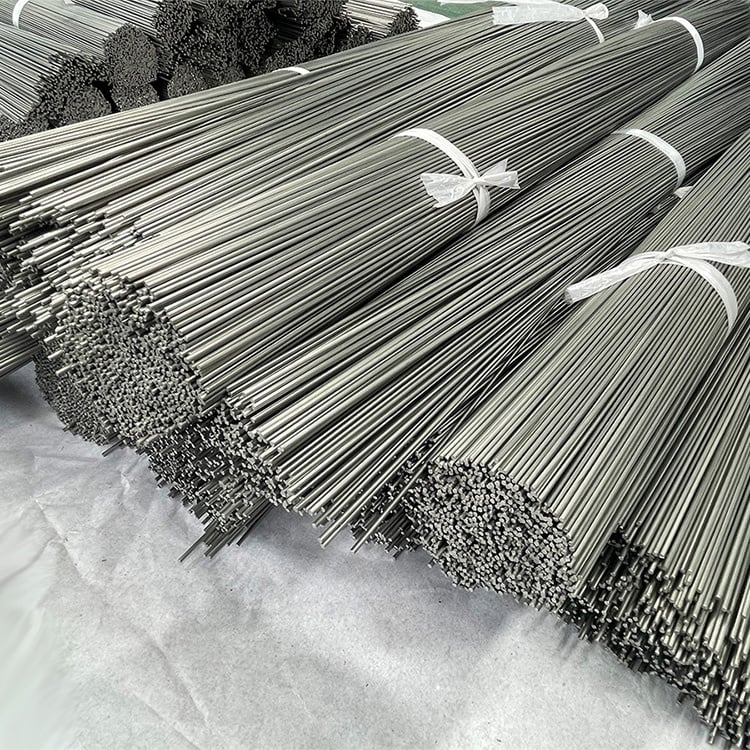
Engineers working in corrosion-prone environments face constant challenges when selecting materials that can withstand aggressive chemical conditions while maintaining structural integrity. Among the various material options available, titanium straight wire has emerged as the preferred choice for critical applications where conventional materials fail. This exceptional material offers unparalleled corrosion resistance, superior mechanical properties, and long-term reliability that makes it indispensable in industries such as chemical processing, marine engineering, and aerospace manufacturing.
Exceptional Corrosion Resistance Properties
Passive Oxide Layer Formation
The remarkable corrosion resistance of titanium straight wire stems from its ability to form a stable passive oxide layer when exposed to oxygen. This protective titanium dioxide film naturally develops on the surface, creating an impermeable barrier that prevents further oxidation and chemical attack. Unlike other metals that may develop porous or unstable oxide layers, titanium's passive film remains intact even under extreme environmental conditions. This self-healing characteristic ensures that if the surface is scratched or damaged, the oxide layer quickly reforms, maintaining continuous protection against corrosive elements.
The passive layer formed on titanium straight wire demonstrates exceptional stability across a wide pH range, from highly acidic to strongly alkaline conditions. This versatility makes it suitable for applications where the chemical environment may fluctuate or where exposure to multiple corrosive agents is expected. Engineers particularly value this property when designing systems for chemical processing plants, where equipment must withstand exposure to various acids, bases, and aggressive chemicals throughout operational cycles.
Resistance to Specific Corrosive Media
Titanium straight wire exhibits outstanding resistance to chloride-induced corrosion, a common failure mechanism that affects many conventional materials in marine and industrial environments. The material's immunity to chloride stress corrosion cracking makes it invaluable for offshore structures, desalination plants, and chemical processing equipment handling chlorinated compounds. This resistance extends to other halides, including fluorides and bromides, which are known to cause rapid degradation in stainless steels and other alloys.
In acidic environments, titanium straight wire demonstrates superior performance compared to traditional materials. It resists attack from nitric acid, organic acids, and dilute sulfuric acid solutions that would quickly compromise carbon steel or aluminum components. This chemical inertness allows engineers to design more compact and efficient systems without the need for protective coatings or frequent material replacements, ultimately reducing maintenance costs and improving system reliability.
Superior Mechanical Performance Characteristics
High Strength-to-Weight Ratio
The exceptional strength-to-weight ratio of titanium straight wire provides engineers with unprecedented design flexibility when weight reduction is critical. This property is particularly valuable in aerospace applications, where every gram saved translates to improved fuel efficiency and payload capacity. The material's specific strength surpasses that of steel while maintaining comparable mechanical properties, allowing for the creation of lighter yet stronger structural components and fastening systems.
Engineers leverage this advantage in applications ranging from aircraft components to portable industrial equipment. The reduced weight of titanium straight wire assemblies facilitates easier installation and maintenance procedures, while the maintained strength ensures structural integrity under demanding operational conditions. This combination of properties enables the development of more efficient designs that meet strict weight requirements without compromising performance or safety standards.
Fatigue Resistance and Durability
The outstanding fatigue resistance of titanium straight wire makes it ideal for applications subjected to cyclic loading and dynamic stresses. Unlike materials that may develop fatigue cracks over time, titanium maintains its structural integrity through millions of loading cycles, ensuring long-term reliability in critical applications. This characteristic is particularly important in marine environments where wave action and vibration create continuous stress variations that can quickly fatigue conventional materials.
Engineers designing equipment for extended service life rely on the durability characteristics of titanium straight wire to minimize maintenance requirements and reduce lifecycle costs. The material's ability to maintain its properties over extended periods, even under harsh environmental conditions, makes it a cost-effective solution despite higher initial investment. This long-term perspective is crucial when calculating total cost of ownership for critical infrastructure and industrial equipment.
Temperature Stability and Performance
High-Temperature Applications
Titanium straight wire maintains excellent mechanical properties and corrosion resistance at elevated temperatures, making it suitable for high-temperature industrial processes and aerospace applications. The material retains its strength characteristics well above the operational limits of aluminum and many steel alloys, allowing engineers to design systems that operate efficiently in extreme thermal environments. This temperature stability is particularly valuable in chemical reactors, heat exchangers, and gas turbine components where conventional materials would require frequent replacement or protective measures.
The thermal expansion coefficient of titanium straight wire closely matches that of other titanium components, reducing thermal stress concentrations in complex assemblies. This compatibility eliminates the need for expansion joints or flexible connections that might compromise system integrity or introduce potential failure points. Engineers can design more reliable thermal systems with fewer components, simplifying maintenance procedures and improving overall system efficiency.
Cryogenic Environment Performance
In cryogenic applications, titanium straight wire demonstrates exceptional performance characteristics that surpass those of many conventional materials. The material does not become brittle at extremely low temperatures, maintaining its ductility and toughness even when exposed to liquid nitrogen or helium temperatures. This property makes it invaluable for aerospace applications, liquefied gas storage systems, and scientific equipment operating at cryogenic conditions.
Engineers working on cryogenic systems appreciate the consistent performance of titanium straight wire across extreme temperature ranges. The material's ability to maintain structural integrity during thermal cycling between ambient and cryogenic temperatures eliminates concerns about thermal shock failures that commonly affect other materials. This reliability is crucial for applications where system failure could result in significant safety hazards or economic losses.
Biocompatibility and Medical Applications
Medical Device Integration
The biocompatibility of titanium straight wire makes it an ideal choice for medical device applications where long-term implantation is required. The material's non-toxic nature and resistance to biological corrosion ensure that it can remain in the human body without causing adverse reactions or degradation over time. Medical engineers rely on these properties when designing orthopedic implants, dental fixtures, and surgical instruments that must maintain their integrity in the corrosive biological environment.
The osseointegration properties of titanium straight wire allow it to bond directly with bone tissue, making it particularly valuable for orthopedic and dental applications. This biological compatibility, combined with the material's mechanical strength, enables the development of implants that can bear significant loads while maintaining long-term stability. Engineers designing medical devices appreciate the extensive biomedical testing data available for titanium, which facilitates regulatory approval processes and ensures patient safety.
Sterilization Resistance
Titanium straight wire maintains its properties through repeated sterilization cycles, including autoclave treatment, gamma radiation, and chemical sterilization processes. This durability is essential for reusable medical instruments and implantable devices that must undergo rigorous sterilization procedures without degradation. Medical device engineers can specify titanium straight wire components with confidence, knowing that the material will maintain its performance characteristics throughout the product lifecycle.
The resistance to sterilization-induced degradation extends the service life of medical devices and reduces replacement costs for healthcare facilities. Engineers designing surgical instruments and diagnostic equipment benefit from the consistent performance of titanium straight wire components, even after thousands of sterilization cycles. This reliability is crucial for maintaining the precision and safety requirements of medical applications.
Industrial Manufacturing and Processing
Forming and Fabrication Characteristics
Despite its reputation for being difficult to machine, titanium straight wire can be effectively formed and fabricated using appropriate techniques and tooling. Engineers have developed specialized processes for welding, bending, and shaping titanium straight wire that maintain the material's integrity while achieving precise dimensional requirements. These fabrication capabilities enable the creation of complex geometries and custom configurations that meet specific application requirements.
The work hardening characteristics of titanium straight wire can be controlled through proper heat treatment and forming procedures, allowing engineers to optimize mechanical properties for specific applications. Cold working processes can increase strength and hardness, while annealing treatments can restore ductility and formability. This versatility in processing enables manufacturers to tailor the properties of titanium straight wire components to match exact performance specifications.
Quality Control and Standards
Manufacturing processes for titanium straight wire are governed by stringent quality control standards that ensure consistent material properties and performance. Engineers can rely on certified material specifications that provide detailed information about chemical composition, mechanical properties, and dimensional tolerances. These standards enable predictable design calculations and ensure that components will perform as expected in service.
Traceability requirements for titanium straight wire production provide engineers with complete documentation of material history, from raw material sourcing through final product delivery. This documentation is particularly important for aerospace and medical applications where regulatory compliance and quality assurance are critical. The availability of certified material test reports enables engineers to validate design assumptions and ensure regulatory compliance.
Economic Considerations and Lifecycle Value
Initial Investment Versus Long-term Savings
While titanium straight wire requires a higher initial investment compared to conventional materials, the long-term economic benefits often justify the additional cost. Engineers conducting lifecycle cost analyses find that the extended service life, reduced maintenance requirements, and elimination of replacement needs result in significant savings over the operational life of equipment. This economic advantage is particularly pronounced in applications where downtime costs are high or where access for maintenance is difficult.
The corrosion resistance of titanium straight wire eliminates the need for protective coatings, cathodic protection systems, or frequent inspections that are required with conventional materials. These cost savings, combined with reduced insurance premiums and improved system reliability, contribute to the overall economic attractiveness of titanium solutions. Engineers can present compelling business cases for titanium straight wire applications by quantifying these long-term benefits.
Availability and Supply Chain Considerations
The global supply chain for titanium straight wire has matured significantly, providing engineers with reliable access to high-quality materials from multiple suppliers. Established manufacturing capabilities and inventory management systems ensure consistent availability for both routine applications and emergency requirements. This supply chain stability enables engineers to specify titanium straight wire with confidence in delivery schedules and quality consistency.
Strategic partnerships between titanium producers and end users have resulted in improved supply chain efficiency and cost optimization. Engineers benefit from these relationships through access to technical support, custom material development, and inventory management programs that reduce procurement costs and simplify material sourcing processes. These collaborative approaches enable more effective integration of titanium straight wire into complex manufacturing operations.
FAQ
What makes titanium straight wire more corrosion-resistant than stainless steel
Titanium straight wire forms a more stable and impermeable passive oxide layer compared to stainless steel, providing superior protection against chloride-induced corrosion and stress cracking. While stainless steel relies on chromium content for corrosion resistance, titanium's naturally occurring oxide film is more chemically inert and self-healing, making it virtually immune to most corrosive environments that would attack stainless steel components.
Can titanium straight wire be welded to other titanium components
Yes, titanium straight wire can be successfully welded to other titanium components using appropriate welding techniques such as TIG welding in an inert atmosphere. The key to successful welding is maintaining cleanliness and preventing contamination from oxygen, nitrogen, or hydrogen during the welding process. Proper welding procedures result in joints that maintain the corrosion resistance and mechanical properties of the base material.
How does temperature affect the performance of titanium straight wire
Titanium straight wire maintains excellent mechanical properties and corrosion resistance across a wide temperature range, from cryogenic conditions to elevated temperatures exceeding 300°C. At high temperatures, the material may experience some reduction in strength, but it retains superior performance compared to aluminum and many steel alloys. At cryogenic temperatures, titanium actually becomes stronger while maintaining ductility, unlike many materials that become brittle.
What are the typical applications where engineers specify titanium straight wire
Engineers commonly specify titanium straight wire for marine applications, chemical processing equipment, aerospace components, medical devices, and any application requiring exceptional corrosion resistance combined with high strength. Specific examples include offshore platform components, heat exchanger assemblies, aircraft fasteners, surgical instruments, and industrial equipment operating in aggressive chemical environments where conventional materials would fail prematurely.