 EN
EN

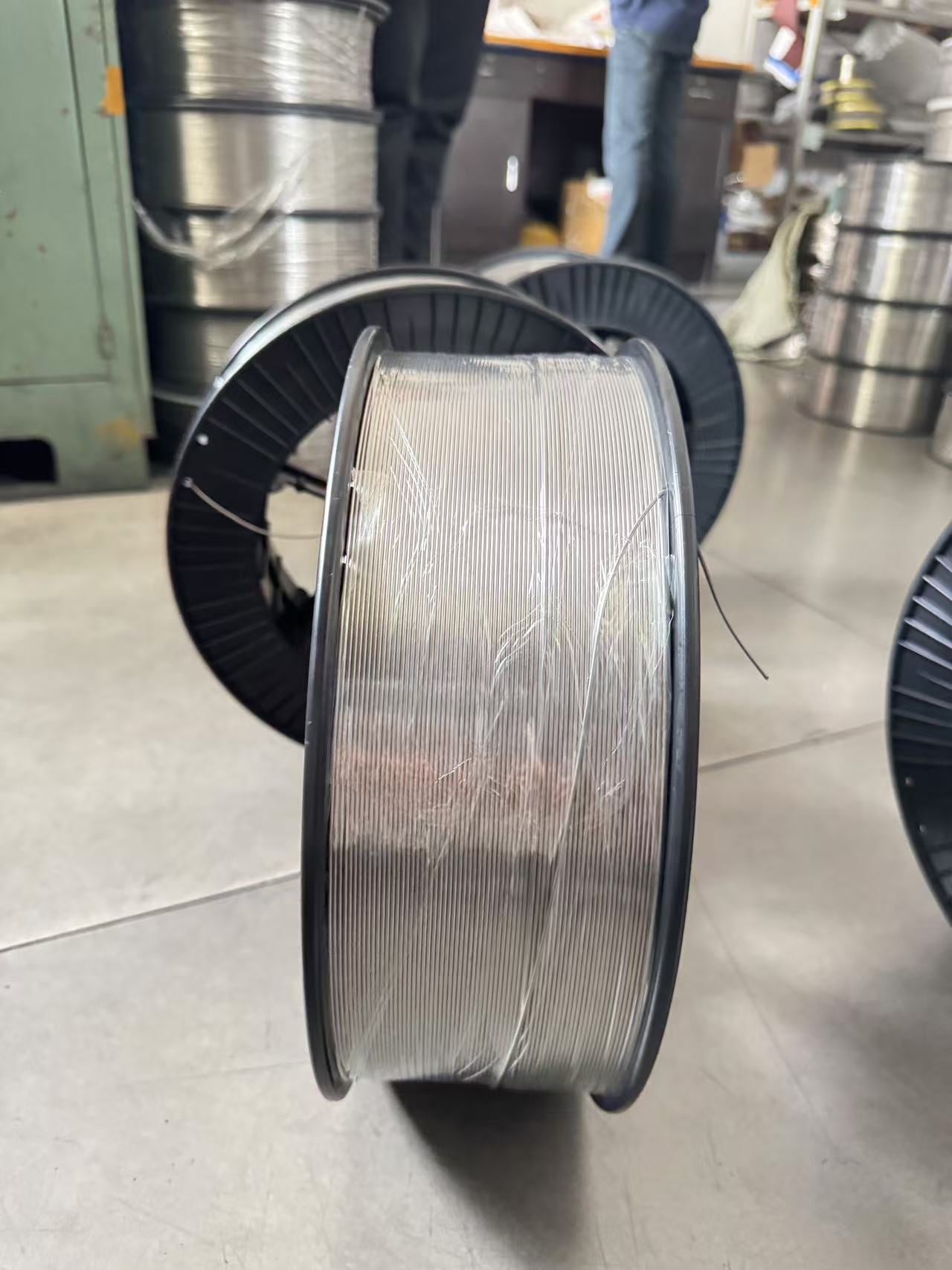
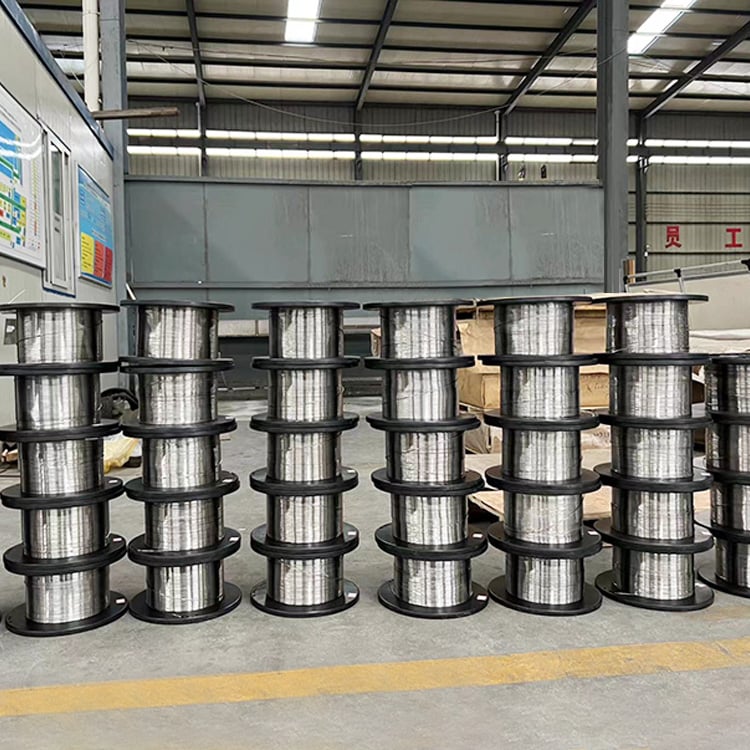
Modern industrial applications demand welding materials that can withstand extreme conditions while maintaining exceptional performance characteristics. The choice between different welding wire materials significantly impacts project outcomes, durability, and long-term costs. Among the various options available, titanium welding wire has emerged as a superior alternative to traditional steel wire in many specialized applications, offering unique properties that make it indispensable for high-performance welding projects.
Superior Corrosion Resistance Properties
Chemical Inertness and Oxidation Resistance
The most significant advantage of titanium welding wire lies in its exceptional corrosion resistance capabilities. Unlike steel wire, which readily oxidizes when exposed to moisture and various chemicals, titanium forms a protective oxide layer that prevents further corrosion. This natural passivation process creates a barrier that remains stable even under harsh environmental conditions, making titanium welding wire ideal for marine applications, chemical processing plants, and offshore structures.
The chemical inertness of titanium welding wire extends beyond simple oxidation resistance. This material demonstrates remarkable stability when exposed to acids, alkalis, and salt solutions that would rapidly degrade steel welding materials. Industries working with corrosive substances benefit tremendously from the long-term reliability that titanium welding wire provides, reducing maintenance costs and extending equipment lifecycles significantly.
Performance in Extreme Environments
Environmental extremes pose significant challenges for traditional welding materials, but titanium welding wire maintains its integrity across a wide range of conditions. From arctic temperatures to tropical humidity, this advanced material continues to perform reliably where steel wire would fail or require frequent replacement. The consistent performance characteristics make it particularly valuable for infrastructure projects in challenging climates.
Seawater applications represent one of the most demanding environments for welding materials. Steel wire typically suffers from rapid degradation in marine environments, but titanium welding wire demonstrates exceptional resistance to chloride-induced corrosion. This superior performance translates to reduced downtime, lower replacement costs, and improved safety margins for critical marine structures and equipment.
Exceptional Strength-to-Weight Ratio
Mechanical Properties and Structural Benefits
The strength-to-weight ratio of titanium welding wire surpasses that of steel wire by significant margins, offering structural advantages that extend far beyond simple weight reduction. This superior ratio enables engineers to design lighter structures without compromising strength requirements, leading to material savings and improved overall system efficiency. The reduced weight particularly benefits aerospace applications where every gram matters for performance optimization.
Weight reduction achieved through titanium welding wire usage translates directly into operational advantages across multiple industries. Transportation equipment experiences improved fuel efficiency, while portable equipment becomes more manageable for field operations. The strength characteristics remain uncompromised despite the weight reduction, ensuring that structural integrity meets or exceeds design specifications.
Fatigue Resistance and Longevity
Fatigue resistance represents another critical advantage where titanium welding wire outperforms steel alternatives. The material's ability to withstand repeated stress cycles without failure makes it invaluable for applications involving dynamic loading conditions. This characteristic proves particularly beneficial in vibrating equipment, rotating machinery, and structures subject to wind or seismic forces.
Long-term durability studies consistently demonstrate that titanium welding wire maintains its mechanical properties over extended service periods. While steel wire may experience gradual degradation due to fatigue or environmental factors, titanium welding wire retains its original strength characteristics, providing predictable performance throughout its service life. This reliability factor significantly reduces the need for preventive maintenance and unexpected repairs.
High-Temperature Performance Advantages
Thermal Stability and Heat Resistance
Temperature extremes challenge most welding materials, but titanium welding wire demonstrates exceptional thermal stability across a broad temperature range. The material maintains its structural integrity at temperatures where steel wire would begin to lose strength or undergo undesirable metallurgical changes. This thermal performance makes it essential for high-temperature applications including power generation, petrochemical processing, and aerospace systems.
Heat-affected zones created during welding operations show superior characteristics when titanium welding wire is employed. The material's thermal properties minimize distortion and maintain consistent mechanical properties throughout the welded joint. This stability reduces post-weld heat treatment requirements and improves overall joint quality, leading to more reliable connections and reduced processing time.
Thermal Expansion Characteristics
The controlled thermal expansion properties of titanium welding wire provide significant advantages in applications experiencing temperature variations. Unlike steel wire, which may create stress concentrations due to differential expansion rates, titanium welding wire exhibits more predictable thermal behavior. This characteristic proves crucial for applications involving thermal cycling or components operating across wide temperature ranges.
Design engineers appreciate the thermal stability that titanium welding wire brings to complex assemblies. The material's consistent expansion characteristics allow for more precise calculations and reduced safety factors, leading to more efficient designs. This predictability becomes particularly important in precision applications where dimensional stability directly impacts performance or functionality.
Biocompatibility and Medical Applications
Medical Device Manufacturing
The biocompatibility of titanium welding wire opens opportunities in medical device manufacturing that steel wire simply cannot match. Medical implants, surgical instruments, and diagnostic equipment require materials that integrate safely with biological systems. Titanium welding wire meets these stringent requirements while providing the mechanical properties necessary for reliable medical device operation.
Regulatory compliance in medical applications demands materials with proven biocompatibility records. Titanium welding wire has established extensive clinical history and regulatory approval for medical applications, streamlining the approval process for new medical devices. This established track record reduces development time and regulatory risk for manufacturers entering medical markets.
Food and Pharmaceutical Industries
Food processing and pharmaceutical manufacturing require welding materials that maintain purity and prevent contamination. Titanium welding wire meets FDA requirements for food contact applications and provides the chemical inertness necessary for pharmaceutical equipment. The non-reactive nature ensures that product quality remains uncompromised throughout processing operations.
Cleaning and sterilization procedures in these industries often involve aggressive chemicals and high temperatures that would compromise steel wire performance. Titanium welding wire withstands these harsh cleaning protocols without degradation, maintaining surface smoothness and preventing bacterial growth. This durability translates to improved hygiene standards and reduced maintenance requirements for critical processing equipment.
Cost-Effectiveness Over Product Lifecycle
Initial Investment versus Long-Term Savings
While titanium welding wire requires higher initial investment compared to steel wire, the total cost of ownership often favors titanium over extended service periods. The superior durability and reduced maintenance requirements of titanium welding wire create significant cost savings that accumulate over time. Industries with high replacement costs or difficult access for maintenance particularly benefit from this long-term economic advantage.
Lifecycle cost analysis reveals that titanium welding wire delivers superior value in applications requiring long service life or exposure to challenging conditions. The extended replacement intervals reduce downtime, labor costs, and material expenses associated with frequent maintenance. These savings often offset the higher initial material costs within the first few years of operation, providing ongoing economic benefits thereafter.
Reduced Maintenance Requirements
Maintenance schedules for equipment utilizing titanium welding wire show significant reductions compared to steel wire applications. The corrosion resistance and mechanical stability of titanium welding wire minimize the need for routine inspections and preventive maintenance procedures. This reduced maintenance burden translates to lower operational costs and improved equipment availability.
Unexpected failures and emergency repairs become less frequent when titanium welding wire is employed in critical applications. The material's reliability reduces the risk of catastrophic failures that could result in costly downtime or safety incidents. This improved reliability provides peace of mind for operators and contributes to overall operational efficiency improvements.
Processing and Welding Characteristics
Weld Quality and Joint Integrity
The welding characteristics of titanium welding wire produce superior joint quality compared to steel wire in many applications. The material's low thermal conductivity allows for better control of the welding process, resulting in more consistent penetration and reduced distortion. These processing advantages translate to improved joint strength and reliability in finished assemblies.
Contamination sensitivity during welding requires proper shielding gas protection, but when correctly applied, titanium welding wire produces exceptionally clean welds with minimal porosity or inclusions. The resulting joints exhibit excellent mechanical properties and corrosion resistance, making them suitable for the most demanding applications. This quality consistency reduces rework and improves overall manufacturing efficiency.
Compatibility with Advanced Welding Techniques
Modern welding techniques such as automated welding systems and robotic applications benefit from the consistent performance characteristics of titanium welding wire. The material's predictable behavior allows for precise process control and repeatability, essential factors for high-volume manufacturing operations. This compatibility with advanced manufacturing techniques positions titanium welding wire as a forward-looking material choice.
Specialized welding processes including electron beam welding and laser welding show excellent compatibility with titanium welding wire. These advanced techniques unlock additional capabilities for precision manufacturing and complex geometry welding that would be difficult or impossible with traditional steel wire. The expanded processing options provide manufacturers with greater design flexibility and manufacturing capabilities.
FAQ
What makes titanium welding wire more expensive than steel wire initially
The higher initial cost of titanium welding wire stems from the complex extraction and processing required to produce titanium metal. The raw material costs for titanium significantly exceed those of steel due to the energy-intensive reduction process and specialized equipment required. However, the superior performance characteristics and extended service life often justify this initial investment through reduced lifecycle costs and improved reliability.
Can titanium welding wire be used with standard welding equipment
Standard welding equipment can accommodate titanium welding wire with some modifications to ensure proper shielding gas coverage and contamination control. The primary requirement involves using high-purity inert shielding gases and maintaining clean welding conditions to prevent contamination. Most professional welding systems can be adapted for titanium welding wire use with appropriate training and procedure adjustments.
How does the strength of titanium welding wire compare to high-strength steel wire
While high-strength steel wire may achieve comparable tensile strength values, titanium welding wire provides superior strength-to-weight ratios and maintains its mechanical properties under more challenging environmental conditions. The corrosion resistance and temperature stability of titanium welding wire often make it the preferred choice even when absolute strength values are similar, as the titanium maintains its properties throughout extended service periods.
What industries benefit most from switching to titanium welding wire
Industries operating in corrosive environments, high-temperature applications, or requiring biocompatible materials benefit most from titanium welding wire adoption. Aerospace, marine, chemical processing, medical device manufacturing, and offshore energy sectors represent primary beneficiaries. These industries experience significant improvements in reliability, reduced maintenance costs, and extended equipment lifecycles when implementing titanium welding wire solutions.