 EN
EN

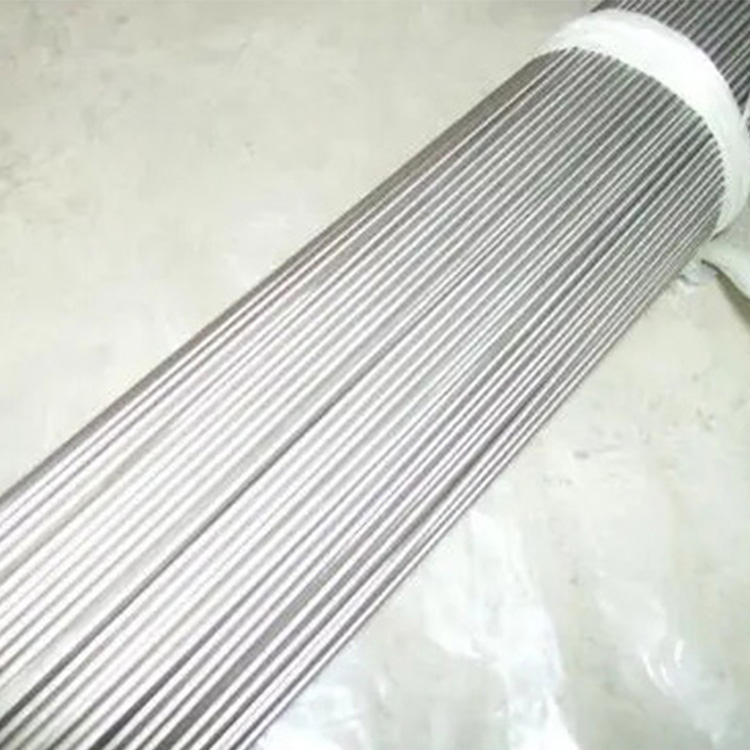
In modern industrial manufacturing, engineers and product developers continuously seek materials that offer superior strength, corrosion resistance, and longevity. Among the various titanium products available, titanium straight wire has emerged as a critical component for applications demanding exceptional durability and performance. This specialized wire form provides unique advantages over conventional materials, making it an essential consideration for industries ranging from aerospace to medical device manufacturing. Understanding the properties and applications of titanium straight wire enables manufacturers to make informed decisions that significantly enhance their product reliability and operational lifespan.
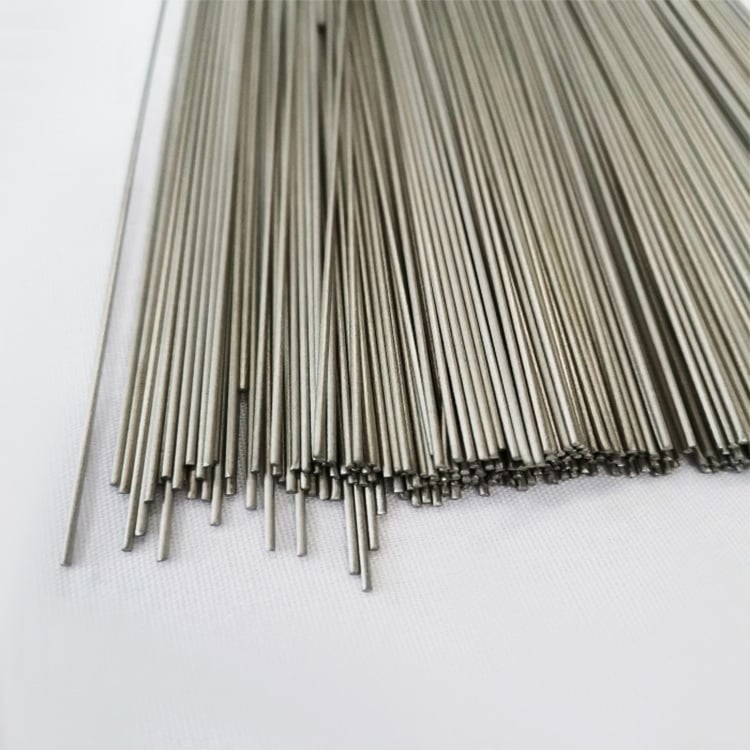
Understanding Titanium Straight Wire Properties
Material Composition and Characteristics
Titanium straight wire exhibits remarkable mechanical properties that distinguish it from other metallic wires in industrial applications. The material maintains an exceptional strength-to-weight ratio, providing structural integrity while remaining lightweight compared to steel or stainless steel alternatives. Pure titanium and titanium alloy variants offer different performance characteristics, with commercially pure grades delivering excellent corrosion resistance and biocompatibility. The crystalline structure of titanium contributes to its inherent durability, as the material naturally forms a protective oxide layer that prevents degradation in various environmental conditions.
The manufacturing process of titanium straight wire involves precise drawing techniques that maintain consistent diameter tolerances and surface finish quality. Cold drawing methods preserve the material's grain structure while achieving the desired mechanical properties. Surface treatments can further enhance the wire's performance characteristics, including improved fatigue resistance and enhanced corrosion protection. These manufacturing considerations directly impact the final product's ability to withstand stress cycles and environmental exposure over extended periods.
Corrosion Resistance Advantages
One of the most significant advantages of titanium straight wire lies in its exceptional resistance to various corrosive environments. The material demonstrates superior performance in acidic, alkaline, and saline conditions that would rapidly degrade conventional wire materials. This corrosion resistance stems from titanium's ability to form a stable, adherent oxide film that self-repairs when damaged. In marine environments, chemical processing facilities, and outdoor applications, titanium straight wire maintains its structural integrity where other materials would require frequent replacement or protective coatings.
The economic implications of this corrosion resistance become apparent when considering lifecycle costs and maintenance requirements. Products incorporating titanium straight wire often experience reduced maintenance intervals and extended service life, resulting in lower total cost of ownership. This durability advantage proves particularly valuable in applications where wire replacement involves significant downtime or safety considerations. Industries such as offshore oil and gas, desalination plants, and chemical processing benefit substantially from the long-term reliability that titanium straight wire provides.
Applications Across Industries
Aerospace and Defense Applications
The aerospace industry has long recognized the value of titanium materials, and titanium straight wire plays a crucial role in various aircraft and spacecraft components. Safety wire applications utilize the material's strength and reliability to secure critical fasteners and components that must remain intact under extreme conditions. The wire's ability to withstand temperature fluctuations, vibration, and mechanical stress makes it ideal for securing engine components, control systems, and structural elements. Weight considerations in aerospace design make the high strength-to-weight ratio of titanium straight wire particularly attractive for these applications.
Defense applications leverage the material's durability for specialized equipment and systems operating in harsh environments. Military vehicles, naval vessels, and electronic systems benefit from the wire's resistance to saltwater exposure, temperature extremes, and mechanical abuse. The non-magnetic properties of certain titanium grades also provide advantages in applications where magnetic interference must be minimized. These characteristics contribute to enhanced system reliability and reduced maintenance requirements in critical defense applications.
Medical Device Manufacturing
Medical device manufacturers increasingly specify titanium straight wire for applications requiring biocompatibility and long-term implantation stability. Orthopedic implants, cardiac devices, and surgical instruments utilize the wire's unique combination of strength, corrosion resistance, and tissue compatibility. The material's ability to integrate with human tissue while maintaining mechanical properties over decades makes it invaluable for permanent and semi-permanent medical applications. Regulatory approvals for medical-grade titanium further validate its safety and performance in critical healthcare applications.
The precision manufacturing requirements of medical devices align well with the consistent properties achievable in titanium straight wire production. Tight dimensional tolerances, surface finish specifications, and mechanical property consistency enable medical device manufacturers to produce reliable, high-quality products. The material's resistance to bodily fluids and sterilization processes ensures long-term performance without degradation or adverse reactions. These characteristics contribute significantly to patient safety and device longevity in demanding medical applications.
Manufacturing and Processing Considerations
Quality Control Standards
Manufacturing high-quality titanium straight wire requires adherence to stringent quality control standards throughout the production process. Raw material certification, chemical composition verification, and mechanical testing ensure that each wire meets specified requirements for strength, ductility, and surface quality. Traceability systems track material from initial melting through final drawing operations, providing complete documentation for critical applications. Quality assurance protocols include dimensional inspection, surface examination, and mechanical testing to verify conformance with industry standards and customer specifications.
Advanced manufacturing techniques enable producers to achieve consistent properties and minimize variations that could affect product performance. Computer-controlled drawing operations maintain precise diameter control while monitoring tension and speed parameters that influence final wire characteristics. Heat treatment processes can be tailored to achieve specific mechanical properties required for particular applications. These manufacturing capabilities ensure that titanium straight wire meets the demanding requirements of industries where material failure is not acceptable.
Surface Treatment Options
Various surface treatment options can enhance the performance characteristics of titanium straight wire for specific applications. Pickling and passivation treatments remove surface contaminants and optimize the protective oxide layer formation. These processes improve corrosion resistance and provide a clean, uniform surface finish suitable for critical applications. Electrochemical treatments can modify surface properties to enhance fatigue resistance or improve adhesion characteristics for subsequent coating operations.
Specialized coatings may be applied to titanium straight wire to provide additional functionality or environmental protection. Ceramic coatings can enhance wear resistance, while polymer coatings may provide electrical insulation or chemical barrier properties. The selection of appropriate surface treatments depends on the intended application and operating environment. Proper surface preparation and treatment application ensure optimal adhesion and long-term performance of any applied coatings or surface modifications.
Performance Benefits in Product Design
Enhanced Fatigue Resistance
The exceptional fatigue resistance of titanium straight wire contributes significantly to product durability in applications involving cyclic loading or vibration exposure. The material's ability to withstand repeated stress cycles without crack initiation or propagation extends component life and reduces failure risk. This fatigue resistance proves particularly valuable in dynamic applications such as springs, fastening systems, and vibration-damping components. Engineers can design products with confidence, knowing that titanium straight wire will maintain its integrity under demanding operational conditions.
Fatigue testing data for titanium straight wire demonstrates superior performance compared to many alternative materials under similar loading conditions. The material's microstructure and processing history influence fatigue behavior, with properly manufactured wire exhibiting excellent resistance to crack initiation. Surface quality and dimensional consistency play important roles in fatigue performance, highlighting the importance of proper manufacturing techniques. These characteristics enable designers to specify titanium straight wire for applications where fatigue failure could result in catastrophic consequences or significant economic losses.
Temperature Stability
Titanium straight wire maintains its mechanical properties across a wide temperature range, making it suitable for applications experiencing thermal cycling or extreme temperature exposure. The material's low coefficient of thermal expansion minimizes dimensional changes during temperature fluctuations, reducing stress concentrations and potential failure points. High-temperature applications benefit from titanium's retained strength and oxidation resistance at elevated temperatures. Low-temperature applications leverage the material's excellent toughness and ductility retention in cryogenic environments.
Thermal cycling tests demonstrate that titanium straight wire experiences minimal property degradation after repeated exposure to temperature extremes. This stability enables the material to function reliably in applications such as exhaust systems, heat exchangers, and cryogenic equipment. The combination of temperature stability and corrosion resistance makes titanium straight wire particularly valuable in applications where both thermal and chemical exposure occur simultaneously. These properties contribute to extended service life and reduced maintenance requirements in challenging operating environments.
Economic Considerations and ROI
Initial Investment Analysis
While titanium straight wire typically requires a higher initial investment compared to conventional materials, the long-term economic benefits often justify the additional cost. The material's durability and corrosion resistance translate to reduced replacement frequency, lower maintenance costs, and decreased downtime. Lifecycle cost analysis frequently demonstrates favorable economics for titanium straight wire in applications where material failure results in significant operational disruption or safety concerns. The economic evaluation should consider not only material costs but also installation, maintenance, and replacement expenses over the product's intended service life.
Manufacturing efficiency gains can offset some of the material cost premium associated with titanium straight wire. The material's consistent properties and processing characteristics enable predictable manufacturing outcomes and reduced scrap rates. Quality improvements resulting from titanium's superior properties can enhance product reputation and market competitiveness. These factors contribute to the overall economic value proposition of specifying titanium straight wire for demanding applications.
Long-term Value Proposition
The long-term value proposition of titanium straight wire becomes increasingly apparent as products age and face ongoing operational stresses. Reduced warranty claims, lower field service requirements, and extended product life cycles contribute to improved profitability and customer satisfaction. The material's reliability reduces the risk of unexpected failures that could result in significant liability or reputation damage. These benefits often exceed the initial material cost premium, particularly in applications where failure consequences are severe.
Market differentiation opportunities arise from incorporating titanium straight wire into product designs, enabling manufacturers to position their products as premium, high-reliability offerings. The material's association with aerospace and medical applications enhances perceived quality and performance. This market positioning can justify premium pricing and improve profit margins while delivering genuine performance advantages to end users. The combination of technical benefits and market perception makes titanium straight wire an attractive material choice for manufacturers seeking competitive advantage.
FAQ
What makes titanium straight wire more durable than steel wire
Titanium straight wire offers superior durability compared to steel wire primarily due to its exceptional corrosion resistance and strength-to-weight ratio. Unlike steel, titanium forms a protective oxide layer that prevents degradation in harsh environments, eliminating the need for protective coatings. The material maintains its mechanical properties over extended periods without experiencing the fatigue degradation common in steel applications. Additionally, titanium straight wire demonstrates better performance in temperature cycling and chemical exposure conditions that would cause steel wire to fail prematurely.
How does titanium straight wire perform in marine environments
Marine environments present some of the most challenging conditions for metallic materials, but titanium straight wire excels in these applications. The material's natural resistance to saltwater corrosion eliminates the pitting and crevice corrosion that typically affects stainless steel and other alloys in marine settings. Titanium straight wire maintains its structural integrity and mechanical properties even after prolonged exposure to seawater, making it ideal for offshore platforms, marine vessels, and underwater equipment. The material's performance in marine environments often justifies its higher initial cost through reduced maintenance and extended service life.
Can titanium straight wire be welded or joined to other materials
Titanium straight wire can be successfully welded using appropriate techniques and equipment designed for reactive metals. Tungsten inert gas welding and electron beam welding provide excellent results when proper shielding and cleanliness procedures are followed. The wire can also be joined using mechanical fastening methods, brazing, or specialized adhesive systems. However, joining titanium to dissimilar metals requires careful consideration of galvanic corrosion potential and thermal expansion differences. Proper joint design and material selection ensure reliable connections that maintain the durability advantages of titanium straight wire.
What quality certifications should I look for when purchasing titanium straight wire
Quality certifications for titanium straight wire should include material test certificates documenting chemical composition, mechanical properties, and dimensional compliance with specified standards. Look for manufacturers certified to relevant quality systems such as AS9100 for aerospace applications or ISO 13485 for medical devices. ASTM and AMS specifications provide standardized requirements for titanium materials, ensuring consistent quality and performance. Traceability documentation should track the material from initial melting through final processing, providing complete material history and verification of compliance with applicable standards and customer requirements.