 EN
EN


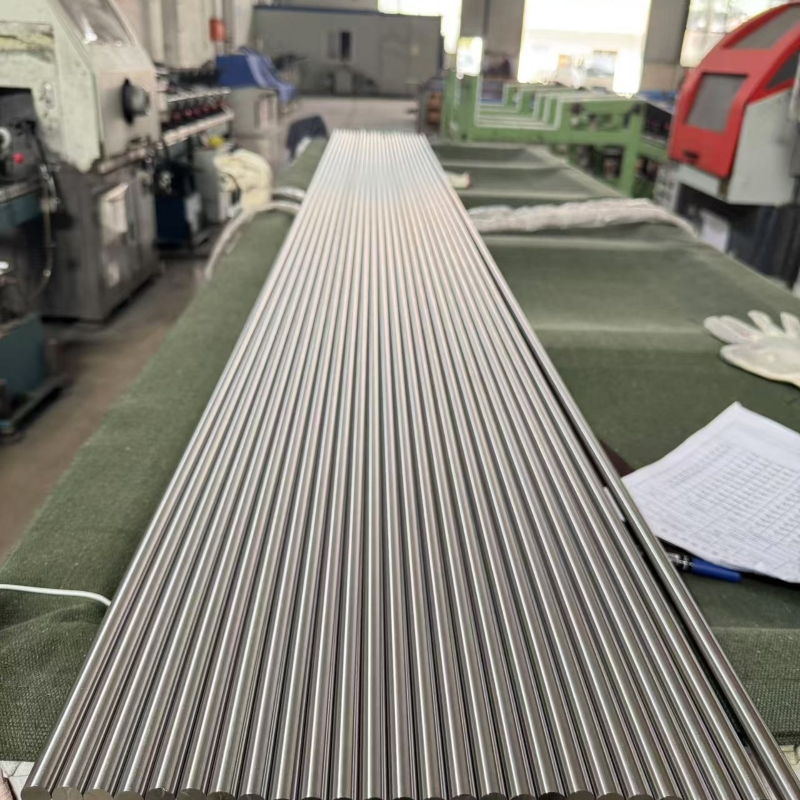
Titanium bars represent one of the most versatile and high-performance materials available in modern manufacturing and engineering applications. Known for their exceptional strength-to-weight ratio, corrosion resistance, and biocompatibility, these specialized metal bars have become indispensable across numerous industries where conventional materials simply cannot meet demanding performance requirements. The unique properties of titanium make it an ideal choice for applications ranging from aerospace components to medical implants, where reliability and durability are paramount.
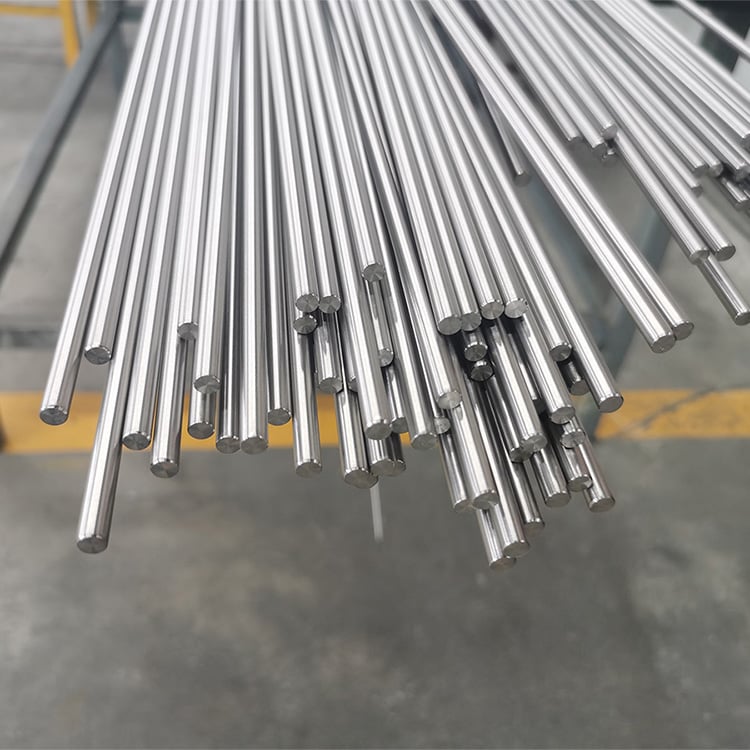
Aerospace and Defense Applications
Aircraft Structural Components
The aerospace industry relies heavily on titanium bars for manufacturing critical aircraft structural components. These materials provide the perfect balance of strength and weight reduction that is essential for modern aircraft design. Titanium bars are commonly used to create landing gear components, engine mounts, and wing structural elements where high stress loads must be managed without adding excessive weight to the aircraft.
Commercial and military aircraft manufacturers prefer titanium bars because they maintain their structural integrity under extreme temperature variations and high-stress conditions. The material's ability to withstand fatigue cycles makes it particularly valuable for components that experience repeated loading and unloading during flight operations.
Rocket and Spacecraft Manufacturing
Space exploration and satellite technology depend on the exceptional properties of titanium bars for creating lightweight yet incredibly strong components. These bars are machined into thruster components, structural frames, and heat shields that must perform flawlessly in the harsh environment of space. The corrosion resistance of titanium ensures that spacecraft components remain functional throughout extended missions.
Rocket engine manufacturers utilize titanium bars to create combustion chamber components and fuel system parts that can withstand extreme temperatures and corrosive propellants. The material's reliability under these demanding conditions makes it an essential component in modern space technology.
Medical Device and Biomedical Engineering
Orthopedic Implants and Prosthetics
The biomedical field has embraced titanium bars as the gold standard for manufacturing orthopedic implants and prosthetic devices. Surgeons and medical device manufacturers rely on the biocompatibility of titanium, which means the human body readily accepts these materials without adverse reactions. Hip replacements, knee joints, and spinal fusion rods are commonly manufactured from carefully machined titanium bars.
The osseointegration properties of titanium allow bone tissue to grow directly onto the implant surface, creating a strong biological bond that enhances the longevity and stability of medical implants. This unique characteristic makes titanium bars the preferred material for permanent implants that must function for decades within the human body.
Surgical Instruments and Tools
Precision surgical instruments manufactured from titanium bars offer surgeons tools that are both lightweight and incredibly durable. These instruments maintain their sharpness longer than traditional steel alternatives and can withstand repeated sterilization cycles without degradation. Titanium surgical tools are particularly valuable in microsurgery applications where precision and reliability are critical.
Dental implants and orthodontic devices also benefit from the unique properties of titanium bars. The material's biocompatibility ensures that dental implants integrate successfully with jawbone tissue, while its corrosion resistance prevents degradation in the mouth's challenging chemical environment.
Marine and Offshore Industries
Submarine and Naval Applications
Naval shipbuilding and submarine construction industries have discovered that titanium bars provide exceptional performance in saltwater environments where traditional metals quickly succumb to corrosion. Submarine hulls, propeller shafts, and critical mechanical components benefit from the superior corrosion resistance that titanium offers in marine applications.
The strength characteristics of titanium bars enable the construction of submarine components that can withstand the immense pressure of deep-sea operations while maintaining structural integrity. This combination of corrosion resistance and strength makes titanium an invaluable material for military and research submarines operating in challenging underwater environments.
Offshore Oil and Gas Equipment
Offshore drilling platforms and subsea equipment manufacturers utilize titanium bars to create components that must survive in highly corrosive saltwater environments while handling extreme pressures and temperatures. Drilling equipment, wellhead components, and pipeline fittings manufactured from titanium bars demonstrate superior longevity compared to traditional materials.
The oil and gas industry values titanium bars for their ability to maintain performance in sour gas environments containing hydrogen sulfide, which rapidly degrades most other metals. This resistance to chemical corrosion translates into reduced maintenance costs and improved safety for offshore operations.
Automotive and Racing Applications
High-Performance Engine Components
Motorsports and high-performance automotive applications have embraced titanium bars for manufacturing critical engine components that must withstand extreme operating conditions. Connecting rods, valves, and turbocharger components made from titanium bar materials offer significant weight savings while maintaining the strength necessary for high-RPM operation.
The reduced reciprocating mass achieved through titanium components allows engines to rev higher and respond more quickly to throttle inputs. This performance advantage has made titanium bars essential materials in Formula 1 racing, motorcycle racing, and premium automotive applications where every gram of weight reduction contributes to improved performance.
Exhaust Systems and Heat Management
Titanium bars are increasingly used to manufacture exhaust systems and heat management components in high-performance vehicles. The material's excellent thermal properties and corrosion resistance make it ideal for exhaust manifolds, turbocharger housings, and heat shields that must operate at extreme temperatures while resisting corrosion from exhaust gases.
Luxury and sports car manufacturers utilize titanium bars to create exhaust systems that not only perform exceptionally but also produce distinctive acoustic characteristics that enhance the driving experience. The weight savings achieved through titanium construction contributes to improved vehicle handling and fuel efficiency.
Chemical Processing and Industrial Equipment
Reactor Vessels and Processing Equipment
Chemical processing industries rely on titanium bars for manufacturing reactor vessels, heat exchangers, and processing equipment that must handle highly corrosive chemicals and extreme operating conditions. The exceptional corrosion resistance of titanium makes it possible to process chemicals that would quickly destroy equipment made from conventional materials.
Pharmaceutical manufacturing facilities utilize titanium bars to create equipment that meets strict purity requirements while resisting contamination from cleaning chemicals and process materials. The inert nature of titanium ensures that it does not react with pharmaceutical compounds, maintaining product integrity throughout the manufacturing process.
Desalination and Water Treatment
Water treatment and desalination facilities have found that titanium bars provide excellent service life in applications involving saltwater and aggressive cleaning chemicals. Heat exchangers, pump components, and piping systems manufactured from titanium bars demonstrate superior resistance to chloride corrosion compared to traditional materials.
The longevity of titanium components in water treatment applications translates to reduced maintenance requirements and lower total cost of ownership despite the higher initial material cost. This economic advantage becomes particularly significant in large-scale desalination plants where equipment reliability directly impacts operational efficiency.
Sports Equipment and Consumer Applications
Professional Sports Equipment
Professional athletes and sports equipment manufacturers have embraced titanium bars for creating high-performance sporting goods that offer competitive advantages. Golf club shafts, bicycle frames, and tennis racket components manufactured from titanium bars provide optimal strength-to-weight ratios that enhance athletic performance.
The vibration damping characteristics of titanium make it particularly valuable for sports equipment where impact absorption is important. Professional cyclists appreciate the ride quality improvements that titanium frames provide, while golfers benefit from the consistent performance characteristics of titanium golf club components.
Luxury Consumer Products
High-end consumer products increasingly incorporate titanium bars in their construction to offer premium quality and distinctive aesthetics. Watch cases, jewelry, and luxury writing instruments made from titanium bars appeal to consumers who value both functional performance and sophisticated design.
The hypoallergenic properties of titanium make it an excellent choice for consumer products that come into direct contact with skin. Premium eyeglass frames manufactured from titanium bars offer superior comfort and durability while maintaining an elegant appearance that appeals to discerning consumers.
FAQ
What makes titanium bars superior to other metal bars in demanding applications
Titanium bars offer a unique combination of properties that make them superior to other metals in demanding applications. Their exceptional strength-to-weight ratio provides structural integrity while minimizing weight, which is crucial in aerospace and automotive applications. Additionally, titanium bars demonstrate outstanding corrosion resistance, biocompatibility, and the ability to maintain their properties across extreme temperature ranges, making them ideal for applications where conventional metals would fail.
How do titanium bars perform in high-temperature environments
Titanium bars maintain their structural integrity and mechanical properties at temperatures up to 600°C, making them excellent choices for high-temperature applications such as jet engines, exhaust systems, and chemical processing equipment. Unlike many other metals that become brittle or lose strength at elevated temperatures, titanium bars retain their toughness and resist thermal expansion, ensuring reliable performance in demanding thermal environments.
Are titanium bars cost-effective despite their higher initial price
While titanium bars have a higher initial cost compared to conventional materials, they often prove cost-effective over the long term due to their exceptional durability and longevity. The superior corrosion resistance and fatigue life of titanium bars result in reduced maintenance requirements, fewer replacement cycles, and improved operational reliability, which can offset the higher material costs in applications where performance and reliability are critical.
What industries are driving the increased demand for titanium bars
The aerospace and defense industries remain the largest consumers of titanium bars, driven by the need for lightweight, high-strength components in aircraft and spacecraft. The medical device industry is also experiencing significant growth in titanium bar usage for implants and surgical instruments. Additionally, the automotive sector's shift toward high-performance and electric vehicles is creating new opportunities for titanium bars in applications where weight reduction and thermal management are essential.