 EN
EN


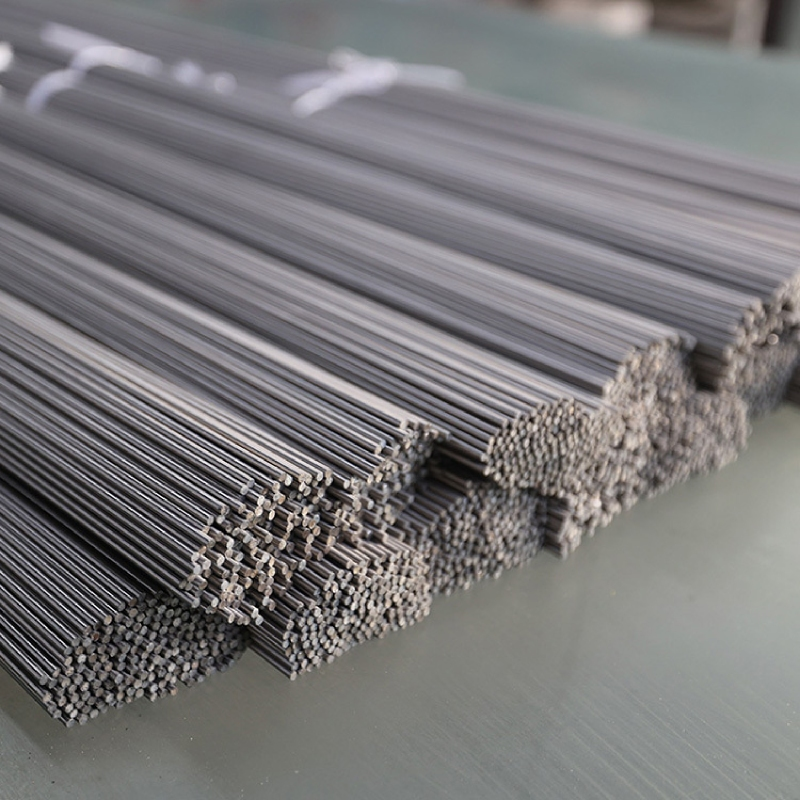
In the world of advanced manufacturing and engineering applications, material selection plays a crucial role in determining project success. Among the various metallic options available, titanium round rod solutions have emerged as the gold standard for industries requiring exceptional performance characteristics. These specialized components offer a unique combination of strength, corrosion resistance, and lightweight properties that make them indispensable across aerospace, medical, marine, and industrial sectors.
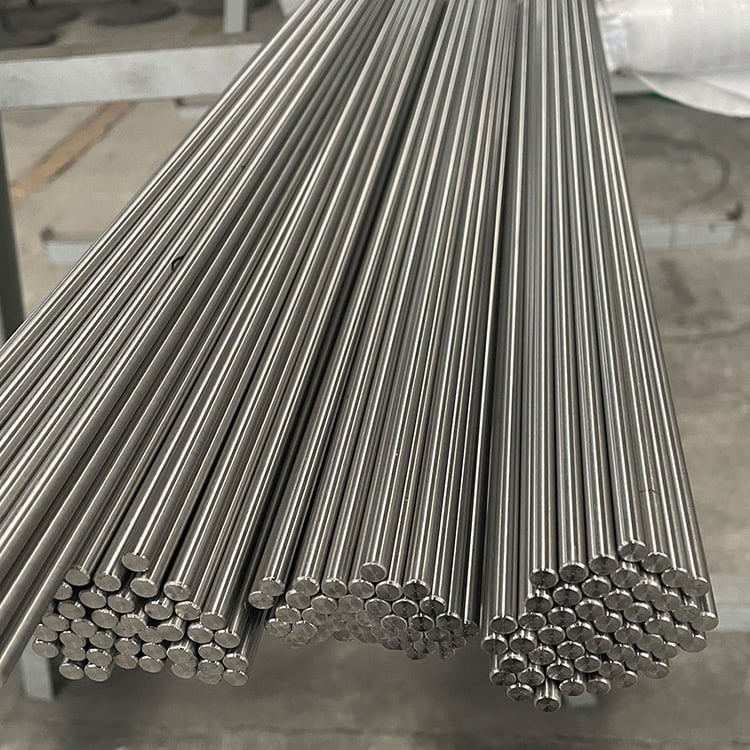
The distinctive properties that set titanium round rods apart from conventional metal alternatives stem from their molecular structure and manufacturing processes. Unlike steel, aluminum, or copper rods, titanium variants deliver superior performance in extreme environments while maintaining dimensional stability. This remarkable combination of characteristics has positioned titanium as the material of choice for critical applications where failure is not an option.
Understanding the fundamental differences between titanium and other metal rods requires examining their composition, manufacturing methods, and real-world performance metrics. The investment in titanium technology often yields substantial long-term benefits despite higher initial costs. Engineers and procurement specialists increasingly recognize that titanium round rod solutions provide unmatched value propositions for demanding applications.
Superior Material Properties and Performance Characteristics
Exceptional Strength-to-Weight Ratio
The most significant advantage of titanium round rods lies in their extraordinary strength-to-weight ratio, which surpasses virtually all other metallic alternatives. While steel rods may offer comparable strength, they carry substantially more weight, making them impractical for aerospace and automotive applications where every gram matters. Titanium delivers approximately 40% less weight than steel while maintaining similar or superior mechanical properties.
This weight reduction becomes particularly critical in rotating machinery applications where reduced inertia translates to improved efficiency and performance. Aircraft manufacturers have documented fuel savings of up to 15% when replacing steel components with equivalent titanium round rod assemblies. The automotive industry similarly benefits from enhanced fuel economy and reduced emissions when incorporating titanium components into high-performance engines and suspension systems.
Manufacturing processes for titanium round rods have evolved to maximize these strength characteristics through controlled grain structures and heat treatment protocols. Advanced forging techniques ensure consistent mechanical properties throughout the rod's cross-section, eliminating weak points that could compromise performance under extreme loading conditions.
Outstanding Corrosion Resistance
Titanium round rods exhibit remarkable resistance to corrosion across a wide range of environmental conditions, significantly outperforming stainless steel, aluminum, and other common materials. This resistance stems from titanium's ability to form a stable oxide layer that continuously regenerates when damaged, providing self-healing protection against chemical attack.
Marine applications particularly benefit from titanium's exceptional resistance to saltwater corrosion, which destroys conventional steel components within months of exposure. Offshore drilling platforms, naval vessels, and underwater equipment rely on titanium round rod assemblies to maintain structural integrity in harsh oceanic environments. The material's resistance to chloride-induced stress corrosion cracking makes it invaluable for chemical processing equipment handling aggressive media.
Chemical processing industries have documented maintenance cost reductions exceeding 60% when transitioning from stainless steel to titanium round rod configurations. The extended service life and reduced replacement frequency offset the higher initial material costs, delivering substantial lifecycle savings for industrial operations.
Advanced Manufacturing and Processing Advantages
Precision Machining Capabilities
Modern titanium round rod manufacturing employs sophisticated processing techniques that enable precise dimensional control and superior surface finishes. Unlike aluminum rods that may suffer from work hardening during machining, or steel rods that require extensive heat treatment, titanium maintains consistent machinability throughout the manufacturing process.
Computer-controlled machining centers can achieve tolerances within 0.0001 inches when working with properly prepared titanium round rod stock. This precision capability makes titanium ideal for aerospace fasteners, medical implants, and precision instrumentation where dimensional accuracy directly impacts performance and safety. The material's thermal stability during machining operations prevents distortion that commonly affects other metals.
Surface treatment options for titanium round rods include anodizing, passivation, and specialized coatings that further enhance performance characteristics. These treatments can improve wear resistance, electrical properties, or aesthetic appearance while maintaining the underlying material's beneficial properties.
Heat Treatment Flexibility
Titanium round rods respond favorably to various heat treatment protocols, allowing manufacturers to customize mechanical properties for specific applications. The material's unique crystal structure enables controlled modification of strength, ductility, and fatigue resistance through precise temperature and cooling rate management.
Solution treating and aging processes can increase tensile strength by up to 40% while maintaining acceptable ductility levels for forming operations. This flexibility allows engineers to optimize material properties for each application, whether prioritizing maximum strength for structural components or enhanced formability for complex geometries.
Stress relieving treatments eliminate residual stresses that might compromise long-term performance, particularly important for precision applications where dimensional stability over time is critical. The ability to precisely control these thermal processes gives titanium round rods distinct advantages over materials with limited heat treatment response.
Industry-Specific Applications and Benefits
Aerospace and Defense Applications
The aerospace industry represents the largest consumer of titanium round rod products, utilizing them in critical structural components, engine parts, and landing gear assemblies. Commercial aircraft manufacturers specify titanium for applications where weight reduction directly improves fuel efficiency and operational economics. Military aircraft benefit from titanium's ability to withstand extreme temperatures and combat-related stresses.
Jet engine applications particularly showcase titanium's superiority over conventional materials, as titanium round rods maintain strength and dimensional stability at temperatures that would severely compromise steel or aluminum alternatives. Turbine blades, compressor components, and structural frames made from titanium deliver extended service life and improved performance under demanding operational conditions.
Space exploration missions rely on titanium round rod assemblies for structural frameworks that must endure launch stresses, temperature extremes, and radiation exposure. The material's low thermal expansion coefficient prevents dimensional changes that could compromise sensitive instrumentation or mechanical systems during long-duration missions.
Medical and Biomedical Engineering
Medical device manufacturers increasingly specify titanium round rods for implantable devices and surgical instruments due to the material's excellent biocompatibility and corrosion resistance in biological environments. Unlike stainless steel alternatives that may cause adverse tissue reactions, titanium integrates naturally with human bone and soft tissues.
Orthopedic implant applications benefit from titanium's elastic modulus, which more closely matches human bone compared to other metallic options. This compatibility reduces stress shielding effects that can lead to bone resorption and implant loosening over time. Hip and knee replacement components manufactured from titanium round rod stock demonstrate superior longevity and patient outcomes.
Dental applications utilize titanium's osseointegration properties for implant posts and prosthetic frameworks. The material's resistance to oral bacteria and corrosive saliva conditions ensures long-term stability and patient comfort. Advanced surface treatments enhance bone integration rates and improve initial implant stability.
Cost-Benefit Analysis and Long-Term Value
Initial Investment Considerations
While titanium round rods command premium prices compared to conventional materials, comprehensive cost analysis reveals significant long-term value propositions. Initial material costs typically range from 3-5 times higher than equivalent steel products, but reduced maintenance requirements and extended service life often justify this investment within the first operational cycle.
Manufacturing efficiency gains offset some initial cost premiums through reduced machining time and tooling wear. Titanium's excellent machinability characteristics enable higher cutting speeds and longer tool life compared to hardened steel alternatives. These processing advantages reduce overall production costs and improve delivery schedules.
Quality assurance costs decrease substantially with titanium round rod applications due to the material's consistent properties and predictable performance characteristics. Reduced inspection requirements and lower rejection rates contribute to improved manufacturing efficiency and cost control.
Lifecycle Cost Advantages
Extended service life represents the most significant economic advantage of titanium round rod implementations. Industries report service life extensions of 200-400% compared to conventional materials in corrosive or high-stress applications. This longevity reduces replacement costs, maintenance downtime, and associated labor expenses.
Maintenance cost reductions compound over time as titanium components require minimal servicing compared to steel or aluminum alternatives. Marine applications document maintenance cost savings exceeding 70% over ten-year operational periods when utilizing titanium round rod assemblies instead of conventional materials.
Energy efficiency improvements contribute additional economic benefits through reduced operational costs. Weight savings in mobile applications translate to lower fuel consumption, while improved thermal properties reduce energy requirements in industrial processes. These operational savings often exceed initial material cost premiums within 2-3 years of implementation.
Environmental Impact and Sustainability
Recyclability and Resource Conservation
Titanium round rods offer exceptional recyclability characteristics that support sustainable manufacturing practices and environmental stewardship. Unlike many specialized alloys that lose properties during recycling, titanium maintains its beneficial characteristics through multiple reprocessing cycles, making it an environmentally responsible material choice.
The extended service life of titanium components reduces resource consumption over time by minimizing replacement frequency. This longevity factor significantly reduces the environmental impact associated with mining, processing, and manufacturing replacement parts. Industries focused on sustainability increasingly specify titanium round rod solutions to meet environmental performance targets.
Manufacturing waste reduction represents another environmental advantage, as titanium's excellent machinability characteristics generate less scrap material compared to harder alternatives. The valuable scrap material commands high recycling prices, creating economic incentives for proper waste management and material recovery.
Carbon Footprint Considerations
While titanium production requires significant energy inputs, the material's extended service life and performance benefits often result in lower overall carbon footprints compared to alternatives requiring frequent replacement. Lifecycle assessment studies demonstrate that titanium round rod applications in transportation reduce emissions through weight savings and improved efficiency.
Energy recovery during titanium recycling processes captures substantial value from end-of-life components, further improving the material's environmental profile. Advanced recycling technologies continue to reduce the energy requirements for titanium reprocessing, enhancing sustainability credentials.
Renewable energy integration in titanium production facilities continues improving the material's carbon intensity profile. Several major producers have committed to carbon-neutral manufacturing processes, positioning titanium as an environmentally responsible choice for future applications.
FAQ
How does the cost of titanium round rods compare to steel alternatives over the product lifecycle
While titanium round rods cost 3-5 times more initially than steel equivalents, their extended service life of 200-400% and reduced maintenance requirements often result in lower total cost of ownership. Industries typically see cost neutrality within 2-3 years, with substantial savings afterward due to eliminated replacement cycles and reduced maintenance expenses.
What thickness ranges are available for titanium round rods and how do they affect material properties
Titanium round rods are available in diameters ranging from 0.125 inches to over 12 inches, with larger diameters typically offering improved strength characteristics due to grain structure optimization during manufacturing. Thicker rods provide better fatigue resistance and load-bearing capacity, while smaller diameters excel in applications requiring flexibility and precision machining.
Can titanium round rods be welded to other materials and what precautions are necessary
Titanium round rods can be welded to other titanium components using TIG or electron beam welding processes under inert atmosphere conditions to prevent contamination. Welding to dissimilar metals requires careful consideration of galvanic corrosion potential and may necessitate barrier layers or specialized joining techniques to ensure long-term reliability.
What surface treatments are compatible with titanium round rods for enhanced performance
Titanium round rods accept various surface treatments including anodizing for improved wear resistance, passivation for enhanced corrosion protection, and specialized coatings for specific applications. Thermal barrier coatings, PVD treatments, and ion implantation can further customize surface properties while maintaining the underlying material's beneficial characteristics.
Table of Contents
- Superior Material Properties and Performance Characteristics
- Advanced Manufacturing and Processing Advantages
- Industry-Specific Applications and Benefits
- Cost-Benefit Analysis and Long-Term Value
- Environmental Impact and Sustainability
-
FAQ
- How does the cost of titanium round rods compare to steel alternatives over the product lifecycle
- What thickness ranges are available for titanium round rods and how do they affect material properties
- Can titanium round rods be welded to other materials and what precautions are necessary
- What surface treatments are compatible with titanium round rods for enhanced performance