 EN
EN


הנדסת חלל דורשת חומרים שיכלו לשרוד תנאים קיצוניים תוך שמירה על שלמות מבנית ואמינות ביצועים. בין החומרים המתקדמים השונים המשמשים בתחום זה, לוח סגסוגת הטיטניום עלה לדרגת רכיב מרכזי המאפשר למטוסים ולחלליות להשיג רמות לא יאומן של בטיחות, יעילות ויכולת תפעול. השילוב הייחודי של תכונות הקיים בלוח סגסוגת הטיטניום הופך אותו לחומר בלתי נפרד ליישומים קריטיים בהנדסת חלל, שבהם כשל אינו בא בחשבון.
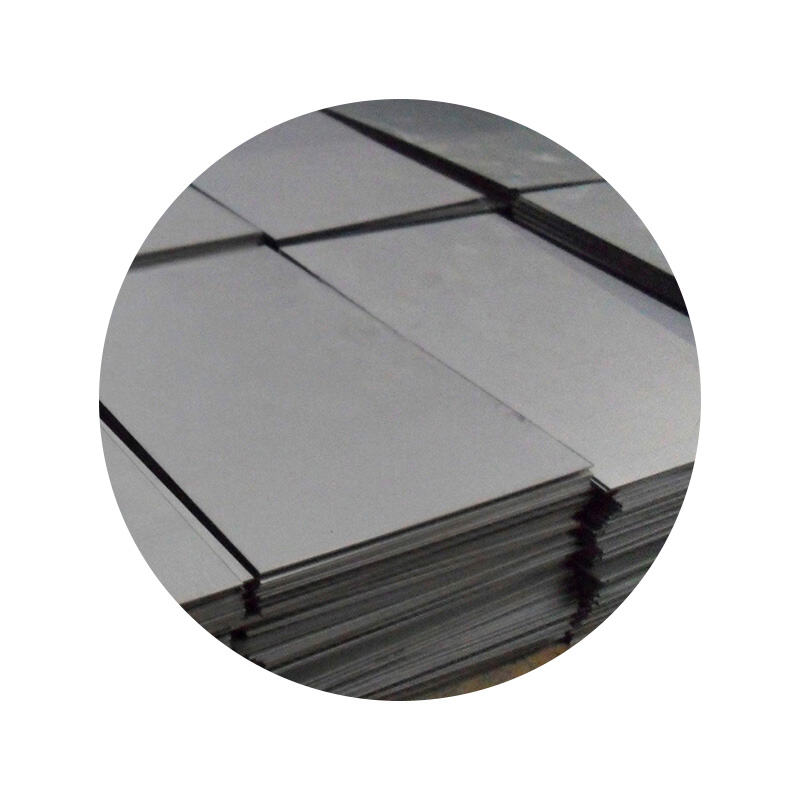
התלות של תעשיית האבוקוס בלוחות סגסוגת טיטניום נובעת מדרישות הנדסיות בסיסיות שלא יכולות למלאן חומרים מסורתיים. כאשר מטוסים פועלים בגבהים גבוהים ומהירויות על-קוליות, או כאשר חלליות נעות בסביבה הקשה של החלל, החומרים המשמשים בבנייתן חייבים להפגין ביצועים יוצאי דופן במספר פרמטרים קריטיים. כדי להבין למה הפך לוח סגסוגת טיטניום לחיוני, יש לבחון את האתגרים הספציפיים שעומדים בפני מהנדסי אבוקוס, וכיצד חומרים מיוחדים אלו פותרים את האתגרים הללו ביעילות בלתי מתחרה.
יחס עוצמה-למשקל מעולה ביישומים קריטיים
יעילות מבנית בעיצוב מטוסים
תעשיית האביזרים הפליאנית פועלת תחת לחץ מתמיד למקסם את הביצועים תוך מינימיזציה של המשקל, ולוח סגסוגת הטיטניום מהווה פתרון אופטימלי לאתגר היסודי הזה. יצרני כלי טיס דורשים חומרים שיכלו לשאת עומסים מבניים גדולים ללא הוספת מסה מיותרת שתשפיע לרעה על יעילות הדלק וביצועי הטיסה. לוח סגסוגת הטיטניום מספק הפחתה במשקל של כ־40% בהשוואה לפלדה, תוך שמירה על מאפייני חוזק דומים, מה שהופך אותו לערך בלתי נדלה עבור רכיבי המבנה העיקריים, כגון עצמות כנף, מסגרות גוף המטוס ומערכות הרכבת הנחיתה.
מטוסים מסחריים מודרניים משתמשים בלוחות סגסוגת טיטניום באופן נרחב באזורים בהם מתרחשות ריכוזי מתח גבוהים, במיוחד סביב נקודות היצמדות הכנפיים ומערכות היצמדות המנועים. היחס ייחודי בין חוזק למשקל של החומר מאפשר למפתחים לעצב חתכים דקים יותר אשר עדיין עומדים בדרישות הבטיחות הקפדניות, מה שמביא לחיסכון משמעותי במשקל שמתורגם ישירות לשיפור יעילות הדלק והגדלת קיבולת המטען. אופטימיזציה זו של המשקל הופכת קריטית אף יותר ביישומים של מטוסים צבאיים, שם היכולת לתמרן והיכולת לבצע משימות תלויה במידה רבה בהחזקת יחס אידיאלי בין הספק למשקל.
דרישות לבניית כלי רכב חלל
בניית חלליות ולוויינים מציבה אילוצים נוספים קפדניים בנוגע למשקל, כאשר כל גרם נושא עלות מוגדלת להטלת הלוויין לחלל. לוחות סגסוגת טיטניום מאפשרים למ diseñנים של חלליות להשיג את עמידות המבנה הדרושה תוך מינימיזציה של העונש המשקלי בהטלות. מאפייני הביצועים הקבועים של החומר לאורך טווחי טמפרטורות קיצוניים שמתגלים במשימות חלל הופכים אותו לבעל ערך מיוחד עבור רכיבי מבנה לוויינים, רכיבי מנועי רקטות וכלי אחסון לחץ לחלליות.
היציבות הממדית של לוחות סגסוגת טיטניום בתנאי טמפרטורה משתנים מבטיחה שהמערכות הקריטיות של החללית שומרים על יישור תקין ותפקוד תקין לאורך משך המשימה. אמינות זו הופכת חיונית למשימות ארוכות טווח, שבהן אין אפשרות לתיקון, ותקלה באחד הרכיבים עלולה לגרום לאובדן המשימה. סוכנויות החלל ברחבי העולם מציינות לוח תitanium Alloy ליישומים שבהם יעילות משקל ואמינות לטווח ארוך הן דאגות עליונות.
תResistance יוצאת דופן לתקיעות בסביבות קשות
מערכות הגנה אטמוספריות
כלי טיס חלל פועלים בסביבות שמציבות על החומרים את האתגרים הקשים ביותר של תקיעות, החל מתנאי האטמוספירה בגבהים גבוהים ועד לסביבות ימיות במהלך פעולות בחופים. לוחות סגסוגת הטיטניום מציגים התנגדות יוצאת דופן למספר צורות של תקיעות, כולל תקיעות גלווניות, נקע תקיעתי מתחי (SCC) וחמצון אטמוספרי. התנגדות זו לתקיעות מבטלת את הצורך במעטפות הגנה כבדות שיתוספו למשקל וידרשו תחזוקה מתמדת, מה שהופך את לוחות סגסוגת הטיטניום ליתרון כלכלי לאורך זמן הפעלה של כלי טיס חלל.
השכבה האוקסידית הטבעית שנוצרת על פני לוחות סגסוגת הטיטניום מספקת הגנה עצמית-ריפוי שמשמרת את שלמותה גם כאשר מתרחשים נזקים קלים לפני השטח במהלך הפעולה. מאפיין זה מוכיח ערך מיוחד ביישומים צבאיים, שבהם מטוסים עלולים להיתקל בשאריות, נזקי קרב או בתנאי סביבה קיצוניים שעלולים לפגוע בחומרים פחות עמידים. האורך החזק של רכיבי לוחות סגסוגת הטיטניום מפחית את דרישות התיקון ומעמיק את פרקי השירות, מה שתרם לזמינות מבצעית משופרת ולחיסכון בעלויות מחזור החיים.
עמידות כימית ביישומים של מנועים
מנועי טיסת גז יוצרים סביבה כימית קיצונית במיוחד, שבה חייב לוח סגסוגת הטיטניום להתנגד למתקפה של תהליכי הבערה מוצרים תוספי דלק ונוזלי הידראוליקה. היציבות הכימית המצוינת של החומר מבטיחה שרכיבי המנוע שומרים על דיוק ממדי וסיווג פנים לאורך תקופת השימוש שלהם. התנגדות כימית זו נהיית חשובה במיוחד במנועים צבאיים שעשויים לפעול על סוגי דלק שונים או להיפגעות מזיהום כימי בסביבות קרב.
עיצובי מנועי טורבינה מודרניים מסתמכים יותר ויותר על לוחות סגסוגת טיטניום ללהבי המניע, גופי המנוע והרכיבים היבשתיים, שם החשיפה למוצרים חמים של בעירה תגרום לדרוס מהיר של חומרים קונבנציונליים. היכולת של החומר לשמור על שכבת האוקسيد ההגנתית שלו גם בתנאי פעילות מתח גבוה מבטיחה ביצועים אמינים לאורך זמן ומחסלת את הסיכון לתקלה קטסטרופלית במנוע הנובעת מדרוס קורוזיבי.
ביצועים בטמפרטורות גבוהות ויציבות תרמית
יישומי רכיבי מנוע
מערכות הנעה בחלל מייצרות טמפרטורות קיצוניות המאתגרות את מגבלות ביצועי החומרים, ולוחות מסגסוגת טיטניום מספקים יכולת תרמית חיונית עבור יישומים תובעניים אלה. מנועי סילון מודרניים פועלים בטמפרטורות שגורמות לחומרים קונבנציונליים לאבד חוזק או לעבור שינויים ממדיים שעלולים לגרום לכשל במנוע. לוחות סגסוגת טיטניום שומרים על תכונותיהם המכניות בטמפרטורות של עד 550 מעלות צלזיוס, מה שהופך אותם למתאימים לחלקי מדחס, תושבות מנוע ורכיבי מערכת פליטה.
מאפייני ההתפשטות התרמית של לוח סגסוגת הטיטניום מתאימים באופן הדוק למאפיינים של חומרים אחרים במנוע, מה שמביא להפחתת ריכוזי מתח תרמי שעלולים לגרום לבקיעות או כשלים ברכיבים. התאימות התרמית הזו מאפשרת למפתחים לעצב מנועים יעילים יותר עם סעיפי סבירות צרים יותר וביצועים משופרים. היכולת של החומר לסבול מחזורי טמפרטורה מהירים ללא נזק מבטיחה פעילות אמינה במהלך מחזורי המראה והנחיתה התכופים שמאפיינים את הפעילות באוירנאות המסחרית.
דרישות טיסה על קול
כלי טיס הפועלים במהירויות סופר-סוניות נתקלים בחימום אאודינמי משמעותי שמייצר טמפרטורות על פני השטח שמעל ליכולות של חומרים אסטרונאוטיים קונבנציונליים. לוחות סגסוגת טיטניום מספקים את התנגדות החום הדרושה ללוחות הקליפה של כלי טיס סופר-סוניים, לרכיבי קצה המוביל ולמשטחי הבקרה, שבהם הטמפרטורות עלולות לעלות מעל 300° צלזיוס במהלך טיסה מהירה ממושכת. מוליכות החום של החומר עוזרת להפיץ את עומסי החום באופן אחיד, ומניעה נקודות חמות מקומיות שיכולות לפגוע בשלמות המבנית.
מטוסי קרב צבאיים וכלי טיס סופר-סוניים ניסיוניים מסתמכים במידה רבה על לוחות סגסוגת טיטניום לרכיבי השלדה שעליהם לשמור על יכולת מבנית תוך חשיפה לשינויים מהירים בטמפרטורה בשלבים של תאוצה והאטה. היציבות התרמית של החומר מבטיחה שמשטחי הבקרה של המטוס יישארו תפעוליים ומדויקים גם בתנאי עומס תרמי קיצוני המתרחשים במהלך תמרונים ביצועיים גבוהים.
מאפייני התנגדות לעייפות ועמידות
ביצוע טעינה מחזורית
מבנים באווירון עוברים מיליוני מחזורי מתח במהלך תקופת הפעולה שלהם, החל ממחזורי הלחיצה במטוסים מסחריים ועד למשאיות רטט ביישויות הליקופטר. לוחות סגסוגת הטיטניום מציגים התנגדות יוצאת דופן לעייפות, המאפשרת לרכיבים לעמוד בתנאי העומס החוזרים הללו ללא היווצרות סדקים או נזקים אחרים שעלולים לפגוע בטיחות. אורך החיים העצמי של החומר בעייפות, שמעל זה של סגסוגות האלומיניום, הופך אותו לחיוני לרכיבים מבניים קריטיים, שבהם כשל עלול להוביל לתוצאות קטסטרופליות.
מבני כנפי מטוסים המשתמשים בלוח סגסוגת טיטניום יכולים להשיג תקופות שירות העולמות 100,000 שעות טיסה ומעלה, תוך שימור שלמות המבנית בתנאי עומסים משתנים. עמידות זו מפחיתה את דרישות התיקון ומעריכה את פרקי הזמן בין בדיקות, מה שתרומתו לשיפור זמינות המטוסים וצמצום עלויות הפעלה. ההתנהגות הידועה מראש של לוח סגסוגת הטיטניום במתח מחזורית מאפשרת למפתחים לעצב רכיבים עם ביטחון במאפייני הביצוע שלהם לאורך זמן.
התנגדות להתקדמות סדק
המבנה המיקרוסקופי של לוח סגסוגת הטיטניום מספק התנגדות מעולה להיווצרות ולקידום סדקים, תכונות קריטיות לצורך דרישות הבטיחות באווירונאוטיקה. כאשר מופעלים על לוח סגסוגת הטיטניום תנאים קיצוניים של עומס או נזק מהתנגשות, הוא נוטה להפגין קצב צמיחה איטי של סדקים שנותן אזהרה לפני התרחשות כשל. תכונה זו מאפשרת זיהוי באמצעות הליכי בדיקה רутיניים ומאפשרת החלפה מתוכננת במקום כשלים בלתי צפויים שיכולים לפגוע בבטיחות המשימה.
מטוסים צבאיים הפועלים בסביבות לחימה נהנים במיוחד מתכונות הסבילות לנזקים של לוח סגסוגת הטיטניום, אשר מסוגל לסבול נזק קרב תוך שמירה על יכולת מבנית מספקת לחזרה בטוחה לבסיס. היכולת של החומר לחלק מחדש את העומסים באזורים פגומים מונעת תבניות כשל קטסטרופליות שיכולות לגרום לאובדן המטוס.
גמישות ביצור ובעיצוב
יכולות עיבוד וייצור
ייצור חלל ואוויר מודרני דורש חומרים שניתן לעצב אותם לצורות מורכבות תוך שמירה על מאפייני הביצועים העיקריים שלהם, ולוחות סגסוגת טיטניום מספקים צורה מצוינת לישומים המאתגרים הללו. טכניקות עיבוד מתקדמות כגון עיבוד סופרפלסטי וקישור דיפוזיה מאפשרות לייצר רכיבי לוח סגסוגת טיטניום מורכבים שבלתי אפשריים לייצור בחומרים קונבנציונליים. גמישות הייצור הזו מאפשרת למפתחים לאופטם את העיצוב מבחינת משקל, חוזק וכفاءה אווירודינמית.
יכולת הלחיצה של לוח סגסוגת הטיטניום מאפשרת ייצור של מONTAŻE מבניים גדולים המשלבים רכיבים מרובים למערכות משולבות. יצרניות מטוסים מודרניות משתמשות בטכניקות לחיצת לוח סגסוגת טיטניום כדי ליצור חלקי גוף מטוס מורכבים, מבנים כנפיים ורכיבי מנוע שמספקים ביצועים מעולים תוך הפחתת מורכבות הרכבה והמשקל. תהליכי לחיצה מתקדמים מבטיחים שמחברי הלחיצה שומרים על עוצמתם המלאה והתנגדותם לקלקול של החומר הבסיסי.
מאפייני עיבוד מדויק
רכיבי חלל ואווירון דורשים לעיתים קרובות סיבובים ממדיים צרים ביותר וסיומי פנים מדויקים שרק פעולות עיבוד מתקדמות יכולות להשיג. לוח סגסוגת טיטניום מגיב היטב לטכניקות עיבוד CNC מודרניות, מה שמאפשר ייצור של גאומטריות מורכבות עם דיוק הדרוש ליישומים בתחום חלל ואווירון. היציבות הממדית של החומר במהלך העיבוד מבטיחה שרכיבי הסיום שומרים על הממדים שנקבעו לאורך כל תהליכי הטיפול החום והסיום הבאים.
תכונות היכולת לעבד את לוח סגסוגת הטיטניום השתפרו באופן משמעותי בזכות התקדמות בטכנולוגיית כלי החיתוך ובפרמטרי העיבוד, מה שהופך אותו למתאים מבחינה כלכלית לייצור מסיבי של רכיבי חלל ואירון. מתקני ייצור מודרניים יכולים לייצר רכיבים מלוח סגסוגת טיטניום עם סיומי פנים ודיוק ממדי שמקיימים את דרישות האיכות החמורות ביותר בתחום חלל ואירון, תוך שמירה על עלויות ייצור תחרותיות.
שאלה נפוצה
מה הופך לוח סגסוגת טיטניום למשובח יותר מאלומיניום ליישומים באסטרונאוטיקה?
לוח סגסוגת טיטניום מציע יחס עמידות-למשקל גבוה בהרבה לעומת אלומיניום, יחד עם התנגדות קורוזיה משופרת ויכולת פעילות בטמפרטורות גבוהות. אם כי האלומיניום נשאר קל יותר, לוח סגסוגת טיטניום מספק ביצועים טובים יותר ביישומים של מתח גבוה, סביבות טמפרטורה קיצונית ותנאי קורוזיה הנפוצים בפעולות אסטרונאוטיות. התנגדות עייפות משופרת של לוח סגסוגת טיטניום מאפשרת גם חיים ארוכים יותר של רכיבים ודרישות תחזוקה נמוכות יותר.
איך הטמפרטורה משפיעה על הביצועים של לוח סגסוגת טיטניום במנועי מטוסים?
לוח סגסוגת טיטניום שומר על תכונותיו המכאניות בטמפרטורות עד 550° צלזיוס, מה שהופך אותו מתאים ליישומים במנועי טיסות, שם אלומיניום יאבד את חוזקו ופלדה תוסיף משקל מיותר. מאפייני ההתפשטות התרמית של החומר תואמים לחומרים אחרים במנוע, ובכך מפחיתים את ריכוזי המתח התרמי. בטמפרטורות גבוהות, לוח סגסוגת הטיטניום ממשיך לספק ביצועים מבניים אמינים תוך התנגדות לאחיזה תרמית ולפירוק תרמי שיפגעו בחומרים קונבנציונליים.
למה נבחר לוח סגסוגת טיטניום ליישומים במטוסים צבאיים על פני יישומים מסחריים?
מטוסים צבאיים דורשים חומרים שיכלו לסבול נזק קרב, עומסים קיצוניים של תמרון ותנאי הפעלה מגוונים, תוך שמירה על יכולת ביצוע המשימה. לוחות סגסוגת טיטניום מספקים עמידות יוצאת דופן בפני נזק, מה שמאפשר למטוסים לספוג נזק קרב ולשמור על שלמות מבנית מספקת להפעלה בטוחה. העמידות המצוינת של החומר במאמצים והעומס האלסטי מאפשרת למטוסים צבאיים לפעול בתנאים קשיחים יותר מאשר מטוסים מסחריים, מה שמצדיק את העלויות הגבוהות יותר של החומר ליישומים קריטיים בתחום ההגנה.
איך עלות לוחות סגסוגת טיטניום משתווה לעלות חומרים אירוספציהליים אחרים לאורך מחזור החיים של המטוס?
למרות שמחיר החומר הראשוני של לוח סגסוגת הטיטניום גבוה יותר בהשוואה לאלומיניום או פלדה, התנגדותו המצוינת לקורוזיה, אורך חיים מוגבר מפני עייפות ותכונות העמידות שלו מביאים להפחתת עלות מחזור החיים הכוללת עבור יישומים רבים באווירונאוטיקה. דרישות תחזוקה מופחתות, פרקי זמן ארוכים יותר בין בדיקות ותקופת חיים ממושכת יותר של רכיבי לוח סגסוגת הטיטניום מפצות לעתים קרובות את ההשקעה הראשונית הגבוהה יותר באמצעות שיפור היעילות הפעולה והפחתת עצירת השירות לאורך תקופת הפעולה של המטוס.
תוכן העניינים
- יחס עוצמה-למשקל מעולה ביישומים קריטיים
- תResistance יוצאת דופן לתקיעות בסביבות קשות
- ביצועים בטמפרטורות גבוהות ויציבות תרמית
- מאפייני התנגדות לעייפות ועמידות
- גמישות ביצור ובעיצוב
-
שאלה נפוצה
- מה הופך לוח סגסוגת טיטניום למשובח יותר מאלומיניום ליישומים באסטרונאוטיקה?
- איך הטמפרטורה משפיעה על הביצועים של לוח סגסוגת טיטניום במנועי מטוסים?
- למה נבחר לוח סגסוגת טיטניום ליישומים במטוסים צבאיים על פני יישומים מסחריים?
- איך עלות לוחות סגסוגת טיטניום משתווה לעלות חומרים אירוספציהליים אחרים לאורך מחזור החיים של המטוס?