 EN
EN


In industries where material failure is not an option, the choice of structural metal defines everything from product lifespan to operational safety. titanium plate has become the reference standard precisely because it delivers a combination of properties that no single alternative can fully replicate. Engineers across aerospace, chemical processing, marine engineering, and medical device manufacturing now specify titanium plate not as an upgrade, but as a baseline requirement.
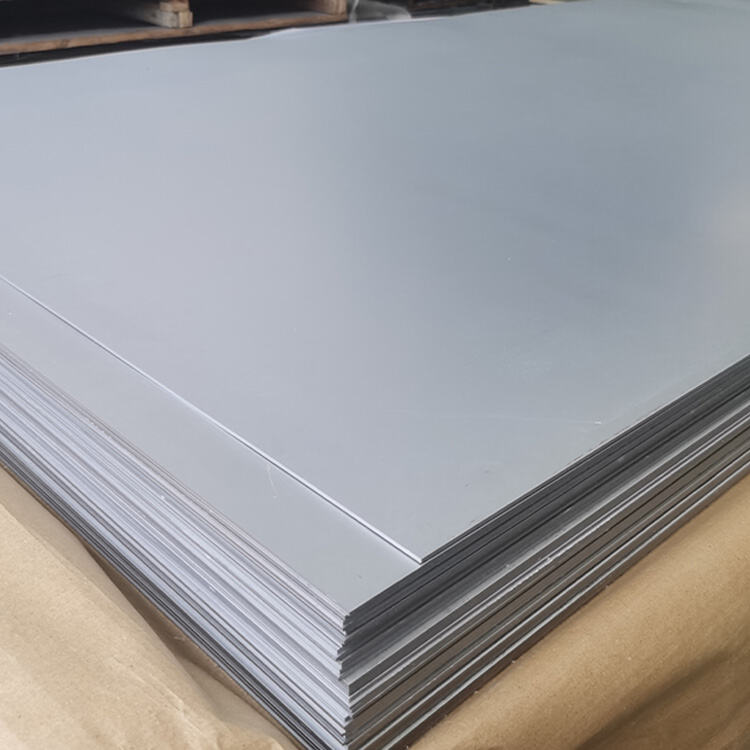
Understanding why titanium plate occupies this dominant position requires looking beyond simple tensile strength numbers. Titanium plate earns its reputation through a unique intersection of mechanical performance, corrosion resistance, and weight efficiency. This article examines those qualities in depth, explains how titanium plate performs across critical applications, and addresses the practical questions buyers and engineers raise most often.
The Core Properties That Define Titanium Plate
Exceptional Strength-to-Weight Ratio
The most cited advantage of titanium plate is its strength-to-weight ratio, which is among the highest of any commercially available metal. Titanium plate achieves tensile strength levels comparable to many structural steels while weighing roughly 45 percent less. This means that a titanium plate component can deliver the same load-bearing performance as a heavier steel counterpart while significantly reducing the overall mass of the structure. In aerospace and high-performance transportation, that weight saving directly translates to fuel efficiency and extended range.
Titanium plate maintains this mechanical advantage across a broad temperature spectrum. Unlike many aluminum alloys that lose strength at moderately elevated temperatures, titanium plate retains structural integrity up to approximately 600 degrees Celsius depending on the grade selected. This thermal stability makes titanium plate indispensable in jet engine components, exhaust systems, and industrial heat exchangers where both mechanical stress and thermal exposure occur simultaneously.
Superior Corrosion Resistance
Titanium plate forms a stable, self-repairing oxide layer on its surface when exposed to oxygen. This passive oxide film makes titanium plate highly resistant to corrosion in seawater, chloride solutions, acids, and oxidizing environments that would rapidly degrade stainless steel or aluminum. Chemical processing plants rely on titanium plate for reactor vessels, piping flanges, and heat exchanger plates precisely because the material does not require constant maintenance or protective coatings to remain structurally sound.
The corrosion resistance of titanium plate is not limited to surface protection. It extends through the full cross-section of the material, meaning that even machined or cut edges of titanium plate continue to resist aggressive media. This characteristic significantly reduces lifecycle costs because titanium plate installations last far longer than equivalent components made from coated or plated base metals.
How Titanium Plate Performs in Critical Applications
Aerospace and Defense Structures
Aerospace manufacturers use titanium plate extensively in airframe structures, bulkheads, and engine nacelles. The combination of low density and high yield strength allows titanium plate to reduce aircraft weight while meeting strict fatigue and fracture toughness requirements. Defense applications extend this further, as titanium plate is used in armored vehicle components and naval vessel hulls where ballistic resistance and corrosion protection must coexist. The material's non-magnetic nature also makes titanium plate valuable in applications requiring electromagnetic neutrality.
In both commercial and military aerospace, titanium plate must meet rigorous certification standards. The consistency and traceability of titanium plate from certified mills ensure that every batch meets the dimensional tolerances and mechanical properties specified in engineering drawings. This predictability is a key reason why titanium plate remains the preferred structural material rather than experimental composites for many load-critical assemblies.
Chemical Processing and Marine Environments
Chemical plants operating with aggressive acids, chlorinated compounds, or high-temperature brines depend on titanium plate to prevent material degradation and product contamination. Titanium plate resists pitting and crevice corrosion that commonly disables stainless steel in chloride-rich environments. This reliability makes titanium plate the standard choice for heat exchanger plates, reaction vessels, and distillation column internals in these industries.
Marine engineers specify titanium plate for seawater piping, desalination equipment, and offshore platform components because the material effectively eliminates biofouling adhesion and galvanic corrosion risk. Titanium plate installations in marine environments routinely exceed 20 years of service without structural degradation, providing a compelling total cost of ownership advantage over less resistant alternatives. Offshore energy operators increasingly mandate titanium plate in subsea systems where inspection access is difficult and replacement costs are prohibitive.
Selecting the Right Titanium Plate Grade
Grade Differentiation and Application Fit
Not all titanium plate is identical. Commercially pure grades such as Grade 1 and Grade 2 titanium plate offer excellent formability and corrosion resistance, making them suitable for chemical processing and heat transfer equipment. Grade 5 titanium plate, also known as Ti-6Al-4V, is the most widely used aerospace alloy because it combines high strength, moderate ductility, and good weldability. Selecting the correct titanium plate grade requires matching mechanical property requirements, fabrication methods, and service environment conditions.
Grade 7 titanium plate incorporates palladium additions that enhance resistance to reducing acids, making it the preferred choice in hydrometallurgical and pharmaceutical production environments. Grade 12 titanium plate offers an intermediate profile with improved creep resistance at elevated temperatures. Understanding these distinctions allows procurement teams and design engineers to specify titanium plate with confidence, avoiding over-specification that inflates cost or under-specification that compromises performance.
Thickness, Finish, and Dimensional Standards
Titanium plate is available in a wide range of thicknesses, typically from 3 mm up to 100 mm and beyond for heavy structural applications. Surface finish requirements vary by application: aerospace titanium plate often demands smooth, defect-free surfaces for fatigue performance, while chemical plant titanium plate may accept mill finish with standard tolerances. Buyers should verify that titanium plate suppliers can provide material certified to ASTM B265 or equivalent international standards, ensuring consistent quality and dimensional accuracy.
FAQ
Why is titanium plate preferred over stainless steel in corrosive environments?
Titanium plate forms a self-healing passive oxide layer that provides far superior resistance to chlorides, acids, and oxidizing media compared to standard stainless steel grades. In environments where stainless steel experiences pitting or crevice corrosion within months, titanium plate remains structurally intact for decades. This longevity reduces maintenance costs and unplanned downtime, which is why titanium plate is the standard choice for demanding chemical and marine service conditions.
How does titanium plate maintain strength at high temperatures?
Titanium plate retains a high proportion of its room-temperature mechanical strength at elevated temperatures due to its crystalline structure and the stability of its alloying elements. Alloy grades of titanium plate, particularly Ti-6Al-4V, are engineered to resist creep and oxidation at temperatures well above what aluminum alloys can tolerate. This thermal performance is what qualifies titanium plate for jet engine hardware, industrial furnace components, and high-temperature chemical reactors.
What should buyers verify when sourcing titanium plate?
Buyers should confirm that titanium plate is certified to recognized international standards such as ASTM B265, accompanied by full material test reports covering chemical composition and mechanical properties. Grade identification, heat number traceability, and dimensional inspection records are essential documents for any critical application. Sourcing titanium plate from mills that maintain rigorous quality management systems ensures the material will perform as specified throughout its service life.