 EN
EN


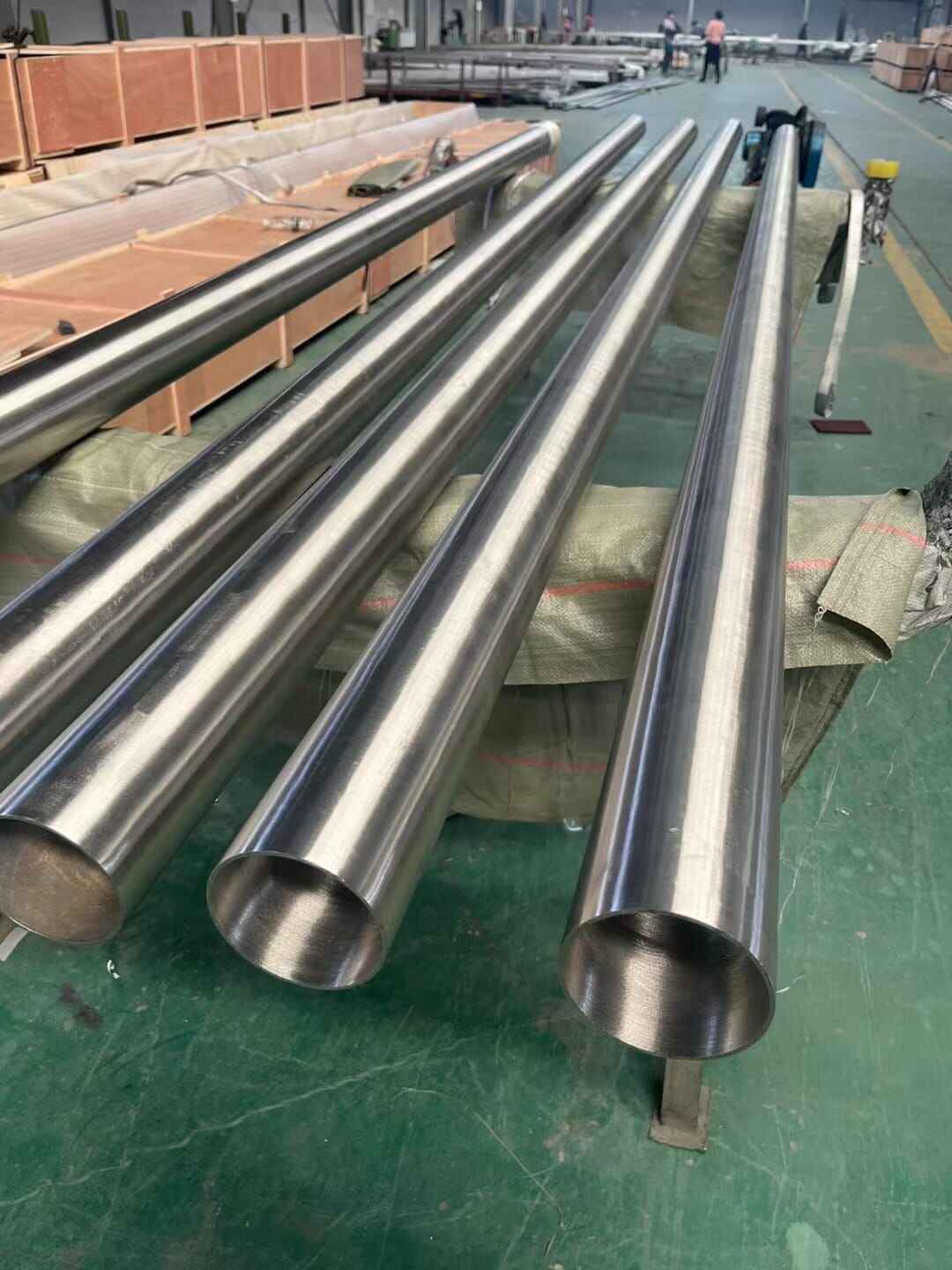
Titanium pipe has become the material of choice for engineers and operators managing critical high-pressure applications across multiple industries. The decision to specify titanium pipe over conventional materials like steel or stainless steel reflects a clear understanding of performance demands, operational cost reductions, and long-term reliability. Understanding why titanium pipe dominates these demanding environments requires examining the material's unique combination of strength, durability, and resistance properties that directly address the challenges inherent in high-pressure systems.
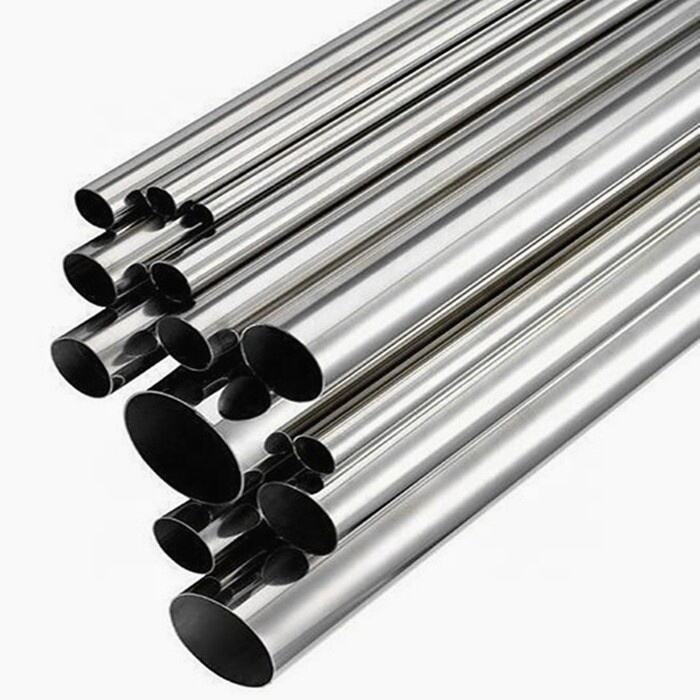
The preference for titanium pipe in high-pressure environments stems from a fundamental material advantage: titanium delivers exceptional strength-to-weight ratios while maintaining superior corrosion resistance under extreme conditions. When pressures exceed standard operational ranges and environments become increasingly hostile, titanium pipe systems maintain integrity where other materials fail or require costly maintenance interventions. This article explores the technical, operational, and economic reasons why titanium pipe has become essential infrastructure across aerospace, chemical processing, oil and gas, and marine industries.
Superior Strength and Pressure Containment
Tensile Strength Performance in Titanium Pipe
Titanium pipe offers tensile strength properties that significantly exceed conventional carbon steel across comparable wall thicknesses. The material naturally resists yielding under extreme pressure cycles, a critical advantage in systems experiencing repeated pressure fluctuations or shock loading conditions. When engineers specify titanium pipe for high-pressure applications, they gain the ability to reduce wall thickness compared to steel alternatives while maintaining or exceeding safety margins. This strength characteristic means that titanium pipe can withstand pressures that would permanently deform or rupture conventional piping materials, making it indispensable for mission-critical installations where failure carries severe operational and safety consequences.
Weight Reduction and Structural Efficiency
The lightweight nature of titanium pipe provides measurable benefits in high-pressure systems where total system weight directly impacts installation costs, support structure requirements, and operational efficiency. Titanium pipe weighs approximately sixty percent less than steel pipe of equivalent pressure rating, a factor that reduces support infrastructure needs and simplifies installation logistics. In aerospace applications where every kilogram affects fuel consumption and performance metrics, titanium pipe becomes economically justified through weight savings alone. For subsea and elevated installations, the reduced mass of titanium pipe decreases structural loading on support systems, allowing engineers to optimize mounting hardware and reduce overall project costs. This combination of strength and lightweight properties makes titanium pipe the preferred solution when pressure capacity must be delivered efficiently.
Unmatched Corrosion Resistance Under Pressure
Performance in Aggressive Chemical Environments
Titanium pipe naturally resists corrosion in environments where conventional materials require expensive coatings, linings, or frequent replacement cycles. The oxide layer that forms on titanium pipe's surface provides self-healing corrosion protection, continuously reforming if damaged by minor abrasion or mechanical stress. In high-pressure chemical processing applications, titanium pipe maintains structural integrity when transporting corrosive acids, chlorine, seawater, and industrial chemicals that actively attack carbon steel and standard stainless steel alloys. The superior corrosion resistance of titanium pipe eliminates costly maintenance shutdowns for inspection and replacement, extending asset lifetime and reducing operational disruption. Systems using titanium pipe demonstrate measurably longer service intervals compared to steel alternatives, translating directly to improved operational availability and reduced total cost of ownership.
Seawater and Subsea Application Advantages
Marine and offshore industries consistently choose titanium pipe for subsea installations where corrosion from saltwater exposure combines with extreme pressure conditions. Titanium pipe resists chloride stress corrosion cracking, a failure mechanism that compromises stainless steel in seawater applications, especially under sustained stress. Subsea titanium pipe systems installed decades ago continue operating without the degradation observed in steel components installed in the same environments. The reliability of titanium pipe under combined pressure and seawater corrosion exposure has established it as the preferred material for deepwater oil and gas production systems, submarine infrastructure, and marine research installations. When the cost of failure includes environmental damage, operational shutdown, or recovery expenses in remote offshore locations, the investment in titanium pipe becomes economically rational regardless of initial material cost.
Economic and Operational Lifecycle Advantages
Extended Service Life and Maintenance Reduction
The extended service life of titanium pipe systems produces measurable economic advantages throughout the equipment lifecycle. A titanium pipe installation operating continuously in a high-pressure environment typically requires minimal maintenance intervention compared to equivalent steel systems that need inspection, repair, or replacement at regular intervals. Over operational periods spanning twenty to forty years, titanium pipe systems avoid the cumulative costs associated with maintenance, unplanned downtime, regulatory inspections related to material degradation, and premature replacement. In industries where operational downtime carries high costs, the reliability of titanium pipe becomes a direct financial advantage. Facilities using titanium pipe for critical high-pressure applications report measurably higher uptime rates and lower total maintenance expenditures compared to facilities relying on conventional piping materials.
Regulatory Compliance and Safety Advantages
Regulatory frameworks governing high-pressure systems increasingly favor materials with demonstrated long-term reliability and minimal maintenance requirements. Titanium pipe installations simplify regulatory compliance by providing documented performance histories spanning decades of safe operation under extreme conditions. The superior safety margin inherent in titanium pipe systems reduces pressure vessel inspection frequency, documentation complexity, and regulatory risk exposure. When regulatory bodies evaluate material selection for critical infrastructure, the proven track record of titanium pipe in similar applications strengthens approval timelines and reduces operational restrictions. The combination of superior material properties and regulatory acceptance makes titanium pipe the technically and administratively prudent choice for new high-pressure installations requiring long-term operational certainty and minimal compliance burden.
FAQ
What makes titanium pipe suitable for high-pressure applications that steel cannot handle?
Titanium pipe delivers superior strength, exceptional corrosion resistance, and superior fatigue performance compared to steel, even at equivalent wall thicknesses. The material's ability to resist stress corrosion cracking, maintain strength at extreme pressures, and operate in corrosive environments without degradation enables titanium pipe to function reliably in applications where steel would experience failure, excessive maintenance costs, or limited service life. Additionally, titanium pipe's lightweight properties reduce system loading and support structure complexity, providing engineering advantages unavailable with steel alternatives.
Is titanium pipe cost-effective compared to stainless steel for high-pressure systems?
While titanium pipe carries higher initial material costs than stainless steel, lifecycle analysis typically demonstrates superior economic performance when considering extended service life, elimination of maintenance costs, and avoidance of premature replacement. In applications involving seawater exposure, aggressive chemicals, or extreme pressure cycles, titanium pipe's longer service life and lower maintenance requirements frequently produce lower total cost of ownership despite higher upfront investment. The economic justification for titanium pipe strengthens significantly in applications where failure costs are high or where operational downtime carries substantial financial impact.
Can titanium pipe be used in all high-pressure piping applications?
Titanium pipe performs exceptionally well in most high-pressure applications, particularly those involving corrosion exposure, seawater contact, or aggressive chemical environments. However, application suitability depends on specific temperature profiles, pressure ratings, compatible materials for fittings and connections, and project economics. While titanium pipe excels in marine, aerospace, and chemical processing applications, some industrial applications operating at moderate pressures without corrosion exposure may achieve adequate performance with conventional materials at lower cost. Professional engineering evaluation ensures that titanium pipe selection aligns with the specific technical requirements and economic constraints of each high-pressure system.