 EN
EN


Titanium pipe has become a critical material choice for industries requiring exceptional durability and reliability in corrosive environments. Understanding how titanium pipe ensures long-term corrosion protection requires examining the underlying metallurgical properties, environmental interactions, and real-world performance data that make this material a preferred solution for demanding applications. The question of how titanium pipe maintains its integrity over decades of service goes beyond surface-level material descriptions and touches on fundamental chemistry and engineering principles.
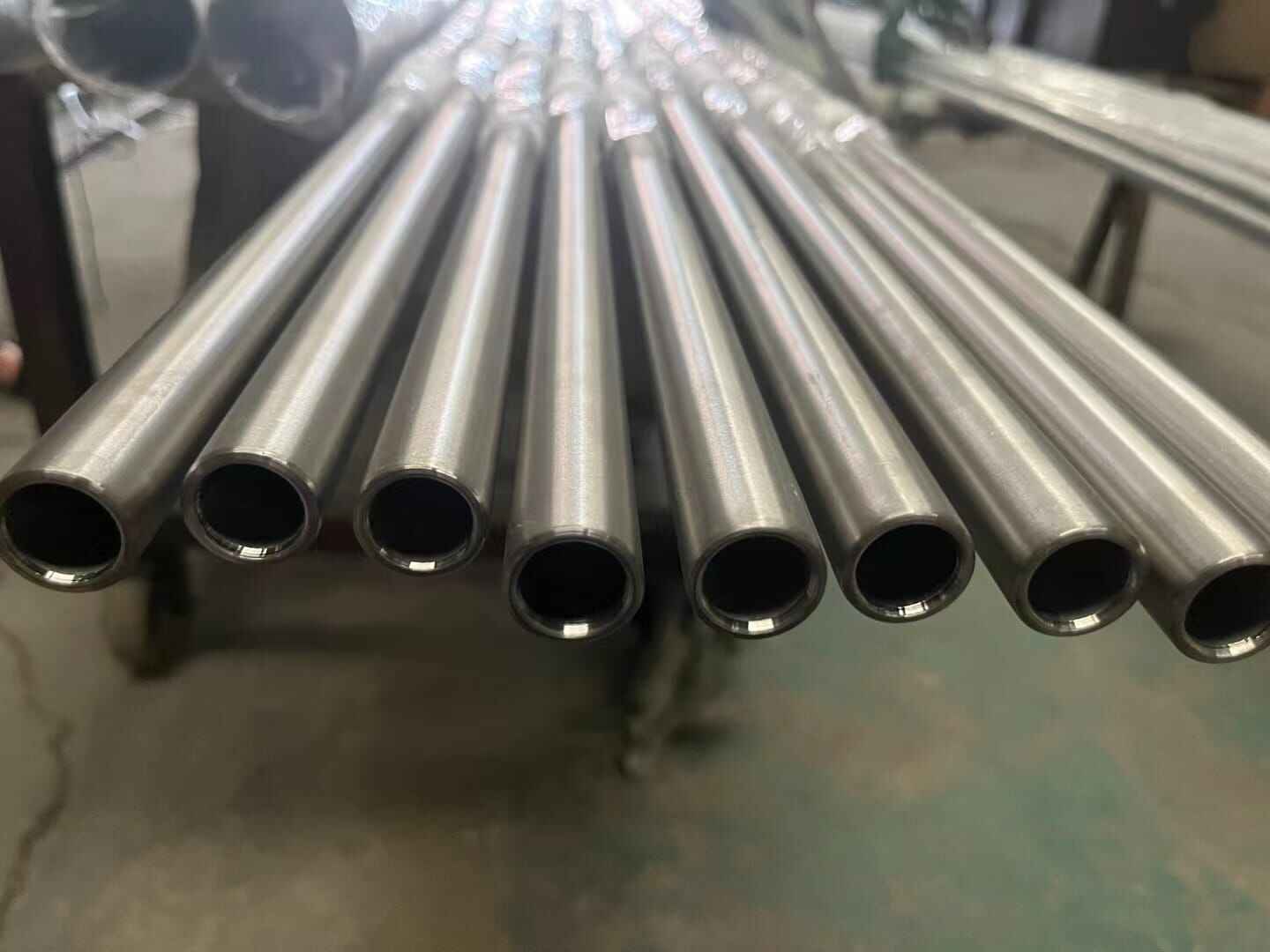
The corrosion resistance of titanium pipe stems from a naturally occurring protective oxide layer that forms instantly on the metal's surface when exposed to oxygen. This passive film, typically just nanometers thick, acts as an impenetrable barrier against corrosive elements such as seawater, chlorides, acids, and industrial chemicals. Unlike conventional steel or aluminum piping, which require external coatings or sacrificial anodes, titanium pipe generates its own defense mechanism automatically, making it an inherently superior choice for long-term corrosion protection in the most challenging industrial environments.
The Science Behind Titanium Pipe Corrosion Resistance
Understanding the Passive Oxide Layer
The foundation of how titanium pipe resists corrosion lies in the spontaneous formation of a titanium dioxide (TiO2) passive layer. When titanium pipe is exposed to oxygen, even in trace amounts, a chemically stable oxide film instantly forms across the entire surface. This passive layer on titanium pipe is self-healing; if the surface is mechanically damaged, the oxide layer regenerates automatically when oxygen becomes available again. This self-repair mechanism distinguishes titanium pipe from materials that depend on permanent protective coatings, which can degrade over time and require maintenance replacement.
Alloy Composition and Performance Enhancement
Different titanium pipe compositions optimize corrosion resistance for specific industrial applications. Commercially pure titanium pipe offers excellent general-purpose corrosion protection, while titanium alloys such as Grade 2 and Grade 5 provide enhanced strength without sacrificing the corrosion resistance that titanium pipe is known for. The addition of elements like molybdenum, vanadium, and aluminum to titanium pipe formulations improves performance in particular aggressive environments, such as hot brines or concentrated acids. Understanding the grade of titanium pipe being specified is essential to matching material selection with application demands.
Environmental Resilience and Industrial Applications
Performance in Marine and Coastal Environments
Seawater presents one of the most corrosive environments industrial piping must withstand, and titanium pipe excels where traditional materials fail rapidly. The high chloride content of seawater initiates pitting and crevice corrosion in steel, aluminum, and even stainless steel piping systems. However, titanium pipe maintains its structural integrity across decades of direct seawater exposure because the passive oxide layer on titanium pipe remains stable regardless of chloride concentration. Offshore platforms, desalination plants, and coastal industrial facilities rely on titanium pipe specifically because long-term corrosion protection in saltwater conditions is non-negotiable for operational safety and cost effectiveness.
Chemical Processing and Industrial Fluid Compatibility
Industrial processing environments involve exposure to acids, bases, oxidizing agents, and complex chemical mixtures that rapidly degrade conventional piping materials. Titanium pipe withstands exposure to hydrochloric acid, sulfuric acid, nitric acid, and organic solvents without the catastrophic failure modes observed in carbon steel or even most stainless steel systems. The broad chemical compatibility of titanium pipe means fewer material substitutions are needed when processing conditions change, reducing design complexity and the risk of corrosion-related downtime. This chemical resilience is why pharmaceutical manufacturers, petrochemical refineries, and specialty chemical producers specify titanium pipe as a long-term corrosion protection solution.
Maintenance Requirements and Lifecycle Economics
Minimal Maintenance and Extended Service Life
One of the most significant advantages of titanium pipe for corrosion protection is the minimal ongoing maintenance required to sustain performance. Steel piping systems demand regular inspections, coating reapplications, cathodic protection monitoring, and occasional component replacement due to corrosion damage. Titanium pipe eliminates these costs and operational interruptions because the inherent corrosion protection of titanium pipe does not degrade with time. A titanium pipe installation commissioned twenty years ago continues to provide the same level of corrosion protection today as it did on day one, with no maintenance intervention needed. This reliability translates to lower total cost of ownership despite higher initial material expenses.
Reducing Unplanned Downtime and System Failures
Piping failures due to corrosion are among the most costly operational disruptions in industrial settings, causing emergency shutdowns, environmental incidents, and product loss. Titanium pipe dramatically reduces the probability of such failures because corrosion-induced leaks, pinhole failures, and wall thinning are virtually eliminated. Facilities that switch to titanium pipe from conventional materials report significantly improved system reliability and reduced unplanned maintenance events. The confidence in long-term corrosion protection provided by titanium pipe allows operators to extend service intervals and reduce inspection frequency, freeing maintenance resources for other critical tasks. This operational benefit reinforces the economic case for titanium pipe investment.
Material Selection and Implementation Considerations
Matching Titanium Pipe Grade to Specific Environments
Effective corrosion protection with titanium pipe requires selecting the appropriate grade for the intended application. Commercially pure titanium pipe in Grades 1 and 2 is ideal for general industrial applications, seawater systems, and chemical processing where corrosion resistance is the primary concern. Titanium alloys such as Grade 5 (Ti-6Al-4V) provide superior strength-to-weight ratios and are used when both high performance and corrosion protection are needed. The cost of titanium pipe varies by grade, so understanding the minimum corrosion protection requirements prevents over-specification and unnecessary expense while ensuring adequate material robustness.
Installation and Integration Best Practices
The exceptional corrosion resistance of titanium pipe can be optimized or compromised by installation practices. Proper joint design, avoiding dissimilar metal contact that could trigger galvanic corrosion, and using compatible fastening materials all contribute to maximizing the corrosion protection that titanium pipe provides. Isolation from carbon steel components through gaskets and insulation prevents galvanic couples that would compromise the passive layer on titanium pipe. Industry standards such as ASTM B862 and ASME specifications provide detailed guidance on fabricating, welding, and installing titanium pipe systems to preserve the inherent corrosion protection advantages.
FAQ
Why does titanium pipe cost more than steel pipe if corrosion protection is guaranteed?
Titanium pipe carries a higher initial purchase price because titanium metal production, refining, and fabrication require more energy-intensive processes than steel manufacturing. However, the total cost of ownership of titanium pipe is often lower when factoring in maintenance elimination, extended service life, and avoided downtime costs. A titanium pipe system installed in a harsh corrosive environment will outlast multiple replacements of steel or stainless steel piping, making the higher upfront cost economically justified over the system's lifecycle.
Can titanium pipe be used in all industrial piping applications?
While titanium pipe excels in corrosive environments, its application scope is determined by pressure ratings, temperature limits, and cost considerations. Titanium pipe is ideal for chemical processing, seawater systems, pharmaceutical production, and offshore platforms where corrosion protection is critical. For low-pressure, non-corrosive applications in controlled indoor environments, conventional steel or PVC piping may be more economically appropriate. Consulting with materials engineers ensures titanium pipe is specified only where its superior corrosion protection delivers measurable operational and financial benefits.
How long does the passive oxide layer on titanium pipe remain protective?
The passive oxide layer on titanium pipe is permanent and self-renewing under normal conditions. Unlike paint or epoxy coatings that degrade over 5 to 20 years, the oxide layer on titanium pipe continuously regenerates itself in the presence of oxygen, maintaining corrosion protection indefinitely. Industrial applications show titanium pipe installations from the 1970s and 1980s still performing flawlessly with zero corrosion damage, confirming that the protective mechanism of titanium pipe does not diminish with age or environmental exposure.