 EN
EN


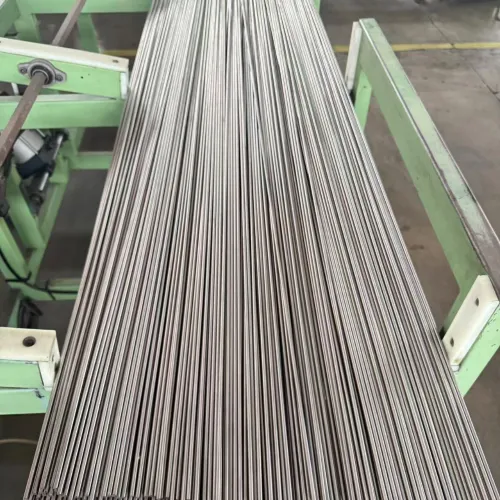
Understanding the Superior Corrosion Protection of Titanium Round Bars
In the world of industrial manufacturing and engineering, corrosion resistance stands as a critical factor that can make or break a product's longevity and performance. Titanium round bars have emerged as a revolutionary material choice, offering unprecedented levels of corrosion protection while maintaining exceptional structural integrity. These specialized metal components are transforming how industries approach material selection for challenging environments.
When exposed to air, titanium round bars naturally form a protective oxide layer that acts as an impenetrable shield against corrosive elements. This self-healing barrier regenerates instantly when damaged, providing continuous protection throughout the material's lifetime. The remarkable corrosion-fighting properties of titanium round bars make them indispensable in applications ranging from marine equipment to chemical processing plants.
The Science Behind Titanium's Corrosion-Fighting Properties
Chemical Composition and Oxide Formation
The exceptional corrosion resistance of titanium round bars stems from their unique chemical composition. When exposed to oxygen, titanium immediately forms a stable, continuous oxide film (TiO2) that's merely nanometers thick. This passive layer strongly adheres to the metal's surface, creating an extraordinary barrier against chemical attack. Unlike other metals that corrode progressively, titanium round bars maintain their protective shield indefinitely.
The oxide film's remarkable stability comes from its strong molecular bonds and perfect lattice structure. Even in aggressive environments containing chlorides, sulfates, or other corrosive substances, titanium round bars remain virtually immune to degradation. This inherent protection eliminates the need for additional protective coatings or treatments, reducing both maintenance requirements and long-term costs.
Environmental Response Mechanisms
Titanium round bars exhibit remarkable adaptability to various environmental conditions. In seawater, where many metals fail due to galvanic corrosion, titanium's electrochemical properties create an even more robust protective layer. The material's passive film actually strengthens in the presence of oxidizing environments, making it particularly suitable for marine applications.
Temperature fluctuations and pressure variations have minimal impact on the corrosion resistance of titanium round bars. Whether operating in cryogenic conditions or elevated temperatures, the protective oxide layer maintains its integrity. This stability across diverse conditions makes titanium round bars an ideal choice for applications requiring consistent performance in unpredictable environments.
Industrial Applications and Performance Benefits
Marine and Offshore Equipment
In marine environments, titanium round bars have revolutionized equipment design and longevity. Ship propulsion systems, underwater monitoring equipment, and offshore platform components all benefit from titanium's exceptional resistance to saltwater corrosion. The material's ability to withstand constant exposure to chlorides while maintaining structural integrity has made it invaluable in marine engineering.
Subsea applications particularly demonstrate the superior performance of titanium round bars. Deep-water equipment, exposed to extreme pressures and corrosive elements, maintains its integrity for decades without significant deterioration. This longevity translates to reduced maintenance intervals and lower lifecycle costs for marine operations.
Chemical Processing Equipment
Chemical processing facilities rely heavily on titanium round bars for their critical components. Reaction vessels, heat exchangers, and processing equipment benefit from titanium's resistance to aggressive chemicals and acids. The material's ability to handle diverse chemical environments without degradation ensures consistent production quality and reduced downtime.
Even in environments containing strong oxidizing agents or high-temperature process streams, titanium round bars maintain their structural and chemical integrity. This reliability has made them the preferred choice for applications where material failure could result in costly production interruptions or safety hazards.
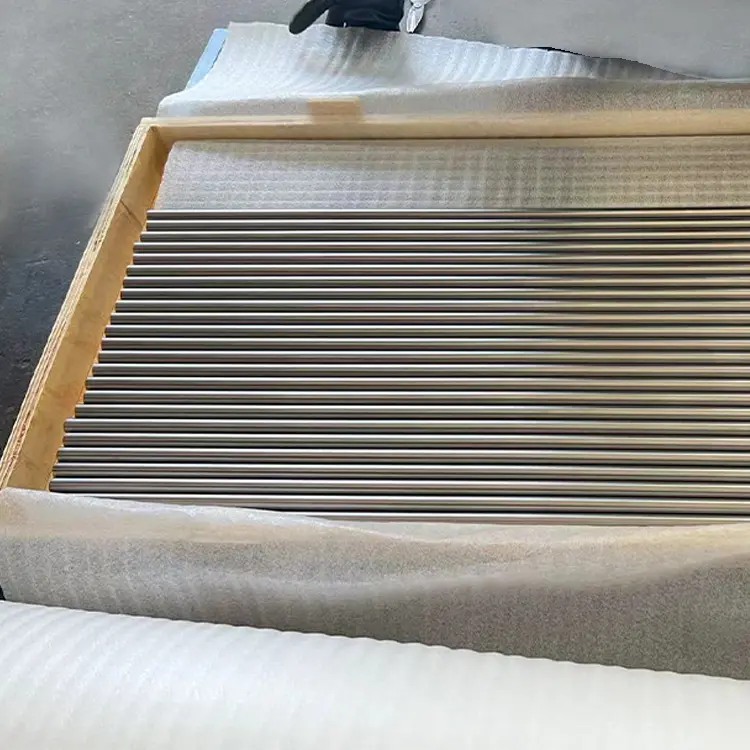
Design Considerations and Implementation
Material Selection Criteria
When incorporating titanium round bars into product designs, engineers must consider several key factors. The specific grade of titanium should align with the intended application's corrosive environment and mechanical requirements. Different alloy compositions offer varying levels of strength and corrosion resistance, allowing for optimized material selection.
Surface finish and dimensional tolerances play crucial roles in maximizing the corrosion-resistant properties of titanium round bars. Proper specification of these parameters ensures optimal performance while maintaining cost-effectiveness. Engineers should also consider the material's compatibility with joining methods and adjacent components to prevent galvanic corrosion.
Installation and Maintenance Protocols
Proper handling and installation procedures are essential for maintaining the integrity of titanium round bars. Clean installation environments and appropriate tools prevent surface contamination that could compromise the protective oxide layer. Welding and joining operations require specific protocols to preserve the material's corrosion-resistant properties.
While titanium round bars require minimal maintenance, regular inspection schedules help ensure optimal performance. Simple cleaning procedures and periodic checks for mechanical damage suffice in most applications. The material's self-healing properties mean that minor surface damage doesn't compromise long-term corrosion resistance.
Cost Analysis and Long-term Value
Initial Investment Considerations
While titanium round bars may represent a higher initial investment compared to conventional materials, their total cost of ownership often proves more economical. The elimination of protective coatings, reduced maintenance requirements, and extended service life offset the initial material costs. Organizations must evaluate these factors within their specific operational context.
The superior strength-to-weight ratio of titanium round bars can also lead to design optimizations that reduce overall material usage. This efficiency, combined with decreased maintenance and replacement costs, contributes to favorable long-term economics.
Lifecycle Cost Benefits
The extended service life of titanium round bars translates to significant operational savings. Reduced downtime for maintenance and replacement, lower labor costs, and minimal spare parts inventory requirements contribute to improved bottom-line performance. Industries operating in highly corrosive environments particularly benefit from these advantages.
Environmental considerations also favor the use of titanium round bars. Their durability and recyclability align with sustainable manufacturing practices, while their resistance to corrosion prevents contamination issues associated with degrading materials.
Frequently Asked Questions
How long do titanium round bars maintain their corrosion resistance?
Titanium round bars maintain their corrosion resistance indefinitely under normal operating conditions. The self-regenerating oxide layer provides continuous protection throughout the material's service life, which can extend several decades with proper maintenance.
Can titanium round bars be welded without compromising corrosion resistance?
Yes, titanium round bars can be welded while maintaining their corrosion-resistant properties. However, proper welding procedures, including inert gas shielding and clean conditions, must be followed to ensure the integrity of the protective oxide layer in the welded area.
Are special handling procedures required for titanium round bars?
While titanium round bars are robust, basic handling precautions help maintain their optimal performance. Clean tools, avoiding contamination with other metals, and proper storage conditions prevent surface damage and ensure maximum corrosion resistance.