 EN
EN


When engineers and procurement specialists evaluate materials for long-term equipment performance, the choice of structural plate plays a decisive role. A 10mm titanium plate stands out as a high-performance option that directly addresses the wear, corrosion, and fatigue challenges that shorten equipment service life. Understanding how this material contributes to longevity is essential for industries that cannot afford frequent component replacement or unplanned downtime.
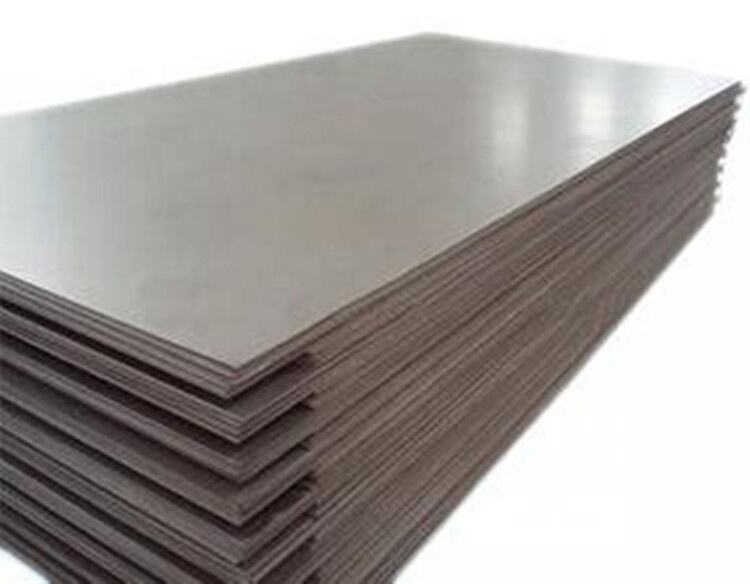
The answer to whether a 10mm titanium plate can genuinely improve equipment longevity is yes — provided the application conditions align with the material's core strengths. A 10mm titanium plate offers a balanced combination of thickness, strength, and weight efficiency that makes it suitable for a broad range of structural and protective roles. This article examines the specific properties that drive that durability advantage, the industrial contexts where a 10mm titanium plate delivers the most measurable impact, and the practical considerations that guide its adoption.
Properties That Drive Equipment Longevity
Corrosion Resistance as a Longevity Foundation
One of the primary reasons a 10mm titanium plate extends equipment life is its exceptional resistance to corrosion. Unlike carbon steel or even stainless steel, a 10mm titanium plate forms a stable, self-repairing oxide layer on its surface that resists attack from chlorides, acids, and seawater. This property means that equipment built with a 10mm titanium plate retains its structural integrity far longer in aggressive chemical or marine environments. Components do not thin out, weaken, or develop stress concentrations caused by surface degradation over time.
In industries such as chemical processing, offshore oil and gas, and desalination, this corrosion resistance directly translates into fewer replacement cycles. A 10mm titanium plate can remain in service for decades where conventional metal plates would require replacement within a few years. That extended service interval is the core mechanism through which a 10mm titanium plate improves overall equipment longevity.
High Strength-to-Weight Ratio and Fatigue Performance
A 10mm titanium plate also delivers excellent strength-to-weight performance. Titanium's tensile strength is comparable to many structural steels, yet the material weighs roughly 45 percent less. This matters for longevity because lighter structural components generate lower cyclic stresses on fasteners, frames, and support systems. When a 10mm titanium plate reduces the cumulative mechanical load on an assembly, fatigue failure in connected components becomes less likely over time.
Fatigue resistance is especially relevant in rotating equipment, pump housings, and heat exchanger structures where repeated pressure cycles are a constant reality. A 10mm titanium plate maintains its mechanical properties under these conditions without the microstructural degradation that can develop in alternative materials after extended service. The result is a measurable extension of both the plate's service life and the overall equipment it protects.
Industrial Applications Where Impact Is Most Significant
Chemical and Process Industry Equipment
In the chemical process industry, reaction vessels, heat exchangers, and pipe supports are routinely exposed to highly corrosive media. Integrating a 10mm titanium plate into these assemblies as a lining, structural shell, or protective barrier significantly reduces the degradation rate of the overall system. A 10mm titanium plate resists both oxidizing and reducing acids, making it suitable for a wide spectrum of process environments where other materials would fail quickly.
Process engineers who specify a 10mm titanium plate for critical-path equipment often observe that maintenance intervals extend substantially. Fewer shutdowns for inspection and repair translate directly into higher productive uptime and lower lifecycle cost. This is a practical demonstration of how a 10mm titanium plate improves equipment longevity at the operational level rather than just in theory.
Marine, Offshore, and Power Generation Contexts
Offshore platforms, seawater intake systems, and power generation cooling circuits present some of the harshest operating conditions known to engineering. Chloride-rich seawater is particularly destructive to conventional metals. A 10mm titanium plate performs reliably in these environments because its oxide layer remains stable even under continuous seawater immersion or spray exposure. Equipment components made with a 10mm titanium plate show dramatically reduced pitting, crevice corrosion, and stress corrosion cracking compared to stainless alternatives.
In power generation, condenser tube sheets and heat exchanger plates fabricated from a 10mm titanium plate demonstrate service lives that can exceed 20 years in continuous operation. For operators managing large capital assets, this durability makes a 10mm titanium plate a sound long-term investment that reduces both direct replacement costs and indirect costs associated with forced outages.
Practical Considerations for Maximizing Longevity Benefits
Correct Grade Selection for the Operating Environment
Not all titanium alloys perform identically, and selecting the right grade of 10mm titanium plate is critical to achieving the longevity benefits described. Grade 1 and Grade 2 commercially pure titanium plates are the most commonly used in corrosion-critical applications due to their superior formability and resistance. Grade 5 (Ti-6Al-4V) is used where higher mechanical strength is the primary driver. Matching the grade of the 10mm titanium plate to the specific chemical and mechanical demands of the application ensures that the material performs at its full potential over its service life.
Procurement teams should also evaluate certifications, material traceability, and compliance with relevant standards when sourcing a 10mm titanium plate. Verified material composition and thickness tolerance directly affect how well the plate performs in service and how confidently engineers can predict its long-term behavior.
Fabrication and Joint Design Influence on Service Life
The longevity of equipment built with a 10mm titanium plate is not solely determined by the material itself. Fabrication quality, welding procedures, and joint design all influence how long the plate continues to protect the assembly. Titanium requires clean, inert-gas-shielded welding environments to prevent contamination and embrittlement. When a 10mm titanium plate is welded or mechanically fastened correctly, the finished assembly retains the full corrosion and fatigue performance that makes titanium so effective. Poor fabrication can introduce defects that compromise the very longevity the material is chosen to provide.
FAQ
What thickness makes a 10mm titanium plate suitable for structural use?
A 10mm titanium plate provides sufficient thickness for a wide range of structural and protective applications, including heat exchanger shells, chemical vessel walls, and offshore equipment components. The 10mm dimension offers a practical balance between mechanical rigidity and weight efficiency, making it a common specification in demanding industrial designs.
How does a 10mm titanium plate compare to stainless steel for long-term service?
A 10mm titanium plate generally outperforms stainless steel in chloride-rich and acidic environments because titanium's oxide layer is more chemically stable. While stainless steel can suffer pitting and crevice corrosion under those conditions, a 10mm titanium plate maintains its surface integrity, delivering longer service life and lower total maintenance cost over the equipment lifecycle.
Is a 10mm titanium plate cost-effective despite its higher initial price?
Yes. Although the upfront cost of a 10mm titanium plate is higher than carbon steel or stainless steel alternatives, the extended service intervals, reduced maintenance frequency, and lower replacement rate typically result in a lower total cost of ownership. Industries with high downtime costs or aggressive operating environments consistently find that a 10mm titanium plate delivers strong economic justification over a multi-year horizon.