 EN
EN


Heat exchanger systems demand materials that can withstand extreme conditions while maintaining peak performance over decades. A titanium coil stands out as the superior choice for engineers and industrial facilities that require reliability, longevity, and exceptional thermal properties. The titanium coil has become indispensable in modern heat exchanger design because it combines unmatched corrosion resistance, exceptional strength-to-weight ratio, and outstanding heat transfer capabilities. Understanding why a titanium coil matters in heat exchanger systems is essential for anyone responsible for industrial thermal management, maintenance budgets, and system reliability.
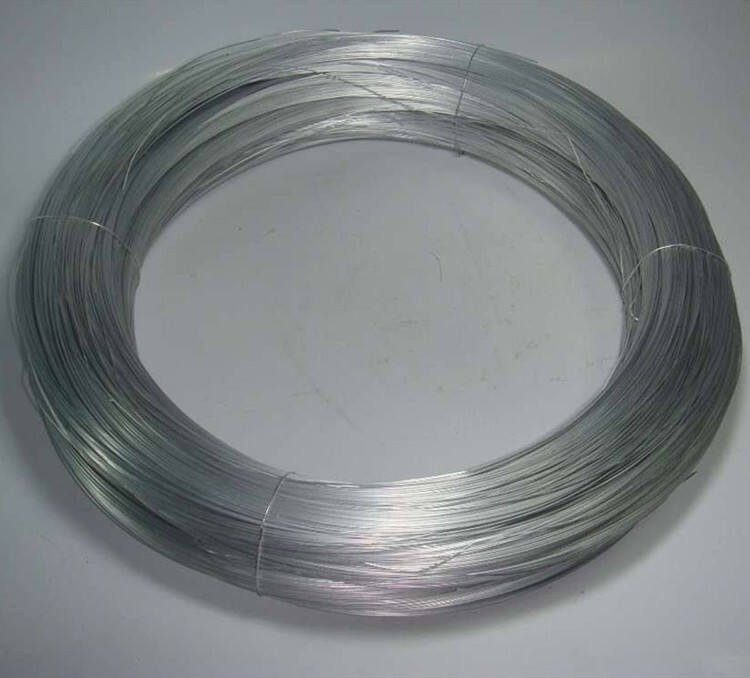
Industrial heat exchangers face constant attack from corrosive fluids, seawater, chemical streams, and aggressive thermal cycling. A titanium coil provides protection against these threats by forming a passive oxide layer that shields the underlying metal from degradation. This protective characteristic extends the operational lifespan of heat exchanger systems significantly, reducing maintenance costs and unplanned downtime. The titanium coil's ability to perform reliably in harsh environments makes it the preferred material specification for critical applications across chemical processing, marine engineering, power generation, and pharmaceutical manufacturing.
Superior Corrosion Resistance and Durability
Why Corrosion Protection Matters in Heat Exchangers
Corrosion represents the primary failure mechanism in traditional heat exchanger designs. A titanium coil resists attack from chlorides, sulfides, acids, and alkalis that would rapidly degrade copper, steel, or aluminum alternatives. The titanium coil's passive oxide layer regenerates automatically when scratched or damaged, providing self-healing protection that conventional materials cannot match. In marine and offshore applications, where saltwater exposure is constant, a titanium coil eliminates the risk of pitting corrosion that forces frequent tube replacements and system shutdowns.
The financial impact of choosing a titanium coil becomes evident when comparing total cost of ownership over a heat exchanger system's lifetime. While the initial material cost for a titanium coil exceeds that of copper or steel tubes, the elimination of corrosion-related failures delivers substantial savings. Facilities using titanium coils report maintenance intervals extending from three to five years compared to annual or semi-annual replacements required for less corrosion-resistant materials. A titanium coil investment protects operational continuity and preserves capital budget allocation for other critical infrastructure improvements.
Extended Service Life and Performance Stability
Heat exchanger tubes operate under continuous thermal stress and chemical exposure that gradually degrades most materials. A titanium coil maintains structural integrity and thermal conductivity throughout its operational life, typically lasting twenty to thirty years in demanding industrial environments. This longevity makes the titanium coil particularly valuable for applications where replacement costs include system decommissioning, environmental remediation, and process recalibration. The predictable, stable performance of a titanium coil enables process engineers to maintain consistent heat transfer efficiency and reliable temperature control.
Exceptional Thermal Performance and Efficiency
Heat Transfer Capabilities of Titanium Coils
Thermal efficiency directly impacts energy consumption and operational cost in heat exchanger applications. A titanium coil delivers superior heat transfer performance because titanium offers excellent thermal conductivity combined with the ability to operate at higher temperature differentials. The titanium coil's strength allows thinner wall construction compared to steel alternatives, which reduces material mass while increasing the surface area available for thermal exchange. This optimization makes the titanium coil ideal for applications requiring compact, lightweight heat exchanger designs without sacrificing thermal capacity.
Energy efficiency gains from upgrading to a titanium coil can reduce operating expenses by fifteen to twenty percent in energy-intensive industries. A titanium coil enables faster thermal response, allowing process control systems to reach target temperatures more quickly and maintain tighter temperature tolerances. In applications like pharmaceutical manufacturing, food processing, and semiconductor fabrication, where temperature precision is critical, a titanium coil prevents product losses and ensures consistent quality output. The improved heat transfer efficiency of a titanium coil justifies upgrade investments through documented energy savings and enhanced process reliability.
Scalability and Design Flexibility
Modern heat exchanger designs require materials that accommodate diverse configuration requirements and operational scenarios. A titanium coil can be manufactured in various diameters, wall thicknesses, and lengths to match specific system requirements. Fabricators can produce spiral coils, helical configurations, or plate-frame designs using titanium coil tubing, enabling engineers to optimize heat transfer geometry for particular applications. The material properties of a titanium coil remain consistent across different manufacturing processes, ensuring predictable performance regardless of coil configuration or installation method.
Facility expansion and system upgrades often require retrofitting existing heat exchangers with higher-capacity tubes. A titanium coil provides the flexibility to increase thermal output without complete system replacement. The lightweight nature of titanium compared to steel means a titanium coil retrofit requires minimal structural reinforcement, reducing installation costs and timeline. This adaptability makes the titanium coil an attractive choice for aging facilities seeking to expand capacity while managing capital constraints.
Industrial Application Advantages and Strategic Value
Critical Sector Applications for Titanium Coils
Chemical and petrochemical industries depend on heat exchangers for separating, concentrating, and temperature-controlling reactive streams. A titanium coil handles aggressive chemicals that would corrode standard materials, enabling processes that would be impossible with alternative tube materials. Desalination plants use titanium coil heat exchangers to recover thermal energy while resisting the corrosive effects of concentrated seawater and mineral deposits. Nuclear power facilities specify titanium coils for safety-critical applications requiring absolute reliability and resistance to radiation-induced embrittlement.
Pharmaceutical and biotechnology manufacturers select titanium coil systems because regulatory requirements demand materials that cannot leach contaminants or degrade under sterilization cycles. A titanium coil maintains integrity through repeated steam sterilization, chemical sanitation, and CIP (clean-in-place) processes without material degradation or oxide shedding. The inert nature of a titanium coil prevents product contamination and enables facilities to maintain the purity standards essential for active pharmaceutical ingredient production and vaccine manufacturing.
Cost-Benefit Analysis and Lifecycle Economics
Procurement decisions for industrial heat exchangers typically focus on purchase price rather than total cost of ownership. A titanium coil's premium initial cost is offset by elimination of replacement expenses, labor, and downtime losses. Facilities report that upgrading to titanium coil systems reduces annual maintenance budgets by thirty to fifty percent compared to conventional materials. When downtime costs are factored into the analysis, the financial advantage of a titanium coil becomes overwhelming, often justifying replacement of functioning systems that experience frequent maintenance issues.
FAQ
What makes a titanium coil more corrosion-resistant than steel or copper alternatives?
A titanium coil forms a self-regenerating passive oxide layer that protects against chemical attack from chlorides, acids, and seawater. Unlike steel, which requires protective coatings that degrade over time, a titanium coil's corrosion resistance is inherent to the material itself. The titanium coil automatically repairs microscopic damage to this protective layer, ensuring continuous protection throughout its operational life. Steel and copper lack this self-healing property, making them vulnerable to pitting corrosion and stress-corrosion cracking that shortens service life significantly.
How does a titanium coil improve heat exchanger efficiency compared to traditional materials?
A titanium coil enables thinner-wall tube construction while maintaining structural strength, increasing the heat transfer surface area within the same envelope size. The thermal conductivity of titanium combined with lower fouling tendency means a titanium coil maintains efficiency longer without performance degradation from deposits or scaling. A titanium coil systems deliver higher heat transfer coefficients and operate at wider temperature differentials, reducing energy requirements for achieving target process temperatures. These efficiency gains compound over decades of operation, generating substantial energy savings that offset the higher material cost of titanium coils.
Are titanium coils cost-effective for applications beyond marine and chemical processing?
While marine and chemical applications traditionally justify titanium coil investment, pharmaceutical manufacturing, food processing, and power generation increasingly specify titanium coils. A titanium coil prevents product contamination in pharmaceutical applications where trace metal leaching is unacceptable. Food processors use titanium coils to eliminate metal taste and discoloration from heat exchanger operation. Power facilities upgrade to titanium coils to extend maintenance intervals and improve overall equipment effectiveness metrics. The lifecycle cost advantage of a titanium coil justifies adoption in any application where reliability, efficiency, and reduced maintenance are strategic priorities.