 EN
EN


Fluid system reliability stands as a critical concern for industries ranging from chemical processing to aerospace manufacturing. When equipment fails unexpectedly, the consequences ripple through production schedules, safety protocols, and bottom-line profitability. One material solution that has gained significant traction in recent decades is the titanium pipe—a specialized component engineered to address the most demanding fluid transport challenges. But can titanium pipe truly improve fluid system reliability, or is it merely an expensive alternative to conventional materials? The answer lies in understanding how titanium pipe performs under extreme conditions, resists corrosion mechanisms that compromise traditional pipes, and maintains structural integrity across temperature fluctuations and chemical exposures.
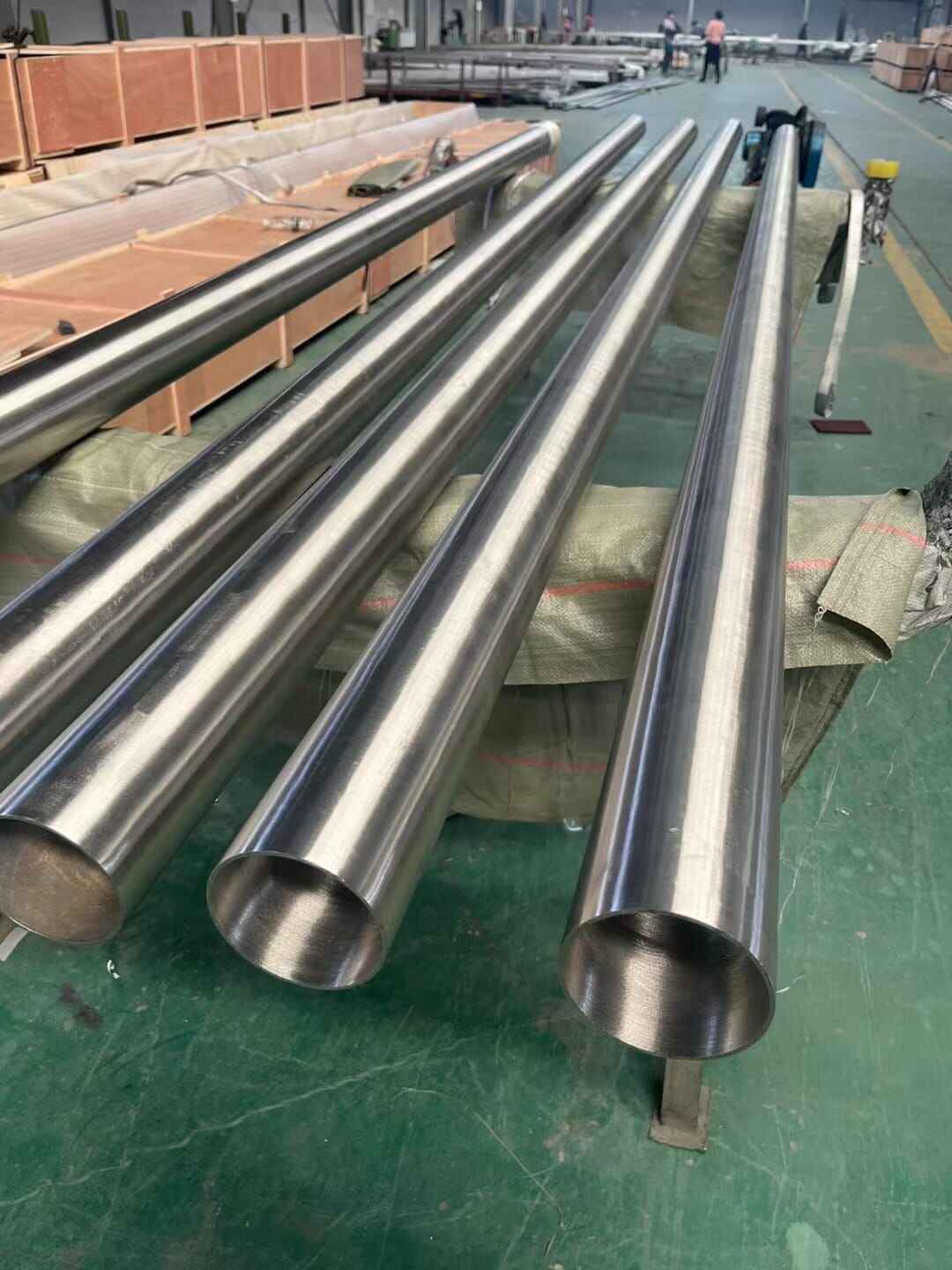
The shift toward titanium pipe adoption reflects a fundamental change in how industries evaluate long-term system performance. Rather than replacing components every few years due to corrosion failure, leaks, or material degradation, operators discover that titanium pipe delivers decades of dependable service. This extended lifespan translates directly into reduced maintenance downtime, lower replacement costs, and improved operational safety. Whether processing seawater in desalination plants, handling aggressive chemicals in petrochemical facilities, or maintaining biocompatibility in medical device systems, titanium pipe has demonstrated measurable advantages over carbon steel, stainless steel, and other conventional piping materials.
Why Titanium Pipe Outperforms Conventional Piping Materials
Superior Corrosion Resistance Properties
Corrosion represents the primary threat to fluid system reliability across most industrial sectors. When pipes corrode internally, they weaken structurally, form pinhole leaks, and eventually rupture—often with little warning. The titanium pipe advantage begins with its innate resistance to corrosion mechanisms. Unlike carbon steel, which rusts readily in moist environments, or even stainless steel, which can suffer pitting corrosion in chloride-rich conditions, titanium pipe forms a self-healing oxide layer that prevents corrosive attack. This oxide layer rebuilds itself automatically whenever the titanium pipe surface experiences minor damage, creating a barrier that actively protects the underlying material from seawater, industrial acids, and caustic alkaline fluids.
The chemical stability of titanium pipe makes it particularly valuable in marine and offshore applications where seawater constantly assaults pipe systems. Chloride ions—the primary corrosion driver in saltwater environments—penetrate the defenses of conventional stainless steel pipes and initiate pitting corrosion. A titanium pipe, by contrast, remains essentially immune to chloride attack even after years of continuous seawater exposure. This single characteristic transforms maintenance economics: facilities using titanium pipe can extend inspection intervals, reduce emergency repairs triggered by unexpected failures, and maintain system pressure integrity with minimal degradation.
Strength-to-Weight Advantages and Structural Reliability
Titanium pipe delivers exceptional strength while weighing significantly less than steel alternatives of comparable diameter. This combination of properties directly enhances fluid system reliability by reducing mechanical stress on supporting infrastructure, minimizing vibration-induced fatigue, and enabling designers to specify smaller cross-sections without sacrificing pressure rating. When a titanium pipe carries process fluid under high pressure, the material's superior yield strength distributes stress more evenly across the pipe wall, reducing the risk of stress-corrosion cracking that can compromise conventional pipes over time.
The lightweight nature of titanium pipe also simplifies installation and retrofitting in existing systems. Technicians can handle and position titanium pipe more easily than heavier steel alternatives, reducing installation errors and improving connection integrity. For aerospace and aviation applications, where fuel system reliability determines operational safety, the titanium pipe has become the standard choice precisely because its strength-to-weight ratio allows designers to build lighter, more efficient systems without compromising reliability or safety margins.
How Titanium Pipe Enhances System Longevity and Operational Continuity
Extended Service Life and Predictable Performance
Titanium pipe systems consistently deliver 20 to 40 years of reliable service under conditions that would degrade conventional materials within 5 to 10 years. This extended operational lifespan reflects the fundamental properties of titanium: dimensional stability across wide temperature ranges, resistance to fatigue crack initiation, and immunity to common corrosion mechanisms. A facility installing titanium pipe for a critical fluid transport application can reasonably expect to operate the system through multiple production cycles or decades of continuous use without requiring major component replacement. This predictability enables better capital planning and reduces the risk of unscheduled downtime that traditional materials cannot provide.
The reliability profile of titanium pipe particularly benefits systems operating in harsh environments where temperature swings, chemical exposure, or high pressure create a hostile operating envelope. Unlike carbon steel or standard stainless steel, which experience material property degradation when exposed to extreme conditions, titanium pipe maintains its mechanical characteristics across the full operating temperature range. This consistency means that engineers can design systems with confidence, knowing that the titanium pipe will perform reliably from day one through the end of its operational life, without unexpected brittleness, embrittlement, or strength loss.
Reduced Maintenance Burden and System Downtime
Conventional pipe systems demand routine inspection, periodic cleaning to remove internal corrosion products, and preventive replacement of sections showing early degradation signs. These maintenance activities require system shutdown, create production delays, and consume significant labor resources. By contrast, titanium pipe requires minimal maintenance intervention. The corrosion-resistant oxide layer eliminates internal fouling, prevents scale buildup, and eliminates the need for frequent descaling or chemical cleaning cycles. Inspection intervals can be extended dramatically, and when inspections do occur, technicians typically find that the titanium pipe interior remains clean and unchanged compared to baseline conditions.
This reduced maintenance requirement transforms the economics of long-term system operation. Facilities avoid the cumulative cost of repeated shutdowns, inspection labor, replacement components, and system recommissioning. For continuous-process industries like petrochemical refining, pharmaceutical manufacturing, or food processing, the ability to operate fluid systems with minimal planned downtime using titanium pipe directly improves production efficiency and profitability. The operational reliability advantage compounds over time as conventional pipe systems accumulate maintenance burden while titanium pipe systems maintain their performance baseline.
Titanium Pipe Applications Across Critical Industrial Sectors
High-Temperature and Pressure Process Systems
In petrochemical refineries, heat exchangers, and reactor systems handling extremely high temperatures and pressures, titanium pipe proves indispensable for maintaining system reliability. These applications expose piping to simultaneous thermal stress, pressure cycling, and chemical aggression—a combination that rapidly degrades conventional materials. Titanium pipe withstands these combined stresses, maintaining dimensional accuracy and material strength even when process temperatures exceed 600 degrees Celsius or pressures reach several hundred bar. The absence of corrosion-related failure modes in titanium pipe means that engineers can operate these systems at design parameters without derate or over-design margins, optimizing efficiency while maintaining safety.
Pharmaceutical and biotech manufacturing also relies heavily on titanium pipe for product integrity and system reliability. When processing sensitive compounds that cannot tolerate metal ion contamination from leaching pipe materials, titanium pipe's biocompatibility and chemically inert properties become essential. The titanium pipe's resistance to corrosion ensures that manufacturing systems can operate at strict purity standards while avoiding the product losses and regulatory compliance issues associated with traditional piping materials that contaminate process fluids.
Marine, Desalination, and Water Treatment Applications
Seawater environments present one of the most severe corrosion challenges in industrial fluid systems. Conventional stainless steel and copper-nickel alloys suffer significant corrosion damage when continuously exposed to chloride-laden seawater, leading to frequent replacements and high maintenance costs. Titanium pipe, by contrast, has proven completely resistant to seawater corrosion across decades of service in desalination plants, offshore drilling platforms, and coastal power generation facilities. This corrosion immunity of titanium pipe fundamentally changes the economics and reliability profile of these systems, enabling facilities to operate with minimal inspection and maintenance while confidently projecting decades of service life.
The titanium pipe advantage extends to water treatment and wastewater systems where corrosive conditions, microbial attack, and chemical additives create an aggressive operating environment. Conventional carbon steel or even upgraded stainless steel pipes degrade predictably under these conditions, but titanium pipe maintains its integrity indefinitely, reducing operational risk and simplifying treatment process chemistry by eliminating concerns about metal ion leaching from pipe corrosion.
FAQ
What makes titanium pipe more reliable than steel pipes in corrosive environments?
Titanium pipe forms a self-healing oxide layer that prevents corrosive fluids from attacking the underlying material. Unlike steel pipes, which corrode progressively when exposed to seawater, chlorides, or aggressive chemicals, the protective oxide on titanium pipe continuously regenerates itself, creating essentially permanent corrosion resistance. This fundamental difference means titanium pipe maintains its structural integrity indefinitely in environments where conventional pipes would fail within years.
How does titanium pipe reduce maintenance costs despite higher initial material expense?
While titanium pipe costs more upfront than steel alternatives, the extended service life and minimal maintenance requirements typically deliver lower total cost of ownership. A titanium pipe system requiring virtually no inspection, cleaning, or replacement over 25 to 40 years generates substantially lower cumulative maintenance expenses than conventional pipe systems that need periodic replacement, chemical treatment, and preventive interventions. For critical applications where downtime costs are significant, the reliability advantage of titanium pipe often justifies the initial material investment within five to ten years of operation.
Can titanium pipe be used in all fluid system applications?
Titanium pipe performs exceptionally well in most demanding industrial applications, particularly those involving corrosive fluids, high temperatures, or critical reliability requirements. However, titanium pipe is not necessary for every piping application. Simple water delivery systems, low-pressure processes in non-corrosive environments, or temporary installations may not justify titanium pipe's cost premium. Engineers should evaluate each application based on fluid chemistry, operating temperature, pressure requirements, expected service life, and the consequences of system failure to determine whether titanium pipe provides the optimal balance of performance and economics.