 EN
EN
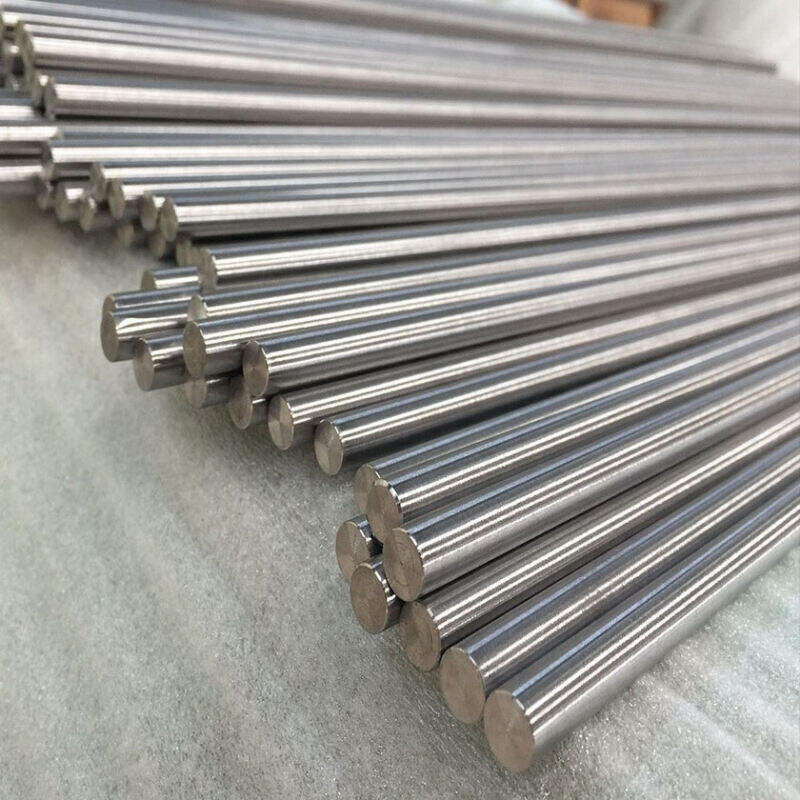
If you manufacture medical devices, you have been told to use Gr23 ELI instead of standard Gr5. Both are Ti-6Al-4V, same aluminum, same vanadium. What makes Gr23 medical-grade? The answer: ELI, Extra Low Interstitial. Gr23 limits oxygen to 0.13% max versus 0.20% for standard Gr5. Iron is limited to 0.25% versus 0.40%. This tighter chemistry improves fracture toughness by approximately 35% and significantly enhances fatigue resistance, critical for implants surviving decades of cyclic loading. Mechanical properties: Gr5 tensile 895 MPa, Gr23 ELI tensile 828 MPa. Gr23 sacrifices about 8% in strength but gains far superior fracture toughness (75 vs 55 MPaVm) and fatigue strength (~620 vs ~500 MPa). For a hip stem, you need the material to not crack after 20 years. Regulatory requirements: ASTM F136 or ISO 5832-3 is mandatory for surgical implants. ASTM B348 Gr5 is not acceptable for implant applications. When to use Gr23: permanent implants including hips, knees, spinal, dental, bone plates, trauma fixation. Standard Gr5 acceptable for surgical instruments and external fixators only. Ylasting Titanium manufactures Gr23 ELI bar and rod to ASTM F136 with EN 10204 3.1 certificates. Contact us for medical titanium requirements.

