 EN
EN


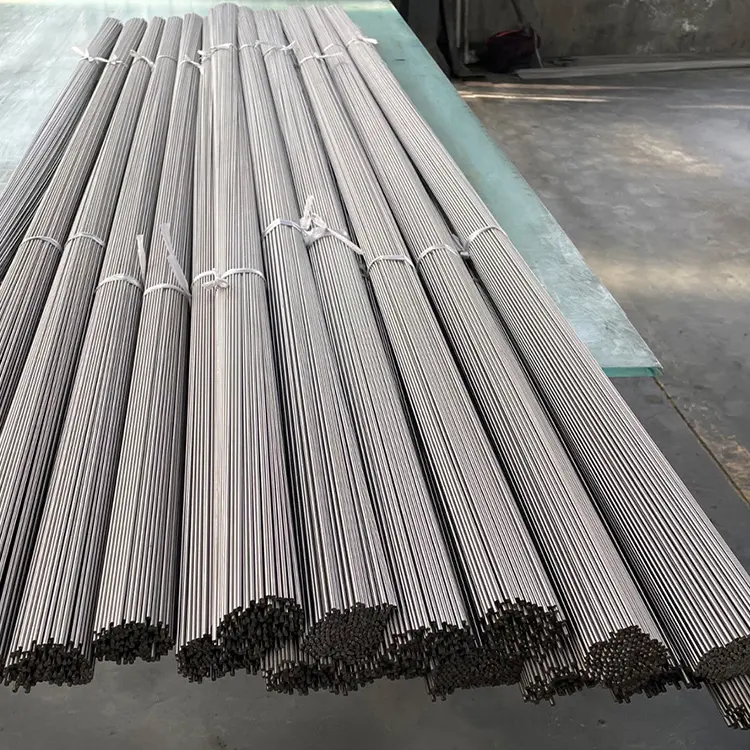
The Superior Properties of Titanium Round Bars in Modern Engineering
In the evolving landscape of engineering and manufacturing, titanium round bars have emerged as a cornerstone material that consistently exceeds performance expectations. These sophisticated metal components combine exceptional strength, remarkable corrosion resistance, and an impressive strength-to-weight ratio that makes them indispensable across various high-demanding industries. From aerospace components to chemical processing equipment, titanium round bars are revolutionizing how engineers approach material selection for critical applications.
The growing adoption of titanium round bars reflects a deeper understanding of their unique capabilities and the increasing need for materials that can withstand extreme conditions while maintaining structural integrity. As industries push the boundaries of what's possible in terms of performance and durability, these versatile components continue to prove their worth in ways that traditional materials simply cannot match.
Essential Characteristics That Define Titanium Round Bar Performance
Unmatched Strength-to-Weight Advantages
One of the most compelling attributes of titanium round bars is their exceptional strength-to-weight ratio. This characteristic makes them particularly valuable in aerospace applications where every gram matters. The material delivers the structural integrity of steel at roughly half the weight, enabling aircraft manufacturers to create lighter yet equally robust components. This weight reduction translates directly into fuel efficiency and improved aircraft performance.
The superior strength properties of titanium round bars don't just benefit aerospace applications. Industrial equipment manufacturers also leverage these characteristics to create machinery components that can handle heavy loads while maintaining a lighter overall structure. This balance of strength and weight continues to drive innovation in equipment design across multiple sectors.
Superior Corrosion Resistance Properties
When exposed to oxygen, titanium round bars form a natural oxide layer that provides exceptional protection against corrosion. This self-healing protective film makes them ideal for use in aggressive environments where other metals would quickly deteriorate. Chemical processing plants, offshore oil rigs, and marine applications particularly benefit from this inherent corrosion resistance.
The corrosion-resistant nature of titanium round bars also translates into reduced maintenance requirements and extended service life. This characteristic makes them a cost-effective choice despite their higher initial investment, as they require fewer replacements and minimize operational disruptions due to maintenance.
Industrial Applications and Performance Benefits
Aerospace Engineering Excellence
In the aerospace sector, titanium round bars play a crucial role in manufacturing critical components such as landing gear, engine parts, and structural elements. The material's ability to maintain its properties under extreme temperature variations and high-stress conditions makes it invaluable for aircraft construction. The aerospace industry's stringent safety standards and performance requirements are well-met by the consistent quality and reliability of titanium round bars.
Modern aircraft designs increasingly rely on titanium round bars for their ability to integrate seamlessly with composite materials, another crucial aspect of contemporary aerospace engineering. This compatibility helps create structures that optimize both weight and strength, contributing to the overall efficiency of aircraft design.
Chemical Processing Industry Solutions
Chemical processing facilities face unique challenges in terms of material selection due to exposure to aggressive chemicals and varying temperature conditions. Titanium round bars excel in these environments, providing reliable performance in reactors, heat exchangers, and pumping systems. Their resistance to chemical attack and ability to maintain structural integrity under harsh conditions make them an optimal choice for critical components in chemical processing equipment.
The use of titanium round bars in chemical processing applications also contributes to improved safety standards and reduced environmental risks. Their resistance to degradation helps prevent leaks and equipment failures that could lead to hazardous situations or environmental contamination.
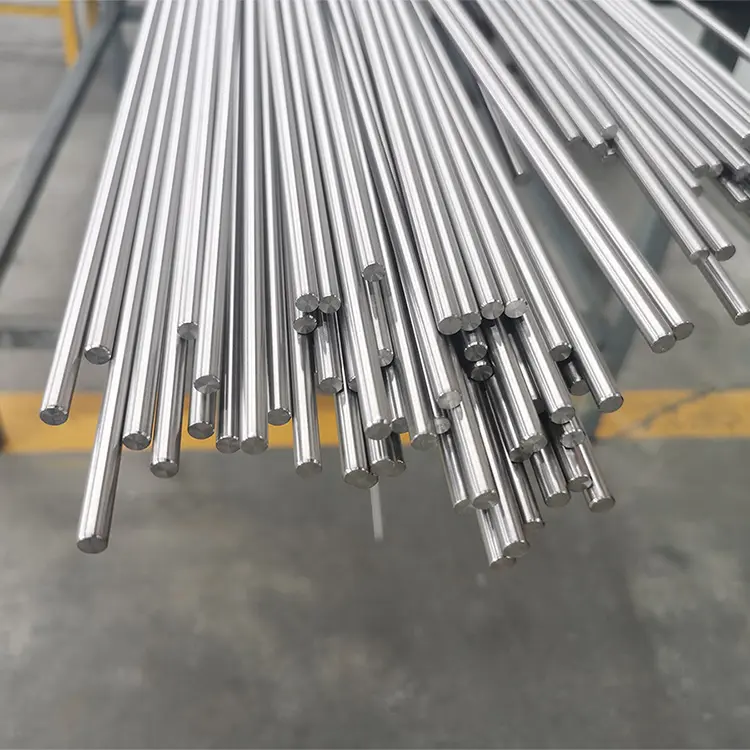
Manufacturing Considerations and Quality Standards
Precision Manufacturing Processes
The production of titanium round bars requires sophisticated manufacturing processes to ensure consistent quality and performance. Advanced techniques such as vacuum arc remelting and precision machining are employed to achieve the tight tolerances and superior surface finish required for high-performance applications. These manufacturing processes are crucial in maintaining the material's inherent properties while ensuring dimensional accuracy.
Quality control measures throughout the manufacturing process include rigorous testing for chemical composition, mechanical properties, and microstructure analysis. These steps ensure that every titanium round bar meets or exceeds industry standards and specific application requirements.
Material Grade Selection and Optimization
Different applications require specific grades of titanium round bars, each optimized for particular performance characteristics. Understanding these grade variations and their appropriate applications is crucial for engineers and designers. The selection process considers factors such as operating temperature, stress levels, and environmental conditions to ensure optimal performance in the intended application.
Manufacturers work closely with engineers to select the most appropriate grade of titanium round bars for specific applications, considering both technical requirements and economic factors. This collaborative approach helps optimize material usage and ensures the best possible performance outcomes.
Future Trends and Innovations
Advanced Processing Technologies
The future of titanium round bar manufacturing is being shaped by emerging technologies such as additive manufacturing and advanced surface treatment processes. These innovations promise to expand the material's capabilities while potentially reducing production costs. Research continues into new processing methods that could enhance the material's properties even further.
Industry experts are also exploring hybrid manufacturing techniques that combine traditional and innovative processes to create titanium round bars with customized properties for specific applications. These developments could lead to new possibilities in material performance and application range.
Sustainable Manufacturing Practices
As environmental considerations become increasingly important, manufacturers are developing more sustainable processes for producing titanium round bars. This includes improved recycling methods, energy-efficient manufacturing processes, and reduced waste production. The industry's focus on sustainability is driving innovation in both production methods and application techniques.
The development of cleaner production processes and the material's long service life contribute to the overall environmental benefits of choosing titanium round bars for industrial applications. These sustainability aspects are becoming increasingly important in material selection decisions.
Frequently Asked Questions
What makes titanium round bars superior to other metal alternatives?
Titanium round bars offer an exceptional combination of high strength-to-weight ratio, superior corrosion resistance, and excellent temperature performance. These properties, combined with their long service life and minimal maintenance requirements, make them superior to many traditional metal alternatives in demanding applications.
How do temperature variations affect titanium round bar performance?
Titanium round bars maintain their mechanical properties across a wide temperature range, from cryogenic to elevated temperatures. They exhibit excellent thermal stability and resist degradation under temperature cycling, making them ideal for applications with varying temperature conditions.
What are the key considerations for maintaining titanium round bars in industrial applications?
While titanium round bars require minimal maintenance due to their corrosion resistance, regular inspection for surface integrity, proper handling to prevent contamination, and following manufacturer-recommended cleaning procedures can help ensure optimal performance and longevity. It's also important to avoid contact with certain chemicals that might affect the protective oxide layer.