 EN
EN


El metal titanio se ha convertido en uno de los materiales de ingeniería más transformadores en la fabricación moderna y en la industria aeroespacial. La combinación única de propiedades que caracteriza al titanio lo hace indispensable para aplicaciones en las que los materiales convencionales resultan insuficientes. Desde componentes aeroespaciales hasta implantes médicos, el titanio sigue ampliando los límites de lo que los ingenieros pueden lograr. Comprender por qué el titanio tiene un valor tan elevado y una adopción tan generalizada requiere analizar sus características distintivas y el impacto real que genera en múltiples industrias.
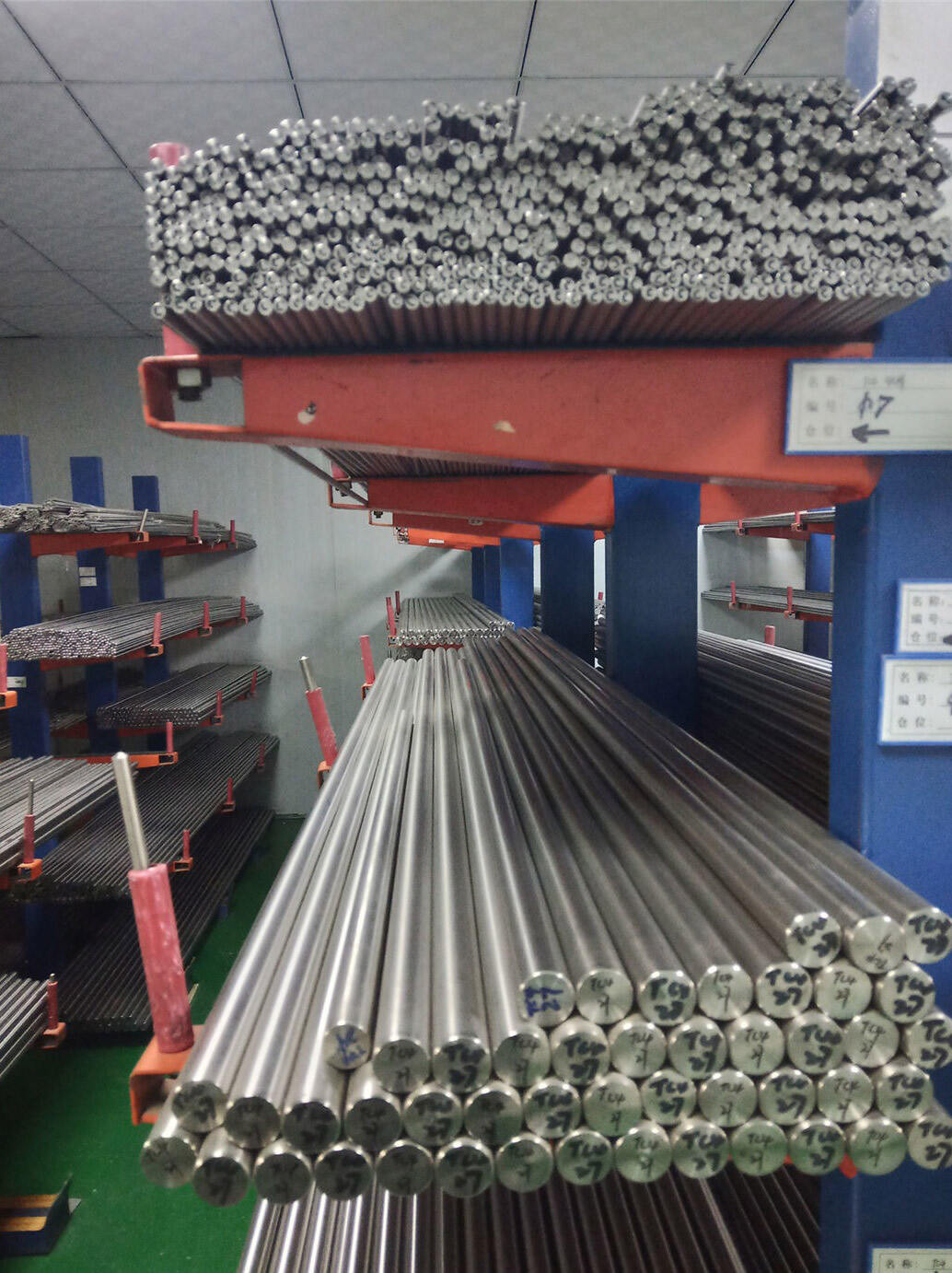
La designación del metal titanio como un material centrado en el futuro se deriva de su capacidad para resolver desafíos de ingeniería persistentes que han limitado la innovación durante décadas. Las industrias que buscan mejorar el rendimiento, reducir el peso y prolongar la vida útil de los componentes recurren constantemente al metal titanio como la solución óptima. Este artículo explora las razones fundamentales por las que el metal titanio representa un material clave para impulsar la tecnología, la sostenibilidad y la capacidad industrial en las próximas décadas.
Rendimiento excepcional de resistencia frente a peso del metal titanio
Durabilidad excepcional con peso mínimo
El metal titanio ofrece una resistencia comparable a la del acero, pero pesa aproximadamente un 45 % menos, una ventaja fundamental que transforma las posibilidades de diseño en múltiples industrias. La relación resistencia-peso del titanio genera beneficios inmediatos en el sector aeroespacial, donde cada kilogramo reducido se traduce en mayor eficiencia energética y mayor capacidad de carga útil. Los fabricantes de aeronaves han integrado extensamente componentes de titanio, reconociendo que este material permite estructuras que son, al mismo tiempo, más resistentes y más ligeras que las alternativas tradicionales. Esta característica de rendimiento del titanio afecta directamente los costos operativos y la huella ambiental.
Capacidad de soporte de carga en condiciones extremas
El metal titanio mantiene su resistencia en rangos extremos de temperatura, desde entornos criogénicos en aplicaciones espaciales hasta procesos industriales de alta temperatura. La integridad estructural del metal titanio permanece estable incluso cuando los metales convencionales perderían resistencia o fallarían de forma catastrófica. Los motores de turbina de gas en aeronaves a reacción dependen de componentes de metal titanio que operan a temperaturas en las que el aluminio y el acero convencional se vuelven poco fiables. Esta resistencia térmica del metal titanio amplía el rango operativo de los equipos industriales y los sistemas de propulsión.
Resistencia a la corrosión incomparable del metal titanio
Rendimiento en entornos químicos agresivos
El titanio forma naturalmente una capa protectora de óxido que resiste la corrosión en agua de mar, ácidos y soluciones químicas agresivas, donde el acero y el aluminio se corroen rápidamente. La resistencia a la corrosión del titanio lo convierte en el material preferido para plataformas de perforación offshore, infraestructura marina y equipos de procesamiento químico. A diferencia del acero inoxidable, que requiere recubrimientos protectores y mantenimiento regular, el titanio ofrece durabilidad inherente que reduce significativamente los costos durante todo el ciclo de vida. Las plantas químicas que procesan medios agresivos especifican cada vez más titanio para minimizar tiempos de inactividad y ciclos de reemplazo.
Fiabilidad a largo plazo en aplicaciones marinas
Los componentes metálicos de titanio empleados en entornos de agua de mar conservan su integridad durante décadas sin sufrir corrosión galvánica ni picaduras, problemas que afectan a materiales alternativos en entornos marinos. La biocompatibilidad y la resistencia a la corrosión del metal de titanio lo convierten en una opción ideal para equipos de aguas profundas, submarinos e instalaciones offshore de energías renovables. Las plantas desaladoras que procesan agua salada dependen de intercambiadores de calor y sistemas de tuberías de metal de titanio para funcionar de forma fiable, evitando los fallos por corrosión frecuentes con aleaciones de cobre o aceros inoxidables ferríticos. Esta longevidad excepcional del metal de titanio se traduce en una menor frecuencia de sustitución y un menor costo total de propiedad.
Biocompatibilidad e innovación médica con metal de titanio
Impacto revolucionario en implantes quirúrgicos y prótesis
El metal titanio ha revolucionado la cirugía ortopédica y dental al proporcionar implantes que se integran perfectamente con el tejido óseo sin desencadenar respuestas de rechazo. La biocompatibilidad del metal titanio permite a los pacientes recibir prótesis articulares, implantes dentales y dispositivos espinales con confianza en su estabilidad y funcionalidad a largo plazo. Los profesionales médicos eligen el metal titanio porque sus propiedades superficiales favorecen la fijación ósea directa, eliminando la necesidad de compuestos adhesivos que incrementan las complicaciones. Esta compatibilidad biológica del metal titanio ha transformado millones de vidas mediante una mayor movilidad y una mejor calidad de vida.
Desarrollo avanzado de dispositivos médicos
Los dispositivos cardiovasculares, las carcasas de marcapasos y los instrumentos quirúrgicos incorporan cada vez más titanio debido a su biocompatibilidad y resistencia a la esterilización. Las propiedades no tóxicas del titanio amplían su utilidad a dispositivos implantables que permanecen en contacto con tejido vivo durante años o décadas. Los protocolos hospitalarios de esterilización, incluidos el autoclave y la desinfección química, no comprometen la integridad de los dispositivos de titanio. Esta fiabilidad del titanio en aplicaciones médicas sigue expandiéndose a medida que avanzan las técnicas quirúrgicas y evoluciona la tecnología protésica.
Implicaciones energéticas y de sostenibilidad del titanio
Reducción de peso como impulsora de la eficiencia energética
Las aeronaves y los vehículos aeroespaciales que incorporan componentes de metal titanio logran importantes ahorros de combustible gracias a la reducción de peso, lo que disminuye directamente las emisiones operativas y el impacto ambiental. Los ahorros energéticos derivados de las estructuras ligeras de metal titanio se acumulan a lo largo de miles de horas de vuelo, contribuyendo de forma cuantificable a los objetivos de sostenibilidad en toda la industria aeronáutica. Los fabricantes de turbinas eólicas han adoptado el metal titanio en componentes sometidos a altas tensiones para permitir diseños de rotores más grandes sin superar los límites de peso, ampliando así la capacidad de energía renovable. Este beneficio ambiental del metal titanio está alineado con los objetivos globales de descarbonización.
Potencial de reciclaje y recuperación de materiales
El metal titanio mantiene sus propiedades a lo largo de múltiples ciclos de reciclaje, apoyando los principios de la economía circular y reduciendo la dependencia de la extracción de mineral virgen. Los fabricantes aeroespaciales y los productores de dispositivos médicos han establecido programas de recuperación de desechos de metal titanio que reclaman material de alto valor para su reprocesamiento. La reciclabilidad del metal titanio aborda preocupaciones ambientales al tiempo que genera incentivos económicos para una gestión responsable de los materiales. A medida que las industrias priorizan la sostenibilidad, la naturaleza reutilizable del metal titanio refuerza su posición como una opción de ingeniería orientada al futuro.
Preguntas frecuentes
¿Qué hace que el metal titanio sea superior al acero inoxidable en la mayoría de las aplicaciones?
El metal titanio combina una resistencia a la corrosión superior con una relación resistencia-peso aproximadamente un 50 % mejor que la del acero inoxidable, lo que permite diseños más ligeros y duraderos. Mientras que el acero inoxidable se corroe en ciertos entornos y requiere recubrimientos protectores, el metal titanio ofrece resistencia inherente al agua de mar, a los ácidos y a altas temperaturas. La ventaja de biocompatibilidad del titanio también lo convierte en un material esencial para aplicaciones médicas, donde el acero inoxidable provoca reacciones adversas en algunos pacientes.
¿Por qué es el metal titanio más caro que los materiales alternativos?
La producción de metal titanio requiere procesos especializados de extracción y costos de procesamiento superiores a los de los metales convencionales, lo que refleja la complejidad de trabajar con este material. El rendimiento superior y la mayor duración del metal titanio justifican su costo premium mediante una reducción del mantenimiento, menos sustituciones y una mayor eficiencia operativa. A lo largo del ciclo de vida completo de un componente, el metal titanio suele resultar más económico que alternativas más baratas que requieren sustitución frecuente o generan costos ocultos por corrosión y fallos.
¿Qué industrias se benefician más al adoptar el metal titanio?
Los sectores aeroespacial, de operaciones submarinas profundas, de procesamiento químico, de dispositivos médicos y de generación de energía obtienen las ventajas más significativas de las propiedades únicas del titanio. Estos sectores operan en condiciones en las que los materiales alternativos fallan prematuramente, lo que convierte al titanio en la única opción práctica para garantizar fiabilidad y seguridad. Las aplicaciones emergentes en energías renovables, vehículos eléctricos (EV) y fabricación avanzada siguen ampliando la importancia estratégica del titanio en diversos sectores industriales.