 EN
EN


Los entornos de procesamiento químico exigen equipos capaces de resistir condiciones extremas, medios agresivos y ciclos operativos exigentes. La selección de materiales para intercambiadores de calor, condensadores y sistemas de refrigeración afecta directamente la fiabilidad de la producción, los costos de mantenimiento y la durabilidad de las instalaciones. La bobina de titanio se ha convertido en el estándar industrial para aplicaciones que requieren un rendimiento superior en entornos químicos corrosivos, donde los materiales convencionales fallan y el tiempo de inactividad operativa resulta prohibitivamente costoso.
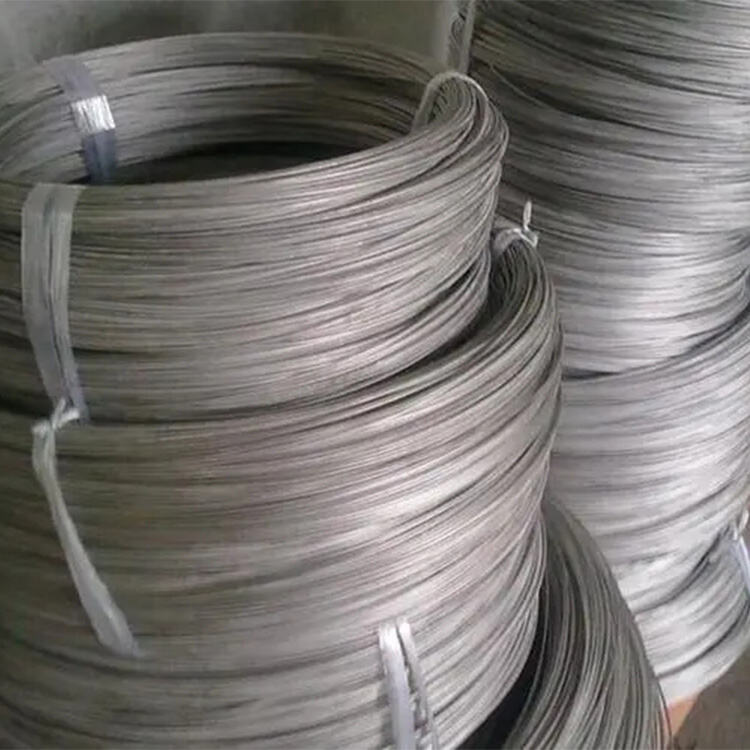
La creciente demanda de soluciones fiables de bobinas de titanio refleja un cambio fundamental en la forma en que los procesadores químicos priorizan las inversiones en equipos. En lugar de reemplazar repetidamente componentes averiados, las instalaciones adoptan desde el principio la tecnología de bobinas de titanio para eliminar fallos por corrosión, prolongar los intervalos de mantenimiento y optimizar los programas de producción. Comprender por qué las bobinas de titanio lideran este mercado requiere examinar sus propiedades materiales, sus ventajas prácticas y su rendimiento real en diversos escenarios de procesamiento químico.
Resistencia a la corrosión superior y propiedades materiales
Protección inigualable contra ataques químicos
La bobina de titanio ofrece una resistencia excepcional a los cloruros, ácidos oxidantes y medios corrosivos mixtos que degradan rápidamente alternativas convencionales de cobre-níquel o acero inoxidable. La capa pasiva de óxido que se forma de forma natural sobre las superficies de titanio proporciona una protección autorreparable, lo que significa que arañazos menores o daños localizados se reparan espontáneamente mediante repasivación. Esta propiedad intrínseca hace que la bobina de titanio sea ideal para manejar salmueras de desalinización, desinfectantes a base de cloro, corrientes de ácido sulfúrico y soluciones de hipoclorito, donde la degradación del material representa un riesgo tanto para la seguridad como para la economía.
Estabilidad térmica y durabilidad a largo plazo
A diferencia de muchas aleaciones especiales que se degradan bajo ciclos térmicos o exposición prolongada a altas temperaturas, la bobina de titanio mantiene su integridad estructural en amplios rangos operativos. El material presenta un aumento mínimo de la tasa de corrosión incluso al procesar fluidos a temperaturas elevadas o durante ciclos repetidos de calentamiento y enfriamiento. Esta estabilidad térmica garantiza que los componentes de bobina de titanio permanezcan predecibles y fiables durante toda su vida útil, apoyando operaciones críticas en la síntesis farmacéutica, el refinado petroquímico y la producción de productos químicos especializados, donde el fallo del equipo desencadena pérdidas de producción en cadena.
Ventajas económicas y costo total de propiedad
Mantenimiento reducido y vida útil prolongada
Aunque el costo inicial del material de la bobina de titanio supera al de las alternativas convencionales, el costo total de propiedad favorece claramente al titanio en un horizonte operativo de cinco a diez años. Las instalaciones que utilizan bobinas de titanio informan una frecuencia de mantenimiento notablemente menor, prácticamente ninguna parada no planificada debida a perforación por corrosión y una obstrucción o incrustación mínimas en comparación con otros materiales. Esto se traduce directamente en una mayor disponibilidad productiva, menos mano de obra requerida para limpieza y reparaciones, y la eliminación de reemplazos de equipos de emergencia durante los períodos de máxima producción. La inversión en bobinas de titanio se recupera mediante los ahorros operativos y los costos evitados por inactividad que, de otro modo, se acumularían al usar materiales más baratos pero propensos a fallar.
Economía del ciclo de vida y mitigación de riesgos
Las instalaciones de procesamiento químico operan bajo marcos regulatorios y de seguridad rigurosos, donde el fallo de los equipos conlleva consecuencias legales, ambientales y reputacionales. La bobina de titanio elimina el perfil de riesgo asociado con los materiales convencionales al garantizar un rendimiento predecible y libre de fallos dentro de los límites de vida útil previstos. Las instalaciones pueden ampliar con confianza los intervalos entre inspecciones de equipos, posponer proyectos de sustitución de capital y asignar los recursos de mantenimiento a prioridades reales en lugar de gestionar problemas crónicos de corrosión. La tranquilidad derivada de la fiabilidad de la bobina de titanio se traduce en un valor empresarial tangible que va mucho más allá de una simple comparación de costes de sustitución de componentes.
Aplicaciones industriales y validación del rendimiento
Éxito comprobado en todos los segmentos del procesamiento químico
La tecnología de serpentines de titanio ha demostrado un rendimiento constante en plantas desaladoras, donde el agua de mar agresiva y las corrientes concentradas de salmuera degradarían rápidamente materiales alternativos. En la fabricación farmacéutica, el serpentin de titanio permite manipular con seguridad disolventes agresivos y productos químicos intermedios que exigen una evitación absoluta de contaminación y una garantía inequívoca de compatibilidad material. Las instalaciones petroquímicas dependen del serpentin de titanio para sistemas de recuperación térmica, condensadores y enfriadores expuestos a corrientes sulfídicas y que contienen ácidos nafténicos, donde la selección del material influye directamente en la durabilidad del equipo y en los márgenes de seguridad operacional. Los productores de productos químicos especializados que procesan soluciones de metales alcalinos, compuestos de flúor y compuestos orgánicos clorados especifican sistemáticamente serpentines de titanio para garantizar la fiabilidad del equipo y la estabilidad del control de proceso.
Flexibilidad de diseño e integración de sistemas
La fabricación moderna de serpentines de titanio permite geometrías personalizadas, múltiples pasos de tubo, colectores integrados y compatibilidad directa para sustitución por atornillado en estructuras de equipos existentes. Esta flexibilidad de diseño permite a las instalaciones actualizar sus sistemas de intercambiadores de calor o modernizar redes de condensadores sin necesidad de modificaciones importantes en las tuberías ni rediseños de la instalación. El sernatín de titanio puede especificarse con superficies interiores ranuradas, mejoradas o lisas, según las características de ensuciamiento y los objetivos de rendimiento térmico, garantizando así una eficiencia óptima de transferencia de calor para cada caso específico. aplicación esta adaptabilidad convierte al serpentín de titanio en una opción práctica no solo para la construcción de nuevas instalaciones, sino también para actualizaciones de instalaciones y modernizaciones de equipos, donde anteriormente las limitaciones de los materiales restringían las opciones de mejora del rendimiento.
Preguntas frecuentes
¿Qué aplicaciones químicas específicas se benefician más del uso de un serpentín de titanio?
La bobina de titanio destaca en aplicaciones que implican agua de mar, soluciones cloradas, sistemas de ácido sulfúrico, medios oxidantes y entornos corrosivos mixtos, donde la compatibilidad del material afecta directamente la fiabilidad del equipo. Industrias como la desalinización, el refinado petroquímico, la síntesis farmacéutica y la producción de productos químicos especializados dependen de la bobina de titanio para manejar corrientes de proceso agresivas que corroerían o harían fallar materiales convencionales en cuestión de meses.
¿Cómo se compara el costo inicial de la bobina de titanio con el de los materiales convencionales durante un período de diez años?
Aunque la bobina de titanio requiere una inversión inicial mayor que las alternativas de cobre-níquel o acero inoxidable, el costo total de propiedad suele favorecer al titanio debido a la reducción drástica del mantenimiento, la vida útil extendida y los gastos evitados por tiempos de inactividad. Las instalaciones que operan con bobinas de titanio informan sistemáticamente puntos de equilibrio entre tres y cinco años; tras ese período, los ahorros acumulados superan sustancialmente la prima inicial del material, lo que convierte a la bobina de titanio en la opción más económica a largo plazo.
¿Es posible adaptar los sistemas de equipos existentes para incorporar componentes de bobina de titanio?
Sí, la fabricación moderna de serpentines de titanio admite diseños personalizados que permiten la compatibilidad directa de sustitución con los marcos existentes de equipos, las conexiones de tuberías y las estructuras de montaje. Muchas instalaciones logran con éxito la modernización de intercambiadores de calor y condensadores al reemplazar los serpentines convencionales por unidades de serpentina de titanio, lo que mejora la fiabilidad del sistema y prolonga la vida útil operativa del equipo sin necesidad de modificaciones importantes en las instalaciones ni de rediseño de las líneas de proceso.
Tabla de contenidos
- Resistencia a la corrosión superior y propiedades materiales
- Ventajas económicas y costo total de propiedad
- Aplicaciones industriales y validación del rendimiento
-
Preguntas frecuentes
- ¿Qué aplicaciones químicas específicas se benefician más del uso de un serpentín de titanio?
- ¿Cómo se compara el costo inicial de la bobina de titanio con el de los materiales convencionales durante un período de diez años?
- ¿Es posible adaptar los sistemas de equipos existentes para incorporar componentes de bobina de titanio?