 EN
EN


टाइटेनियम कुंडलियाँ मांग वाले औद्योगिक अनुप्रयोगों के लिए ऊष्मा स्थानांतरण और ऊष्मीय प्रबंधन प्रौद्योगिकी में एक महत्वपूर्ण प्रगति का प्रतिनिधित्व करती हैं। ये विशिष्ट घटक उन परिस्थितियों में उत्कृष्ट प्रदर्शन प्रदान करते हैं, जहाँ पारंपरिक सामग्रियाँ कठोर संचालन आवश्यकताओं को पूरा करने में विफल रहती हैं। यह समझना कि टाइटेनियम कुंडली ऊष्मीय दक्षता और स्थिरता में कैसे सुधार करती है, इंजीनियरों, सुविधा प्रबंधकों और खरीद विशेषज्ञों के लिए आवश्यक है, जो प्रणाली के प्रदर्शन और संचालन जीवनकाल को अनुकूलित करने का प्रयास कर रहे हैं।
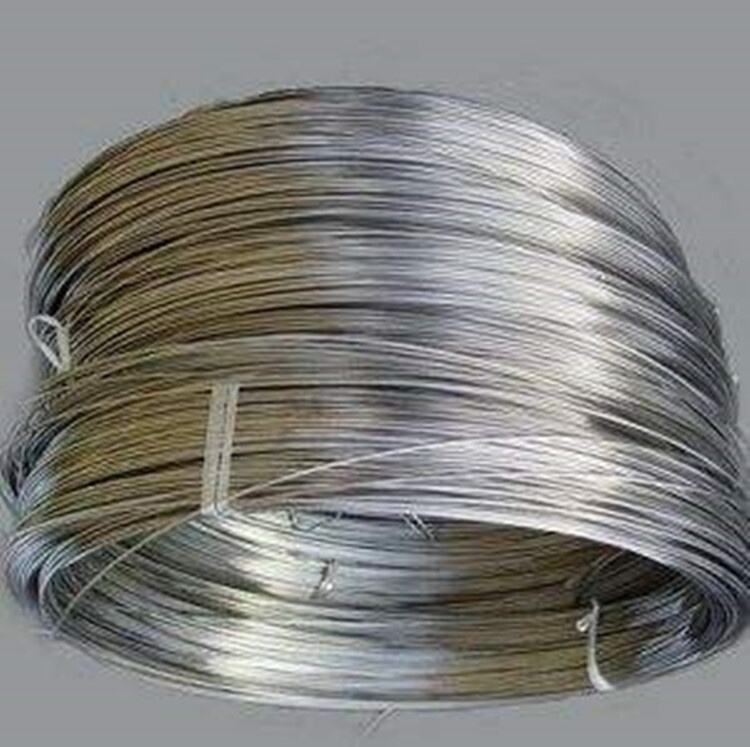
टाइटेनियम कुंडल का मूल लाभ इसके अद्वितीय सामग्री गुणों में निहित है, जो अतुलनीय ऊष्मा चालकता को उत्कृष्ट रासायनिक प्रतिरोध और संरचनात्मक दृढ़ता के साथ जोड़ता है। जब इन्हें हीट एक्सचेंजर, रिएक्टर या विशिष्ट शीतलन प्रणालियों में एकीकृत किया जाता है, तो टाइटेनियम कुंडल विस्तृत संचालन अवधि के दौरान स्थिर ऊष्मा स्थानांतरण दरों को बनाए रखकर वैकल्पिक सामग्रियों की तुलना में लगातार उत्कृष्ट प्रदर्शन करते हैं। यह विश्वसनीयता सीधे रखरखाव लागत में कमी, प्रणाली के अधिक संचालन समय और मापने योग्य दक्षता लाभ में अनुवादित होती है, जो संचालन अर्थव्यवस्था के अंतिम परिणाम को प्रभावित करती है।
ऊष्मा चालकता और ऊष्मा स्थानांतरण में वृद्धि
टाइटेनियम कुंडल के उत्कृष्ट सामग्री गुण
एक टाइटेनियम कुंडली के तापीय चालकता के गुण इसे औद्योगिक क्षेत्रों में उपलब्ध सबसे प्रभावी ऊष्मा स्थानांतरण समाधानों में से एक बनाते हैं। इस सामग्री के सहज गुण तीव्र ऊष्मा अवशोषण और विसरण को सक्षम बनाते हैं, जिससे ऊर्जा स्थानांतरण की दक्षता को अधिकतम करने के लिए एक स्थिर तापीय प्रवणता बनती है। पारंपरिक तांबे या स्टेनलेस स्टील के विकल्पों के विपरीत, एक टाइटेनियम कुंडली व्यापक तापमान सीमा में सुसंगत प्रदर्शन बनाए रखती है, जिससे तापीय विघटन रोका जाता है और महत्वपूर्ण अनुप्रयोगों में दीर्घकालिक रूप से भरोसेमंद व्यवहार सुनिश्चित किया जाता है।
टाइटेनियम कुंडल की संरचनात्मक डिज़ाइन सतह क्षेत्रफल की अनुकूलित ज्यामिति और द्रव प्रवाह गतिशीलता के माध्यम से ऊष्मा स्थानांतरण क्षमता को और अधिक बढ़ाती है। औद्योगिक-श्रेणी की टाइटेनियम कुंडलों को सटीक कुंडल ज्यामिति के साथ इंजीनियरिंग द्वारा विकसित किया गया है, जो टर्बुलेंट प्रवाह पैटर्न को बढ़ावा देती है, सीमा परत प्रतिरोध को कम करती है और ऊष्मा विनिमय को तीव्र करती है। यह इंजीनियरिंग दृष्टिकोण इस बात का संकेत देता है कि टाइटेनियम कुंडल अन्य सामग्रियों की तुलना में कम कुल सतह क्षेत्रफल का उपयोग करके वांछित ऊष्मीय लक्ष्यों को प्राप्त कर सकती है, जिससे प्रदर्शन को कम न करते हुए अधिक संक्षिप्त प्रणाली डिज़ाइन संभव हो जाती हैं।
तापमान स्थिरता और ऊष्मीय प्रतिक्रिया
टाइटेनियम कुंडल का एक महत्वपूर्ण अंतर यह है कि यह बदलती हुई संचालन परिस्थितियों के तहत तापमान स्थिरता बनाए रखने में सक्षम होता है। इस सामग्री का कम ऊष्मीय प्रसार गुणांक तापमान में वृद्धि और कमी के साथ आकारिक विकृति को कम करता है, जिससे उत्तम ऊष्मा स्थानांतरण ज्यामिति के लिए आवश्यक सटीक संरेखण को बनाए रखा जा सकता है। टाइटेनियम कुंडल ऊष्मीय झटके के प्रति प्रतिरोधी होता है, जो उच्च-चक्र अनुप्रयोगों में एक सामान्य विफलता बिंदु है, जहाँ तीव्र तापमान परिवर्तन सामग्री की अखंडता और संचालन स्थिरता को चुनौती देते हैं।
यह ऊष्मीय स्थिरता विशेष रूप से उन प्रक्रिया उद्योगों में मूल्यवान सिद्ध होती है जहाँ तापमान नियंत्रण सीधे उत्पाद की गुणवत्ता और उत्पादन दक्षता को प्रभावित करता है। टाइटेनियम कुंडल तेज़ गर्मी और ठंडक चक्रों के प्रति त्वरित प्रतिक्रिया करके, साथ ही आकारिक सटीकता बनाए रखते हुए, कड़े तापमान सहनशीलता को सक्षम बनाता है। परिणामस्वरूप प्रक्रिया नियंत्रण में वृद्धि, गैर-विनिर्दिष्ट उत्पादन के कारण होने वाले अपशिष्ट में कमी उत्पाद और समग्र प्रणाली विश्वसनीयता में सुधार होता है।
रासायनिक प्रतिरोधकता और दीर्घकालिक स्थिरता
क्षरण सुरक्षा और घटकों के लंबे जीवन का विस्तार
रासायनिक स्थिरता एक अन्य महत्वपूर्ण प्रदर्शन आयाम है, जहाँ टाइटेनियम कुंडली असाधारण लाभ प्रदान करती है। टाइटेनियम की निष्क्रिय ऑक्साइड सतह परत प्रकृति द्वारा काटने वाले माध्यमों, जिनमें तीव्र अम्ल, क्लोराइड्स और नमकीन पानी के वातावरण शामिल हैं, जो पारंपरिक ऊष्मा स्थानांतरण उपकरणों को तेज़ी से क्षीण कर देते हैं, के खिलाफ स्वाभाविक सुरक्षा प्रदान करती है। एक टाइटेनियम कुंडली अत्यधिक काटने वाली परिस्थितियों में भी संरचनात्मक अखंडता और ऊष्मीय प्रदर्शन बनाए रखती है, जिससे वैकल्पिक सामग्रियों के लक्षण के रूप में होने वाले क्षरण और दक्षता हानि को समाप्त कर दिया जाता है।
टाइटेनियम कुंडल का विस्तारित संचालन जीवन प्रत्यक्ष रूप से प्रणाली की स्थिरता में योगदान देता है और पूंजी प्रतिस्थापन चक्रों को कम करता है। क्षरण-प्रेरित सतह क्षरण से धीमे प्रदर्शन के गिरावट के बजाय, एक टाइटेनियम कुंडल अपने संपूर्ण सेवा जीवन के दौरान स्थिर ऊष्मा स्थानांतरण गुणांक बनाए रखती है। यह स्थिरता दीर्घकालिक प्रदर्शन के अधिक सटीक पूर्वानुमान को सक्षम करती है और औद्योगिक सुविधाओं में निवारक रखरखाव योजना को सरल बनाती है।
बायोफिल्म प्रतिरोध और फूलिंग रोकथाम
एक टाइटेनियम कुंडली जैव-प्रदूषण और कार्बनिक जमाव का प्रतिरोध पारंपरिक सामग्रियों की तुलना में अधिक प्रभावी ढंग से करती है, जो स्थिर तापीय प्रदर्शन बनाए रखने के लिए एक अन्य महत्वपूर्ण कारक है। इस सामग्री की चिकनी सतह की विशेषताएँ और जैव-फिल्म प्रतिरोधी गुण उन जमावों के निर्माण को रोकते हैं जो अन्यथा ऊष्मा स्थानांतरण दक्षता को कम कर देंगे और स्थानीय तनाव सांद्रण बिंदुओं का निर्माण करेंगे। जल-शीतलित या जैव-फिल्म प्रवण वातावरण में संचालित होने वाली एक टाइटेनियम कुंडली आंतरिक सतहों को साफ़ बनाए रखती है, जिससे नियमित डिस्केलिंग हस्तक्षेप के बिना लगातार दक्षता सुनिश्चित होती है।
यह जैव-प्रदूषण प्रतिरोध उन औषधि, जैव प्रौद्योगिकी और खाद्य प्रसंस्करण अनुप्रयोगों में विशेष रूप से मूल्यवान सिद्ध होता है, जहाँ जीवाणुरहित स्थितियाँ और प्रणाली की सफाई सीधे उत्पाद की अखंडता और नियामक अनुपालन को प्रभावित करती हैं। एक टाइटेनियम कुंडली के लिए सफाई चक्रों की संख्या कम होती है, जिससे संचालन का अवरोध कम होता है और संबंधित श्रम लागत घटती है, जबकि सुसंगत तापीय प्रदर्शन बना रहता है।
दक्षता में वृद्धि और संचालन प्रदर्शन के लाभ
ऊर्जा दक्षता और ऊष्मा पुनर्प्राप्ति का अनुकूलन
टाइटेनियम कुंडली का उपयोग करने वाले औद्योगिक संचालन बेहतर ऊष्मा स्थानांतरण प्रदर्शन और कम प्रणाली हानि के माध्यम से मापनीय ऊर्जा दक्षता में सुधार प्राप्त करते हैं। टाइटेनियम कुंडली की उत्कृष्ट ऊष्मीय विशेषताएँ छोटे, अधिक कुशल ऊष्मा विनिमयक डिज़ाइन को सक्षम बनाती हैं, जो कम पंपन शक्ति की खपत करते हैं और उत्कृष्ट ऊष्मीय प्रदर्शन प्रदान करते हैं। यह दक्षता कम ऊर्जा खपत, कम संचालन लागत और पर्यावरणीय ज़िम्मेदारी के प्रति प्रतिबद्ध संगठनों के लिए स्थायित्व मापदंडों में सुधार के रूप में अनुवादित होती है।
टाइटेनियम कुंडल की ऊष्मा पुनर्प्राप्ति क्षमता औद्योगिक सुविधाओं को वातावरण या शीतलन जल निर्वहन में पहले खोई गई अपशिष्ट ऊष्मा को पुनः प्राप्त करने में सक्षम बनाती है। टाइटेनियम कुंडल के साथ ऊष्मा स्थानांतरण दक्षता को अधिकतम करके, संचालन ऊर्जा पुनर्प्राप्ति रणनीतियों को लागू कर सकते हैं जो तापन लागत को कम करती हैं और समग्र प्रक्रिया अर्थव्यवस्था को बेहतर बनाती हैं। यह क्षमता उन उद्योगों में विशेष रूप से मूल्यवान सिद्ध होती है जो महत्वपूर्ण ऊष्मीय हानि के साथ संचालित होते हैं या कठोर ऊर्जा कमी आवश्यकताओं का पालन करते हैं।
प्रणाली स्थिरता और संचालन विश्वसनीयता
महत्वपूर्ण ऊष्मा स्थानांतरण अनुप्रयोगों में टाइटेनियम कुंडली का एकीकरण विभिन्न संचालन स्थितियों के दौरान भविष्यवाणि योग्य, सुसंगत तापीय प्रदर्शन के माध्यम से प्रणाली की स्थिरता में वृद्धि करता है। इस सामग्री की विश्वसनीयता से संक्षारण, तापीय अपघटन या सामग्री विफलता के कारण अप्रत्याशित दक्षता हानि को समाप्त कर दिया जाता है, जिससे सुविधाओं को स्थिर उत्पादन दरें बनाए रखने और विश्वसनीय प्रक्रिया नियंत्रण सुनिश्चित करने में सक्षम बनाया जा सकता है। टाइटेनियम कुंडली अनियोजित रखरोट घटनाओं और आपातकालीन बंद करने को कम करती है, जो संचालन को बाधित करते हैं और राजस्व उत्पादन को प्रभावित करते हैं।
टाइटेनियम कुंडली द्वारा प्रदान की जाने वाली संचालन स्थिरता प्रक्रिया अनुकूलन और प्रदर्शन ट्यूनिंग को संभव बनाती है, जो ऐसी सामग्रियों के साथ असंभव होगी जो क्षरण के प्रति संवेदनशील हों। इंजीनियरिंग टीमें आक्रामक संचालन पैरामीटर लागू करने में आत्मविश्वास से काम कर सकती हैं, क्योंकि टाइटेनियम कुंडली प्रदर्शन की स्थिरता और तापीय विश्वसनीयता को बनाए रखेगी। यह भविष्यवाणी योग्यता प्रक्रिया स्वचालन, गुणवत्ता नियंत्रण में सुधार और निरंतर सुधार पहलों को सुविधाजनक बनाती है, जो प्रतिस्पर्धात्मक स्थिति को मजबूत करती हैं।
अक्सर पूछे जाने वाले प्रश्न
टाइटेनियम कुंडली किन तापमान सीमाओं को प्रभावी ढंग से संभाल सकती है?
एक टाइटेनियम कुंडली आमतौर पर -200°C से 500°C के तापमान सीमा में, विशिष्ट मिश्र धातु संरचना और प्रणाली दबाव आवश्यकताओं के आधार पर, उत्कृष्ट ऊष्मीय प्रदर्शन बनाए रखती है। यह असामान्य सीमा टाइटेनियम कुंडलियों को क्रायोजेनिक प्रक्रियाओं से लेकर उच्च-तापमान औद्योगिक प्रतिक्रियाओं तक के अनुप्रयोगों के लिए उपयुक्त बनाती है। इस व्यापक स्पेक्ट्रम में सामग्री की ऊष्मीय स्थिरता उसके प्रदर्शन में कमी को रोकती है और कार्यकारी तापमान के बावजूद गर्मी स्थानांतरण की निरंतर दक्षता को बनाए रखती है।
टाइटेनियम कुंडली की तुलना स्टेनलेस स्टील विकल्पों से कैसे की जाती है?
दोनों सामग्रियाँ क्षरण प्रतिरोध प्रदान करती हैं, लेकिन टाइटेनियम कुंडली स्टेनलेस स्टील की तुलना में उत्कृष्ट ऊष्मा चालकता, कम ऊष्मीय प्रसार और क्लोराइड तथा अम्लीय वातावरण के प्रति बढ़ी हुई प्रतिरोधक्षमता प्रदान करती है। हालाँकि टाइटेनियम कुंडलियों की प्रारंभिक सामग्री लागत अधिक होती है, फिर भी लंबी सेवा आयु, कम रखरखाव आवश्यकताएँ और सुधारित ऊष्मीय दक्षता अक्सर कुल स्वामित्व लागत विश्लेषण के माध्यम से इस निवेश को औचित्यपूर्ण बनाती हैं। क्षरणकारी या चरम वातावरण में, जहाँ स्टेनलेस स्टील को बार-बार प्रतिस्थापित करने की आवश्यकता होती है, टाइटेनियम कुंडली वरीयता का विकल्प बन जाती है।
क्या टाइटेनियम कुंडली औद्योगिक प्रणालियों में कुल ऊर्जा खपत को कम कर सकती है?
हाँ, एक टाइटेनियम कुंडली ऊष्मा स्थानांतरण दक्षता में सुधार करके ऊर्जा खपत को काफी कम कर सकती है, जिससे छोटे और अधिक प्रभावी ऊष्मा विनिमयक डिज़ाइन संभव हो जाते हैं जिन्हें कम पंपिंग शक्ति की आवश्यकता होती है। टाइटेनियम कुंडली का उन्नत तापीय प्रदर्शन ऑपरेशन को समग्र प्रणाली इनपुट के कम उपयोग के साथ लक्ष्य तापमान प्राप्त करने में सक्षम बनाता है, जिससे मापने योग्य ऊर्जा बचत होती है। इसके अतिरिक्त, टाइटेनियम कुंडलियों में अंतर्निहित कम फ़ौलिंग और फ़ौलिंग-संबंधित दक्षता हानि लंबी ऑपरेशन अवधि के दौरान ऊर्जा प्रदर्शन के स्तर को बनाए रखती है।